Automate Failed Payment Recovery in MemberSpace
A failed charge does not have to become a lost member. If I catch the problem early, I can recover the payment, protect access, and keep recurring revenue moving. That matters even more on a membership site, where one expired card or bank d...
A failed charge does not have to become a lost member. If I catch the problem early, I can recover the payment, protect access, and keep recurring revenue moving.
That matters even more on a membership site, where one expired card or bank decline can quietly cut into retention. I want a recovery flow that runs in the background, sends the right reminder, and gives the member one clear way to fix the card.
I also want the setup to stay simple. When I build failed payment recovery around MemberSpace, I focus on the payment path first, then the message, then the follow-up.
What failed payments look like in a MemberSpace site
Most failed payments are boring, which is why they hurt. A card expires. A bank blocks a charge. The member gets a new card and forgets to update it. Sometimes the issuer flags a subscription as risky, even when the member wants to keep paying.
In a membership business, that kind of decline is part of dunning, the recovery process that follows a failed recurring payment. Baremetrics has a useful failed payment recovery guide that lays out the basic idea well, and I use the same lens when I review my own flow.
When I run MemberSpace, I treat this as a systems problem, not a support problem. I want the platform, the processor, and the email sequence to work together. If I am still setting up the billing layer, I start with connecting Stripe to MemberSpace, because recovery starts with clean payment plumbing.
The most common failure cases I plan for are simple:
- expired cards
- insufficient funds
- bank fraud blocks
- replaced cards after a loss or upgrade
- annual renewals that hit at the wrong time
Each one needs a calm response. A panic email or a vague “payment issue” notice only adds friction.
How I build the recovery loop around MemberSpace
I like to keep the process short. The member should know what failed, what happens next, and how to fix it. That means I set up retries, reminders, and payment-update links as one connected flow.
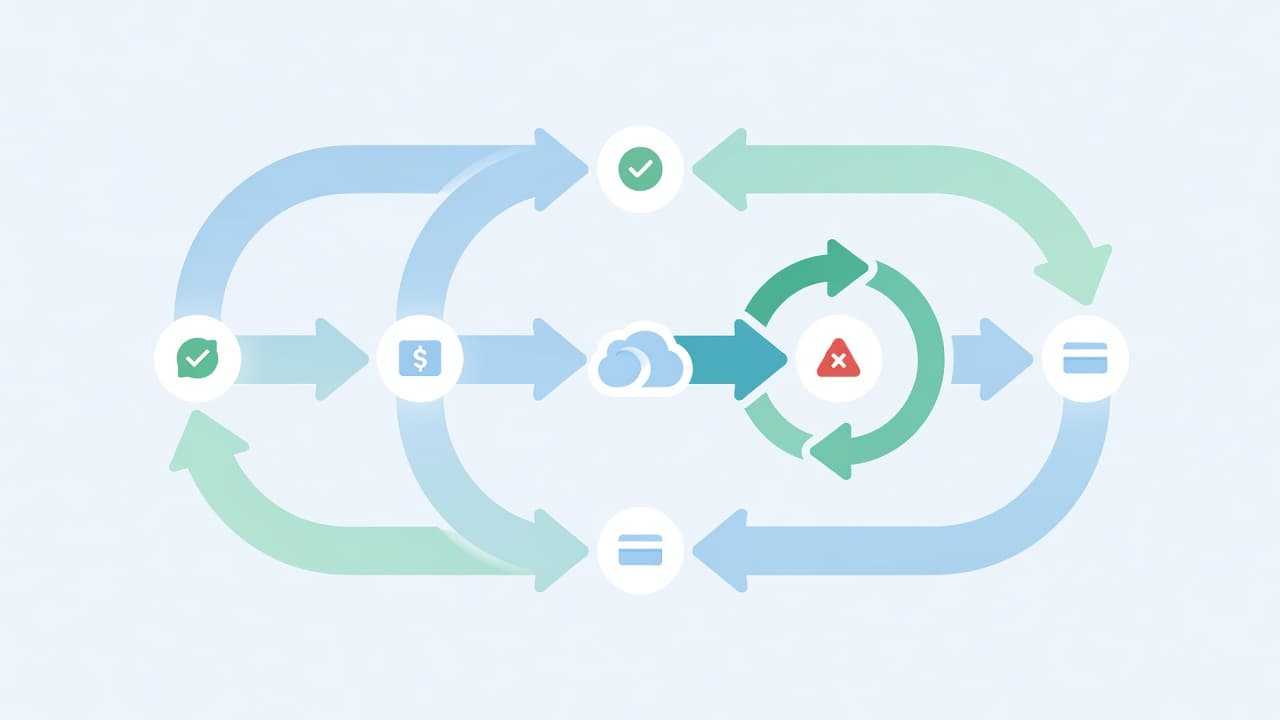
Here is the structure I use.
| Stage | What I set up | Why it matters |
|---|---|---|
| First decline | I let the processor retry quickly | Some declines clear fast |
| First email | I send a clear payment notice | The member knows what broke |
| Second retry | I space the next attempt out | Time helps with temporary issues |
| Final reminder | I warn before access changes | Last chance to fix the card |
That flow works because it gives the bank a second chance and the member a simple next step. I do not want the system to wait weeks. I also do not want it to fire off so many retries that it looks careless.
The best recovery message is short, calm, and one click away from a fix.
When I build the recurring plan itself, I keep the billing model simple too. If I am setting up a new membership, I review MemberSpace pricing and fees so I know what recovery needs to earn back. A recovered payment is only useful if the margin still makes sense after processor costs and platform fees.
Dunning emails that bring members back
A good recovery email does not sound like a threat. It sounds like a helpful reminder from a system that still wants the member inside.
I keep the wording plain. I say the payment failed. I say what happens next. I include a clear link to update the card or billing method. I avoid long explanations and apology-heavy text.
My timing usually looks like this:
- Day 1: a calm notice right after the decline
- Day 3 or 4: a follow-up for people who missed the first message
- Day 7 to 10: a final notice before the account changes
That rhythm gives me enough space to recover a temporary issue without dragging the process out. It also respects the member’s inbox.
I write subject lines that are direct. “We couldn’t process your payment” works better than “Action needed.” The first line tells the truth. The second one hides it.
I also keep the call to action visible above the fold. If the person has to hunt for the button, I lose them. A recovery email should feel like a doorway, not a maze.
When I can, I reinforce the email with the same message in my support flow or CRM. That way, a member who ignores the first email may still see the alert somewhere else. The goal is not pressure. The goal is a fix before cancellation.
Retry logic that protects recurring revenue
Retries need a little judgment. If I retry too often, I waste chances and annoy the customer. If I wait too long, I lose the subscription.
For most membership sites, I want the first retry soon after the decline, then a few more attempts spread across several days. That helps with transient issues, like a temporary bank block or low balance. It also keeps the member from slipping away because of a card glitch.
The better the timing, the better the retention. I watch the recovery rate by decline reason when I can, because not every failed payment behaves the same way. An expired card often responds well to reminders. A fraud block may need a fresh card or a different payment method.
I also watch the amount recovered, not just the count of recovered charges. One annual plan can matter more than a handful of small monthly renewals. If the big renewals keep failing, I adjust the reminder sequence and the timing around those dates.
This is also where I keep an eye on renewal season. Annual billing can make the recovery pool look larger than it is, so I compare the numbers month to month instead of trusting a single spike.
The payment update step matters more than people think
Most recovery systems fail in the same place, the handoff between “payment failed” and “update your card.” If that step is clumsy, the whole flow leaks.
I want one secure link and one short form. I do not want a member to log in twice, chase a support ticket, or search for an old invoice. The fix should feel obvious.
That is why I test the full journey before I trust it. I create a test member, trigger a failed payment in a safe test environment, and watch what happens next. I check the notice, the retries, the access state, and the update path. If any step feels awkward, I fix it before launch.
I also keep the language human. “Update your card to keep access” works better than a generic billing alert. People understand that line in a second.
For support teams, this step is where frustration drops fast. The fewer clicks it takes to solve the issue, the fewer members I lose to inertia.
The numbers I watch each month
I do not judge failed payment recovery by gut feel. I judge it by a small set of numbers.
These are the ones I check:
- recovered revenue
- failed payment recovery rate
- involuntary churn
- email open and click rates
- time to recovery
If the recovery rate goes up but involuntary churn stays flat, I know the sequence is not strong enough. If open rates are high but clicks are weak, the message is doing its job and the landing step is failing.
I also compare the recovery trend with churn. A site can hide payment trouble inside a bigger membership base, so I want the whole picture. If the wrong people keep falling out of renewal, I need to know whether the issue is billing, pricing, or product fit.
When I want a broader view of how billing costs affect the business, I go back to the MemberSpace fee breakdown and compare it against what I recovered that month. That keeps me honest about the real payoff.
I do not rely on recovery alone. As this note on failed payment recovery limits points out, the billing fix matters, but it does not erase product friction. If members keep failing after retries, I start asking harder questions about onboarding, value, and timing.
Mistakes that quietly drain recoveries
A few problems show up again and again.
First, I avoid overloading the member with too many retries. That can look sloppy and still miss the real issue.
Second, I never hide the update link. If the member has to reply to support first, recovery slows down.
Third, I do not write like a bank statement. Dry language keeps people from acting. Clear language gets the card updated.
Fourth, I do not stop after the first win. A strong recovery system needs review. Cards expire again. Renewal patterns shift. Payment processors change their rules. I keep checking the flow.
Above all, I do not treat every decline the same way. Some members need one reminder. Others need a new card prompt and a clearer explanation of access. The more I segment the flow, the better my retention gets.
Conclusion
Failed payment recovery works best when it feels invisible to everyone except the person fixing the card. I want MemberSpace, Stripe, and my email flow to handle the decline before it turns into churn.
When I keep the retries sensible, the dunning emails clear, and the update step easy, I protect recurring revenue without adding more manual work. That is the kind of system that keeps a membership business steady.
