How I Send Automated Onboarding Emails with MemberSpace
The first hour of a new member’s experience matters more than most founders think. If the inbox stays quiet after checkout, people drift, forget why they joined, and miss their first win. Optimizing this onboarding process is essentia...

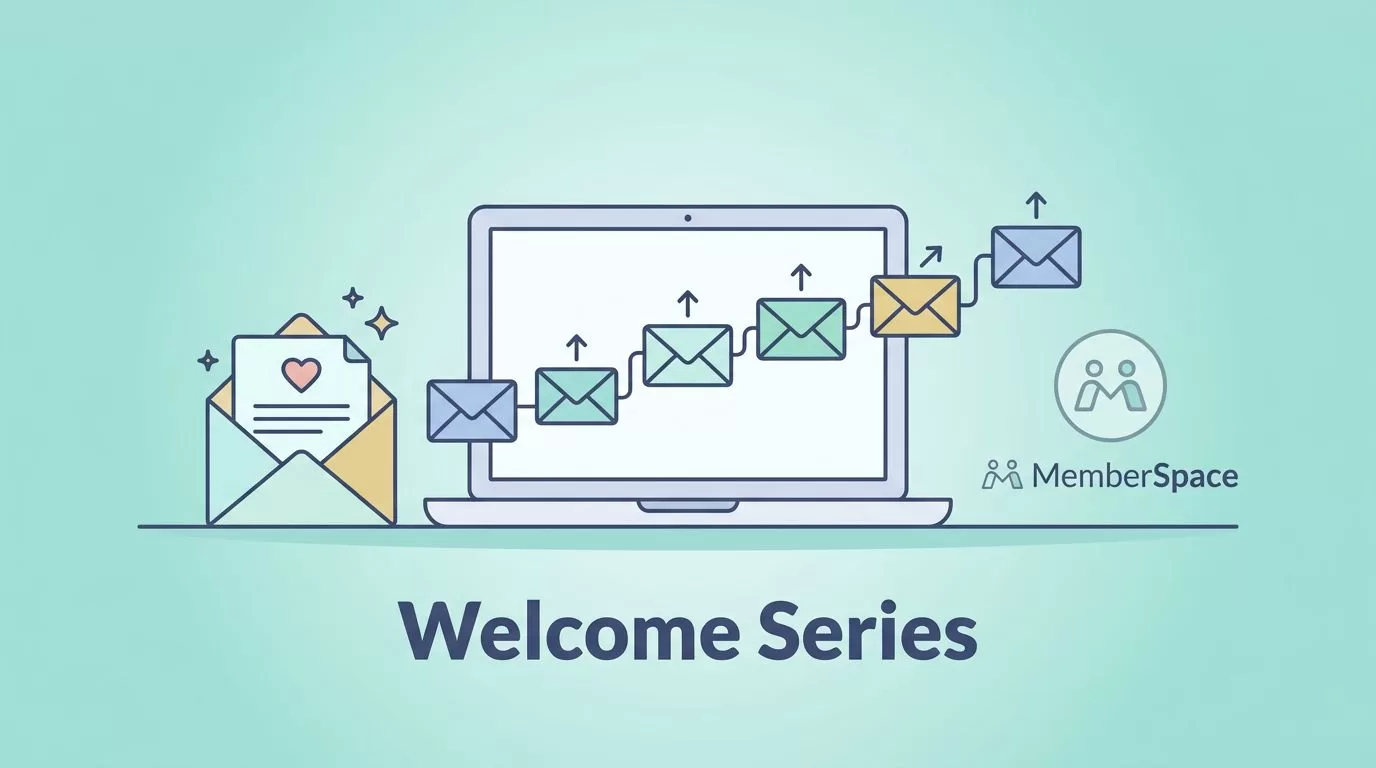
The first hour of a new member’s experience matters more than most founders think. If the inbox stays quiet after checkout, people drift, forget why they joined, and miss their first win. Optimizing this onboarding process is essential for long-term retention.
I use MemberSpace onboarding emails to keep that first stretch clear. While MemberSpace is excellent membership site software that handles access control and member notices effectively, I still pair it with a dedicated email automation tool whenever I want to deliver a timed welcome series. As of June 2026, that split remains the cleanest setup I have found.
Key Takeaways
- Separate Roles: Use MemberSpace for essential system notifications like billing and access, but move your welcome sequences to a dedicated email platform to leverage better timing and logic.
- Prioritize Momentum: Focus your first four emails on providing clear, actionable steps that lead to a “quick win” for the member rather than overwhelming them with information.
- Segmentation is Key: Use tags based on member plans or signup sources to ensure subscribers receive relevant content tailored to their specific needs.
- Keep it Simple: Use a “one greeting, one action, one fallback” structure in your copy to eliminate choice fatigue and help new members navigate your platform quickly.
- Test End-to-End: Always perform a test signup before launching to verify that triggers fire correctly, tags apply properly, and all links work on both mobile and desktop.
What MemberSpace handles on its own
I keep the platform split simple. MemberSpace is excellent as a Squarespace plugin or a Wix integration for site owners, but I do not ask it to do everything.
It can send Member Messages on my behalf, and I can segment by specific plans to reach all members or targeted tiers. It also handles transactional notification emails for system moments like password resets and failed payments. Because these emails provide the white-labeling experience users expect, they remain reliable and professional.
Here is how I separate the jobs:
| Message type | Best use in MemberSpace | My move |
|---|---|---|
| Member Message | A direct note to active members or a specific member plan | Use it for a one-time announcement or a short reminder |
| Notification Email | Password resets, billing failures, access notices | Leave it alone so it stays clean and dependable |
| Welcome series | A timed sequence after signup | Send it from my email platform, not inside MemberSpace |
That split keeps onboarding from getting muddy. A billing alert should not sound like a warm welcome, and a welcome email should not feel like a support ticket.


I also decide early whether a message belongs to the whole membership or just one tier. If I sell a starter tier, a premium tier, and a course add-on, each one gets its own tone. A buyer who paid for a course does not need the same message as a community member who joined for weekly calls.
If I also run a community layer, I map the first-day path the same way I do in my Skool membership site launch guide. The tools change, but the first steps stay the same: greet people, point them somewhere useful, and give them one clear action.
Build the welcome series outside MemberSpace
As soon as I want more than one email, I move the sequence to an email service provider. MemberSpace is excellent at managing access to protected pages, but my email platform provides the timing, tagging, and complex follow-up logic I need for automated member messaging.
I keep the setup simple by using a Zapier integration to sync my member data with tools like ConvertKit or Mailchimp. This allows me to keep my process streamlined:
- I set the trigger based on a signup link click or a change in subscription status.
- I tag the member by plan, product, or source so I can personalize their journey.
- I send the welcome series directly from my email platform, which is better suited for marketing sequences than native tools.
- I allow MemberSpace to handle essential notification emails, such as billing updates and account access alerts.
- I test the handoff between the platforms before I invite real buyers to ensure everything triggers correctly.
For writing the first email, I borrow the simple structure I like from Mailchimp’s welcome email advice. One greeting, one clear promise, and one next step. That shape works because new members are not looking for a lecture. They want direction.
If a member has to hunt for the next click, I waited too long to help.
I also watch for the same pattern I see in other membership tools. A lot of sites handle signup-triggered messages outside the platform, because the platform is strongest at access control, not long email sequences. A membership subscriber automation thread shows the same idea in a different stack.
If my email tool supports tags, I use them. If it supports a workflow builder, I keep the logic simple. If it only supports basic automation, I still make it work. The goal is not a fancy map. The goal is a member who knows what to do next.
A sample onboarding sequence that keeps people moving
I prefer short onboarding flows. Four emails is usually enough for most memberships, and it prevents me from overwhelming new subscribers before they even log in.
This is the automated email sequence I use most often:
| Timing | Subject line | Goal | What I include |
|---|---|---|---|
| Day 0 | “Welcome, your access is live” | Confirm the signup and reduce confusion | Login link, start-here page, one first action |
| Day 1 | “Your first quick win” | Push the member to take one simple step | Lesson 1, template, checklist, or starter resource |
| Day 3 | “How I use this membership” | Show the path through the content | Top resources, best order, support link |
| Day 7 | “Need help getting started?” | Catch stuck members before they go quiet | FAQ, reply-to-this-email prompt, community link |
I keep the Day 0 email short. It should feel like a front desk clerk handing over the keys rather than a tour guide reciting every hallway in the building. The member simply needs the login link, a clear first task, and a way to ask for help.
Day 1 is where I focus on creating momentum. The goal of this message is to provide a tangible win. If you are running a paid newsletter, you might link to your most popular recent issue. If you offer a free trial, point them toward a premium feature that demonstrates immediate value. For a site built around a content library, show them the most useful folder or guide to get them started right away.
Day 3 is where I answer the question nobody says out loud, which is, “What do I do with all this now?” I repeat the primary path through the site and make the overall experience feel less overwhelming. If I sell a membership with multiple tiers, I can segment this email by plan so each subscriber sees only the content or resources that matter most to their specific needs.
Day 7 is the pressure valve. While some members are ready to move on independently, others may need one more nudge. A simple email offering help often pulls them back in, ensuring they engage with the platform rather than letting their subscription go to waste.
The copy I write so people keep reading
I keep the wording plain because new members read fast. Fancy lines slow them down.
The subject line does most of the work. I aim for clear, not clever. “Your access is live” beats “A warm hello from our team” every time. The first line should match the subject, so nobody feels tricked into opening it.
Inside the email, I try to stick to three parts for both the subject and body text:
- A quick welcome.
- One action to take now.
- One fallback if they need help.
That structure for your welcome email works for creators, course sellers, and membership site owners because it removes choice fatigue. If I give people four links and three directions, I make them pause. If I give them one link and one task, they move. To make the message feel more personal without adding complexity, I often use email variables to insert the member’s name into the greeting.
I also keep support visible. New members often hesitate when they hit the first login issue, miss the course path, or forget why they paid. A direct reply-to-this-email line or a short help link cuts those small problems down fast.
For tone, I sound like a person, not a brand voice chart. I write as if I am sending a note to someone who just paid me. That keeps the message honest and easy to trust.
Test the setup before I turn it loose
I never trust an onboarding flow until I test it end to end. A broken welcome email is worse than no welcome email, because it feels like the system forgot the buyer.
Before launch, I do one test signup and check five things:
- The right trigger fires.
- The member lands in the right segment.
- The email arrives on mobile and desktop.
- The login or start-here link works.
- Every test message displays correctly.
I also test plan-specific messages. If I sell monthly access and a course bundle, I want to know that each person gets the right version. I specifically verify how my automation handles a recurring payment event compared to a new signup, as confirming these triggers ensures the system handles both initial acquisitions and ongoing billing cycles correctly. One wrong tag can send a course buyer into the wrong path, and that creates support noise right away.
After the first week, I look at opens, clicks, and replies. Opens tell me whether the subject line works. Clicks tell me whether the message earns trust. Replies tell me where people get stuck.
If one email gets ignored, I shorten it. If one link gets skipped, I move it higher. If several members reply with the same question, I add that answer to the Day 0 email.
That is the part most people skip. They build the flow once and leave it alone. I treat the first version like a draft, because member behavior tells the truth fast.
Frequently Asked Questions
Can I send my entire welcome sequence directly through MemberSpace?
While MemberSpace allows for certain member messages, it is primarily built for access control and system notifications. Moving your multi-email welcome sequence to an email service provider like ConvertKit or Mailchimp gives you the automation tools and analytics needed to drive better long-term engagement.
How many emails should be in an onboarding sequence?
For most memberships, a sequence of four emails is the sweet spot. This allows you to welcome the member, provide a quick win, explain the site navigation, and offer assistance without overwhelming the subscriber.
Why is it important to use tags for my members?
Tagging members by plan or signup source allows you to personalize their journey. By sending content that is specifically relevant to the tier they purchased, you reduce noise and ensure members only see resources that align with their goals.
What should I do if my welcome emails are not getting clicks?
If your links are being ignored, try moving them higher up in the email or making the call to action more direct. Keep the copy plain and focused on one specific task, as adding too many options often causes members to pause and do nothing.
Conclusion
MemberSpace provides the essential access layer, but it does not replace a comprehensive welcome sequence. That is why I keep MemberSpace onboarding emails split into two distinct jobs: the automated notices sent directly from the platform and the timed follow-up campaigns managed in my email marketing tool.
When I keep the first four messages short, clear, and focused on one specific next step, new members settle in much faster. They know exactly where to start, where to ask for help, and they are far less likely to go quiet after completing the checkout process. This strategic approach to retention works well for any membership site software setup that prioritizes user experience and long-term engagement.
The best version of this process is simple, tested, and easy to improve over time. I recommend starting with one welcome email, then building out the rest of the sequence once you know the flow works for your audience.

