How I Spot New Hydroponic Systems Fast With Exploding Topics
The best hydroponic ideas rarely arrive with a drumroll. They start as a small jump in search interest, a few new product pages, or repeated questions from growers who are chasing lower water use and tighter control. That matters if you wor...


The best hydroponic ideas rarely arrive with a drumroll. They start as a small jump in search interest, a few new product pages, or repeated questions from growers who are chasing lower water use and tighter control.
That matters if you work in controlled environment farming or ag-tech research. I use new hydroponic systems signals to see what’s gaining momentum before the market gets crowded, then I test the signal against real demand. I also keep an eye on my broader trend workflow in Exploding Topics guide for 2026 trends, because the first chart I see is never the last one I trust.
I start with the signal, not the story
When I scan Exploding Topics, I’m looking for patterns, not headlines. A single spike can come from a trade show clip or a social post. A steady climb across months usually means something deeper is happening.
In April 2026, I keep seeing movement around vertical hydroponic racks, smart nutrient dosing, modular greenhouse units, and compact recirculating systems. I also watch sensor-driven controls, LED upgrades, and automation tools that reduce manual checks. For a wider view, I compare that signal with tracking tech trends with Exploding Topics, because the same early pattern often shows up in other tools before it reaches buyers.
I don’t treat a topic as real until I can answer three questions. Who is searching for it, why now, and what problem does it solve? If I can’t answer those, I keep moving.

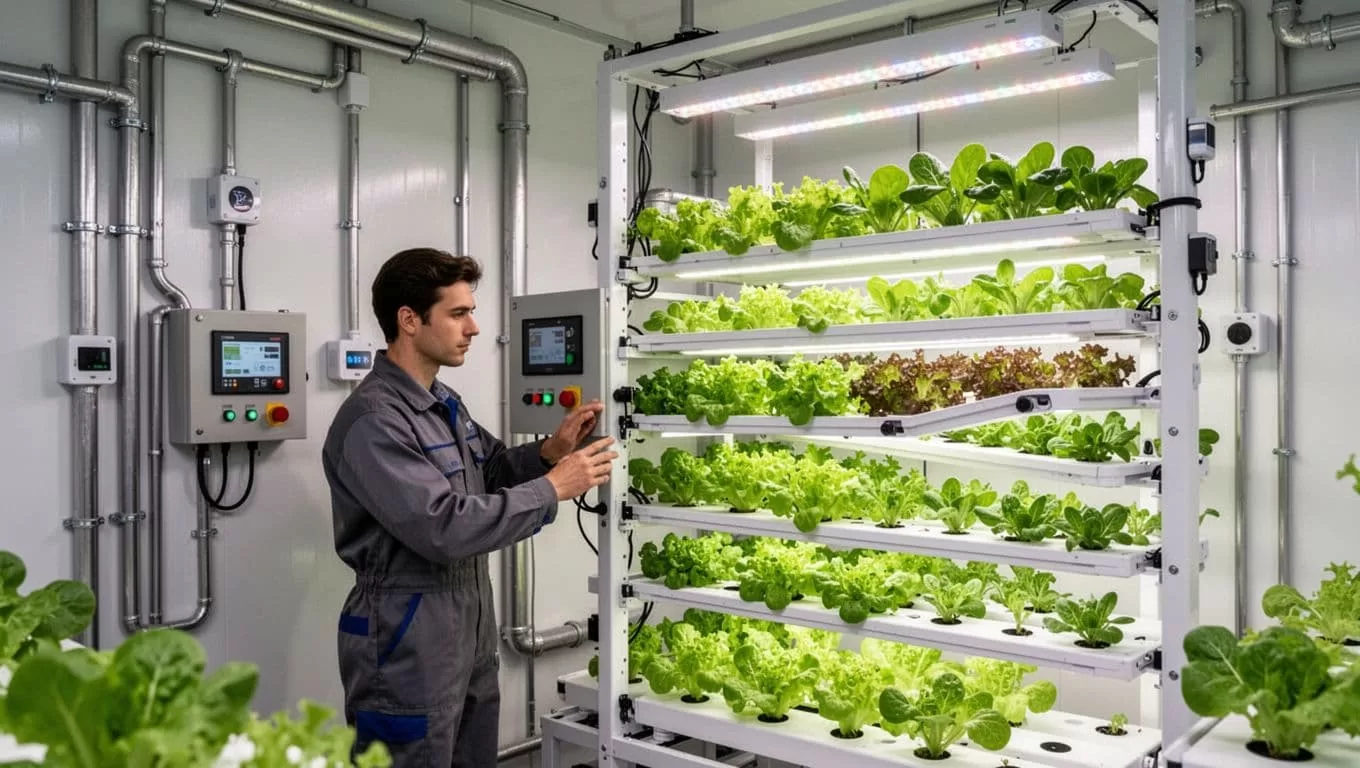
The hydroponic system types I’m watching in 2026
Some trends are louder than others. In 2026, the most interesting new hydroponic systems are the ones that save space, trim waste, and keep crops more predictable.
I’m watching vertical stack systems first. They keep showing up because they fit city warehouses, greenhouse retrofits, and small-footprint farms. I’m also seeing more interest in drip-based systems with inert media, especially where growers want a simple path to scale. For a broader industry read, I cross-check my notes with hydroponic vertical farming and drip hydro trends in 2026.
Another clear signal is automation around pH, EC, and nutrient control. Growers want fewer surprises. They also want systems that alert them before a crop drifts off target. I pay close attention to AI-assisted monitoring, because it turns a greenhouse into something closer to a live control room. That’s why I also look at 2026 hydroponics trends and AI smart farming automation.
In plain terms, I look for systems that do one of four things well:
- Fit more crop into less space.
- Cut water and nutrient loss.
- Lower labor pressure.
- Give better control over growth conditions.
That mix tells me I’m looking at a useful trend, not a shiny toy.
I separate hype from durable demand
A lot of hydroponic buzz fades fast. A real trend leaves traces in search, product catalogs, and buying behavior.
| Signal | Short-lived hype | Durable trend |
|---|---|---|
| Search pattern | One sudden spike | Repeated growth over months |
| Buyer intent | Curiosity | Clear problem solving |
| Product activity | One noisy launch | Several vendors adding the feature |
| Industry proof | Social chatter only | News, patents, and retail tests |
The table keeps me honest. If I only see chatter, I slow down. If I see chatter plus product movement, I pay attention.

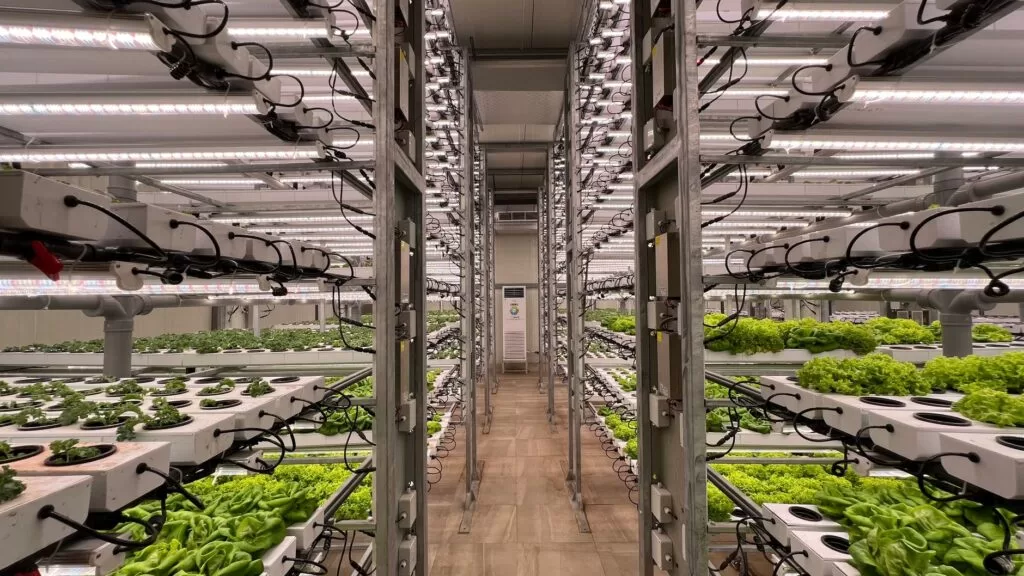
Photo by Anthony Rahayel
A durable trend also stretches across use cases. For example, if vertical hydroponics shows up in lettuce farms, herb production, and nursery propagation, I take it more seriously. A fad stays narrow. A real system spreads.
My validation checklist before I call it a real opportunity
Once a hydroponic topic looks promising, I run it through a short check. I want proof from more than one place.
- I test search demand. I compare Exploding Topics with related search terms and look for a steady climb, not a one-week jump.
- I read industry news. I scan greenhouse publications, supplier updates, and regional farm stories for repeated mentions of the same system type.
- I check patents and filings. When new control methods, sensors, or grow modules start showing up in patent databases, I treat that as a stronger signal than social buzz alone.
- I watch social buzz, but I keep it in context. Reddit threads, LinkedIn posts, and grower forums help me see pain points. They don’t replace demand data.
- I look for product launches. If multiple vendors release similar kits, controllers, or rack systems, that tells me the category is forming.
- I check retailer interest. Stock levels, new category pages, and distributor listings help me judge whether buyers are ready to spend.
That process helps me avoid a common mistake. I don’t confuse attention with adoption. A system can look exciting and still fail to sell.
What I do with the result
When the same hydroponic idea shows up in search, news, patents, and product launches, I treat it as a real lead. That’s when I dig into use case, margins, and fit for the buyer.
I’m especially interested in systems that solve a boring problem well. Stable water delivery, cleaner crop cycles, less labor, and easier monitoring matter more than flashy design. In hydroponics, boring often wins.
A good trend leaves a trail. It moves through charts, vendor pages, and buyer conversations before most people notice it. That’s why I use Exploding Topics as an early filter, then I spend my time proving the signal still has weight.
When those signals line up, I know I’m looking at something worth watching, and sometimes worth building around.

