How I Analyze Podcast Listener Demographics with Transistor.fm
I check my podcast stats every week. One glance shows where listeners tune in and what devices they use. Those details shape my next episode. You run a show or network. You need the same edge. Transistor.fm gives first-party data right in i...
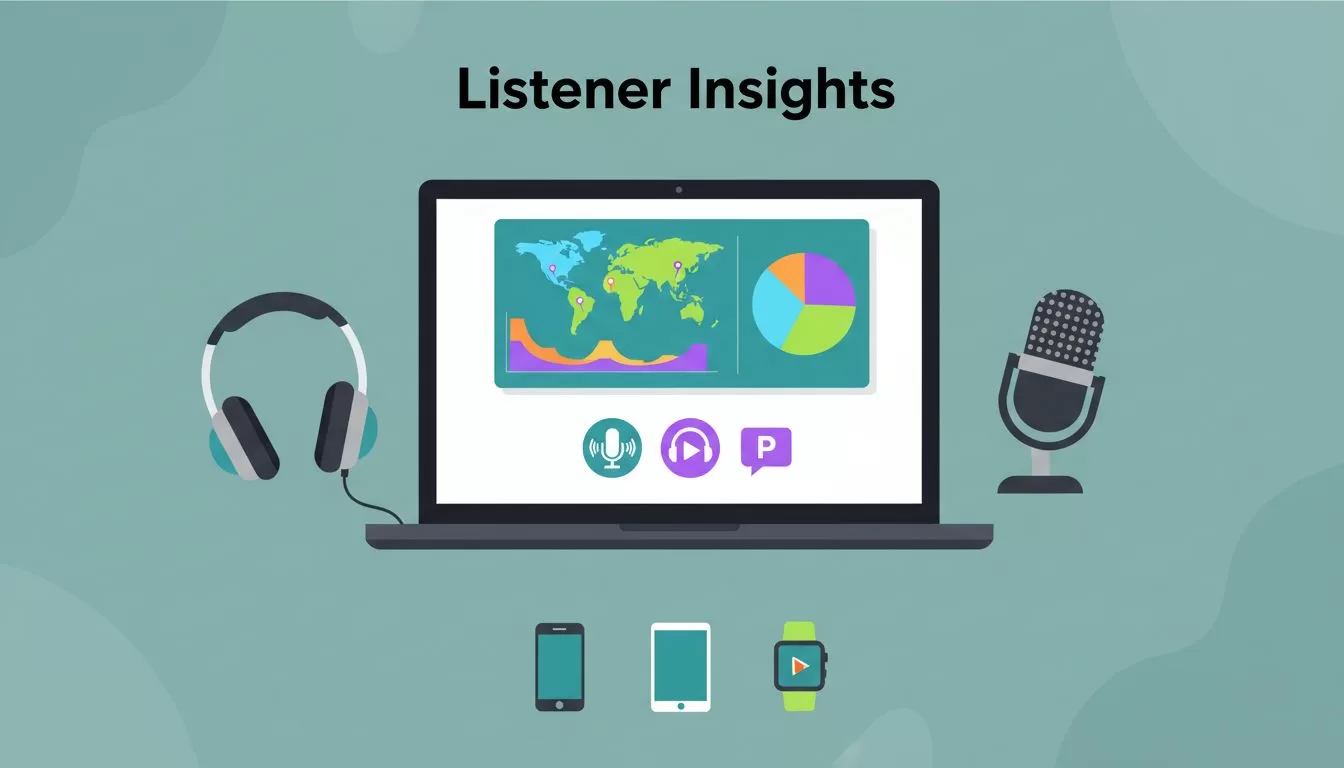
I check my podcast stats every week. One glance shows where listeners tune in and what devices they use. Those details shape my next episode. You run a show or network. You need the same edge. Transistor.fm gives first-party data right in its dashboard. It reveals patterns without guesswork. Let’s walk through how I pull actionable insights.
Accessing Your Listener Data in Transistor.fm
Log into your Transistor account first. Click any show. Then hit the Analytics tab. Downloads appear by episode, date, and location. I start here because raw numbers set the baseline.
Transistor tracks plays from Apple Podcasts, Spotify, and others. It aggregates streams too. No more chasing separate dashboards. For 2026, this matters as video podcasts rise. Transistor handles audio and links to video stats.
Here’s what I see on a typical screen.

Filter by time frame. Pick the last 30 days or a full year. Maps pop up with country, state, and city pins. Last month, 62% of my listeners came from U.S. cities. That matches broader trends where 68% cluster in urban spots.
Check subscriber counts next. RSS and email subs signal loyalty. Trends charts show growth or dips. Mine climbed 15% after a guest series. Devices break down further: phones dominate at 86% for younger crowds.
Transistor pulls this from direct downloads. It’s accurate first-party data. No surveys needed.
Key Metrics Beyond Basic Counts
Downloads per episode top my list. High numbers on one show point to hot topics. Low ones? Time to pivot content.
App usage follows. Transistor ranks platforms like Spotify at 40% and Apple at 35% in April 2026 data. Loyal Apple users skew older. Spotify draws 18-34 year-olds.
Device splits help too. Smartphones lead, but desktop rises for business pods. Transistor now charts watches and speakers. I spot 12% on cars via Bluetooth. Commuters listen daily at 2.4 times the rate.
Location data shines brightest. Pins cluster in suburbs for my tech show. Rural spots lag. States like California and Texas dominate U.S. plays.
For global reach, countries sort by percentage. Canada trails the U.S. at 10% for me. This first-party view beats estimates.
Compare to Transistor’s public stats, where iOS apps lead Android. Your numbers may differ by niche.
Understanding Demographic Proxies from Your Data
Direct age or gender? Transistor sticks to what it measures: locations, apps, devices, and patterns. I infer the rest.
Young listeners favor phones and Spotify. My 25-34 peak shows there. Older ones pick Apple Podcasts or desktops. In 2026, 62% of U.S. listeners fall 18-44. My data aligns.
Gender balances near 52% male, 48% female now. Device habits hint: women lean wellness genres with higher phone use.
Locations proxy income. Urban clusters mean $75K+ households, as 49% of listeners earn that. Genres shift this: business pods draw educated suburbs.
Consumption patterns seal it. Peak plays Tuesday mornings? Professionals tune in. Evening spikes? Parents multitask.
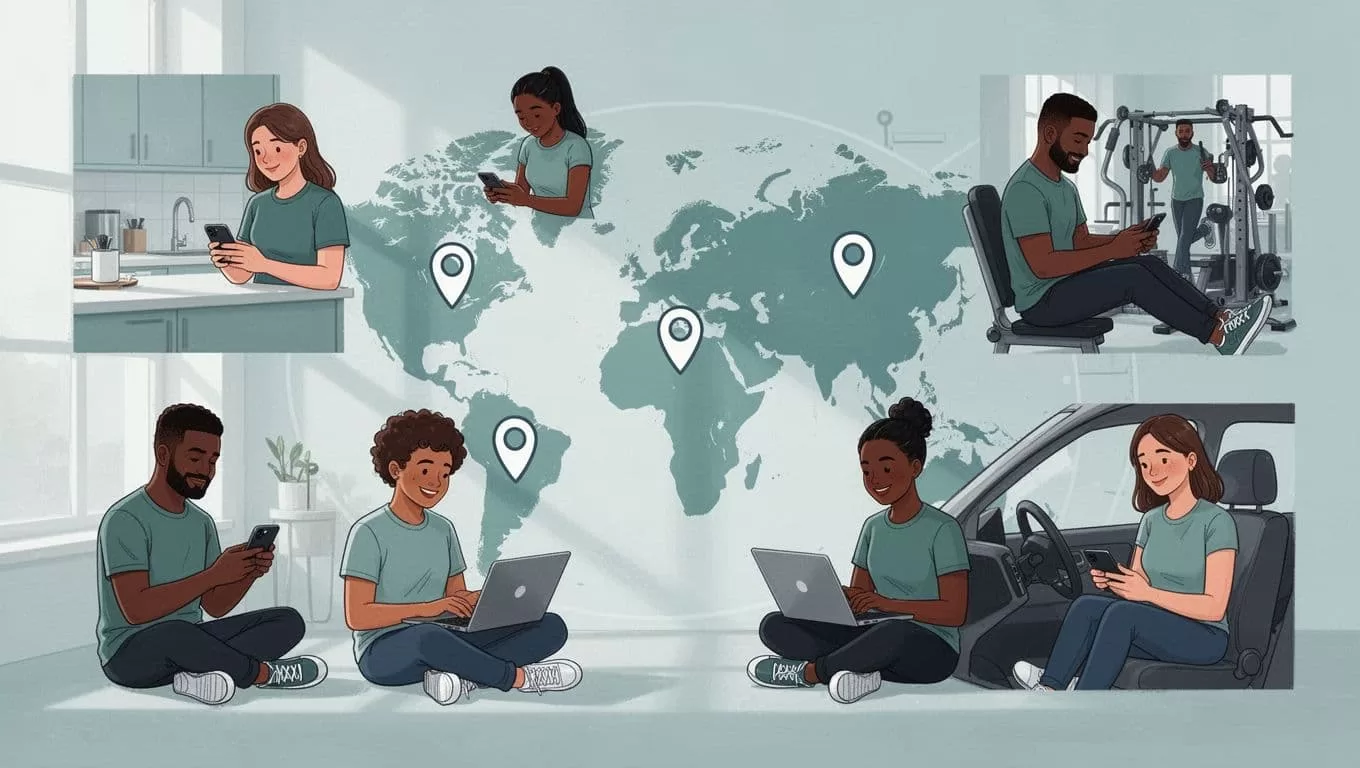
This visual captures proxies in action.
Cross-check with surveys like Edison Research breakdowns. They confirm phones rule for Gen Z at 78% monthly listens.
Proxies aren’t perfect. They guide, not dictate. Supplement with Spotify’s age-gender if connected.
I link my Transistor data to clip tools, like in my Transistor.fm Opus Clip Workflow. Clips target inferred young urban fans.
Turning Insights into Podcast Decisions
Data drives my choices. High U.S. city plays? I book American guests.
For programming, match proxies. My audience loves tech. 35% Android use means short, mobile-friendly episodes.
Distribution tweaks follow. Push to Spotify for youth. Apple for loyal olds.
Monetization clicks last. Educated urban listeners buy courses. I pitch sponsors with location stats. Rates rose 20% after sharing maps.
Step one: Export CSV from Transistor. Sort by location and device.
Step two: Spot outliers. Gym-time peaks? Add fitness angles.
Step three: Test changes. Run a themed week. Watch metrics shift.
Networks scale this. Aggregate shows for patterns. One of mine grew Hispanic listens 18%. Spanish promos boosted it.
Avoid overreach. Transistor gives plays, not polls. Pair with tools for depth. In 2026, 619 million listeners worldwide wait. Tailor to yours.
Conclusion
Transistor.fm turns vague audiences into clear portraits. Locations, devices, and apps reveal who listens most. I use these to refine content and boost revenue.
Act on your dashboard today. Patterns emerge fast. Your next episode will connect deeper. Podcast growth favors the informed.
