Referral Fraud Detection in Rewardful: A Working System
Affiliate fraud rarely looks like fraud on the first click. It often looks like a good campaign, a new customer, and a commission that is about to become payable. A working referral fraud detection process gives your team a way to review su...


Affiliate fraud rarely looks like fraud on the first click. It often looks like a good campaign, a new customer, and a commission that is about to become payable.
A working referral fraud detection process gives your team a way to review suspicious activity before it becomes a payout problem. Rewardful supplies useful controls, but your policy, evidence record, and review steps still matter.
Start with a narrow definition of abuse, then give every flagged referral the same review path.
Set up referral fraud detection in Rewardful
Rewardful can identify potential self-referrals and notify the merchant for review. It also lets you manage suspicious affiliate accounts and restrict some traffic sources. These are useful controls. They are not a full fraud investigation system.


Use self-referral alerts as your first queue
Rewardful emails you when it identifies a potential self-referral. You can review the case and choose “Looks Good” or “Looks Suspicious.” A suspicious referral can be deactivated or deleted, which prevents the related commission from reaching a payout.
Read Rewardful’s self-referral review guidance before you set team rules. Rewardful does not publish every detection method. Treat the alert as a reason to investigate, not proof that an affiliate committed fraud.
Know what the platform does not prove
A shared office IP address can be normal. A founder may use their own affiliate link during a test. An agency may refer a client that shares its company domain. None of these facts proves abuse alone.
Rewardful’s native checks do not replace payment review, product-usage review, server logs, or a manual decision. Keep the investigation separate from the automatic alert.
A fraud flag should open a case. It should not close one.
Define abuse before a referral arrives
Your affiliate terms need a short fraud policy. Write it before a payment is due. This prevents rushed decisions when a high-value commission appears in the queue.
Define prohibited conduct in plain language. Include self-purchases made to earn commission, duplicate accounts created for referral rewards, coupon misuse, paid-search brand bidding where forbidden, fake leads, and activity that violates your product terms.
Set rules that match your program
A customer referral program needs different checks than a partner program. A customer program may prohibit referring yourself or a household member. A B2B partner program may allow an agency to refer a client, even if both use the same business domain.
Document the exceptions. Allow internal testing only through approved test accounts. State whether employee referrals qualify. Define when a refund, chargeback, or cancelled subscription removes commission eligibility.
Don’t copy another company’s rules without checking your sales model. A rule that works for a $20 self-serve tool can unfairly block a six-month enterprise evaluation.
Assign owners and review times
A small team can assign one program owner and one payout approver. The program owner reviews the evidence. The payout approver checks the decision before money leaves the account.
Larger teams should split the work between affiliate operations, finance, support, and security. Set a standard review window, such as two business days for routine flags and same-day review for a payout due soon.
Use a clear handoff. The closed-loop referral process is a useful model for time-bound ownership and visible outcomes.
Collect evidence before you change a referral
A flagged referral needs a case record. Start with the original data. Don’t overwrite the raw export or edit the first screenshot until you save a copy.
Create one row or ticket for each case. Use a case ID that connects the referral, affiliate, customer, and eventual payout decision.
Capture the fields that explain the event
Your review record should include:
- The affiliate ID, referral ID, campaign, coupon, and commission amount.
- Click, signup, trial, conversion, cancellation, refund, and chargeback timestamps.
- The customer email domain, account status, plan, and payment status.
- The source URL, traffic source, and any relevant server or analytics event.
- The reviewer, review date, decision, reason, and supporting evidence location.
Use approved access controls for customer and payment data. You usually do not need to copy full card data, identity documents, or complete IP histories into an affiliate review sheet.
Keep context with the evidence
A same-day click and purchase may be suspicious for a high-ticket annual plan. It may be normal for a low-cost self-serve subscription. Compare the event with your normal conversion path.
Check whether the referred account activated the product. Look for a verified work email, invited teammates, completed onboarding, or product use that fits a real customer. Fraud checks work better when product data sits beside attribution data.
Store the referral export, billing record, and decision note together. An affiliate may dispute a rejected payment months later. You need the source commission, adjustment reason, and final payment result.
Run investigation checks without creating false positives
Use two or more independent signals before you classify an ordinary case as suspicious. This reduces the chance that a shared network, company domain, or legitimate test account costs a partner their commission.
The review table below separates useful signals from weak evidence.
| Review signal | What to check | Decision impact |
|---|---|---|
| Self-referral alert | Compare affiliate and customer details | Start a case, do not auto-ban |
| Repeated new accounts | Check timing, payment status, and product use | Escalate when the pattern repeats |
| Shared business domain | Confirm agency, reseller, or employer relationship | Often legitimate with documentation |
| Coupon-only conversions | Check campaign terms and customer quality | Review with other evidence |
| Refund-heavy referrals | Compare refunds with program averages | Hold payout until outcomes settle |
Check the attribution path
Review the referral click, campaign, and coupon assignment. Confirm that the customer did not arrive through a source your program prohibits.
Rewardful’s Traffic Source Control can block referral credit from Google, Bing, Baidu, and Yandex at the campaign level. Use it when affiliates must not earn commission from search ads or brand hijacking. Review the Traffic Source Control details before you turn it on, because blocking attribution does not mean the underlying customer conversion disappears.
Also compare affiliate messaging with the landing page. A partner promising an unauthorized discount may create valid tracking data but still violate your program terms.
Check the commercial result
A paid invoice is stronger evidence than a trial signup. A retained customer is stronger than a payment that refunds two days later.
Review the subscription state, payment outcome, refund reason, support history, and chargeback status. If your business has a long sales cycle, delay final commission approval until the customer passes your normal cancellation window.
Custom analysis can help here. A data warehouse query can group referrals by email domain, signup hour, refund rate, or payment outcome. Rewardful tracks referral activity, but your internal billing and product records provide the commercial context.
Use a repeatable review and escalation path
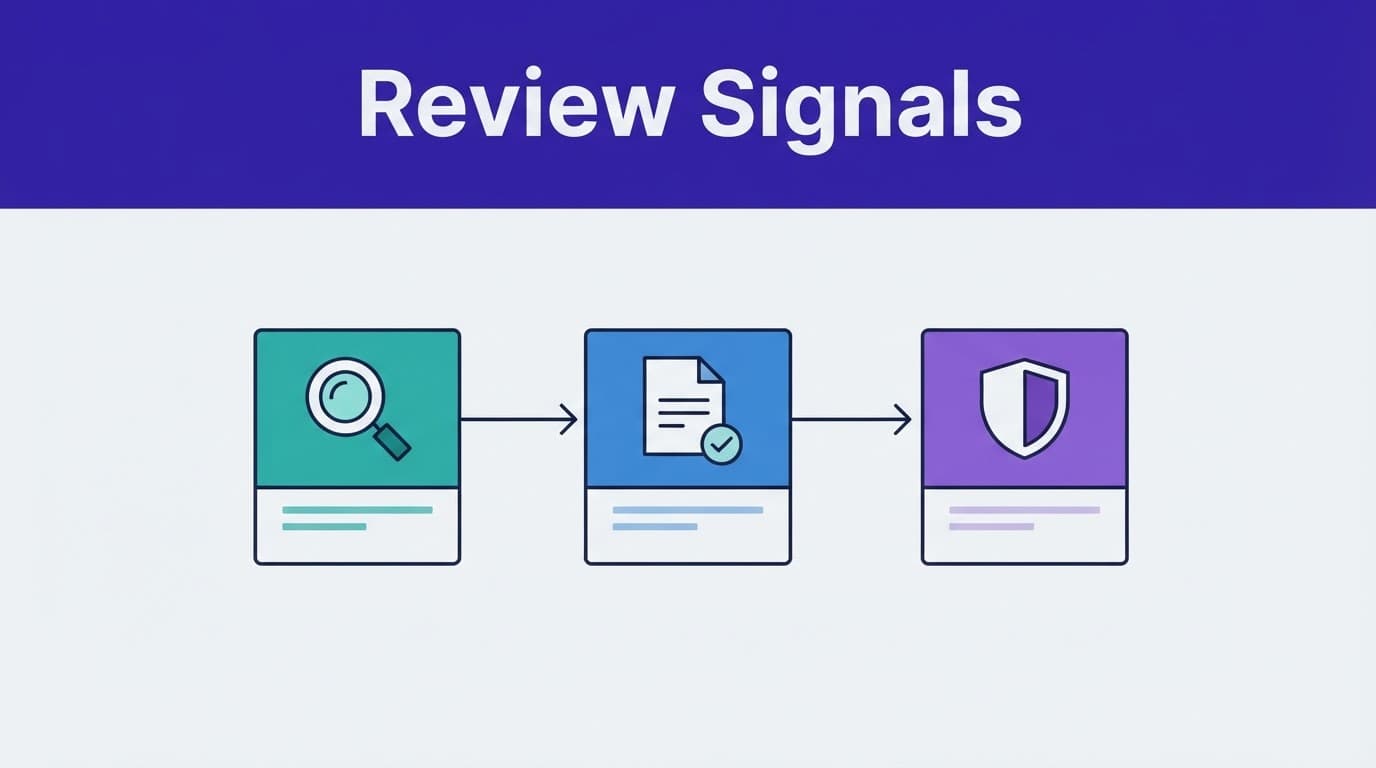
The review process must be simple enough to run every week. If it needs a meeting for every alert, staff will skip it until payout day.
Triage cases by payout risk
Start with three statuses: review, hold, and resolved. A low-value first-time alert can stay in review. A large commission due this week belongs in hold until a reviewer checks it.
Escalate a case when two or more accounts show the same pattern, when a payout is materially larger than the affiliate’s history, or when payment data and attribution data conflict. Send high-risk cases to finance and the program owner together.
Follow the same decision sequence
- Confirm the referral and commission record in Rewardful.
- Compare the alert with billing, product, support, and campaign data.
- Request a short explanation from the affiliate when the evidence is unclear.
- Approve, reject, or keep the commission on hold under your written policy.
- Record the decision before changing affiliate status or processing payment.
Don’t ask an affiliate to provide sensitive customer data. Ask for practical context instead, such as the campaign used, the relationship to the customer, or the source of the referral.
A legitimate partner should have a fair path to explain an unusual conversion. That step protects your program’s reputation.
Take action inside Rewardful with care
When evidence supports abuse, act before the commission reaches the payment batch. Rewardful gives you separate controls for a suspicious referral and a suspicious affiliate.
Resolve the referral first
For a potential self-referral, mark it “Looks Good” when the evidence supports a valid conversion. Mark it “Looks Suspicious” when the case fails your policy. You can then deactivate or permanently delete the referral.
Use deletion carefully. Deactivation preserves more operational context. Deletion may fit a confirmed fraudulent record when your retention policy allows it. Save the evidence outside the live record before either action.
Suspend affiliates only when the pattern warrants it
Rewardful lets you mark an affiliate as Suspicious. Suspicious affiliates stop tracking referrals, sales, and commissions. The platform also allows you to return the affiliate to Active after review.
Follow Rewardful’s steps for managing suspicious affiliates. Do not suspend an affiliate only because one customer shares an IP address or employer. Suspend when the evidence shows a repeat pattern, deliberate policy breach, or a material risk of improper payout.
For custom payout flows, route each due payment through a final approval queue. Rewardful’s documented payout.due webhook can trigger that internal review. It should never become an automatic payment approval.
Keep an audit trail and measure the program
Your fraud process improves when you measure decisions, not alerts. A high number of flags may mean detection works. It may also mean your rules are catching ordinary customers.
Maintain a simple decision register
Record the referral date, affiliate, commission amount, risk signals, evidence links, decision, reviewer, and payout result. Add a short reason code such as “confirmed self-referral,” “legitimate agency referral,” or “refund before payout.”
Keep rejected and approved cases. Approved exceptions train your team not to repeat the same false positive. Rejected cases support a consistent response if an affiliate appeals.
Track false positives and payout exposure
Review these numbers each month:
- Flagged referrals as a share of all conversions.
- Confirmed abuse cases as a share of reviewed cases.
- Legitimate referrals released after review.
- Commissions held, denied, and paid.
- Refunds or chargebacks tied to affiliate conversions.
- Average time from flag to final decision.
If most reviews end with approval, tighten the trigger. If fraud reaches payout before review, shorten the hold period or add a finance checkpoint.
Build a program that pays real partners fairly
Referral fraud detection works when Rewardful alerts, campaign controls, billing data, and human judgment work together. The platform can identify potential self-referrals and help you stop suspicious activity. Your team still decides what the evidence means.
Keep the process consistent, preserve the original records, and give legitimate affiliates a clear review path. Accurate decisions protect payout budgets without punishing the partners who are sending real customers.

