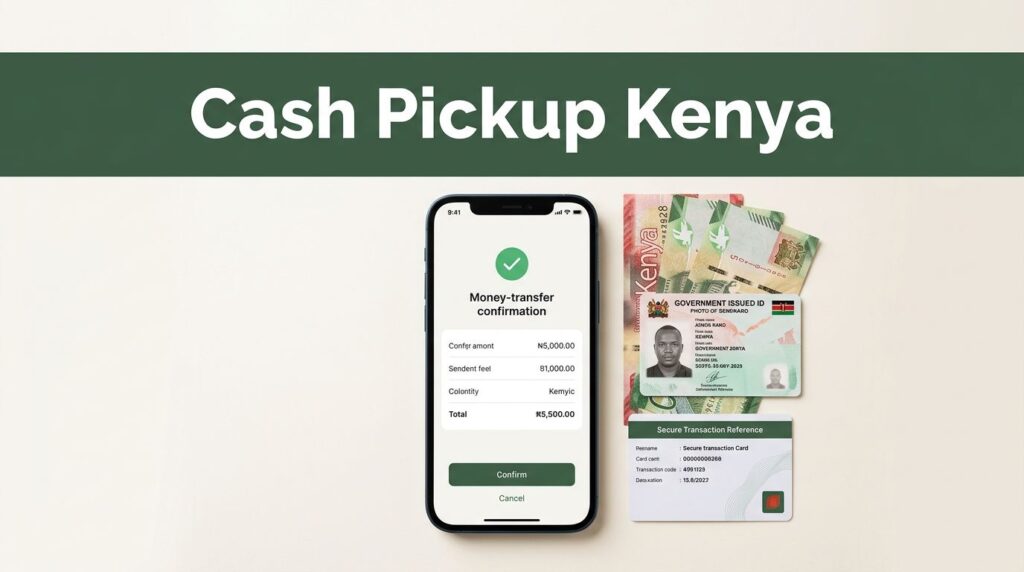
Sending money abroad requires a system that works without friction. When your family or friends need physical funds for immediate expenses, digital wallets or bank deposits don’t always solve the immediate problem. You need a straightforward process to move money across borders and make cash available quickly. Using Remitly cash pickup Peru options provides a dependable way to transfer funds for physical collection. This operational guide walks you through setting up the transfer, fulfilling local requirements, and ensuring safe delivery.
Key Takeaways
- Select the cash pickup delivery method inside your Remitly account before initiating the transaction.
- Provide your recipient with the exact reference number, transfer amount, and sender details required for collection.
- Ensure your recipient brings a valid government-issued photo ID matching the transfer name down to the exact letter.
- Avoid sending funds to unfamiliar individuals or sharing transaction reference codes on public channels.
Setting Up Your Remitly Transfer for Peru
Starting an international transfer requires exact inputs to prevent processing delays. Open your Remitly app or log into the desktop dashboard to begin a new transaction. Enter Peru as your destination country and select the local currency payout. Choose cash pickup as your delivery method from the available options.


Photo by ready made
Input your recipient’s full legal name exactly as it appears on their official identification documents. Even a minor typo in the given name or surname creates friction at the payout counter. Enter the recipient’s mobile number so they receive text notifications regarding transfer status. Review the transfer details, exchange rate, and service fees before confirming payment. Fund the transfer using your linked bank account, debit card, or credit card. Once the transaction processes, Remitly issues a unique reference number for the transfer.
Choosing Partner Locations and Pickup Details
Cash collection relies on designated partner networks rather than standalone remittance storefronts. When you select cash pickup, the platform displays available payout partners and local branches where your recipient can collect the funds. You can review network options and verify payout availability directly through Remitly’s Peru money transfer page.
Advise your recipient to check operating hours before visiting a physical branch. Many partner locations operate on standard retail or banking schedules. Remitly operates similar payout corridors across various regions, and you can review parallel procedures in guides like Remitly’s Israel to Peru transfer overview. Share the specific branch address with your recipient to prevent unnecessary travel across town.
What Your Recipient Needs for Cash Collection
Collecting physical funds requires specific documentation and transaction data. Your recipient cannot rely on verbal agreements or memory when approaching the payout counter. They must present concrete proof of identity and transaction ownership.
- Reference Number: The unique tracking code generated when you fund the transfer.
- Government-Issued Photo ID: An official document such as a passport, national ID card, or driver license.
- Sender Details: The full name of the sender and the exact expected transfer amount.
The name on the identification document must match the recipient name entered during transfer setup. Staff members at the payout location inspect these details closely before handing over any physical currency. If the names do not align perfectly, the teller will withhold the funds until the sender updates the transaction profile. For a complete look at collection safety rules, consult Remitly’s guide on safe in-person cash pickup. Instruct your recipient to count the cash before leaving the counter window.
Protecting Your Transfer From Common Risks
International remittance involves financial assets, making security a top priority for every sender. Fraudsters frequently target first-time users through social engineering tactics or urgent requests. Never send money to strangers, online acquaintances, or unverified commercial sellers you haven’t met in person.
Keep your transaction reference number confidential. Only share the tracking code directly with your intended recipient through a secure channel. If you post transfer screenshots on social media or messaging groups, malicious actors can intercept the reference details and attempt fraudulent collection. Monitor your account activity regularly and report any unauthorized transfer attempts immediately through customer support channels.
Conclusion
Executing a cash transfer to Peru doesn’t require complex financial navigation when you follow a structured operational process. Verify your recipient details, select the appropriate payout network, and secure your transaction credentials before confirming payment. Ensure your recipient brings valid identification and the exact reference code to the collection window. By maintaining disciplined security habits, you protect your funds and ensure your recipient collects the cash without avoidable delays.