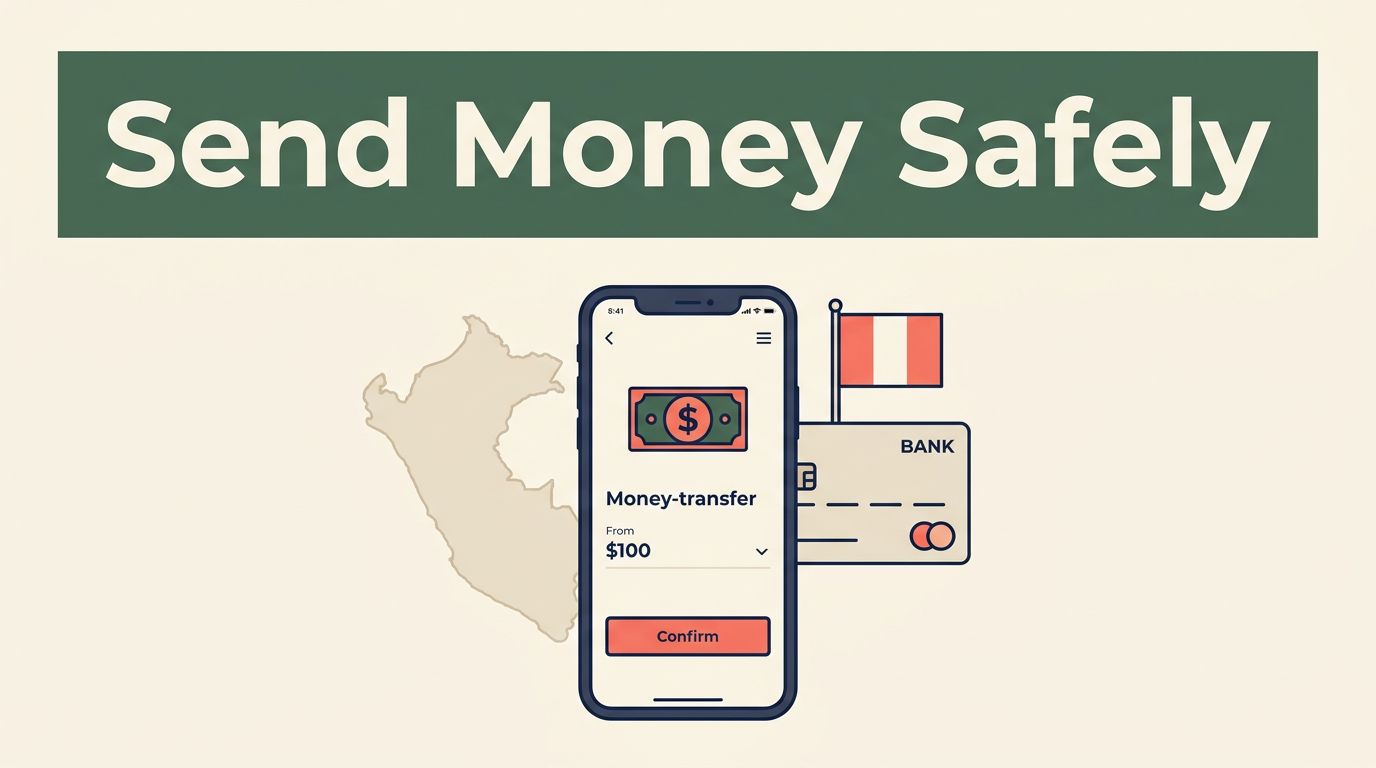
Sending money across borders to family or friends requires careful planning, especially when you want every dollar to arrive safely without unnecessary delays or hidden costs. If you need to complete a cross-border transfer, mastering the mechanics of Remitly Peru transactions protects your hard-earned funds and gives your recipient peace of mind. You navigate international transfers by understanding delivery networks, account security settings, and local banking requirements in South America.

Key Takeaways
- Choose between cash pickup and bank deposit based on your recipient’s local access to financial institutions in Peru.
- Protect your transfer profile by enabling multi-factor authentication and never sharing verification codes with third parties.
- Verify recipient identity documents carefully before initiating any transaction to prevent routing errors and failed payouts.
- Understand Remitly sending tiers and limits from the United States to manage larger capital transfers smoothly.
Evaluating Peru Delivery Methods and Payout Options
Before you fund a transfer, you need to select how your recipient will collect the money. Remitly supports several destination channels tailored to banking infrastructure in Peru. You can route funds directly to major local banks or set up physical cash collections.
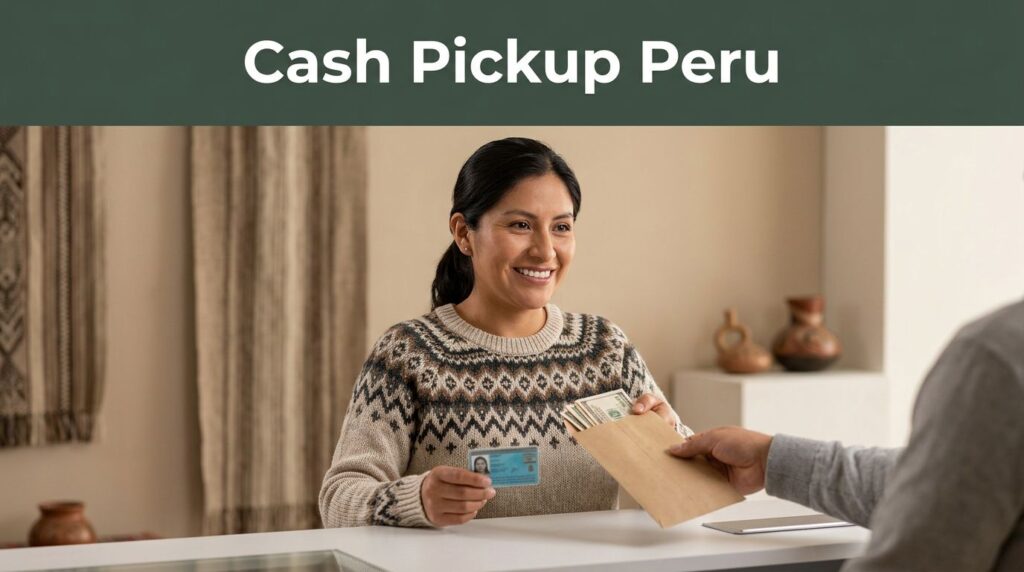
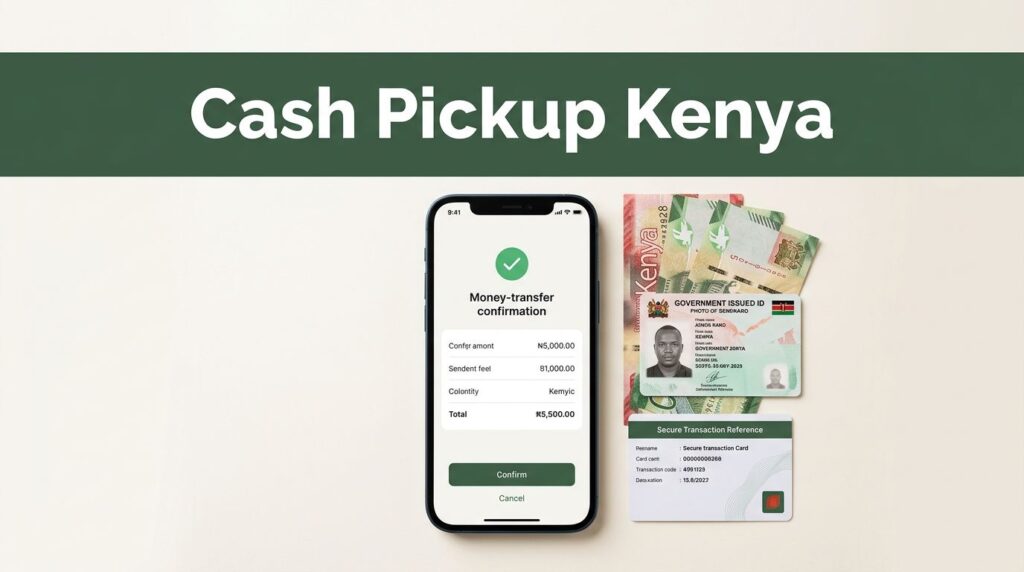
Bank deposits work well if your recipient maintains an active account with major institutions like Interbank, BanBif, Banco Azteca, Mibanco, or BBVA. This method deposits local currency or U.S. dollars directly into their account without requiring them to travel. Cash pickup is ideal if your recipient lacks traditional banking access or needs physical currency immediately. They simply visit a designated payout location with valid identification matching the name on your transfer record.
Delivery speed varies by funding source and payout method. Economy transfers use traditional bank clearing networks and take a few business days, while Express transfers route funds nearly instantly through debit or credit card payments. Review the complete breakdown on Remitly’s guide to sending money to Peru to check current availability for each payout channel.
Managing Transfer Limits and Sending Tiers
Your maximum transaction capacity depends on your account verification status and the country you send from. Customers initiating transfers from the United States encounter a maximum single-transaction limit of 100,000 USD, though your personal ceiling starts much lower until you submit verifying documentation.
Remitly organizes accounts into distinct verification tiers to comply with international anti-money laundering regulations. Initial Tier 1 accounts typically face lower thresholds, such as 2,999 USD in a 24-hour window, scaling upward through Tier 2 and Tier 3 as you provide proof of identity and source of funds. If you plan to move larger sums, consult Remitly’s international sending limits overview to verify what documentation your profile requires before you start the transaction.
| Account Tier | 24-Hour Send Limit | 30-Day Send Limit | 180-Day Send Limit |
|--------------|-------------------|-------------------|--------------------|
| Tier 1       | $2,999 USD        | $10,000 USD       | $18,000 USD        |
| Tier 2       | $6,000 USD        | $20,000 USD       | $36,000 USD        |
| Tier 3       | $10,000 USD       | $30,000 USD       | $60,000 USD        |
The table above outlines standard progressive tiers for U.S. senders. Your actual limits depend on successful document uploads and ongoing account review by compliance teams.
Implementing Strict Account Security Protocols
Security starts long before you click send. Protecting your financial accounts prevents unauthorized access and ensures your money reaches the intended destination. You must rely exclusively on official web portals or verified mobile applications downloaded directly from official app stores.
Enable multi-factor authentication on your account dashboard immediately. This adds an extra verification layer beyond your standard password, blocking unauthorized login attempts even if your credentials are compromised. Never share your temporary verification codes, PINs, or password links with anyone, including individuals claiming to represent customer support. Real support agents never ask for your login credentials over phone or chat.
Watch out for common impersonation scams. Fraudsters often pose as transfer agents or government officials demanding urgent fees or direct bank transfers outside official channels. Always review Remitly’s safety tips for Peru transfers to recognize evolving phishing tactics and protect your financial data.
Confirming Recipient Details and Local Requirements
Data entry errors cause more transfer delays than any other operational bottleneck. You must verify every character of your recipient’s full legal name, address, and banking details before submitting a payment. The name on the transfer order must match your recipient’s government-issued identification card exactly.
For cash pickups, remind your recipient to bring a valid ID, such as a DNI or passport, along with the unique transaction tracking number provided by Remitly. For bank deposits, advise your recipient to confirm their exact account number, interbank code, and currency preference with their local branch in Peru before you initiate the transfer. Small discrepancies in spelling or account routing cause transactions to stall in compliance review queues.
Conclusion
Securing your international payments requires a disciplined approach to platform settings, identity verification, and recipient data accuracy. By selecting the right delivery method and calibrating your sending tier, you eliminate common operational friction. Keep your authentication credentials private and double-check every recipient detail before authorizing funds. Take a moment to review your account security settings today and complete any pending verifications so your next transfer flows without interruption.