How I Send Money to Nigerian Bank Accounts with Remitly
I remember the call from my cousin in Lagos last month. He needed funds fast for a business supplier payment. Banks dragged their feet with high fees and slow wires. That’s when I turned to Remitly again. It got the money to his Acces...

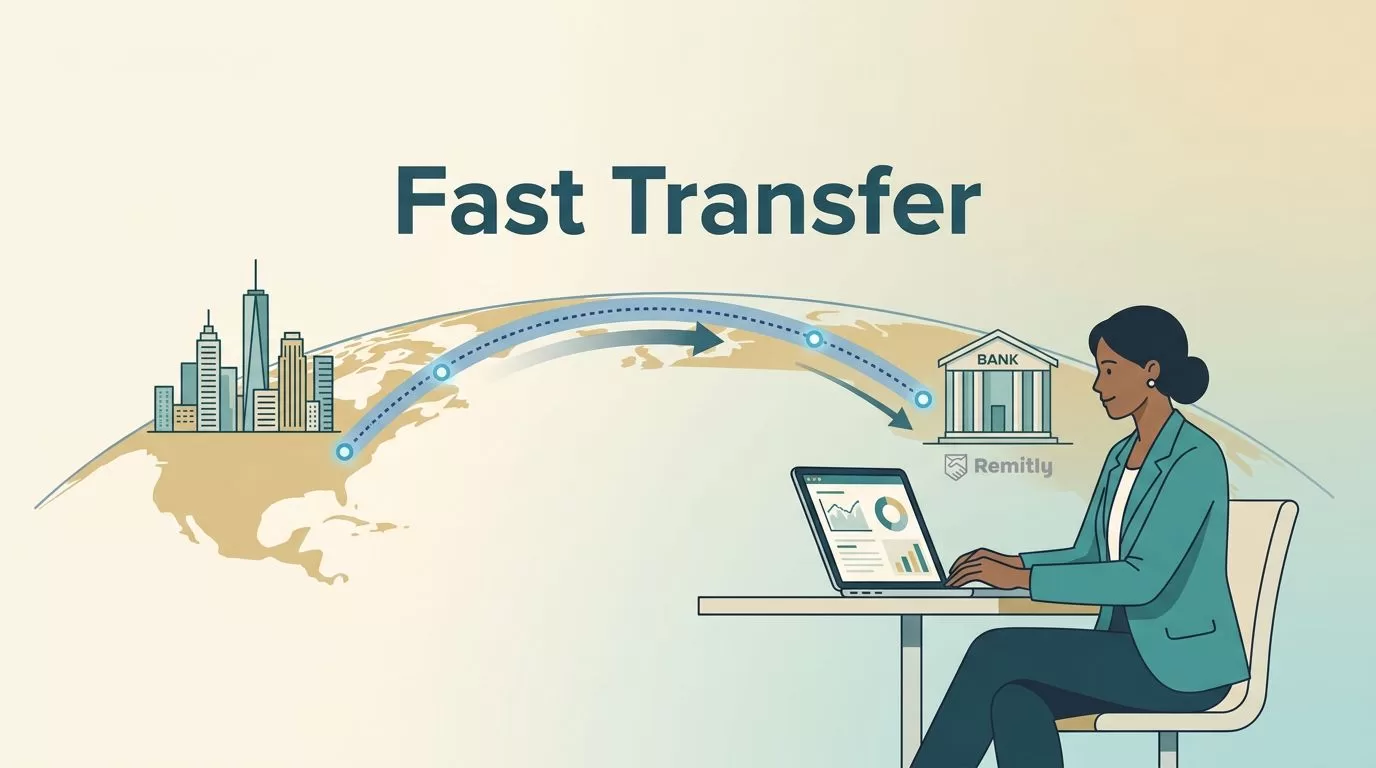
I remember the call from my cousin in Lagos last month. He needed funds fast for a business supplier payment. Banks dragged their feet with high fees and slow wires. That’s when I turned to Remitly again. It got the money to his Access Bank account in hours.
You face the same rush. Family support, vendor bills, or team payouts cross borders. Nigeria’s naira swings add stress. Remitly cuts through that. I walk you through my exact process.
This guide shares what works for me in 2026. From setup to fixes, you get steps that save time and cash.
Why Remitly Fits My Cross-Border Needs
Remitly stands out for direct bank deposits in Nigeria. I send USD from the US. It lands as naira in accounts like GT Bank or UBA. No middlemen holdups.
I pick it over banks because fees stay low. Exchange rates show upfront. Plus, options like Express speed match urgent needs. For business, that means suppliers get paid on time.
Security draws me too. Bank-level encryption protects details. I verify once, then repeat sends easily. New users get a promo rate on the first $500. That bonus helped my first transfer.
Remitly expanded stablecoin sends recently. I stick to bank deposits for reliability. It handles my regular flows without hassle.
Supported Nigerian Banks and Payout Methods
Remitly partners with major banks there. I send to First Bank, UBA, Access Bank, Fidelity, Polaris, GT Bank, MoniePoint, or even Central Bank of Nigeria. Check Remitly’s Nigeria providers page for the full list.
Bank deposit is my go-to. Funds hit the account direct. Recipients withdraw at ATMs or branches.

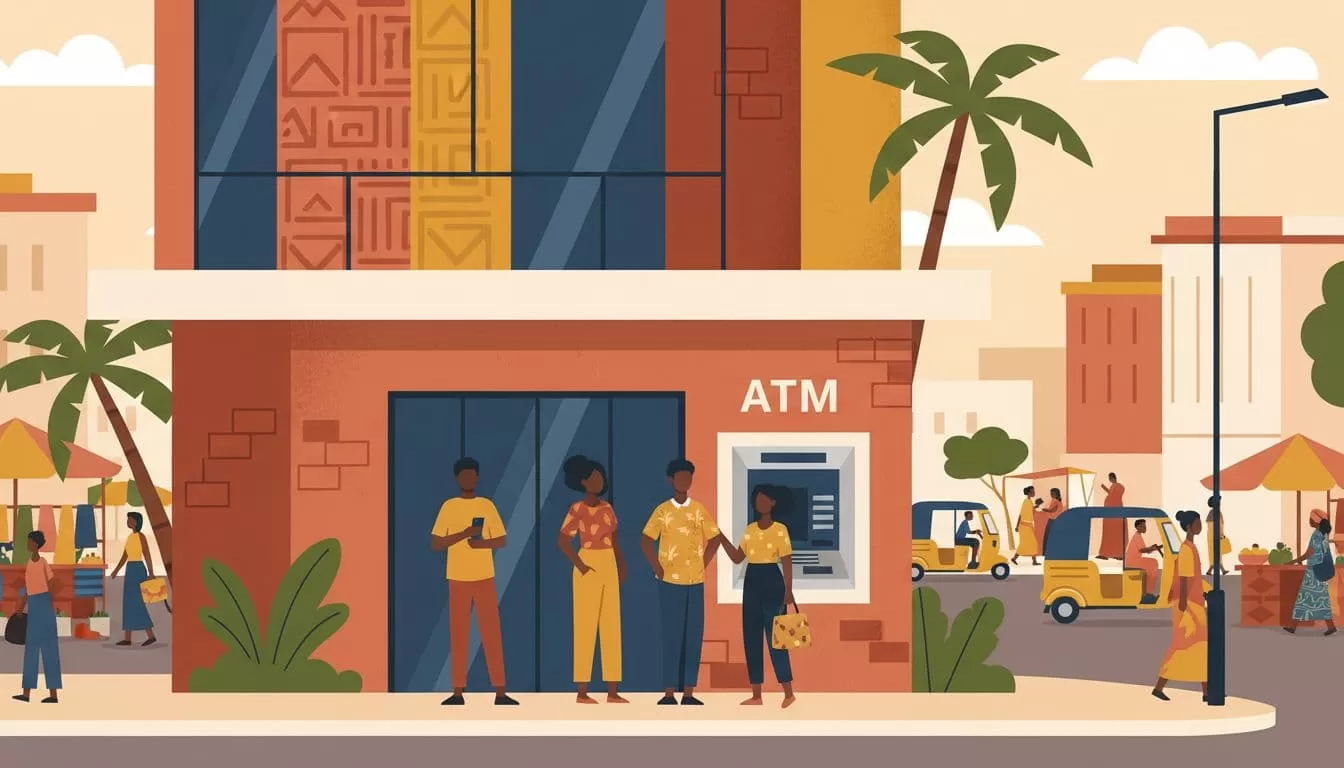
Other methods work too. Cash pickup at spots like Fidelity or Polaris suits no-bank folks. Mobile wallets add convenience. Home delivery reaches remote areas. Availability varies by location, so I confirm during setup.
For business payouts, bank deposit wins. It tracks clean in ledgers. I compare it to Wise business payments for overseas clients, but Remitly edges on Nigeria speed.
What Recipient Info I Gather First
Accuracy avoids delays. I ask for the recipient’s full name as on their ID. That matches bank records exact.
Next, their phone number and address from the ID. For bank sends, I need the account number and bank name. No routing numbers; Nigerian accounts use 10-digit numbers.
I double-check details over voice call. Typos bounce funds back. Remitly flags mismatches early.
Large amounts trigger extra docs. I scan IDs or proofs upfront. It speeds approval.
Payment side is simple for me. Debit card, credit, or bank account works. I fund from my US Chase account most times.
Step-by-Step Guide to a Remitly Nigeria Transfer
I start on the app or site. Both mirror each other. App feels quicker for mobile checks.
First, sign up with email. Verify identity once. I upload driver’s license that day.
Enter USD amount. Say $200. Pick Nigeria, then bank deposit.
Choose speed: Economy saves fees, Express rushes it.
Add recipient details. Full name, phone, address, account number, bank.
Review fee and rate. Pay with card or account.
Confirm. Get tracking link.
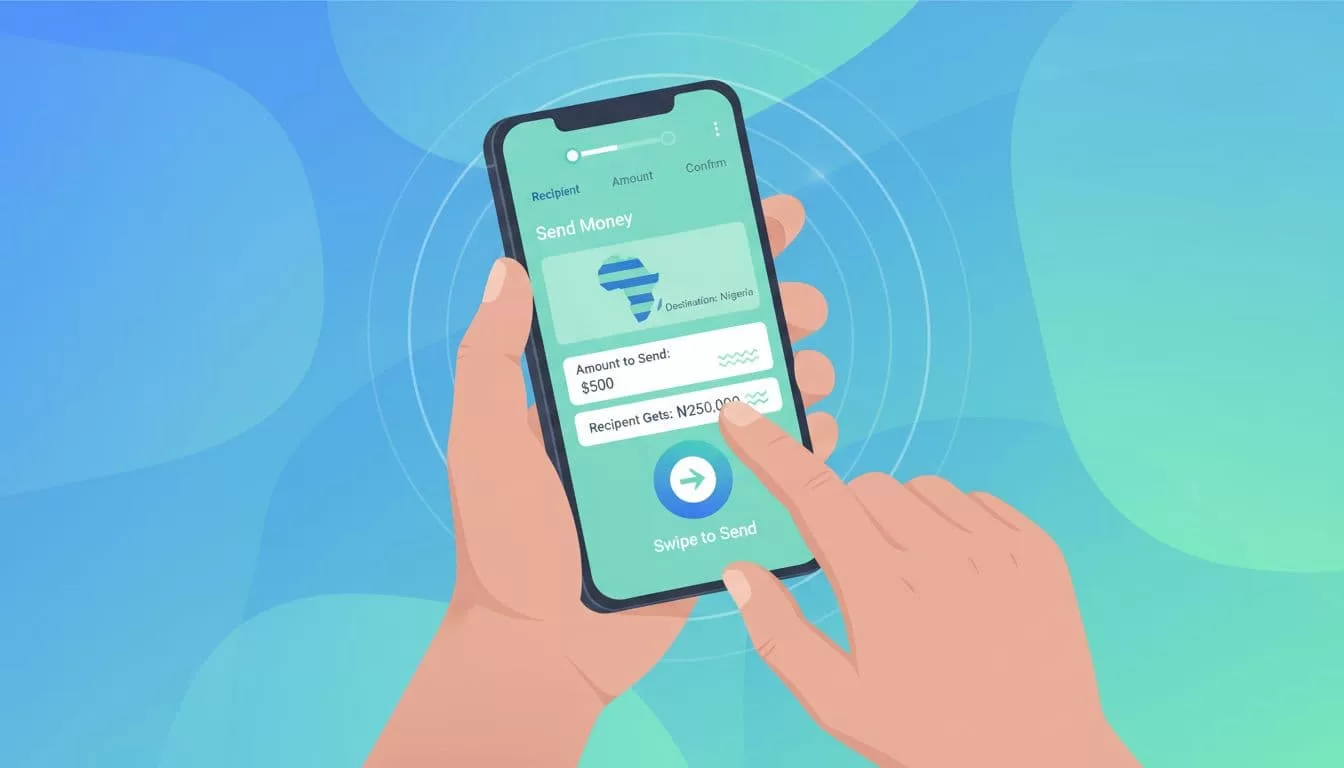
App users tap notifications for status. Web shows dashboard updates. I share the link with recipients. They track too.
Whole process takes minutes. I test small first for new banks.
Remitly Fees and Exchange Rates for Nigeria Transfers
Fees depend on amount, method, speed. For $200 Economy bank debit, I paid $1.99 last time. Express jumped to $3.99.
Exchange uses mid-market base. Remitly adds a small markup. You see naira total before pay.
Here’s how options stack:
| Speed | Fee Range (USD) | Delivery Time |
|---|---|---|
| Economy | $0 – $2.99 | 3-5 business days |
| Express | $1.99 – $3.99 | Hours to 1 day |

Data pulls from my sends and Remitly’s send money to Nigeria blog. Card pays cost more than debit. Bank accounts cheapest.
Rates beat wires. I check live before send. Volatility hits naira, but preview locks it.
Promo for newbies boosts first transfer. I saved 20% on rate.
Delivery Times and Transfer Limits
Economy hits in 3-5 days. Safe for non-urgent. Express often same-day to banks like Access or GT.
Limits start low for new accounts. $2,500 daily max grows with verification. I hit $10,000 after docs.
Business volumes need checks. Remitly flags big sends for review. I plan ahead.
Track via app. Delays rare, but holidays slow banks.
Compare to wires: Weeks and $40 fees. Remitly wins.
Common Troubleshooting I Handle
Failed transfers sting. Bank details wrong top the list. I verify account numbers twice.
Identity verification stalls new users. Upload clear ID photos. Wait 24 hours max.
Funds stuck? Contact support chat. They resolve most in hours.
Naira rate shifts mid-process? No, lock-in happens at confirm.
Reversals cost extra. Cancel before pay if needed.
For errors, see banks accepting Remitly in Nigeria. It lists Zenith too.
I log every send. Notes catch patterns.
When fees surprise, I peek at Wise business fees breakdown. Cross-check keeps costs down.
Conclusion
Remitly makes Nigeria bank transfers reliable for me. Direct deposits to UBA or GT Bank arrive fast. Fees stay transparent, speeds fit needs.
Pick bank details right, verify upfront, track close. That avoids pitfalls.
Next send, test the app flow. Your family or vendors thank you.

