Rewardful Affiliate Marketing Asset Distribution
Affiliates don’t need more folders, old logo files, or vague instructions. They need the right link, offer, and message when they are ready to publish. A working Rewardful affiliate marketing program gives partners one reliable place...
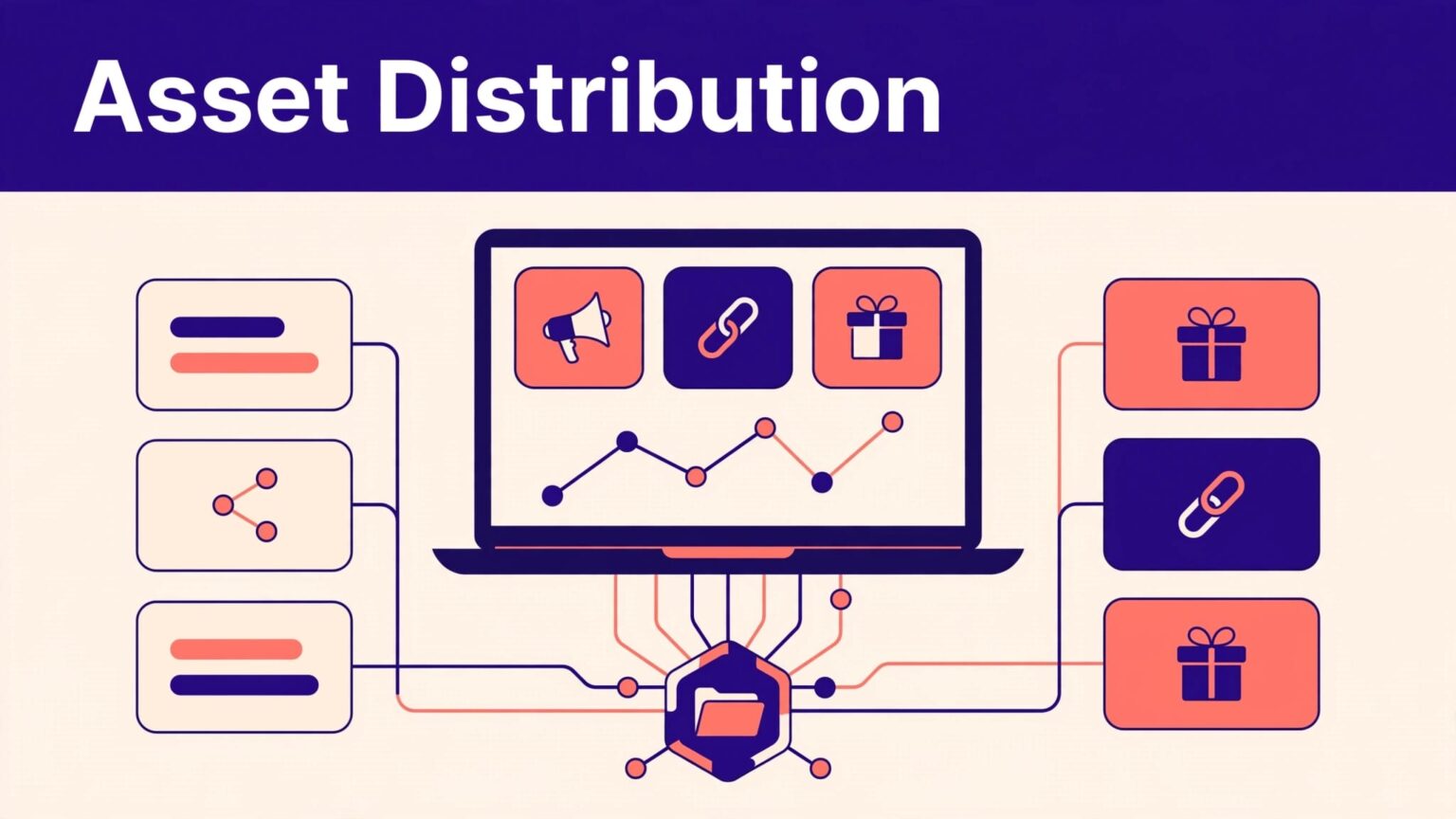
Affiliates don’t need more folders, old logo files, or vague instructions. They need the right link, offer, and message when they are ready to publish.
A working Rewardful affiliate marketing program gives partners one reliable place to find promotional materials. It also gives your team a fixed process for replacing offers, checking attribution, and measuring what produces paid customers.
Start by treating asset distribution as an operating system, not a one-time launch task.
SET UP REWARDFUL AFFILIATE MARKETING AS A SYSTEM
Rewardful campaigns control more than commission rates. They set the rules affiliates promote under, including referral methods, campaign coupons, commission limits, payout timing, and minimum payout thresholds.
Before you upload a banner or send an invite, decide what each campaign is meant to sell.
Define one promotion job per campaign
A broad “promote our SaaS” campaign creates weak placements. Give each campaign a clear job instead.
For example, a product-led SaaS company might separate its standard affiliate offer from a partner offer for annual plans or an onboarding promotion. The partner then knows which landing page, price point, and message applies.
Use the Rewardful campaign settings overview as your control record. Check the campaign text, commission rule, referral link availability, and coupon setup before distribution starts.
Write rules affiliates can use
Your terms should answer the questions partners ask before they create content:
- State the commission rate and whether it applies to collected revenue after discounts.
- Explain whether commissions recur and when they stop.
- List the traffic methods you allow, such as editorial content, newsletters, paid search, or coupon sites.
- Explain what can void a commission, including refunds, self-referrals, fraud, or unpaid invoices.
- Set a review and payout expectation that matches your real billing process.
Don’t bury this information in a legal document. Put a short version in the affiliate-facing campaign text and keep the full policy linked from your asset pack.
A partner can’t price your offer into their content if they don’t know when a commission is earned, approved, or reversed.
BUILD AN ASSET LIBRARY AFFILIATES WILL OPEN
Your asset library should remove common partner delays. If an affiliate has to ask for a logo, a current feature screenshot, or a link to the pricing page, the program has already created extra work.
Rewardful’s Assets Library is built for sharing logos, PDFs, links, and promotional copy in one place. Keep the material short, current, and tied to a real campaign.
Start with the assets that drive publishing
A complete first release does not need 40 banners. It needs useful material that fits where affiliates already publish.
Include your current logo files, a short brand-use guide, product screenshots, a one-page product overview, approved descriptions, and core landing-page links. Add copy blocks for a newsletter, review article, social post, and product comparison.
Each item needs a clear name. “Logo-final-new.png” creates mistakes. “Company-logo-dark-background-2026.png” gives the affiliate a usable answer.
Keep campaign-specific materials separate from permanent brand materials. A seasonal discount should not sit beside your evergreen product copy without a visible expiration date.
Keep the source of truth inside the program
Don’t send a Google Drive folder in one email, then add files to another workspace later. Partners will use whatever they can find first, even if it is expired.
Put the active version in Rewardful. Archive old offers outside the affiliate-facing library. When a message, image, or landing page changes, replace it in the central location and notify affected partners.
Rewardful’s interface and plan features can change. Check its product updates before you redesign your workflow around a new library or portal option.
MATCH LINKS AND COUPONS TO THE PARTNER’S CHANNEL
A creator writing a product review needs a tracked product link. A podcast host may need a short coupon code. A B2B partner sending a private buyer list may need both.
Rewardful affiliate marketing works better when you match the asset to the channel instead of forcing every partner into the same promotion method.
Give every partner a clear destination
Affiliates should know which page each link is meant to support. A homepage link is not always the right choice.
Map the promotion to a destination:
| Partner content | Best destination |
|---|---|
| Product review | Product or comparison page |
| Tutorial video | Feature page or trial signup |
| Newsletter mention | Focused campaign landing page |
| Pricing discussion | Pricing page with current terms |
| Coupon-focused promotion | Offer page with the active code |
Test each destination on mobile before sharing it. Confirm the page loads, the offer is still valid, and the signup path matches the affiliate’s claim.
A link that produces clicks but weak paid conversions usually points to a bad page match, a confusing offer, or friction at checkout.
Use coupon tracking with fixed rules
Rewardful supports affiliate coupon tracking, which gives affiliates a promotion method when link-based attribution is not practical. This is useful for podcasts, live demos, communities, and offline conversations.
Do not create coupon codes without an owner, expiry date, discount rule, and campaign assignment. A code that remains active after the promotion ends can create support tickets and disputed commissions.
Campaign coupon options can vary. Rewardful documentation notes that campaign configuration can show an associated coupon, while more complex multiple-coupon setups can require additional campaigns and a higher plan. Review your account before promising custom coupon structures to every partner.
GIVE AFFILIATES A SHORT LAUNCH PATH
A new affiliate should be able to join, find the active offer, choose a link or code, and publish within one working session. Long onboarding emails slow this down.
Use the affiliate portal or affiliate dashboard wording that appears in your account. Rewardful uses both terms across its materials, and labels can change after product updates.
Send a practical welcome message
Your welcome message should point partners to the assets, explain the top promotion angle, and state the next action.
Keep it direct:
“Your referral link and campaign details are available in your affiliate dashboard. Start with the product overview and review copy. Use the pricing page for buyers comparing plans. Contact us before running paid promotions or publishing a coupon.”
Add a short launch sequence for approved partners. Send the initial message, a reminder after a few days, then one update when a new offer or useful asset becomes available. Don’t send weekly messages with no clear publishing reason.
Give top partners a campaign brief
High-potential affiliates need more than generic copy. Give them a one-page brief with the customer problem, best-fit audience, proof points you can support, campaign dates, landing-page URL, and restricted claims.
Do not ask partners to invent results, customer stories, or feature claims. They will either skip the promotion or publish something your team has to correct.
If product, finance, and partner teams all own part of the program, assign one operating owner. Use a shared approval process for asset changes, campaign terms, and affiliate exceptions. If you need help setting that process, Book A Call.
TEST ATTRIBUTION BEFORE YOU SCALE DISTRIBUTION
A polished asset library cannot repair a broken referral path. Test the full buyer journey before you recruit more affiliates or pay for partner placements.
Run controlled checks whenever you change checkout, billing, coupons, campaign settings, or your website domain.
Test the same path a buyer uses
Open an affiliate referral link in a clean browser session. Visit the intended landing page, begin signup, and complete a controlled purchase where your payment setup allows it.
Then check the records that matter:
- Confirm the referral is assigned to the intended affiliate.
- Verify the customer and paid invoice appear in your billing system.
- Check that the commission amount matches the money collected.
- Test a coupon-only path if you allow promotion-code attribution.
- Process a refund or cancellation test when possible, then confirm the adjustment path.
Don’t calculate commissions from list price if a discount, account credit, or coupon reduced the amount paid. Your billing record is the financial proof point.
Rewardful also supports double-sided incentives, where the referred customer receives a discount and the affiliate earns a reward. Review its coupon setup guidance for referred customers before you publish those offers.
Create an exception record
When tracking looks wrong, do not send support a message that says, “The commission is missing.”
Record the affiliate, campaign, content URL, referral link or coupon, customer email or billing ID where appropriate, transaction date, invoice amount, and the expected result. Add screenshots and the exact date range you checked.
This record separates a technical issue from a cancelled payment, expired attribution period, invalid coupon, or program-rule exception.
MEASURE PAID RESULTS, NOT ASSET DOWNLOADS
Asset downloads show that partners found the library. Clicks show that people noticed an offer. Neither proves the program is creating durable revenue.
Keep pending, approved, reversed, and paid commissions in separate fields. Your account labels may differ, so use the terms visible in Rewardful and map them to one internal reporting standard.
Build a fixed affiliate performance record
Create one row for each affiliate, campaign, promotion source, and reporting period. Include referral clicks, referred customers, pending commissions, approved commissions, reversals, payout status, and collected revenue.
Use this operating formula:
Net affiliate earnings = approved percentage commissions + approved fixed commissions – reversals
Do not overwrite the original value when a refund reverses a commission. Add an adjustment row with the date, amount, reason, and source record. You need that history when an affiliate asks why a payout changed.
Compare partners using approved value
Raw traffic can hide weak commercial intent. Sort partners by approved commissions per referral click, retained referred revenue, refund rate, and review time.
Use the same reporting window for clicks and approved commissions. A partner who sends fewer clicks may still produce more valuable customers and fewer reversals.
Review weak patterns before expanding distribution. Check the destination page, offer clarity, customer fit, and checkout experience. More affiliate traffic will not fix an offer that fails after the click.
FINAL THOUGHTS
Rewardful affiliate marketing performs better when partners can find current assets and understand the exact rules behind each offer. The library, campaign setup, referral method, and reporting process need to agree.
Keep one source of truth. Test the buyer path after every material change. Measure approved commissions and retained customers, not clicks or pending balances.
A partner program becomes easier to scale when every link, coupon, asset, and payout can be traced back to a clear campaign rule.
