Join an RV Rental Affiliate Program With Travelpayouts
A road-trip guide can send readers to a booking page, but it earns nothing until the offer, link, and audience match. A focused RV rental affiliate program gives travel publishers a way to refer readers who are already planning a trip. Trav...

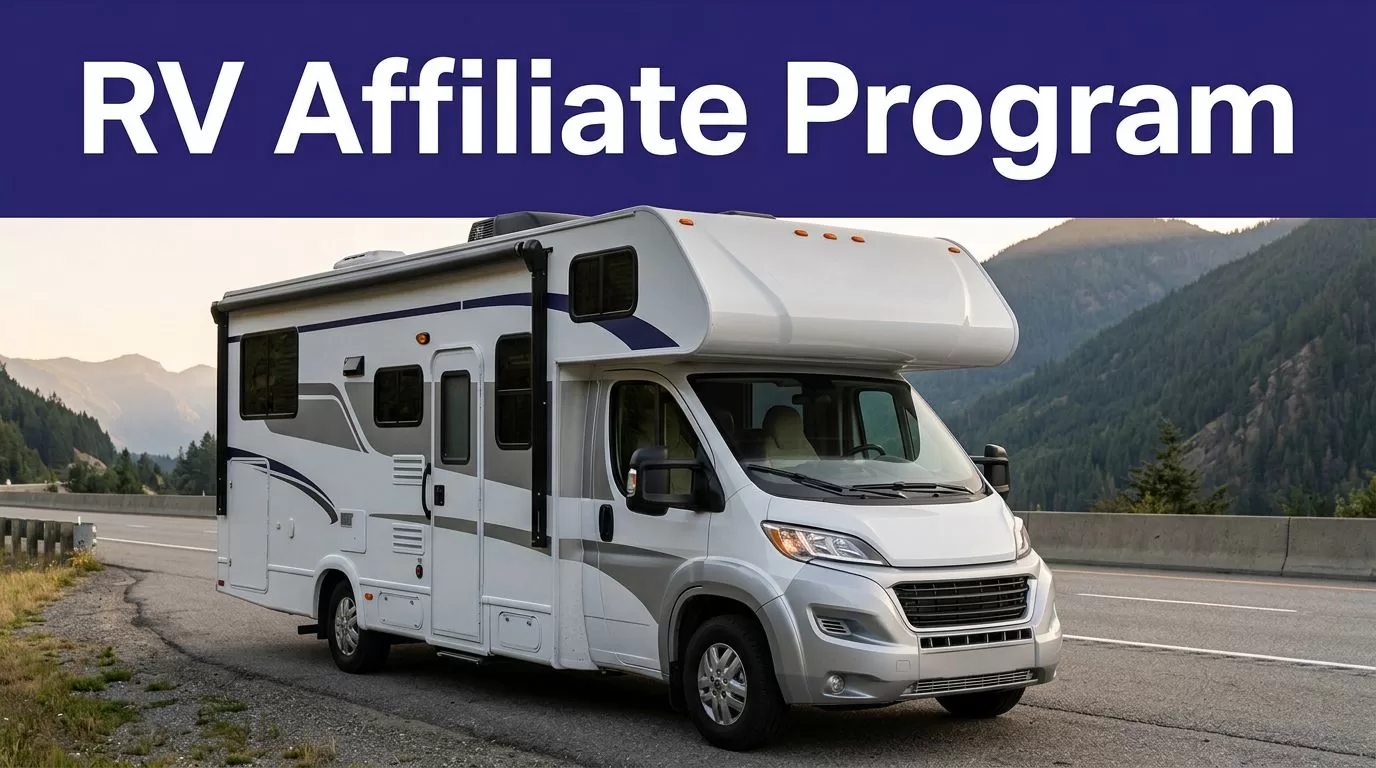
A road-trip guide can send readers to a booking page, but it earns nothing until the offer, link, and audience match. A focused RV rental affiliate program gives travel publishers a way to refer readers who are already planning a trip.
Travelpayouts can help you access travel partner offers from one dashboard. You still need useful content, accurate disclosures, and a process for checking every program rule before you publish.
How an RV rental affiliate program works with Travelpayouts
Travelpayouts is a travel affiliate partnership platform. It connects publishers with travel brands and provides tools for tracking links and commission activity. Its platform overview explains the basic model.
An RV rental affiliate program is a referral arrangement. You publish a tracked partner link. A reader clicks through, completes a qualifying action, and the advertiser decides whether that transaction earns a commission.
RVshare is a confirmed RV rental offer
Travelpayouts publishes an RVshare affiliate program page for publishers with US travel content. The program requires advertiser pre-approval.
The published offer lists a 6.5% commission on completed bookings after check-in. It also lists $12 for a new RV listing. Check the live offer before quoting either figure. Advertisers can change commission rules, traffic conditions, and qualifying actions.
The page also states that desktop and mobile-site bookings can qualify. That doesn’t mean every booking will earn. Cancellations, invalid traffic, missing attribution, and program rules can affect the final result.
Campervan offers may fit a different audience
Travelpayouts also promotes a PaulCamper affiliate offer. This may fit creators with European campervan, outdoor, or regional road-trip content.
Don’t treat one advertiser’s terms as platform-wide rules. PaulCamper’s published materials mention a 30-day cookie period. That cookie duration does not automatically apply to RVshare or another rental offer.
Set up your Travelpayouts publisher account
Start with a real publishing property. This can be a travel blog, YouTube channel, newsletter, destination guide, or established social account. Travelpayouts expects you to show where and how you will promote travel brands.
Follow the current program connection instructions inside your account.
Create a complete project profile
Use a business email address you control. Add your website or primary channel. Describe the audience, main regions, traffic sources, and content topics accurately.
A US road-trip blog should not present itself as a global campervan comparison site. A newsletter with no public archive should explain its subscriber audience and travel focus. Clear information makes manual review easier.
Connect to the offer step by step
- Create your Travelpayouts publisher account through the official platform.
- Add your website, channel, or project to the dashboard.
- Complete the publisher details requested for your account.
- Find the target offer in the program or brand directory.
- Open the program card, select “Details,” then choose “Connect to program.”
- Wait for approval when the advertiser requires it, then access the available partner tools and links.
RVshare requires manual approval. Do not publish a generic RVshare link and assume it is tracked through your account.
Before expecting a payout, complete the payment information requested in the dashboard. Review the current payment method, currency, tax details, payout threshold, and payment schedule shown for your account.
Check the offer rules before you add links
A tracked URL is not a blank check to promote an advertiser anywhere. Each program can set its own qualifying transaction, commission basis, traffic permissions, and attribution rules.
Travelpayouts’ affiliate network terms state that advertiser programs define their own compensable transactions. Read the terms linked to the actual offer, not only the platform terms.
Confirm what earns a commission
Check the program page for the action that counts. An advertiser may pay after a completed rental, after check-in, after a listing, or under another stated condition.
Record these details before launch:
- The offer name and country restrictions.
- The qualifying transaction and stated commission basis.
- Whether manual approval is required.
- Allowed and restricted promotion methods.
- The current tracking, cookie, cancellation, and validation rules.
Don’t use a rate from an old article, screenshot, or another affiliate network. Use the live offer terms available to your account.
Keep program evidence in one place
Save the program URL, terms capture date, partner-link creation date, and the page where you placed the link. Add a last-reviewed date.
This record matters when an editor asks why a link changed or a reported commission does not match expectations. It also stops your team from using a stale offer after the advertiser changes its rules.
A published partner link proves nothing about attribution. The active offer terms and dashboard record control the result.
Create and test the right tracking links
Generate the link inside your approved account. Copy it exactly. Avoid editing destination parameters, shortening the URL through an unapproved service, or routing it through a tool that could remove attribution.
Use a clear internal naming system. A link in an Arizona road-trip guide should be distinguishable from a link in a family vacation newsletter.
Test the reader path before publishing
Open the link in a private browser window. Confirm that it loads the expected advertiser page and that the landing page matches your recommendation.
Check the mobile version too. RV readers often research routes, campgrounds, and rental options from a phone.
Do not create fake reservations to test attribution. A landing-page test checks the basic path. It does not prove a future booking will qualify for commission.
Track link placement, not only link creation
Keep a simple record for every placement. Include the content URL, channel, program, link version, publish date, and editorial owner.
A link can work technically but sit in the wrong article. A guide about airport transfers is unlikely to convert like a guide comparing RV types for a week-long national-park trip.
Publish content that helps RV travelers decide
Readers don’t need another page that says “rent an RV here.” They need help deciding where to go, what vehicle fits their group, and when a rental makes sense.
Build content around decisions that happen before a booking.
Focus on high-intent travel pages
Useful pages include:
- A guide to RV rentals for a Yellowstone, Utah, Florida, or California road trip.
- A comparison of Class A, Class B, Class C, trailer, and campervan trip needs.
- A family road-trip planning guide with sleep, storage, driving, and campsite considerations.
- A first-time renter checklist that covers pickup timing, route planning, and questions to ask the owner or rental platform.
Place a partner link after relevant advice. A reader who has chosen a route and vehicle type is closer to booking than a reader browsing general van-life photos.
Match promotion channels to the content
A blog post can rank for destination and rental questions. A YouTube video can show the vehicle-size tradeoffs that photos hide. A newsletter can send a seasonal road-trip guide to readers who already trust your recommendations.
Social posts work best when they lead to useful owned content or a clear booking page. Check the advertiser’s rules before using paid ads, coupon pages, email campaigns, browser extensions, or link redirects.
Don’t promise the lowest price, guaranteed availability, or a specific vehicle. Inventory and rental terms change by location, date, owner, and traveler profile.
Add clear affiliate disclosures and honest claims
Affiliate disclosures are part of the publishing workflow. Put them where readers can see them before they act on your recommendation.
The US Federal Trade Commission’s disclosure guidance for influencers says disclosures should be clear and easy to notice. A disclosure hidden in a footer or profile page is weak.
Use plain language near the recommendation
Use direct wording such as: “This page contains affiliate links. I may earn a commission if you book through them.”
Put that statement near the first relevant link. Repeat it in a video description, newsletter, or social post when the affiliate relationship appears there.
Disclosure requirements can differ by audience location and channel. Check the laws that apply to your business and readers.
Keep editorial claims separate from commissions
Write about the actual trip problem. State why a compact campervan may suit two people or why a larger RV may help a family. Don’t let a commission rate decide the recommendation.
Review program restrictions before naming prices, cancellation policies, insurance coverage, or availability. If you cannot confirm a claim on the live advertiser page, remove it.
Measure confirmed results, not clicks
Clicks show interest. They do not show revenue. A good RV rental affiliate program needs a reporting process that separates traffic activity from approved earnings.
Travelpayouts provides dashboard reporting for implemented promotional tools and commissions. Compare that data against your own analytics, content records, and current offer terms.
Maintain a simple affiliate operating log
| Record | What to track |
|---|---|
| Content placement | Page URL, channel, publish date, and editor |
| Offer record | Program name, terms URL, and review date |
| Link record | Partner-link version and destination |
| Performance record | Clicks, reported transactions, status, and commission |
| Review record | Issues found, changes made, and next review date |
Review the log monthly. Check broken links, outdated claims, changed offers, and pages that bring traffic but no qualified action.
Start with a small approved batch
Launch three to five relevant pieces first. Use a mix of destination guides, rental-planning content, and one owned channel such as email or YouTube.
Measure the work your team can verify. Look at qualified transactions, approved commissions, correction time, and content that produces useful reader behavior.
A hundred clicks with no qualified bookings may point to weak intent, poor content fit, broken tracking, or a poor audience match. Don’t add more links until you can identify the problem.
If your team needs a documented link-review and reporting process across several properties, Book A Call.
Build an RV affiliate channel you can trust
Travelpayouts gives travel publishers a practical route into RV and campervan partner offers. Approval, tracking, commission rules, and payout conditions still sit with each advertiser and your current account terms.
The strongest RV rental affiliate program process is simple. Publish useful travel content, connect approved links, disclose the relationship, save the terms, and review results against confirmed commissions.
Earnings are never guaranteed. Accurate information and controlled promotion protect both your readers and your publishing business.

