Transferring money across international borders demands a strict focus on security and precision. When you need to send money Honduras transactions require clear planning to protect your hard-earned funds and ensure they reach your family or friends without unnecessary delays. Remitly provides a reliable digital remittance infrastructure, but protecting your transfer depends on following rigorous operational protocols from start to finish. You need to understand how account protection works, which delivery methods fit your recipient best, and how to spot common digital threats before you tap confirm.
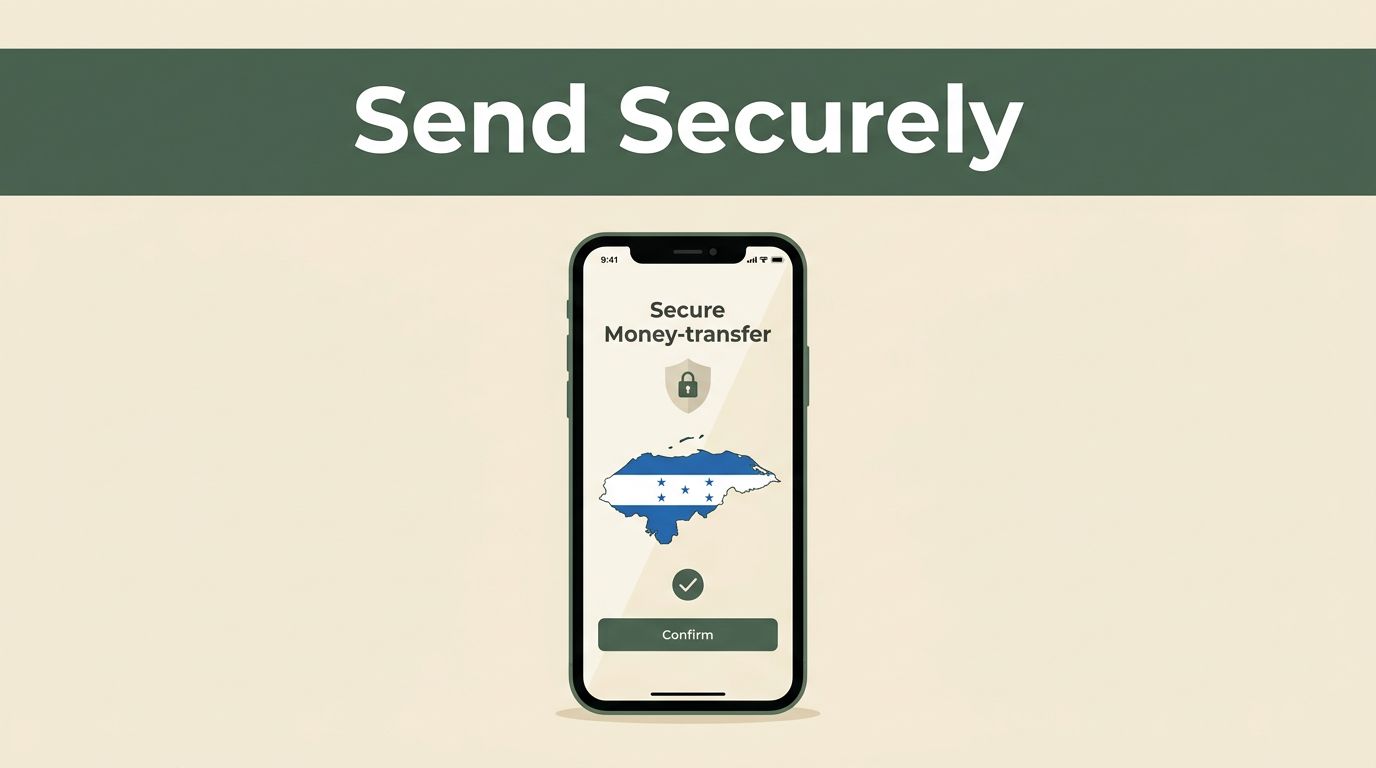
Account protection starts long before you initiate a transfer. You must secure your digital footprint using strong, unique passwords and enabled two-factor authentication across your email and banking portals. Remitly utilizes robust security standards like 256-bit encryption to protect data in transit, but your personal account security remains your primary responsibility. Never share your password or verification codes with anyone, and verify that you are interacting with legitimate platforms by checking the browser address bar for proper protocols. For a deeper understanding of how the platform safeguards transactions, review Remitly’s guidance on account safety.
Key Takeaways
- Deploy multi-factor authentication and strong, unique passwords to protect your remittance accounts from unauthorized access.
- Select the appropriate delivery method, such as bank deposit, cash pickup, or mobile wallet, based on your recipient’s local infrastructure.
- Verify every detail of the recipient’s legal name and identification documents before submitting the final transfer.
- Review all final transaction summaries, fees, and exchange rates before confirming payment execution.
Choosing the Right Delivery Method for Your Recipient

Remitly offers several payout channels tailored to the financial landscape in Central America. Selecting the correct payout option ensures the recipient accesses the funds quickly without administrative friction at the local institution. You can choose between direct bank deposits, cash pickup locations, and mobile wallet transfers depending on what is available locally.
Bank deposits require exact account details to prevent routing errors. You must input the recipient’s legal name, bank name, branch details, and account number with absolute accuracy. Spelling mistakes in the bank name or transposed account digits will stall the transaction and trigger mandatory compliance reviews. If you are sending funds directly to major regional institutions like Banco Ficohsa, double-check every numerical entry before moving to the next screen.
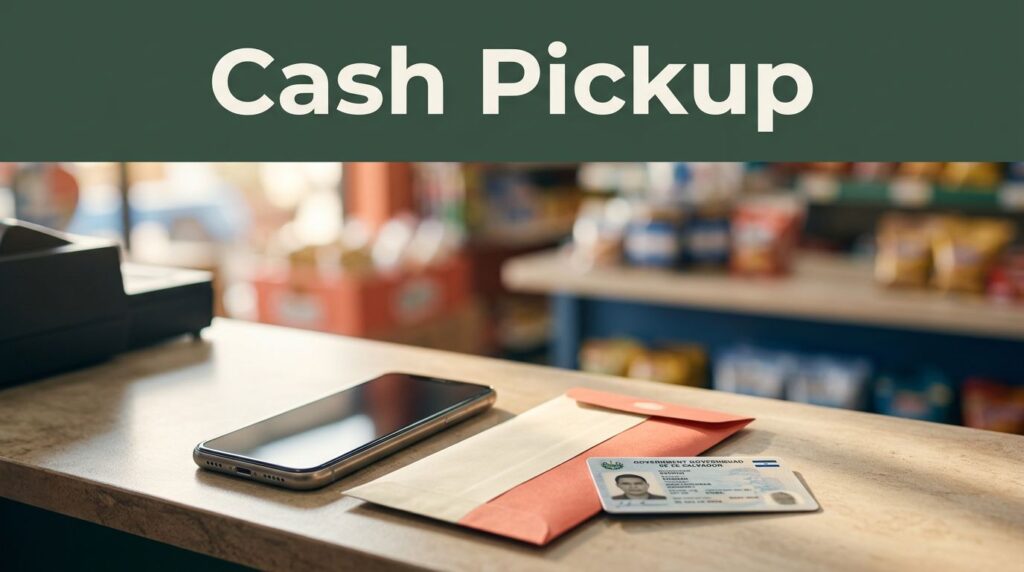
Cash pickup provides an alternative for recipients who do not maintain active traditional bank accounts. When you select cash pickup, the recipient visits a designated local payout partner to collect the physical cash. You must provide the exact legal name matching the recipient’s government-issued identification card. Even a minor discrepancy between your entry and their physical ID will cause the payout agent to withhold the funds.
Verifying Recipient Information and Preventing Fraud
Fraud prevention relies on strict identity verification protocols. You should never send funds to anyone whose identity you cannot independently verify through trusted communication channels. Scammers often manufacture urgent scenarios or claim unexpected emergencies to pressure senders into skipping routine security checks. If a request feels rushed or involves secrecy, pause the process and confirm the situation through a separate, trusted communication method.
Official platforms will never ask for your password, full Social Security number, or banking credentials through random email messages or unsolicited phone calls. Remitly may occasionally request identification documents to comply with international financial regulations, but these requests are handled exclusively through secure in-app channels. Guard your reference numbers closely and share them only with the intended recipient via private, encrypted messaging tools.
Never share your transaction reference number on public forums or social media channels. Treat payout numbers like cash credentials to prevent unauthorized third parties from intercepting your cash pickup transfers.
When your recipient arrives at a local payout location for cash collection, they must present a valid government-issued photo ID along with the unique transaction reference number. Remitly outlines specific documentation requirements for international transactions to maintain regulatory compliance across borders. Ensure your recipient knows the exact payout location address and operating hours before they travel to collect the funds.
Executing Your Transfer Step by Step
Once you establish your account security and verify recipient details, executing the transfer requires a methodical approach. Download the official application or access the platform through verified web portals. For official onboarding steps and platform features, visit the Remitly main portal.
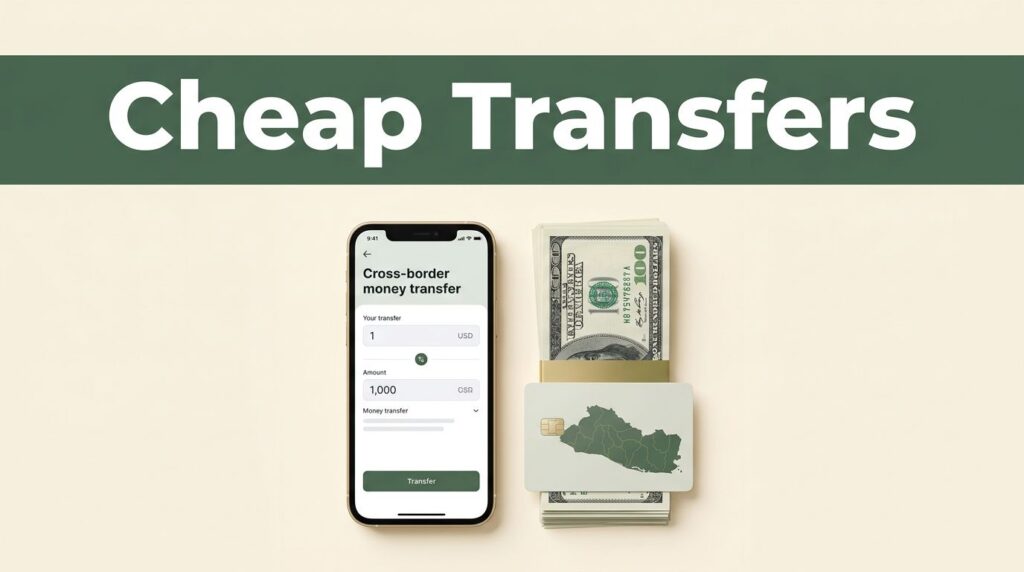
Start by creating or logging into your verified profile. Enter the destination country and input the transfer amount while monitoring the live exchange rates and service fees displayed on the screen. Select your chosen delivery method and carefully type the recipient information into the designated data fields. Take extra care during this data entry phase to match bank routing numbers or mobile wallet phone numbers precisely.
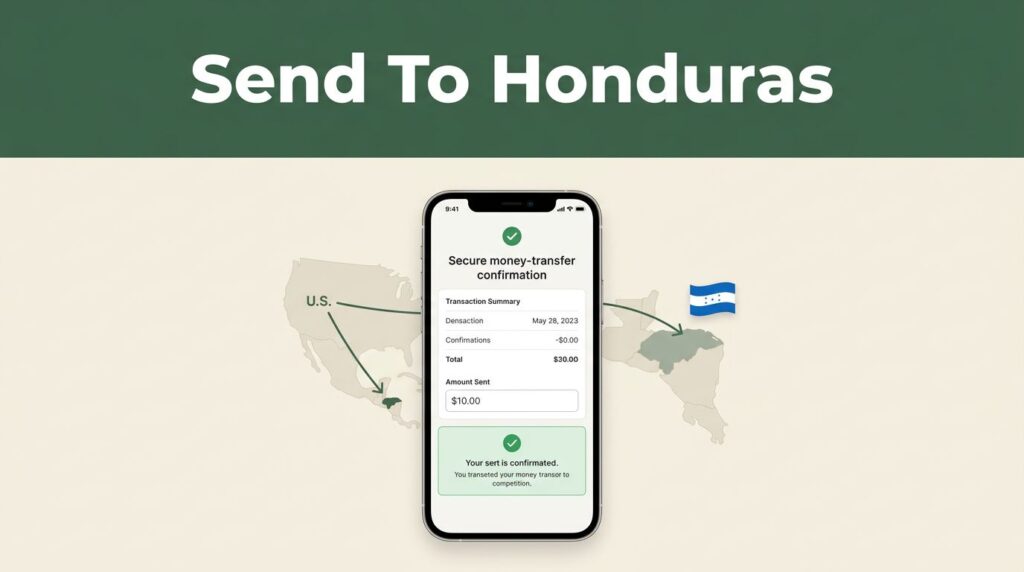
Review the complete transaction summary screen before you authorize the final payment. Check the total cost, applicable fees, expected exchange rate, and estimated delivery window. Remitly requires users to review these final transfer details before confirming to prevent costly routing errors. Once you confirm the transaction, save your receipt and track the transfer progress directly within your application dashboard.
Conclusion
Securing your international remittances requires a disciplined commitment to operational safety and data accuracy. By establishing multi-factor authentication, verifying recipient details down to the last character, and selecting the optimal delivery channel, you protect your hard-earned funds from common digital threats. Review your transaction summaries carefully before hitting confirmation, and maintain open communication with your recipient until the funds arrive safely. Take a moment today to audit your account security settings and prepare your digital remittance workflow with confidence.