Send Money to France Using Remitly: First-Time Steps
Need to send money to France without guessing the final fee or recipient payout? Remitly gives you an online process for choosing the route, adding the recipient, paying, and tracking the transfer. Your sending country, payment method, tran...
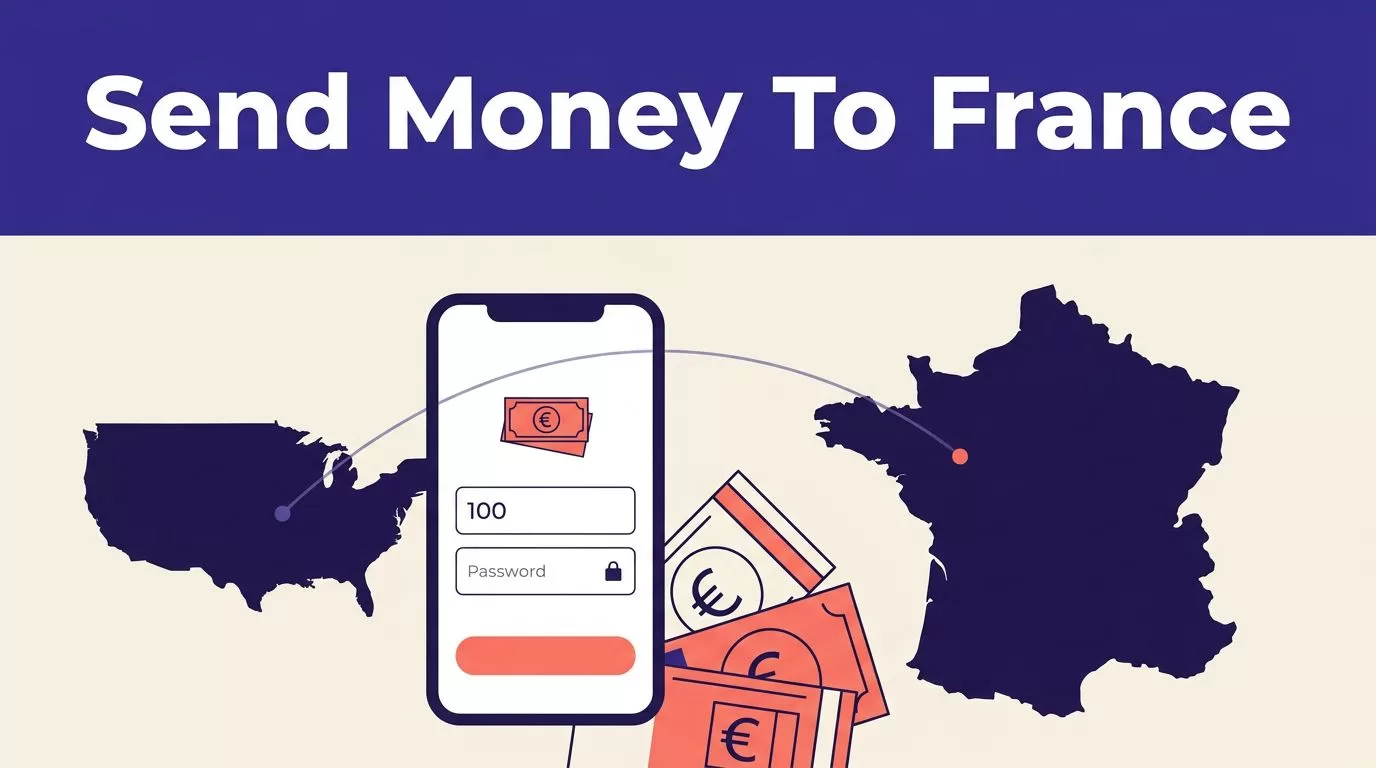
Need to send money to France without guessing the final fee or recipient payout? Remitly gives you an online process for choosing the route, adding the recipient, paying, and tracking the transfer.
Your sending country, payment method, transfer amount, delivery option, and promotion eligibility can change the quote. The amount shown in a search result isn’t your final price. Use the live Remitly quote before every transfer, then verify the recipient details before payment.
Check the Transfer Route Before You Start
Remitly supports transfers to France from the United States and several other countries. Available routes can differ by sending country, so begin with the country where your money is located. The app or website will show whether the France route is available for your account.
You also need to decide how the recipient will receive the funds. The current U.S. to France route lists bank deposit and cash pickup. The available option can depend on the recipient’s location and the payout network shown in your transfer flow.
Remitly provides a useful overview of costs and timing for transfers to France. Use that information for preparation, but use the quote inside your own transaction for the final figures.
Gather the Required Information
Have the following details ready before you open the transfer:
- Your legal name, address, phone number, and payment method.
- The recipient’s full legal name and contact information.
- The recipient’s bank details if you’re using a bank deposit.
- The preferred cash pickup location if the recipient will collect the money.
- The amount you want to send and the currency the recipient should receive.
The form will tell you which fields apply to the selected delivery method. Don’t guess when a bank field or recipient detail is unclear. Ask the recipient to send the information directly and compare it with what you enter.
Decide Whether the Recipient Needs Euros or Cash Access
A bank deposit is usually practical when the recipient has an eligible account and wants the funds deposited directly. Cash pickup can be useful when the recipient doesn’t want to use a bank account or needs to collect the money at a supported location.
The recipient’s preference matters more than the lowest advertised fee. A cheaper option isn’t useful if the recipient can’t access it.
How to Send Money to France with Remitly
The process is simple, but each field affects the transfer. Complete the steps in order.
- Open the official Remitly app or website. Use the official service, Apple App Store, or Google Play. Avoid unofficial app files and unexpected links sent by email or text message.
- Select your sending country and France as the destination. Confirm the sending currency and recipient currency. A U.S. sender will usually enter a USD amount and review the EUR payout.
- Enter the transfer amount. You can often enter how much you want to send or how much the recipient should receive. Check which amount the screen is calculating.
- Choose the delivery method. Select bank deposit or cash pickup when both are available. Review the recipient requirements for the method you choose.
- Add or select the recipient. Enter the name and details exactly as provided. Check every character before continuing.
- Choose a payment method. Remitly may offer payment through a bank account, debit card, credit card, or another method available on your route. The payment method can change the fee, exchange rate, and promotion eligibility.
- Review the complete quote. Check the amount charged, transfer fee, exchange rate, recipient amount, delivery method, and estimated arrival time.
- Submit the transfer and save the confirmation. Keep the reference number, receipt, and transfer details in a secure place. Use your Remitly account to monitor the status.
The final review screen is the control point. If the recipient amount, fee, currency, or delivery method doesn’t match your plan, stop and correct it before paying.
Photo by Monstera Production
Compare Remitly Delivery Options in France
Remitly’s U.S. pricing page currently shows two delivery methods for France. Your account may display different options based on the recipient and route.
| Delivery option | Best fit | Details to check |
|---|---|---|
| Bank deposit | A recipient with an eligible French bank account | Account details, recipient name, currency, and estimated arrival |
| Cash pickup | A recipient who needs physical cash | Pickup provider, location, identification requirements, and collection instructions |
The right choice depends on access and timing. Don’t select cash pickup simply because it appears first. Don’t select bank deposit if the recipient can’t use the account provided.
Bank Deposit
Bank deposit sends the funds to the recipient’s eligible account. It removes the need for the recipient to travel to a payout location. The recipient’s name and bank information must be accurate.
Ask the recipient to confirm their account details before you create the transfer. If Remitly requests an IBAN or another bank identifier, copy it carefully instead of typing from memory.
The current U.S. route displays a $0 bank-deposit fee in one pricing view. That figure can change with the route, amount, payment method, and account conditions. Review the quote attached to your transfer.
Cash Pickup
Cash pickup sends the funds to a supported payout location. The recipient may need the transfer reference and valid identification to collect the money. The name entered in Remitly should match the recipient’s official identification when the pickup instructions require it.
Ask the recipient which location is convenient before sending. Check the provider’s hours and collection instructions. A cash pickup transfer isn’t complete for the recipient until the funds are available at the selected location.
The U.S. to France pricing page currently displays a $2.99 cash-pickup fee in its route example. Treat that as a reference, not a guaranteed price.
Review Fees, Exchange Rates, and Limits
Remitly pricing is route-specific. The amount you pay can change based on:
- Sending country and currency.
- Transfer amount.
- Payment method.
- Delivery option.
- Exchange-rate promotion.
- Account and eligibility conditions.
As of August 2026, Remitly’s official U.S. to France pricing page displays a promotional rate of 0.8589 EUR for 1 USD on a first transfer. The displayed promotion applies to the first $1,500 sent. It doesn’t mean the same rate applies to the entire transfer or to future transactions.
Promotions can have customer, amount, payment, and expiration conditions. Credit-card payments may not qualify for fee-free promotional terms in some campaigns. Read the terms shown for your route before relying on an offer.
Compare the Full Transaction Cost
The fee is only one part of the price. A transfer with a low fee can still provide a smaller EUR payout if the exchange rate is less favorable.
Before you approve the transaction, review:
- The exact amount charged in your sending currency.
- The transfer fee.
- The exchange rate applied to your amount.
- The amount the recipient receives in euros.
- The selected delivery method.
- The estimated arrival time.
- Any promotion and its eligibility conditions.
Use the live quote instead of an old screenshot, search result, or separate exchange-rate calculator. Rates can change between the time you research a transfer and the time you submit it.
Check Limits and Verification Rules
Remitly applies sending limits. Its pricing information says limits can apply across 24-hour, 30-day, and 180-day periods. The France route also lists country-specific per-transfer limits. One current listing shows a U.S. per-transfer limit of up to $100,000.
That figure isn’t an approval for every customer. Your usable limit may depend on verification, account history, payment method, destination rules, and the transfer details. The app may request identity information before completing the transfer or allowing a higher amount.
Check the limit shown inside your account. Don’t divide a large transfer into smaller payments to avoid a limit or review. Follow the instructions Remitly provides for your situation.
Avoid Common Errors Before You Send Money
Most avoidable transfer problems happen before payment. Add a short review step to your process and don’t rush through the final screen.
Verify the Recipient Details
Ask the recipient to confirm the information before you submit the transfer. Review the following items:
- Full name and spelling.
- Phone number and address, when requested.
- Bank name and account details for a deposit.
- Pickup provider and location for cash collection.
- Recipient currency and expected amount.
A missing letter in a name can create a problem for cash collection. An incorrect bank detail can create a larger correction issue. Enter the information from the recipient’s current records, not from an old message.
If you notice an error after payment, check the transfer status and contact Remitly support promptly. Don’t assume that a submitted transfer can be edited or canceled.
Protect Your Quote and Payment Information
Reopen the app or website when you’re ready to send. Don’t rely on yesterday’s rate. Promotions and delivery estimates can change.
Use a payment account that you control. Never share your Remitly password, verification code, or payment details with the recipient or anyone claiming to offer a discount.
First-time users can review Remitly’s international transfer guidance before creating an account. The official app and website remain the correct places to check current eligibility and transaction details.
What Happens After You Submit the Transfer?
Remitly normally provides a confirmation and status view after payment. Save the reference number and share only the information the recipient needs to collect or identify the transfer.
Tell the recipient which delivery method you selected. For a bank deposit, they should watch the correct account. For cash pickup, they should follow the collection instructions and bring any required identification.
Delivery estimates are not guarantees. Bank processing, weekends, holidays, payment clearing, recipient information, compliance checks, and payout-provider availability can affect the result. Don’t submit a second transfer because the first one appears delayed. Check the status first.
If the status doesn’t move as expected, use Remitly’s current support process. Keep the receipt, reference number, payment record, and screenshots available. If Remitly asks for more information, respond through the official account or support channel.
Is Remitly a Practical Way to Send Money to France?
Remitly can fit a transfer when the recipient wants a bank deposit or cash pickup and the live quote meets your needs. It also gives first-time users a guided setup process through the app or website.
Review the complete quote before deciding. Compare the recipient’s final EUR amount, not only the fee. Check the delivery estimate for the exact route. Confirm the transfer limit and any verification request.
For a large or time-sensitive payment, allow room for delays and compare the available options before submitting. This isn’t financial advice. It is a process control: verify the current terms, understand the payout, and approve only the transfer you can check.
Conclusion
Sending money to France with Remitly requires four checks: the correct route, the correct recipient, the complete live quote, and the right delivery option. Bank deposit and cash pickup solve different problems, so choose based on how the recipient will access the money.
Fees, exchange rates, promotions, limits, eligibility, and delivery estimates can change. Recheck them inside Remitly before every transfer. Accuracy before payment is the control that prevents most avoidable transfer problems.
