Send Money To Ghana Using Remitly: Complete Transfer Guide
Sending money across borders often feels like navigating a maze of hidden fees and uncertain arrival times. When you need to support family or fund projects in West Africa, you want a straightforward path that gets funds where they need to...
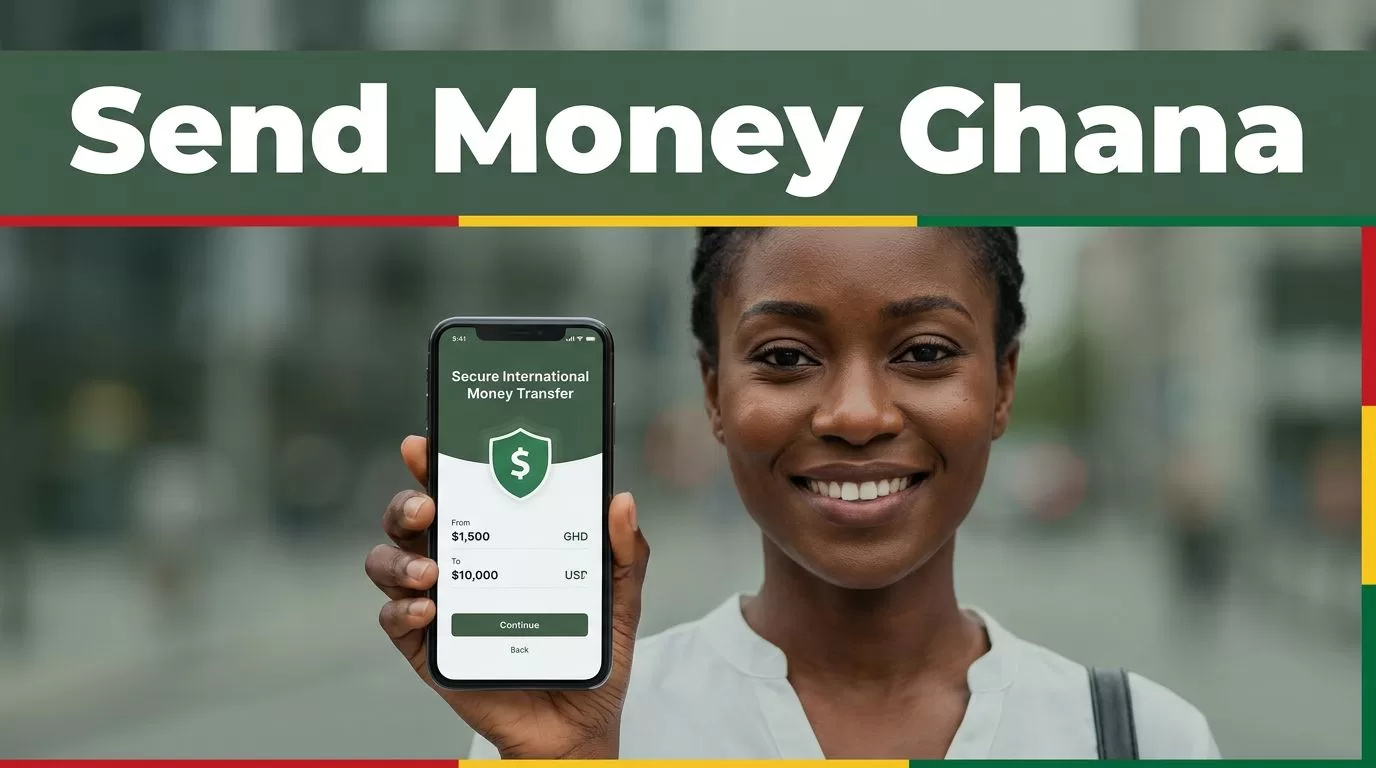
Sending money across borders often feels like navigating a maze of hidden fees and uncertain arrival times. When you need to support family or fund projects in West Africa, you want a straightforward path that gets funds where they need to go without friction. That is why many senders choose to send money Ghana Remitly style, leveraging digital rails to bypass traditional banking delays.
If you are setting up your first transfer, you need to understand how delivery options work, what fees apply, and how exchange rates impact the final payout. Let’s walk through the exact mechanics of executing a secure, cost-effective transfer from start to finish.
Key Takeaways
- Multiple Delivery Options: You can route funds via bank deposit, mobile money wallets like MTN, or cash pickup locations.
- Variable Fees and Rates: Transfer costs and exchange rates change based on your payment method, transfer speed, and sending currency.
- Strict ID Matching: Recipient names must match government-issued identification documents precisely to prevent payout holds.
- Current Terms: Always check active welcome rates and fee structures in your app dashboard before confirming the transaction.
Understanding Remitly Delivery Methods for Ghana
When you initiate a transfer, your first major decision is choosing how the recipient will access the funds. Remitly connects international senders to several payout channels across Ghana, matching different recipient needs. For a detailed look at the available network, review the official Remitly send money to Ghana guide.
Bank deposits send funds directly into a local checking or savings account. This option works well for recipients who prefer managing money digitally or paying bills electronically.
Mobile wallet transfers route funds straight to mobile money accounts. For instance, you can send money online to MTN Mobile Money in Ghana for near-instant access.
Cash pickup allows recipients to collect physical banknotes from designated partner locations across the country. This method suits recipients who lack traditional bank access or need immediate physical currency.
Fees, Exchange Rates, and Transfer Speeds
Cost transparency dictates whether an international transfer makes financial sense. Remitly structures its pricing around two primary tiers: Economy and Express. Economy transfers draw from bank accounts and usually take a few days, often qualifying for lower fees or zero-fee promotions. Express transfers fund instantly via debit or credit card, carrying a higher fee to pay for the speed.
Exchange rates fluctuate constantly based on global market conditions. You can check live pricing by viewing the current USD to GHS exchange rates on Remitly before locking in your transfer.
Keep in mind that promotional welcome rates apply only to your first transfer up to a certain threshold. Subsequent transfers revert to standard market rates and fee schedules.
| Transfer Tier | Payment Source | Typical Speed | Best Used For |
|---|---|---|---|
| Economy | Bank Account | 3 to 5 business days | Lower cost, non-urgent support |
| Express | Debit or Credit Card | Minutes to hours | Urgent cash or mobile wallet needs |
As the comparison table shows, your choice of funding source directly dictates both the speed and the overall expense of the transaction. Balance your timeline against the added cost of card funding before you hit submit.
Step-by-Step Transfer Execution
Executing the transfer requires precision to avoid administrative holds or verification delays. Follow this operational checklist to complete your transaction without errors:
- Log into your account: Open the mobile app or web portal and verify your sender profile is fully verified with up-to-date identification.
- Select the destination: Choose Ghana as the receiving country and input the exact amount you want to send in your home currency.
- Choose the delivery method: Pick bank deposit, mobile wallet, or cash pickup based on recipient preference.
- Enter recipient details: Type the full legal name exactly as it appears on their official ID, along with their correct phone number and account details.
- Review and fund: Confirm the exchange rate, delivery fee, and total charge, then authorize payment using your preferred funding source.
Always confirm recipient details against official government identification before initiating a transfer. A single misspelled character in a legal name can freeze a cash pickup or bank deposit for days.
Managing Recipient Requirements and Verification
Getting the money across the border is only half the battle. Your recipient must also clear local verification steps to access the funds. For cash pickups, the recipient needs a valid government-issued photo ID, such as a passport or national voter card, along with the unique transfer reference number provided by Remitly.
For bank and mobile wallet deposits, make sure the recipient’s registered account name matches the name you entered on the transfer form. Banks and mobile network operators reject mismatched deposits automatically for security and anti-fraud compliance. If a transfer stalls, check your app dashboard for requests for additional sender documentation.
Final Thoughts
Sending funds across international borders requires a clear understanding of costs, speed trade-offs, and recipient requirements. By selecting the right delivery channel and verifying every detail before authorization, you eliminate common transfer bottlenecks. Log into your dashboard today, check current exchange rates, and execute your transfer with confidence.
