Send Money Online to Kenya Using Remitly
Moving funds across international borders doesn’t have to feel like a high-stakes guessing game. When you need to send money to Kenya, you want speed, clear fee disclosures, and dependable payout options for your family or friends. Re...
Moving funds across international borders doesn’t have to feel like a high-stakes guessing game. When you need to send money to Kenya, you want speed, clear fee disclosures, and dependable payout options for your family or friends. Remitly provides a streamlined platform for these cross-border transfers. It replaces traditional wire services with an app-first workflow designed for speed and reliability.
Whether you’re supporting relatives, paying for services, or handling an emergency expense from abroad, understanding how the system works prevents costly delays. You need to know your payout options, verify your exchange rates, and follow a repeatable process to get your funds delivered securely.
Key Takeaways
- Choose your delivery method carefully based on whether your recipient needs instant mobile wallet access, a direct bank deposit, or physical cash pickup.
- Review your total cost by checking both the upfront transfer fee and the currency exchange rate markup before you confirm the transaction.
- Complete identity verification early in your setup process to avoid unexpected holds or transfer cancellations on your first remittance.
- Inspect the final transfer summary screen closely to verify recipient account details and estimated delivery speeds before clicking send.
Understanding Your Payout Options in Kenya
Before you fund a transfer, you need to match your recipient’s local infrastructure with the right payout method. Remitly supports several delivery channels tailored to the Kenyan financial landscape.
Mobile wallets are the fastest and most common choice for daily transactions. Remitly supports direct transfers to mobile money services like M-Pesa, which puts funds directly onto your recipient’s phone within minutes of processing.
Bank deposits work best for larger sums or long-term financial support. You can send funds directly to accounts held at major local institutions like Kenya Commercial Bank, Equity Bank, or Cooperative Bank.
Cash pickup is a reliable fallback if your recipient doesn’t use a mobile wallet or bank account. Remitly partners with prominent pickup networks across the country, allowing your recipient to collect physical cash by presenting valid identification and the unique transaction reference number.
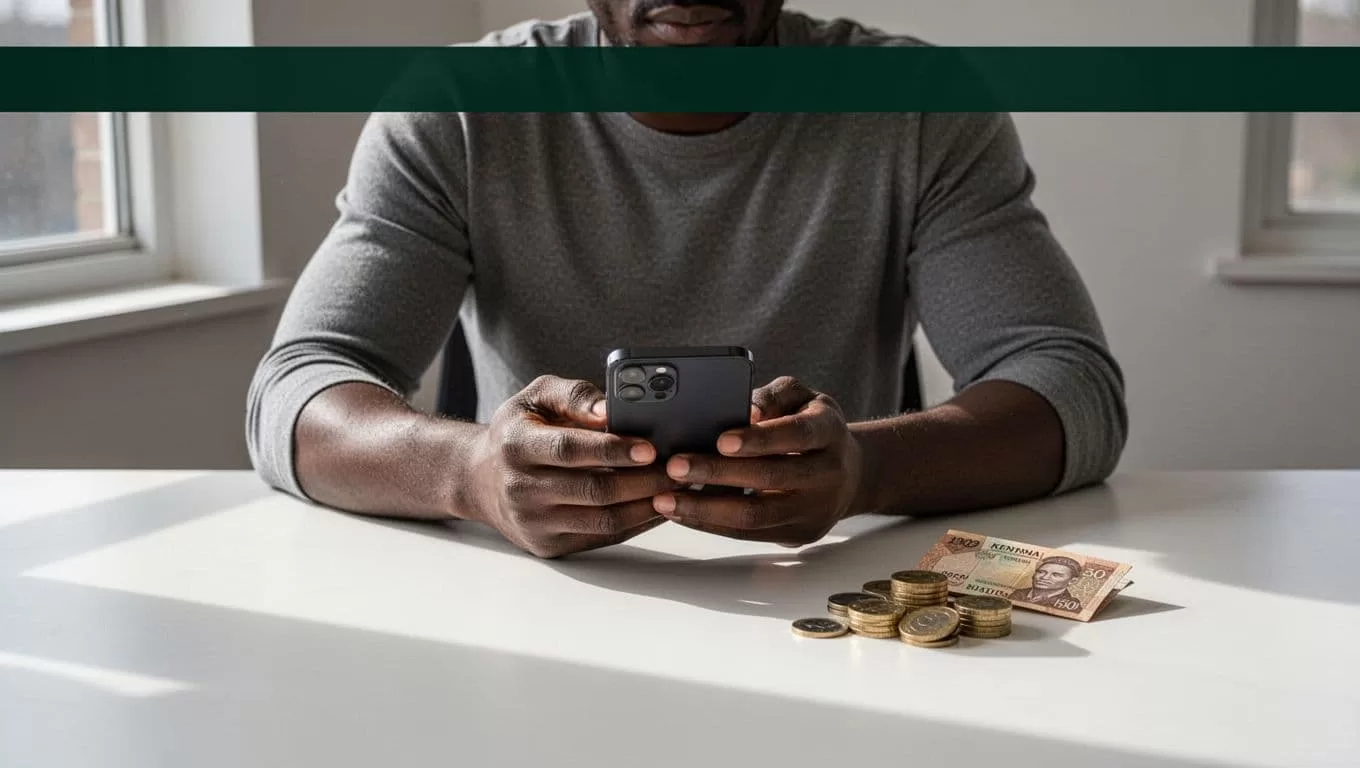
Photo by Rufaro Makaya
Evaluating Fees and Exchange Rates
Every international transfer involves two distinct revenue streams for the provider: the transfer fee and the currency exchange rate markup. You must look at both figures to calculate the true cost of your transaction.
Remitly structures its pricing based on your sending country, your funding source, and your chosen delivery speed. Funding your transfer with a debit card or credit card often triggers higher upfront fees but secures faster processing times. Funding the transfer through a connected bank account usually lowers your fee, but it extends the delivery window to several business days.
The exchange rate is equally critical. Providers apply a wholesale exchange rate markup when converting your currency into Kenyan shillings. Check the live rate displayed in your app against the mid-market rate before you commit. A slightly higher transfer fee can sometimes be offset by a more favorable exchange rate, so always calculate the final amount your recipient will actually receive in hand.
Step-by-Step Transfer Execution
Executing a transfer requires a methodical approach to ensure zero errors in recipient details. Follow this operational checklist to complete your transaction without friction.
- Open the Remitly app or navigate to the official website and select Kenya as your destination country.
- Enter the exact amount you want to send in your home currency, and review the converted amount in Kenyan shillings alongside the current exchange rate and delivery fee.
- Select your preferred delivery method, choosing between mobile wallet, bank deposit, or cash pickup based on your recipient’s access.
- Input your recipient’s legal name, phone number, and account or identification details exactly as they appear on their official government documents.
- Choose your funding source, such as a debit card, credit card, or bank account, and enter your payment details.
- Review the final summary screen to verify every detail, then confirm and send your transfer.
Always double-check your recipient’s phone number or bank account details before final confirmation. A single typo in a mobile wallet number can route funds to the wrong account and create lengthy customer support delays.
Verifying Your Identity and Account Limits
Security protocols require identity verification for all international money transfers. When you create your account, you will need to provide your full legal name, residential address, date of birth, and contact information.
Remitly uses tiered verification levels. Basic tier accounts let you send smaller amounts immediately after basic sign-up. If you want to increase your sending limits, you must provide supplemental documentation, such as a government-issued photo ID, passport, or proof of address.
Gather your documents before you start your first transfer. Submitting clear, legible scans prevents compliance holds and ensures your account reaches active status quickly.
Conclusion
Sending funds across continents requires a reliable platform, transparent pricing, and clear communication channels. By choosing the right payout method, verifying your exchange rates, and double-checking your recipient data, you eliminate the common pitfalls that cause remittance delays. Set up your account, verify your details, and execute your next transfer with absolute confidence.
