How to Send Money to Spain With Remitly
An international transfer can look cheap until the recipient gets fewer euros than expected. If you need to send money to Spain, Remitly gives you a clear quote before payment, but the fee is only one part of the price. The useful compariso...

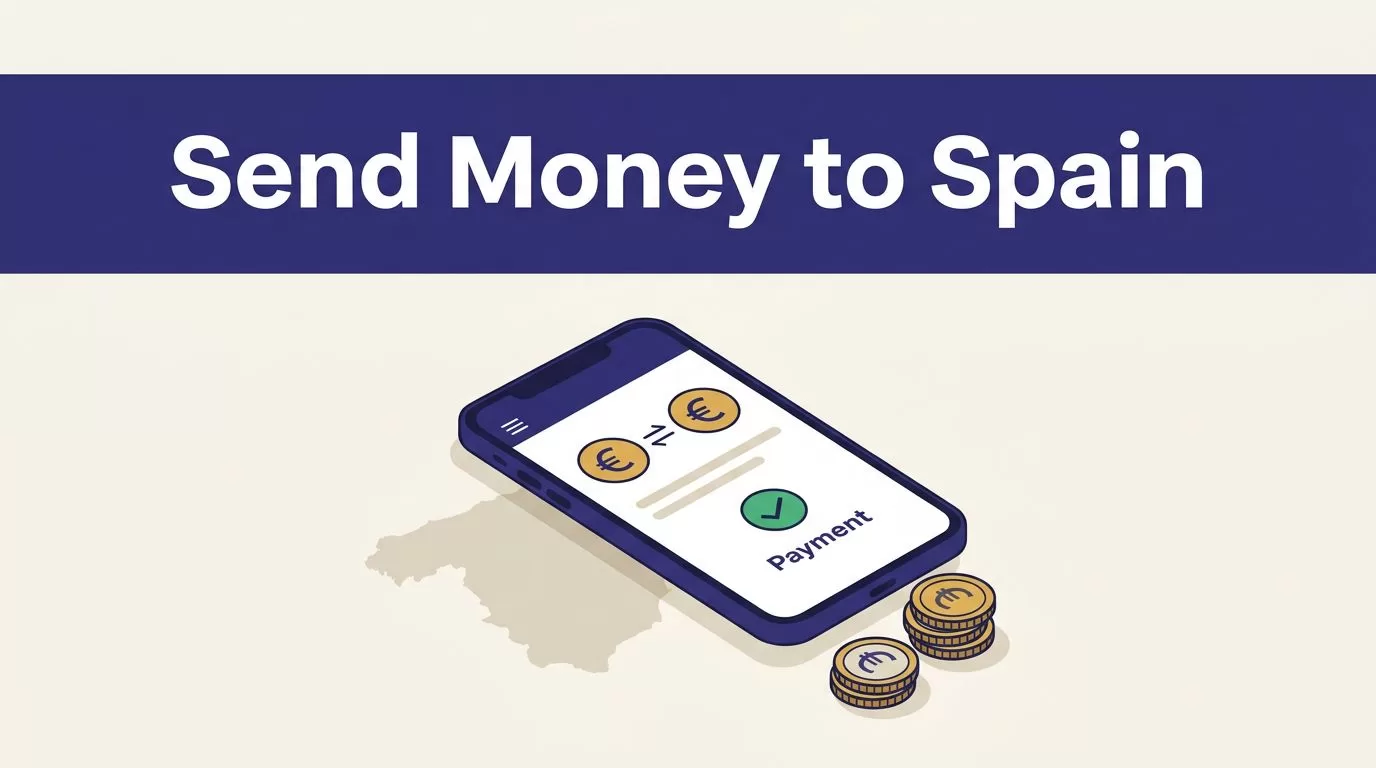
An international transfer can look cheap until the recipient gets fewer euros than expected. If you need to send money to Spain, Remitly gives you a clear quote before payment, but the fee is only one part of the price.
The useful comparison is your total charge, the exact EUR payout, the delivery method, and the estimated arrival time. These details change by sending country, amount, payment method, recipient location, and promotion. Use the live Remitly quote as your decision point.
Is Remitly a Practical Way to Send Money to Spain?
There isn’t one best setup for every transfer. Bank deposit usually fits a recipient with an eligible Spanish account. Cash pickup fits someone who needs access through a participating payout location.
For U.S. senders, Remitly’s Spain route quotes USD to EUR and currently shows bank deposit and cash pickup. The official Spain transfer page is the right place to check whether your recipient’s location and preferred delivery option are available.
The current U.S. route display shows a $0 fee for bank deposit and a $2.99 fee for cash pickup. Treat those as current route examples, not permanent prices. Your quote can change after you enter the amount, payment method, delivery option, and destination details.
Remitly can work well for family support, personal transfers, and sending money to your own account in Spain. The right choice depends on payout access and the amount that arrives, not the headline fee alone.

Photo by Monstera Production
What changes by sending country
People often assume a transfer to Spain has one standard price. It doesn’t. Remitly uses different pricing by origin country, sending currency, funding method, delivery option, and amount.
A U.S. sender should review the USD-to-EUR quote. A sender elsewhere should select the actual sending country before comparing anything. Don’t copy a fee from a U.S. page and apply it to the United Kingdom, Germany, the UAE, or another origin.
The available payout provider can also change by recipient location. The app may show different options for two recipients in Spain.
Compare the Total Cost Before You Pay
A transfer fee is visible. The exchange-rate margin is easier to miss. Remitly’s quote sets how many euros the recipient receives for each dollar, and that rate can differ from an independent market reference.
Break the price into four numbers
Read these numbers together:
| Quote item | Current U.S. Spain display | What it means |
|---|---|---|
| Bank deposit fee | $0 transfer fee | Confirm the live quote before payment |
| Cash pickup fee | $2.99 transfer fee | A route example, not a permanent price |
| First transfer | No fee for new customers | One use with limited-time conditions |
| Promotional rate | Applies to the first $1,500 sent | The non-promotional rate applies afterward |
These figures reflect the current U.S. Spain pricing display. Your account can show a different result based on the transfer details.
Total out-of-pocket = amount funded + Remitly fee + any separate charge from your bank or card issuer.
If you enter the amount the recipient should receive, Remitly may calculate how much you need to pay. Read the labels carefully. “You pay” and “recipient gets” are different figures.
A provider can show a low fee and still deliver fewer euros through its exchange rate. The margin is the gap between the provider’s customer rate and a reference rate. It is part of the conversion price, even when it isn’t listed as a separate fee.
Use a reference rate correctly
The European Central Bank’s euro reference rates can provide a neutral benchmark for USD and EUR. They aren’t Remitly’s customer quote. ECB reference rates are normally updated on working days, while provider quotes can move and include a commercial margin.
For a fair check, record the Remitly rate, fee, total charged, and recipient payout. Compare another provider only after selecting the same delivery method and entering the same amount. The final EUR payout matters more than an advertised rate.
Choose Bank Deposit or Cash Pickup in Spain
The delivery option controls convenience, access, and sometimes price. Ask the recipient how they will use the money before selecting it.
Bank deposit fits regular transfers
Choose bank deposit when the recipient has an eligible Spanish bank account and wants the funds sent there. Enter the account details carefully.
Remitly’s sender instructions require the recipient’s name, address, and contact information. Bank deposit also requires the recipient’s bank details.
Confirm the recipient’s legal name exactly as it appears on official identification. Check every account number and bank field against information supplied by the recipient. Don’t rely on an old transfer record if the account has changed.
Bank deposit may fit rent, bills, tuition, or recurring family support. Availability still depends on the recipient’s location and the current Remitly route.
Cash pickup fits limited bank access
Cash pickup can help when the recipient doesn’t want a bank deposit or needs to collect funds through an available payout partner. The recipient should follow the instructions in the transfer confirmation and check the partner’s current identification requirements.
Check the pickup location, opening hours, name spelling, and transfer reference before payment. A small mismatch can delay collection. The recipient may need a government-issued ID.
Cash pickup isn’t automatically faster or cheaper. Compare its fee, EUR payout, estimated arrival, and location with the bank-deposit quote.
How to send money to Spain with Remitly
The setup is short. Accuracy matters more than speed.
1. Open the official Remitly channel
Use the official Remitly website or reach the app through the Apple App Store or Google Play. Avoid APK files, ads that redirect to unfamiliar domains, and login links sent in unexpected messages.
Create an account or sign in. Select your actual sending country, Spain as the destination, and the currencies shown for the transaction.
U.S. senders should see USD to EUR for this route. If the country or currency looks wrong, stop and correct it before adding payment details.
2. Add the recipient and delivery method
Enter the recipient’s name exactly as it appears on official ID. Add the requested address and contact details. For a bank deposit, enter the recipient’s eligible Spanish bank information.
Select bank deposit or cash pickup based on the recipient’s needs. Don’t choose a method because it appeared on a previous transfer. Availability can change with location and payout provider.
New users may need to complete identity verification. The documents and checks can vary by sending country, transfer size, and account status. Submit that information only inside the official Remitly account flow.
3. Confirm the live quote and track the transfer
Choose the payment method shown in your account. Check the amount you pay, fee, exchange rate, EUR payout, delivery option, and estimated arrival time.
Remitly’s first-time international transfer guide also focuses on reviewing cost, security, and delivery details before sending.
Submit only when every field is correct. Save the receipt and transaction number. Track the status in your Remitly account instead of relying on a text message alone.
Check Delivery Times, Promotions, and Limits
Remitly shows a delivery estimate after you enter the transfer details. Treat it as an estimate for that setup, not a promise.
Delivery depends on the complete route
Bank processing, weekends, payout-partner hours, payment clearance, compliance reviews, and recipient location can affect timing. A faster delivery option can also change the fee.
If the money is for rent, tuition, a medical bill, or a scheduled payment, send before the deadline. Don’t tell the recipient the transfer will arrive at a guaranteed time until the live quote and current status support that expectation.
Payment processing can also create a delay after you submit the transfer. Keep room for review or partner-side issues when timing matters.
Promotions have conditions
The U.S. Spain page currently advertises no fee on the first transfer for new customers. The offer is limited to one use per customer and is available for a limited time.
The promotional exchange rate applies to the first $1,500 sent. After that threshold, the non-promotional rate applies. Check whether the offer applies to your account, payout method, amount, and payment method.
A welcome promotion is useful for a first test, but it shouldn’t determine a recurring transfer process. Record the normal quote when you plan to send money to Spain again.
Remitly’s public Spain pages don’t establish one universal maximum or minimum for every sender. Limits and verification requests can depend on origin country, account status, amount, and compliance rules. Read the limit shown in your account before planning a large payment.
Protect the Transfer and Fix Problems Early
Most avoidable problems happen before payment. Use a short control process.
Verify the request and the account
Confirm the recipient by calling a known number or using a conversation you already trust. Don’t send money because a stranger, fake support agent, employer, romantic contact, or government impersonator creates urgency.
The FTC’s scam guidance warns that scammers may impersonate officials and pressure people to transfer money. No legitimate support agent should ask you to send money to protect your funds.
Use Remitly’s website or official app for support and status checks. Don’t share passwords, one-time codes, or identity documents through social media. Install the app through the official store listing.
A transfer status message is not a substitute for checking the transaction inside your Remitly account.
Respond correctly to delays or mistakes
Check the status, receipt, and recipient details first. If the transfer is delayed, follow the support process in your account. Keep screenshots, confirmation numbers, payment records, and support messages.
If you entered a wrong name or bank detail, contact Remitly promptly. Don’t create a second transfer because the first one appears slow. A duplicate payment can create a second problem.
Remitly’s Spain information says it will refund fees if money doesn’t reach its destination securely and on time, subject to its terms. Read the current conditions and don’t assume every delay qualifies. Cancellation and refund handling can depend on the transfer status and route.
The Best Way to Send Money to Spain With Remitly
Remitly is a practical option when its live quote supports the recipient’s preferred payout method and produces a competitive EUR amount. Bank deposit often fits repeat payments. Cash pickup can fit recipients without a convenient bank route.
Before every transfer, compare the full cost, not the fee alone. Check the rate margin, payout, estimate, promotion terms, and payment method. The price you saw last week may not be today’s price.
Use this final checklist:
- Confirm the sending country, destination, and USD-to-EUR route.
- Check the recipient’s name, contact details, and bank information.
- Choose bank deposit or cash pickup for the actual recipient.
- Review the fee, exchange rate, total charge, and EUR payout.
- Treat the delivery estimate as non-guaranteed.
- Save the receipt and track the transaction through official Remitly channels.
The safest transfer is the one you verify before pressing send.

