How to Send Money to Thailand Bank Accounts With Remitly
Moving money across international borders used to mean standing in long lines at physical agency counters, paying steep flat fees, and waiting days for transactions to clear. Today, digital financial platforms allow you to manage global rem...
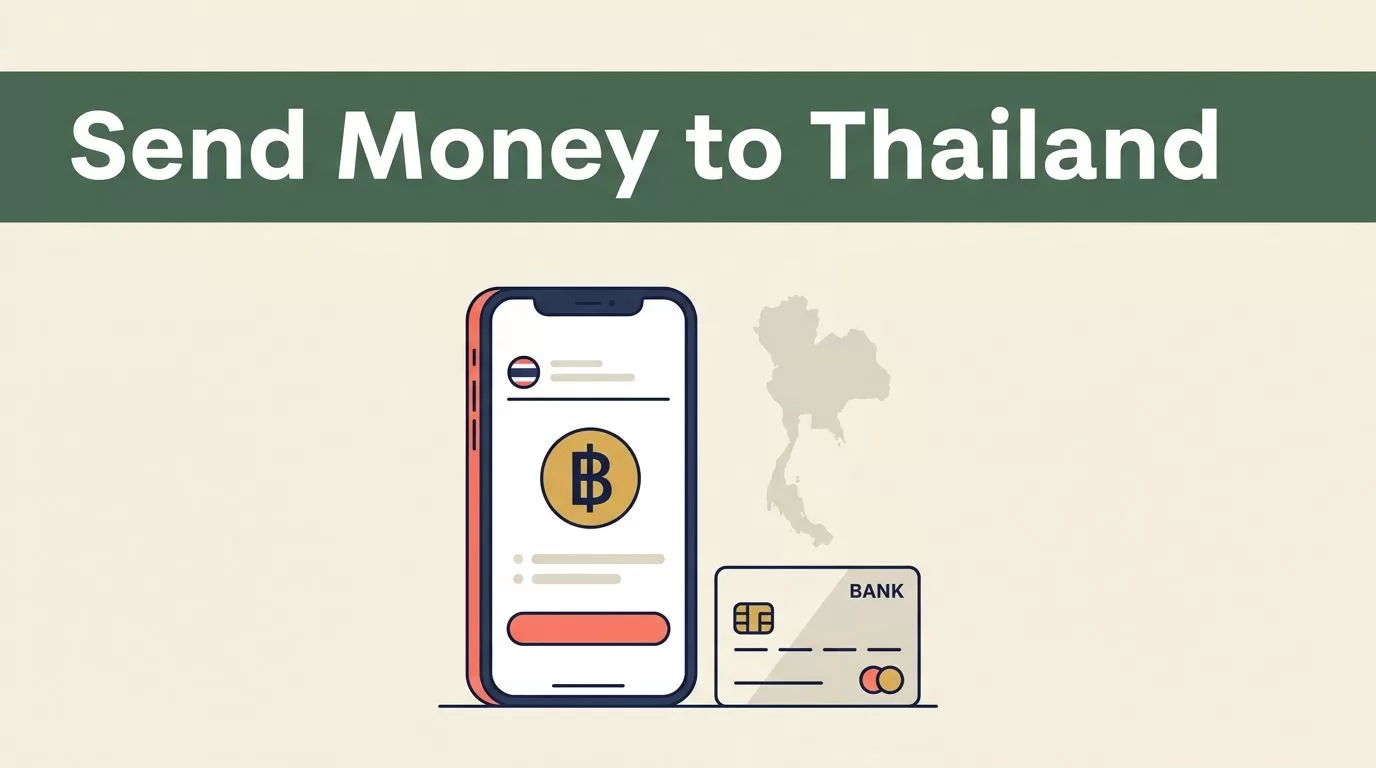
Moving money across international borders used to mean standing in long lines at physical agency counters, paying steep flat fees, and waiting days for transactions to clear. Today, digital financial platforms allow you to manage global remittances directly from your smartphone. When you need to support family members, pay operational expenses, or handle personal obligations abroad, choosing the right service prevents unexpected currency markups and protects your hard-earned cash. Remitly stands out as a top choice for cross-border payments because it combines speed, predictable pricing, and multiple payout channels designed for recipients overseas. You need a reliable method to send money to Thailand without losing half your paycheck on hidden wire fees or unfavorable exchange rates. Setting up a secure transfer workflow takes minutes when you know which options match your requirements and how local banking networks operate.
Key Takeaways
- Transfer fees and exchange rates for Remitly vary based on your funding source, selected delivery speed, and recipient location.
- You can fund international transfers using a bank account, debit card, credit card, or supported local payment method.
- Recipients in Thailand receive funds through direct bank deposits or cash pickup options across major financial networks.
- Always review the live in-app quote and applicable verification requirements before confirming your international money transfer.
Creating Your Remitly Account and Accessing Rates
To view the latest pricing and conversion rates, you need an active account. You can sign up using your email address through the official website or by downloading the mobile app on iOS and Android devices. Once logged in, set Thailand as your destination country. The interface prompts you to enter your intended transfer amount, which instantly updates the quote on screen. Remitly structures its pricing based on whether you fund your transfer via a bank account, debit card, or credit card. You can explore popular currency pairs and current conversions directly through official resources like Remitly’s guidance on sending money to Thailand.
Exchange rates fluctuate constantly based on global currency markets. Because rates change throughout the day, you should never rely on static quotes found in older blog posts or third-party summaries. Open the mobile application to view live figures. Once you input your sending amount and select Thai baht as the receiving currency, the platform displays the active conversion rate alongside any applicable transfer fees. This quote shows you the exact total cost and the net amount your recipient will collect. Take a moment to inspect this breakdown before you tap confirm. Remitly often provides promotional welcome rates for your first transfer, but subsequent transactions use standard market rates.
Supported Thai Banks and Delivery Speeds
Choosing how your recipient gets the funds dictates your transfer speed and fee structure. Remitly supports direct routing to major financial networks in Southeast Asia, letting you skip intermediary banks that add extra days and fees to your timeline. When sending funds to Thai financial institutions, you can choose between Economy speeds for lower costs or Express delivery for urgent needs. For a comprehensive overview of how processing tiers operate across different providers, you can review this complete guide to Remitly fees and transfer costs.
Remitly supports direct bank deposits to all major financial institutions across the country. Named Thai banks available for direct routing include Kasikornbank, Siam Commercial Bank, Bangkok Bank, Krungthai Bank, Bank of Ayudhya, TMBThanachart Bank, and CIMB Thai Bank. If you want to review specific delivery partners and institutional networks, check Remitly’s provider directory for Thailand. Economy transfers typically fund bank accounts within a few business days, while debit card funded Express transfers can credit accounts almost instantly.

Step-by-Step Transfer Setup and Recipient Requirements
Getting started with a mobile transfer app requires a few minutes of setup on your phone or computer. You download the software from your device app store, create an account using your email address, and verify your identity with government-issued identification. This verification step is mandatory for compliance and anti-money laundering regulations. Once your profile is active, you enter the transfer amount, select Thailand as the destination country, and choose your preferred delivery method. Remitly asks for specific recipient details depending on whether you choose a bank deposit or cash pickup.
For bank transfers, you need the recipient’s bank name, account type, and account number. You also need the recipient’s full legal name as it appears on their bank statements. For cash pickups, you enter the recipient’s legal name and contact details so they can collect the cash at a local partner location. Always double-check these details before hitting submit. Entering an incorrect account number or misspelling a recipient name causes processing delays, failed deposits, or returned funds that incur extra charges from your bank. Keep sending caps in mind based on your verification level and transfer history, as platforms enforce daily and monthly thresholds for security purposes.
Troubleshooting Common Transfer Friction
Even streamlined financial platforms encounter occasional friction during daily use. If your transfer gets stuck in review, check whether your identity verification documents require an update or if your funding source needs re-authorization. If you experience unexpected delays or transaction holds, verify your internet connection, log out and back into your account, and check your email for messages from customer support requesting additional information. Always confirm that your funding account has sufficient funds before initiating a transfer to prevent overdraft fees from your personal bank.
Conclusion
Managing international remittances requires balancing low costs against reliable delivery speeds and secure institutional routing. By creating a verified account, checking live exchange rates, and double-checking recipient bank details, you eliminate common transfer errors. Open your mobile app today, review your target currency quote, and complete your next global payment with confidence.
