Send Money to Thailand With Remitly: A Practical Guide
Sending money overseas shouldn’t require a bank appointment or a week of uncertainty. If you search for “send money Thailand,” Remitly gives you an online process for funding a transfer and choosing how the recipient recei...
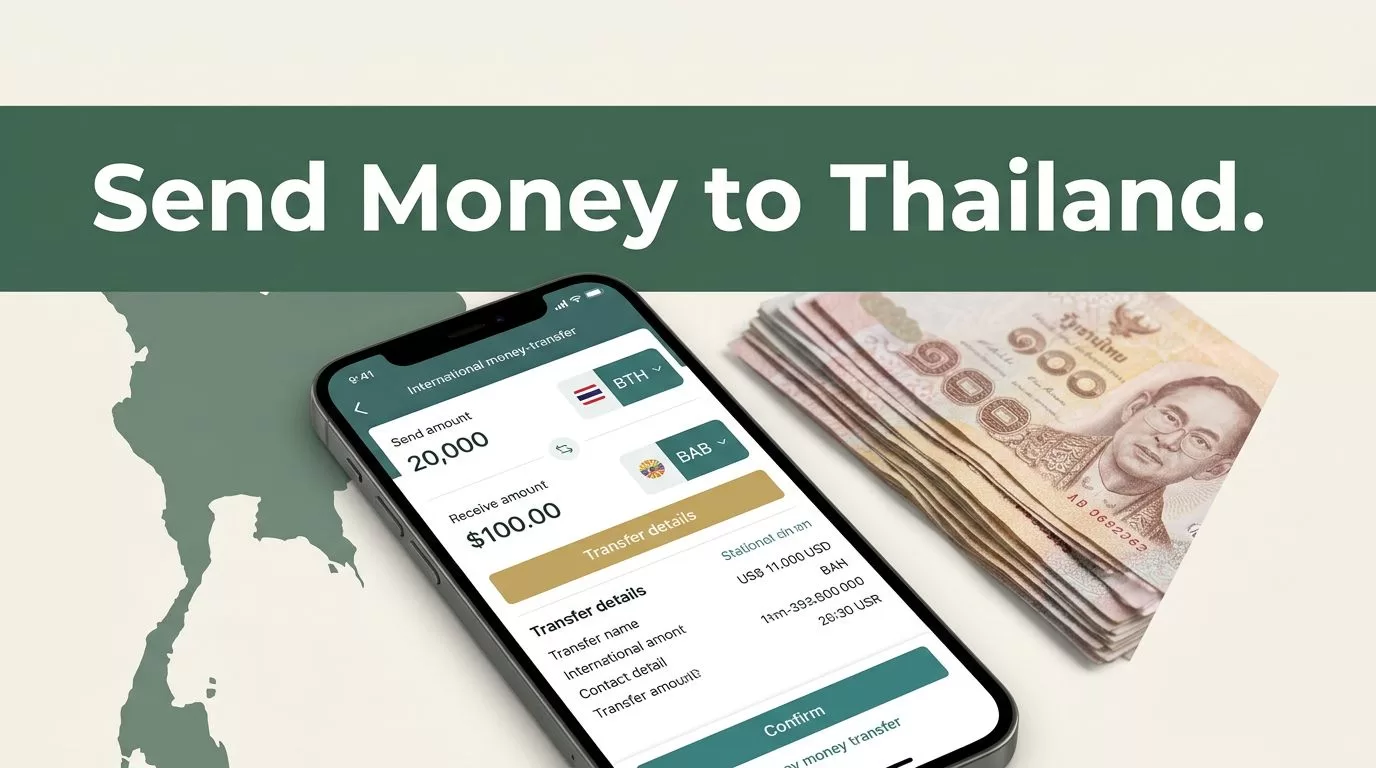
Sending money overseas shouldn’t require a bank appointment or a week of uncertainty. If you search for “send money Thailand,” Remitly gives you an online process for funding a transfer and choosing how the recipient receives Thai baht.
The correct option depends on your sending country, payment method, payout method, transfer amount, and recipient details. Remitly shows the current fee, exchange rate, and estimated delivery time before you confirm. Start with the live quote, then select the delivery route that fits the recipient.
What the “send money Thailand” Process Looks Like
Remitly supports transfers to Thailand through its website and mobile app. Availability differs by sending country, so select your location before reviewing the available options. A route available to a sender in the United States may not match one available in Canada, the United Kingdom, or Australia.
For U.S. customers, Remitly lists three main delivery methods for Thailand:
- Bank deposit sends funds directly to the recipient’s eligible Thai bank account.
- Cash pickup allows the recipient to collect money from a supported local provider.
- Debit card deposit sends funds to an eligible debit card when the route supports it.
The recipient’s needs should drive the choice. Bank deposit works well when the person has an active account and needs regular support. Cash pickup is more useful when the recipient doesn’t have suitable bank access or needs to collect the funds in person.
Remitly supports deposits to several Thai banks for U.S. senders. Listed examples include Kasikornbank, Siam Commercial Bank (SCB), Bangkok Bank, Krungthai Bank, Bank of Ayudhya (Krungsri), TMBThanachart Bank (TTB), BAAC, and CIMB Thai Bank. The app will show the available institutions for your transfer. Don’t assume every bank is supported for every sending country or payout route.
You can review the current options on Remitly’s official Thailand money transfer page. Check the page for your sending country rather than relying on an old comparison article.
How to Set Up Your Remitly Transfer
Account setup is short, but the information must be accurate. Remitly may ask you to verify your identity with government-issued identification. This process supports financial compliance and can affect the amount you’re allowed to send.
Use the following sequence:
- Create a Remitly account through the official website or mobile app.
- Select the country you are sending money from and choose Thailand as the destination.
- Enter the amount you want to send or the amount the recipient should receive.
- Select a payment method and delivery method.
- Add the recipient’s legal name and required contact or account information.
- Review the exchange rate, fee, payout amount, and estimated arrival time.
- Confirm the transfer and save the tracking information.
Recipient data depends on the payout method. A bank deposit may require the recipient’s full name, bank name, account number, and other account details. A cash pickup usually requires the recipient’s legal name and contact information.
Use the recipient’s name exactly as it appears on their identification. A spelling mismatch can delay cash collection or trigger a request for more information. Ask the recipient to confirm their bank details before you submit the payment.
Your payment method also affects the transfer. Remitly may accept a bank account, debit card, credit card, or another supported payment option, depending on your country. Card-funded transfers can have a different fee or delivery speed than bank-funded transfers.
A transfer can also receive a compliance review after you submit it. That review may add time, especially when the amount is large or the account needs more verification. Don’t promise the recipient a specific arrival time until the transfer status confirms it.
Compare the Full Cost, Not Only the Transfer Fee
The visible transfer fee is only one part of the price. The exchange rate determines how many Thai baht the recipient receives, so compare the final payout amount rather than focusing on the fee alone.
Remitly states that its cost can vary based on the amount sent, payment method, and delivery option. Express delivery may cost more than Economy delivery. A promotional rate or first-transfer offer may also apply to an eligible new customer.
Promotions change. Fees change. Exchange rates move during the day. A fee shown in an old review isn’t a reliable quote for today’s transfer.

Photo by UMA media
Before confirming, check these figures on the final Remitly screen:
- The amount charged in your currency.
- The exchange rate used for the transfer.
- The transfer fee.
- The total amount the recipient will receive in Thai baht.
- The selected delivery method.
- The estimated delivery date or time.
You can also check the latest USD to THB exchange rate through Remitly’s currency converter. Treat the converter as a reference. The rate on the transfer confirmation screen is the one that controls your transaction.
Remitly’s Thailand receiving information says recipients generally don’t pay a receiving fee. That doesn’t remove the need to review the full quote. Your sending country, funding method, exchange rate, and selected service can still affect the final cost.
A low transfer fee can still produce a higher total cost if the exchange rate gives the recipient fewer baht. Compare the final payout.
Choose Between Express and Economy Delivery
Remitly commonly presents delivery choices such as Express and Economy, but the names, availability, pricing, and delivery estimates depend on the corridor.
Express is designed for speed. Remitly says a debit or credit card may be used for faster transfers where that option is available. Economy may be more suitable when the recipient can wait and the quote offers a lower total cost.
Don’t treat either service as a guaranteed deadline. Delivery depends on the payment method, payout method, transaction review, system availability, holidays, and the recipient’s bank or cash pickup provider.
Many Thailand transfers arrive within minutes, according to Remitly’s Thailand receiving information. That statement doesn’t apply to every transaction. A bank deposit can follow a different timeline than cash pickup. A bank payment that still needs to clear can also take longer than a card-funded transfer.
Use the estimated time in the live quote as your working reference. If the transfer is urgent, select the fastest available option only after checking its cost and eligibility. If the recipient has flexibility, compare Economy and Express side by side before paying.
Understand Limits and Verification Requirements
Transfer limits are not one fixed number for every Remitly customer. They can vary by sending country, verification status, payment method, recipient location, transfer history, and regulatory requirements.
A new account may have lower limits until identity verification is complete. Larger transfers can trigger additional document requests. A bank or card provider may also apply its own limits.
Check the limit inside your account before planning a recurring payment. If you’re sending rent, tuition, medical support, or business funds, confirm that the selected route can handle the amount. Splitting one large payment into several smaller transfers doesn’t remove verification requirements and can create extra tracking work.
Remitly may ask for information about the sender, recipient, relationship, or purpose of the transfer. Provide accurate information. Inconsistent details can delay the transaction or lead to cancellation.
Keep your transfer reference number and confirmation email. The recipient may need the reference number for cash pickup. You also need it when contacting support about a delayed or rejected transfer.
Protect the Transfer From Scams
Convenience creates a second risk. Scammers often use urgent stories to pressure people into sending money before they verify the recipient.
Use Remitly only through its official website or the verified mobile app. Don’t open a transfer link sent by an unknown person. Check the web address before entering your password, card details, or identification documents.
Never send money to a recipient you haven’t independently confirmed. A person may impersonate a family member, landlord, employer, immigration official, or online seller. Call the person through a known phone number before sending funds if the request is unexpected.
Don’t share your password, one-time security code, or identity documents with someone claiming they can release a transfer. Remitly support should be contacted through the official help channels, not through a random social media account.
Watch for these warning signs:
- A request for immediate payment without a normal explanation.
- Instructions to lie about the transfer purpose.
- Pressure to use cash pickup for someone you don’t know.
- A promise that you’ll receive money after paying a processing fee.
- A recipient who changes bank details at the last minute.
- A request to send funds to an unrelated person’s account.
If you suspect fraud, stop the transfer if possible and contact Remitly immediately. Also contact your bank or card issuer when the payment has already been processed.
Is Remitly Suitable for Sending Money to Thailand?
Remitly is a practical option when you need a digital transfer with multiple payout methods. Bank deposit supports recurring family payments. Cash pickup helps recipients who need access to physical money. Express delivery may fit urgent transfers when the route and funding method support it.
The service isn’t automatically the cheapest choice for every transaction. The right comparison includes the transfer fee, exchange rate, delivery speed, payout method, and recipient access. A competitor may show a lower fee but provide a smaller payout after conversion.
Run the same amount through each service at the same time. Compare the recipient’s final Thai baht total. Keep the payout method identical where possible. This gives you a cleaner price comparison than comparing headline fees.
For recurring transfers, save the recipient details only after confirming them. Review the quote every time you send. Rates and fees can change even when the recipient and amount stay the same.
Conclusion
Remitly gives you a direct way to send money Thailand recipients can receive by bank deposit, cash pickup, or another supported payout route. The setup is simple, but the transaction still requires accurate recipient details and a careful review of the final quote.
Check the live exchange rate, transfer fee, payout amount, delivery estimate, and applicable limits before confirming. Use the official Remitly app or website, verify unexpected requests, and treat speed claims as estimates rather than guarantees. The safest transfer is the one you can explain, track, and verify at every step.
