How I Built a Skool Podcast Community That Grows Listeners into Loyal Fans
You record episodes. Listeners hit play. Then silence. What if those plays turned into conversations, questions, and repeat visits? Content creators and personal brands face that gap constantly. I did with my own podcast. Fans vanished afte...
You record episodes. Listeners hit play. Then silence. What if those plays turned into conversations, questions, and repeat visits? Content creators and personal brands face that gap constantly. I did with my own podcast. Fans vanished after one listen.
A Skool podcast community changes that. Designed to build an audience that sticks around, it pulls listeners behind the mic. They discuss episodes, share wins, and stay engaged. I launched one last year. It boosted engagement and opened paid doors.
Now I share the steps. You get a clear path from setup to growth.
Key Takeaways
- A Skool podcast community turns passive listeners into active fans through episode discussions, live events, and gamification, boosting retention and organic growth.
- Set up fast with a dedicated feed for reactions and polls, plus a classroom for show notes, transcripts, and paid exclusives—start on the $99 plan for full features.
- Fuel daily chats with episode clips, member wins, guest Q&As, and weekly posts to build habits and triple interactions.
- Launch by inviting top listeners, promote in episodes, and monetize via $10/month tiers for AMAs and deep dives—hit steady revenue like $2k/month.
Why Your Podcast Needs a Dedicated Community
Podcasts thrive on voices. Solo shows feel flat without feedback. I noticed my downloads stalled. Listeners wanted more than audio files. They craved connection.
A digital community around your podcast fixes this. Listeners become participants. They react to riffs, debate guests, and suggest topics. That loop feeds authentic content. Your show improves. Fans stay longer.
Skool fits the podcasting game perfect. Its feed mimics social apps. Members post clips, polls, and reactions. No app switches needed. Everyone stays in one spot.
Picture voices bouncing like echoes in a studio. That’s the energy. Industry leading podcasts see retention double once fans own the conversation. They promote episodes too. Organic growth kicks in.
Digital communities also reveal blind spots. A listener flags a murky explanation. You clarify in the next show. Data from Skool’s analytics shows who engages most. Target those voices.
For podcasters, this beats email lists. Emails get skimmed. Communities spark daily check-ins. Your podcast shifts from broadcast to dialogue. Listeners turn into advocates.
Setting Up Your Podcast Hub on Skool
Follow these actionable steps to set up your podcast hub. Sign up for Skool’s $99 plan. It unlocks payments and branding. The $9 tier works for tests, but fees eat profits.
To create your own Skool, name it after your podcast. Add a clear tagline: “Discuss episodes, get bonus clips, join live chats.” That pulls the right crowd. Use a podcast launch checklist for smooth initial configuration.
Skool’s premium tech stack blends feed and classroom. Pin a welcome post first. Outline rules: keep posts podcast-related, no spam. Link your latest episode.
Next, build the classroom. Upload show notes as lessons. Add transcripts for search fans. One video per lesson holds audio clips. Lock advanced modules for paid members.
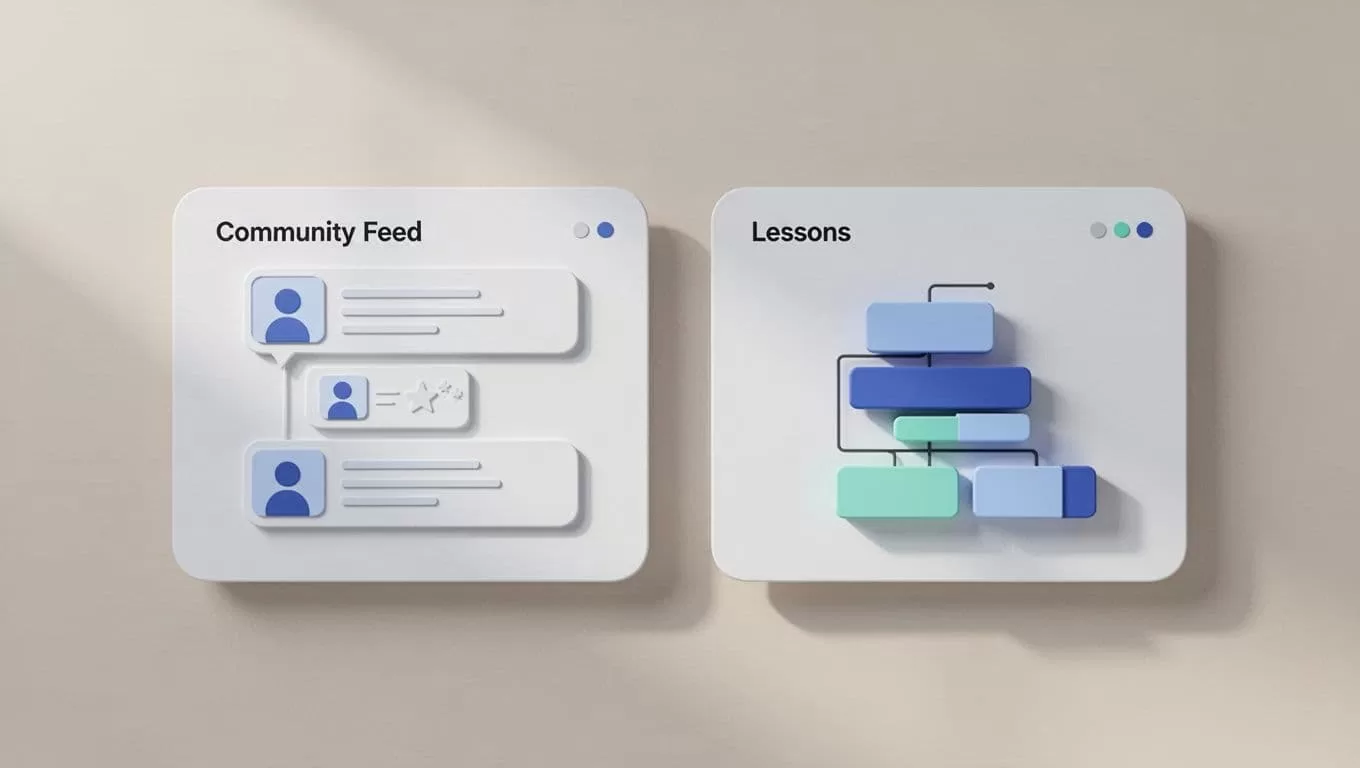
The layout keeps digital communities tidy. Feed for chatter, classroom for depth. I organized mine by episode. Members revisit notes during commutes.
Set categories in the feed. “Episode Reactions” for hot takes. “Guest Q&A” for questions. “Wins and Feedback” celebrates listener stories. Pin resources like mic gear lists.
Mobile access shines here. Podcasters check in from anywhere. Gamification adds fun. Points for comments reward active fans. Levels unlock exclusives.
Test the flow. Post a poll: “Best moment from episode 10?” Watch replies roll in. Tweak based on what sticks.
For a full comprehensive Skool community growth guide, check my earlier steps. It covers onboarding that keeps newbies hooked.
Podcast-Specific Features That Drive Engagement
Skool’s tools match podcast rhythms. The community feed handles bursts post-episode. Members drop quotes, timestamps, and debates.
Events seal the deal. Schedule live breakdowns. No Zoom hassle; it runs inside Skool. Record for absentees. Calendar reminders nudge sign-ups. I host weekly community calls. Attendance hits 40% now. This setup also streamlines guest booking by attracting dream guests who want to interact with a live audience.
Gamification keeps momentum. Points flow from posts and replies. Leaderboards spotlight top fans. High levels grant early episode access. Fans chase that status.
Courses extend episodes. Turn bloopers into bonus lessons. Or build classroom modules toward the goal of podcast mastery. Drip content weekly. Members progress at their pace.
Analytics track it all. See active hours, popular posts. Post episodes then for max eyes.
Examples inspire content creators. The Podcast Syndicate on Skool uses threads for intros. It cuts feed clutter. Another, ATC’s creator community, mixes calls and tech stacks.
Mobile design pulls commuters. They comment mid-drive. That real-time buzz builds habit.
Content Ideas to Fuel Daily Conversations
Content sparks fire. Tie everything to episodes. After release, post: “Minute 22: Did I nail that story? React below.”
Polls engage quick. Perfect for online coaches sparking debate: “Guest A or B: Who won the debate?” Clips from cuts work too. Share 30-second teases locked for members.
Encourage shares. “Your hot take on this episode gets a shoutout next time.” Wins section shines. Members post: “This tip fixed my setup.”
Live events vary. Try monthly masterminds or monthly meet-ups: Q&A with guests. Listener spotlights. Tech troubleshooting. Keep sessions 30 minutes.
Resources add value. Curated mic lists, editing workflows. Update post-podcast trends.
From this Skool playbook, wins and questions categories boost interaction. I added them. Posts tripled.
Mix free and paid. Free feed draws listeners. Paid classroom drops deep dives.
Rhythm matters in creator communities. Post three times weekly. Episode day, mid-week poll, Friday live. Consistency breeds visits.
Launch Tactics and Monetization Paths
Launch lean. Invite 50 top listeners first. Email: “Join the inner circle.” Seed with three posts on your podcast launchpad for new members.
Promote on episodes. End with: “Discussions live at [your Skool link].” Air drops in show notes.
Growth loops help. Top members get affiliate cuts. Or shoutouts. Points motivate shares.
Monetize smart with this media business blueprint for long-term success. Free tier hooks. Paid at $10/month unlocks replays, AMAs. Stripe handles payments. Skool takes 2.9% plus 30 cents.
Tier it up for online business growth and revenue generation. $10 basics, $47 deep dives plus coaching (or try a pod close mini course as a low-ticket offer). I hit $2k monthly after three months with a millionaire mindset.

Watch numbers climb. Events fill. Revenue follows.
Scale with automation. Pin evergreen content. Let members moderate.
If switching platforms, see why Skool tops Discord for courses. It tightens the journey.
Frequently Asked Questions
Why choose Skool over email lists for podcasts?
Skool creates daily check-ins and real conversations in one app, unlike skimmed emails. Listeners debate episodes, share wins, and suggest topics, turning your show into a dialogue. Analytics reveal top engagers for targeted growth.
How do I set up my Skool podcast community?
Sign up for Skool, name it after your podcast, and pin a welcome post with rules. Build a feed with categories like ‘Episode Reactions’ and a classroom for notes and clips. Test with a poll and tweak based on replies.
What content keeps members engaged?
Post episode clips, polls like ‘Best guest moment?’, and host live Q&As or masterminds. Encourage wins and hot takes for shoutouts. Stick to a rhythm: episode day, mid-week poll, Friday live.
How can I monetize my community?
Offer a free feed to hook listeners, then $10/month paid tier for replays and AMAs, or $47 for coaching. Promote via episodes and top member affiliates. Stripe payments make it seamless with low fees.
What’s the best way to launch?
Invite 50 top listeners first via email for an ‘inner circle’ feel. Seed with posts, promote links in show notes and episodes. Use growth loops like shoutouts to spark shares and steady climbs.
Conclusion
A Skool podcast community turns passive plays into active bonds. Setup takes hours. Features like feeds and events do the rest, enabling podcast optimization for better show quality.
I went from flat downloads to steady paid members. Listeners now drive the show and open up networking opportunities.
Ready to start a podcast? Use digital communities for early growth. Start small. Invite your best fans. Watch the mic light up with real talk. Your podcast gains life.
