Host Two Podcasts for One Price with Transistor.fm
If I want to run two podcasts without paying for two hosts, Transistor.fm is one of the cleanest options I’ve found. The price is tied to monthly downloads and private subscribers, not the number of shows, so one account can hold both...


If I want to run two podcasts without paying for two hosts, Transistor.fm is one of the cleanest options I’ve found. The price is tied to monthly downloads and private subscribers, not the number of shows, so one account can hold both feeds.
That matters when I’m managing a client show and a brand show, or a public podcast and a private one. I still watch the limits, but the setup stays simple, and everything lives in one place. Here’s how I use it.
How Transistor.fm handles multiple shows
As of April 2026, Transistor says I can host unlimited podcasts on any plan, and the starting price is $19 per month. Yearly billing gives 12 months for the price of 10, which helps if I know both shows will stay live. I can check the current details on Transistor’s pricing page.

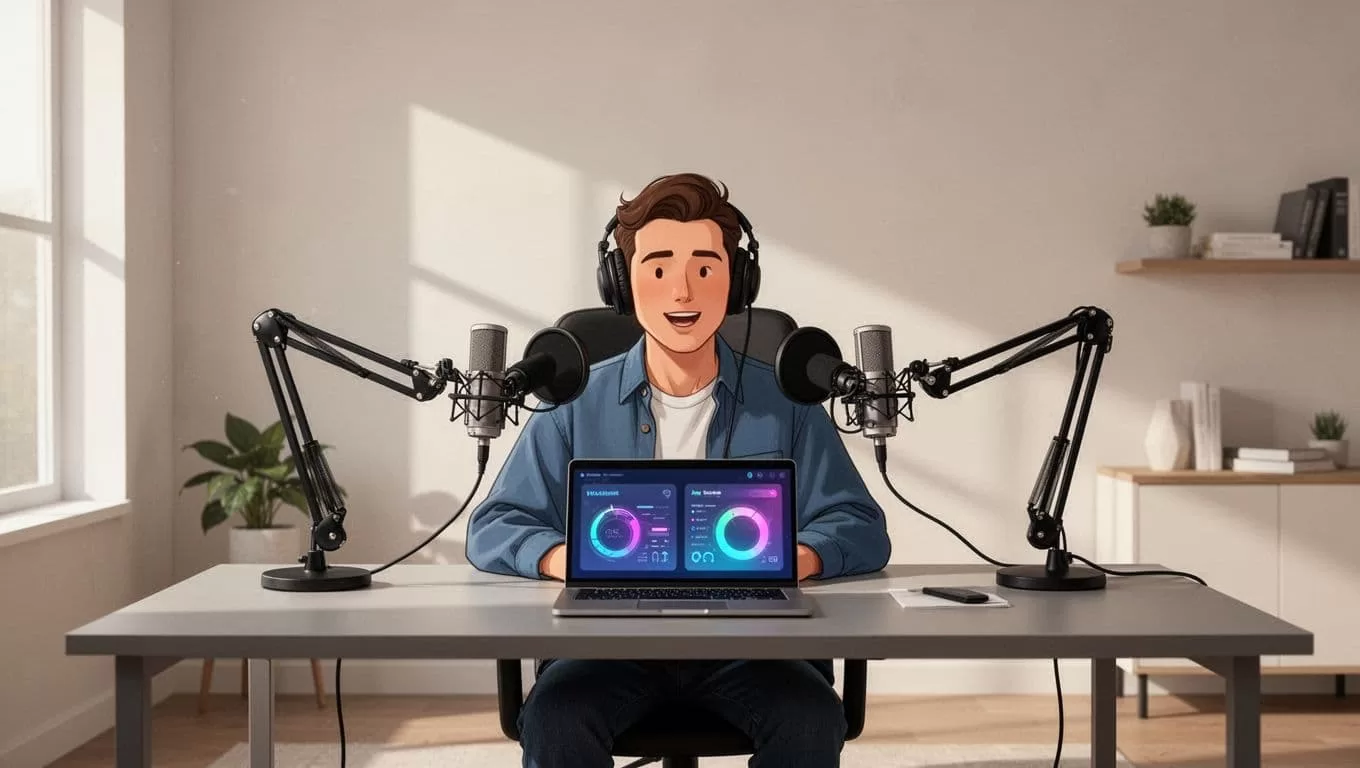
The key point is that the plan cap is not based on how many podcasts I create. It’s based on account-wide downloads and private subscribers. That means two small shows can fit on the Starter plan, while a growing pair may move me to Professional or Business.
| Plan | Monthly price | Monthly downloads | Private subscribers | Good fit |
|---|---|---|---|---|
| Starter | $19 | 20,000 | 50 | Two small public shows or one public show plus a tiny private feed |
| Professional | $49 | 100,000 | 500 | Growing shows that need dynamic ads or YouTube auto-post |
| Business | $99 | 250,000 | 3,000 | Bigger teams that want branding removal |
| Enterprise | $199+ | Over 250,000 | Over 3,000 | High-volume podcast networks |
The takeaway is simple. If my two podcasts are modest in size, I can keep both under one bill and keep their feeds separate.
That setup also makes billing easier. I only manage one subscription, one login, and one support path. Meanwhile, each podcast still gets its own site and analytics. I don’t have to dig through two dashboards to answer basic questions.
Transistor also includes useful core features across plans, like unlimited team members, analytics, API access, live support, and a website for each podcast. Those details matter when I’m running more than one show, because the second podcast should feel like a real product, not an afterthought.
Why centralized analytics matter
When I host two podcasts in one account, I can compare them without switching tools. That makes it easier to see which show brings in more listeners, which episode format holds attention, and which release day performs better. I get one billing view, but I still read the numbers show by show.
For brands, that split is useful. A public podcast may drive reach, while a private podcast may support employees, customers, or members. The goals differ, so I want clean reporting on both. For agencies, the same setup keeps client work organized without adding another platform to the stack.
I also like that Transistor gives each podcast its own website. That means I can point listeners to the right show page, share the right feed, and keep the branding separate. The account is shared, but the listener experience is not.
If I compare tools, I want that balance. Shared management saves time. Separate analytics protect clarity.
Who gets the most value from one account
This setup works best when the two podcasts share a team, a budget, or a long-term plan. I see four common fits.
- Agencies managing client podcasts, because one login is easier to oversee than two subscriptions.
- Brands with a public show and an internal feed, because private subscribers stay inside the same account limits.
- Founders running one interview show and one company update show, because the analytics stay in one dashboard.
- Solo creators testing a second niche podcast, because I can launch it without opening another host account.
I like this model most when the second podcast is still proving itself. It keeps costs low while I learn whether the show deserves more spend later.
One independent 2026 review at Podcast Pontifications reaches the same broad conclusion, unlimited shows make Transistor appealing for small teams and solo hosts. That matches the pricing structure I see now.
Setting up the second podcast without starting over
When I add a second show, I treat it like opening a new aisle inside the same store. The shelves are separate, but the checkout stays the same.
- I pick the right plan based on the total downloads and private subscribers across both podcasts.
- I create the second show in the same Transistor dashboard, then add the title, artwork, and show description.
- I connect distribution settings, upload the first episode, and publish the RSS feed for that show.
- I check analytics for each podcast on its own, then compare the totals when I want the bigger picture.
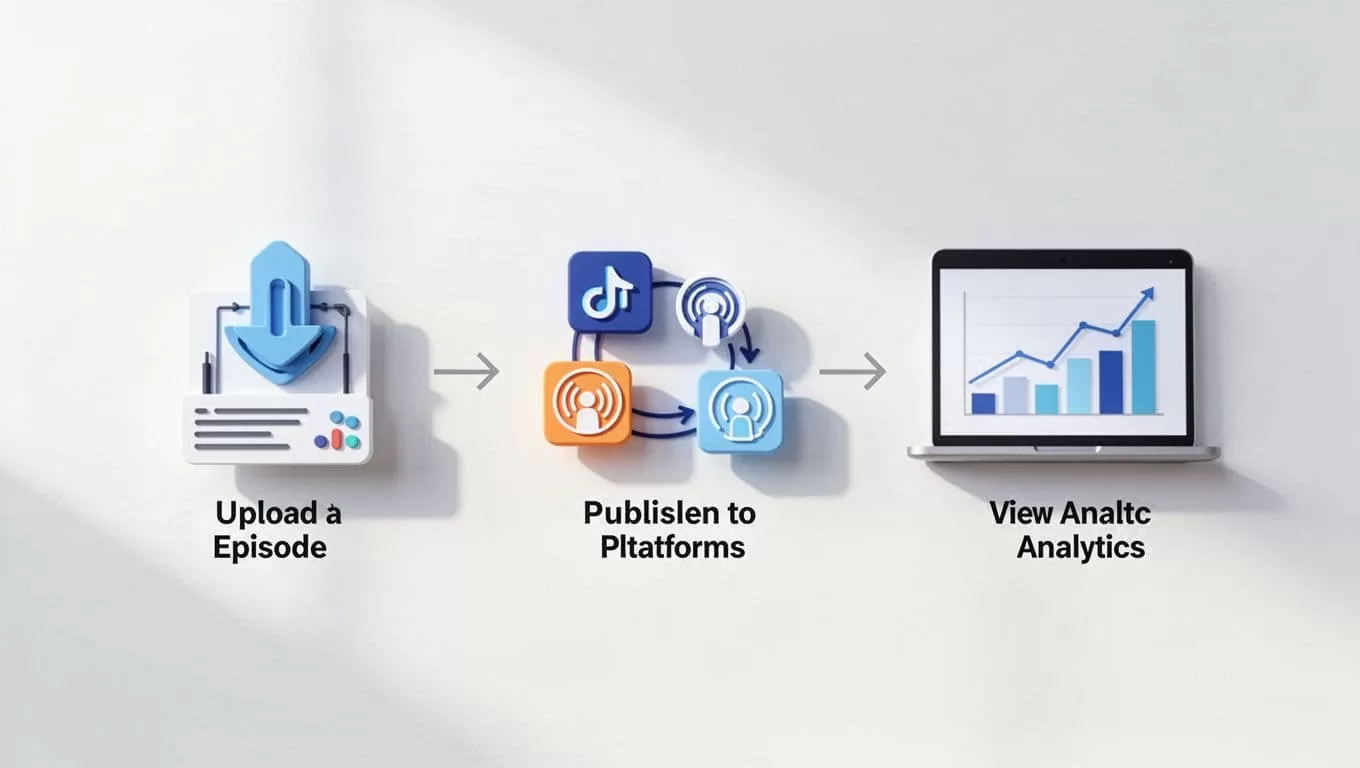
That process feels easier than setting up two separate hosts. I still give each podcast its own identity, but I don’t repeat the admin work. The shared account cuts the clutter.
I also keep repurposing in mind. If I turn either show into short-form clips, I use my Opus Transistor.fm workflow for shorts. It helps me squeeze more value out of one recording session without creating another hosting headache.
Limits and trade-offs I watch closely
The biggest caveat is that “unlimited podcasts” does not mean unlimited scale. The plan still has download caps and private subscriber caps, and those apply across the account. If one show takes off fast, the pair may outgrow the same tier.
I also watch which features sit behind higher plans. Dynamic ad insertion, dynamic show notes, and YouTube auto-post are on Professional and up. Branding removal starts on Business. So if one podcast needs premium tools and the other does not, I still pay for the higher tier once.
Another detail is file size. Transistor says individual audio files can be up to 1,000 MB, and there is no episode count limit. That gives me room for long interviews and bonus episodes, but I still keep uploads tidy so I don’t waste time later.
The 14-day free trial helps here. I can test both shows before I commit, then switch to yearly billing if the setup feels right. That matters when I’m trying to keep costs under control without boxing myself in.
Conclusion
If I need two podcasts under one roof, Transistor.fm makes the math easier. I get one account, separate feeds, separate analytics, and pricing that follows audience size instead of show count.
That is why Transistor.fm podcast hosting works so well for creators, brands, and agencies with more than one show. I can launch the second podcast, keep costs in check, and scale only when the numbers say it’s time.

