Travelpayouts Monetization for a Travel Newsletter
A travel newsletter can earn more than opens and replies. It can produce bookings when each issue helps a subscriber make one trip decision. Travelpayouts monetization works best when the offer matches what the reader plans to book next. A...
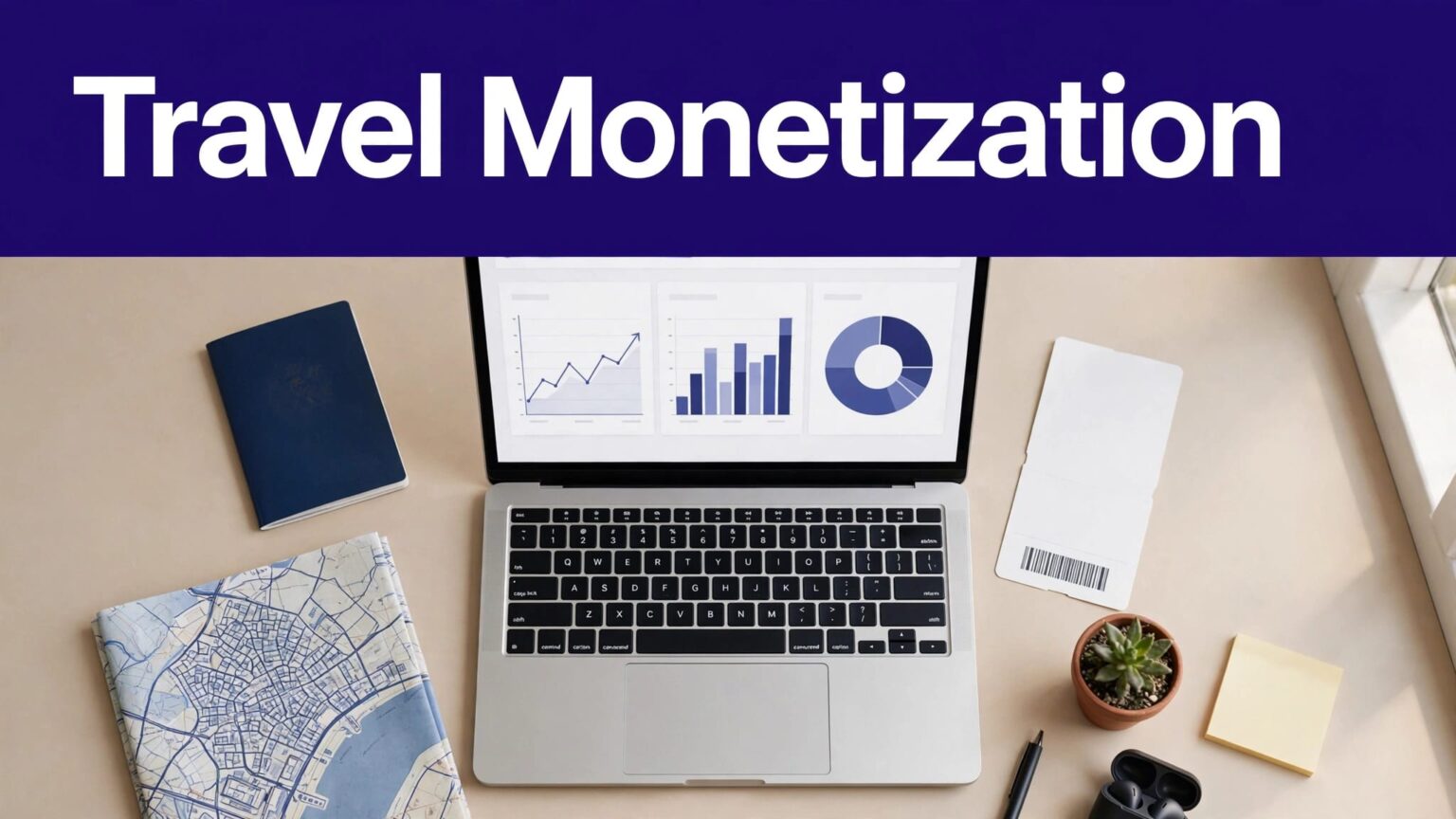
A travel newsletter can earn more than opens and replies. It can produce bookings when each issue helps a subscriber make one trip decision.
Travelpayouts monetization works best when the offer matches what the reader plans to book next. A generic hotel link in every send won’t do much. A direct hotel search for a reader planning three nights in Lisbon can.
Build the offer, link, tracking, and review process before you increase send volume.
BUILD A TRAVELPAYOUTS MONETIZATION SYSTEM
Travelpayouts gives publishers one dashboard for multiple travel programs, links, reports, and payouts. The platform covers flights, accommodations, tours, transfers, rentals, insurance, and other travel categories.
Do not connect every available program and paste links into your next issue. Start with the services your audience already asks about.
Start With Program Rules and Current Terms
Create your account, then review each program before you promote it. Some brands approve publishers instantly. Others have separate requirements or limited promotional tools.
Travelpayouts says it shares up to 70% of its revenue from referred bookings. Its published examples cite typical rates of 1.1% to 1.5% for flights and 4% to 5% for hotels. Those figures are not a forecast.
A commission can apply to booking value, an advertiser’s revenue, or a completed trip. Cancellations, taxes, extras, insurance, and attribution rules can also change the final amount. Review the Travelpayouts affiliate marketing guide and the current program page before you plan revenue.
Choose Offers That Fit Your Newsletter
Pick a small working set. Most newsletter creators need three to five programs at first.
A city-break newsletter may need hotel and activity links. A remote-work newsletter may need monthly stays, airport transfers, and travel insurance. A family travel newsletter may convert better with apartment stays, rental cars, and flexible activities.
The offer must solve the job in front of the subscriber. A reader researching Tokyo hotels has different intent than a reader looking for a two-week Japan itinerary.
A high commission rate does not repair a weak offer match. Readers book when the destination, travel dates, and booking path line up.
MATCH OFFERS TO SUBSCRIBER INTENT
Subscriber intent is the reason someone opened the email. Get that right before you worry about copy length or button color.

Segment by Trip Stage, Not Only Demographics
Do not split your list only by country, age, or broad interest. Those fields can help, but booking intent matters more.
Use signup questions, link clicks, replies, and past newsletter behavior to build useful groups:
- Readers who are choosing a destination need guides, airfare alerts, and a reason to travel.
- Readers with dates need flight, hotel, rental car, and transfer links.
- Readers already in a destination need tours, activities, local transport, and short-notice stays.
- Readers planning long trips may need insurance, multi-city transport, and monthly accommodation.
A subscriber who clicks “best hotels in Rome” has given you a clear signal. Follow up with Rome accommodation options, not a broad Europe round-up. A simple email list segmentation approach can help you turn those signals into practical groups.
Give Each Email One Booking Job
A newsletter issue can include several useful links. It should still have one primary booking action.
For example, a “48 Hours in Copenhagen” issue may lead with a hotel search. It can mention airport transport and one activity later in the email. The main call to action stays focused on where the reader will sleep.
This structure reduces choice overload. It also gives you cleaner data. When every email contains eight unrelated affiliate offers, you won’t know what caused a booking.
Use the exact core phrase Travelpayouts monetization as an operating goal, not a content category. Every placement should answer one question: what is this reader most likely to book now?
CREATE DEEP LINKS THAT REDUCE FRICTION
A homepage link asks the subscriber to search again. A deep link carries them closer to the booking decision.
That difference matters on mobile, where every extra step can lose the sale.
Link to the Relevant Search or Product Page
Use a direct link to a destination, property type, attraction, route, or search result when the partner allows it. If you write about boutique hotels in Porto, send readers to a Porto hotel search instead of a general travel homepage.
Travelpayouts documents how to create and use affiliate links for specific partner pages. Build each link inside your account or use approved tools for the program.
Check every link before you send. Confirm that it opens the correct destination, supports the reader’s market, and includes your tracking details.
Do not hide a vague destination behind copy like “see options.” Use practical link text such as “search hotels in Porto” or “compare Rome airport transfers.”
Add SubIDs for Every Placement
A SubID is a campaign marker added to your tracking link. It tells you which newsletter issue, segment, and placement produced the click or booking.
Use a fixed naming rule. Keep it short enough to read in a report.
| Field | Example |
|---|---|
| Newsletter issue | rome-weekend |
| Audience segment | italy-clickers |
| Link placement | primary-hotel |
| Send month | sep-2026 |
A combined value might look like rome-weekend_italy-clickers_primary-hotel_sep-2026.
Store the same value in your email platform. Now you can compare opens, clicks, bookings, and earnings without guessing where the result came from.
PLAN SEASONAL CAMPAIGNS AROUND TRIP DECISIONS
Seasonal sends work when they meet a real planning window. Do not promote summer hotels after most readers have booked. Do not wait until late December to introduce a spring-break destination.
Start campaign planning six to 12 weeks before the likely travel period. Longer-haul and holiday travel often needs more lead time.
Use a Practical Campaign Calendar
Build your calendar around destinations and booking categories, not generic holiday content.
| Campaign period | Newsletter angle | Primary offer |
|---|---|---|
| January to February | Spring city breaks and school holidays | Flights and hotels |
| March to May | Summer trip planning | Hotels, rentals, and activities |
| June to August | Last-minute weekends and local experiences | Activities and transfers |
| September to November | Winter sun and festive travel | Flights, hotels, and insurance |
| November to December | Early next-year planning | Long-stay accommodation and flights |
Check live partner availability before each campaign. A property, route, commission term, or search tool can change without notice.
Build a Short Sequence, Not One Big Send
Send an initial planning issue. Follow it with a focused booking email for subscribers who clicked. Then send a useful reminder near a real decision point, such as a fare deadline or approaching holiday period.
Keep the follow-up relevant. A reader who clicked Sicily hotels should receive Sicily options, not a second generic summer newsletter.
MEASURE CLICKS, BOOKINGS, AND APPROVED EARNINGS
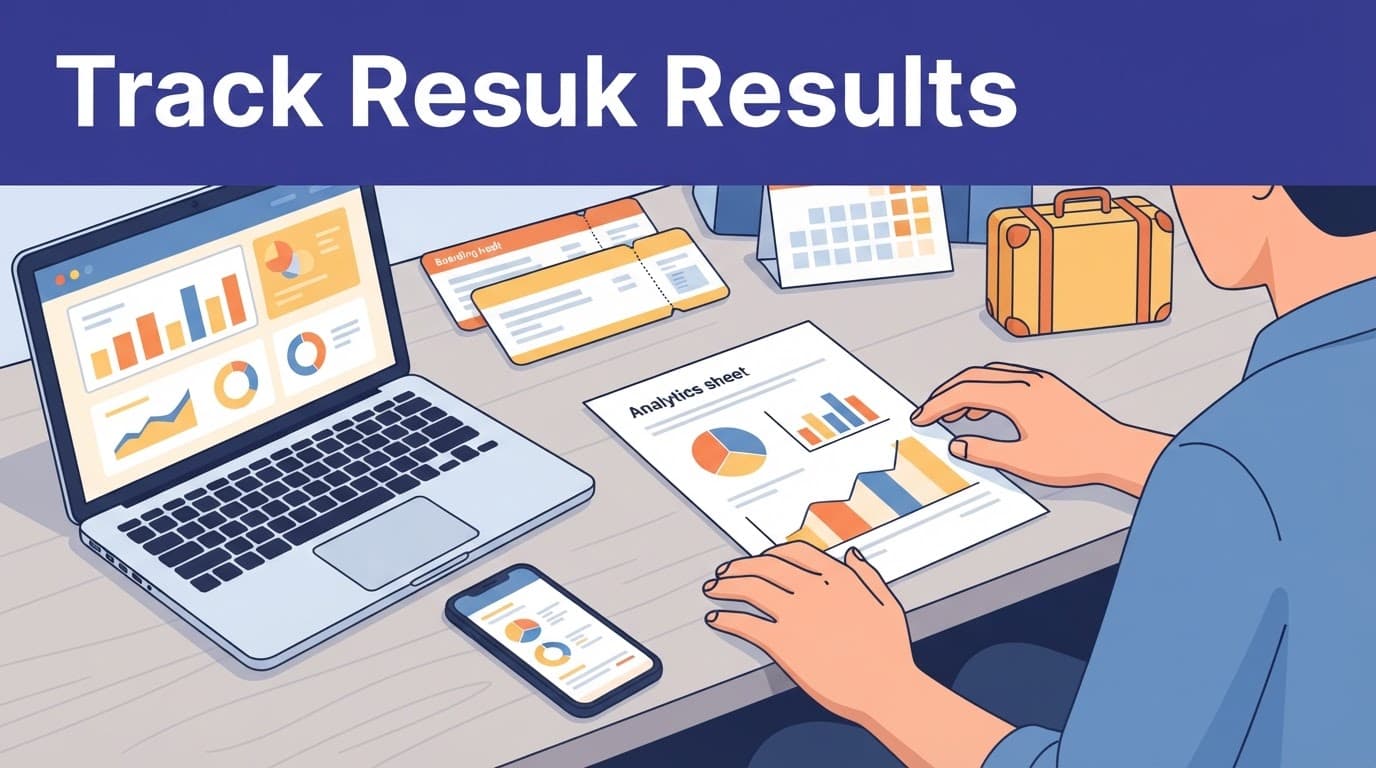
Clicks are not revenue. Pending bookings are not revenue either. A booking can cancel, reverse, or fail to meet the program’s reward condition.
Keep a Fixed Earnings Record
Use a spreadsheet or database with one row for each newsletter, program, and campaign marker. Do not estimate income from one strong send or a dashboard screenshot.
Record:
- Newsletter issue, send date, audience segment, and traffic source.
- Travelpayouts program, offer type, deep link, and SubID.
- Clicks, bookings, pending rewards, approved rewards, reversals, and paid earnings.
- Commission condition and the date you checked it.
- Payout date, payment method, and any account notes.
Use this calculation:
Net affiliate earnings = approved percentage rewards + approved fixed rewards – reversals
Keep original entries intact. If an approved reward later reverses, add an adjustment row. Do not overwrite the first record. You need to see what changed and why.
Review the Right Reports Each Month
Use performance data for the broad picture. Use booking-level data when an unusual result needs an explanation.
Look for high-click emails with few confirmed bookings. That pattern often means the offer, page, or audience segment is wrong. Check whether the deep link is valid, the product is available, and the message promised something the landing page does not provide.
Travelpayouts can show labels such as potential, confirmed, or paid earnings in different views. Read the current status definition before reporting revenue. A completed click proves interest. It does not prove a commission.
IMPROVE CONVERSIONS BEFORE YOU SEND MORE
More sends can create more unsubscribes. Fix weak booking paths before you add frequency.
Find the Break in the Funnel
Start with the campaign that gets clicks but little approved revenue. Review it in order.
Check the destination and dates first. Then check the offer category, landing-page relevance, mobile experience, and market availability. A flight offer may attract curiosity clicks when the reader needs a hotel. A hotel search may fail because the email targets travelers who have not selected dates.
Last-click attribution also matters. Travel bookings can take days or weeks. A subscriber may click your link, then book after using another affiliate link. Your original referral may not receive credit.
Test One Change at a Time
Run a small test for one variable. Change the link destination, offer category, email subject, call to action, or segment. Do not change all five at once.
For instance, test a city-specific hotel link against a broad accommodation page. Send both versions to comparable groups. Compare approved bookings and net earnings after the normal confirmation period.
Travelpayouts monetization improves through this review cycle. Keep the email types that create approved earnings. Reduce the placements that only create activity.
USE DISCLOSURES AND PROTECT SUBSCRIBER TRUST
Tell readers when a link may earn you a commission. Put the disclosure near the first affiliate link or in a clear, visible location near the top of the email.
Plain language works: “Some links in this email are affiliate links. If you book through them, we may earn a commission at no extra cost to you.”
Travelpayouts provides affiliate disclosure examples and guidance. You should also review current advertising rules in the countries where you operate and where your readers live. This affiliate disclosure compliance guide explains why vague footer text is not enough.
Follow Email, Privacy, and Partner Rules
Get valid consent before you email subscribers. Provide a working unsubscribe method. Protect subscriber data and do not share it with travel partners unless your privacy notice and applicable law permit it.
Review each partner’s terms before using affiliate links in email. Newsletter traffic rules can differ by program. Terms, commissions, inventory, cookies, payout methods, and platform features can change. Confirm current details in your Travelpayouts account before you publish a campaign.
BUILD REVENUE ON USEFUL TRIP DECISIONS
The best travel newsletters do not push every booking category in every issue. They help readers make the next decision, then provide the shortest useful route to book.
Use relevant deep links. Track campaigns with SubIDs. Judge results by approved earnings, not click volume. Keep the disclosure clear and the program terms current.
Travelpayouts monetization becomes more reliable when every commission can be traced to a useful email, a specific offer, and a confirmed booking.
