How I Track Trending Gardening Products on Exploding Topics
Gardening products can move from quiet to crowded in a single season. I watch that shift early, because the first rise often hides the best product and content ideas. I use trending gardening products as a research clue, not a verdict. Then...
Gardening products can move from quiet to crowded in a single season. I watch that shift early, because the first rise often hides the best product and content ideas.
I use trending gardening products as a research clue, not a verdict. Then I test that clue against search growth, seasonality, competition, and monetization potential before I spend time or money.
How I read the signal before I trust the product
I start with Exploding Topics’ trending products feed and compare it with my own Exploding Topics data workflow. That gives me a fast read on what is warming up, instead of what is already crowded.
A rising chart alone means little. I want to know why the line is moving. Is it a real need, a seasonal push, or a burst of social chatter?
That difference matters. A spike can fade fast, but steady growth usually leaves a trail of buyers. I look for that trail in search phrases, related terms, and product language.
I trust a trend when the buyer shows up in the data, not just the headline.
In April 2026, that matters more than ever. Gardening searches are splitting into smaller needs, and the best product ideas often sit inside those smaller needs. For a wider view, I also keep my niche market research process close at hand.

Gardening products I’m watching right now
I like products that solve a small, repeat problem. That’s why I keep an eye on compact herbs, small-space vegetables, reusable tools, and simple support gear.
Right now, a few names keep coming up. The latest 2026 coverage points to compact edible plants, including kale ‘Rubybor’, basil ‘Treviso’, tabletop vegetables, blackcurrants, and smaller tomato and eggplant varieties. I also see interest in tools like the Hori Hori knife, adjustable plant ties, and multi-use watering gear. For a broader shopping view, I cross-check with CTV’s 2026 gardening toolkit roundup and this 2026 gardening trend snapshot.
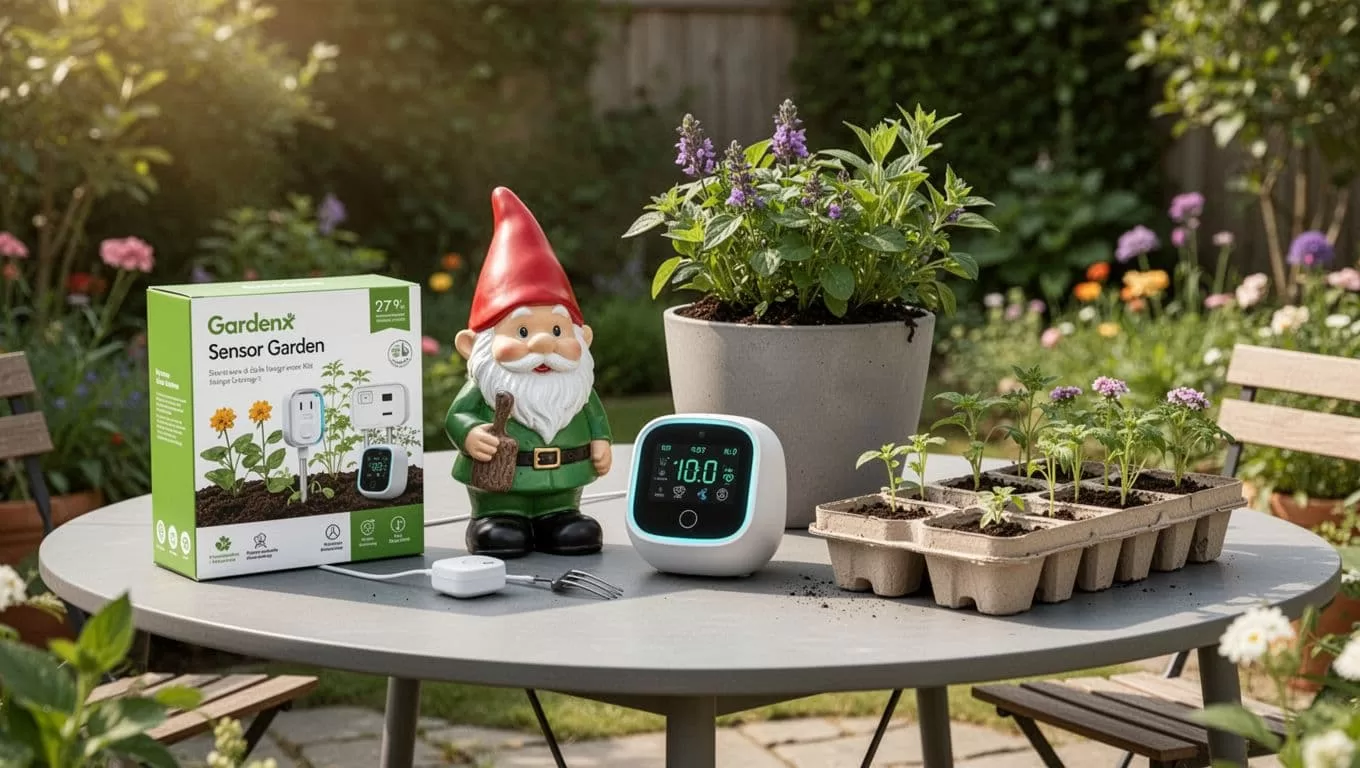
I pay special attention to products that fit apartments, patios, and container beds. Those spaces force better buying decisions. If a product works there, it often works for a wider audience too.
I also like items that support repeat content. A smart planter can become a review page, a setup guide, and a comparison post. Seed starters can support spring content, beginner guides, and product bundles. That gives me more than one way to earn from the same trend.
The filters I use before I call a trend worth chasing
A pretty trend is not enough. I want a product that can survive a search engine, a shopping cart, and a margin check.
Here’s the filter I use before I move forward:
| Signal | What I want to see | Why I care |
|---|---|---|
| Search growth | A steady climb over weeks or months | It shows real demand is building |
| Seasonality | A pattern I can plan around | It helps me time content and stock |
| Competition | Thin content or weak listings | It gives me room to stand out |
| Monetization | Bundles, refills, accessories, or upgrades | It improves the chance of profit |
Search growth tells me the topic has momentum. Seasonality tells me when the money window opens. Competition tells me how hard the first page will be. Monetization tells me whether the idea can support more than one sale.
I use seasonal launch timing with Exploding Topics when a product has a clear planting window. I also lean on my trend-to-niche workflow when I need to decide if a product is worth building content around.
How I turn a gardening trend into SEO and ecommerce value
Once a product passes the filter, I ask a simple question, what content would a buyer want next? That answer shapes the page.
For example, a compact basil trend can become a buying guide, a container-growing guide, and a comparison page for small herbs. A Hori Hori knife trend can become a tool review, a beginner safety guide, and a “best garden tools for small spaces” article. That mix helps me catch people at different points in the buying path.
I also look for search terms with clear intent. Words like best, for small spaces, starter kit, and review matter because they show shopping intent. If the keyword feels useful to a real buyer, I spend more time on it.
When I build around a trend, I keep the offer small at first. I’d rather test one clear angle than launch a messy catalog. A single product page, one comparison post, and one helpful FAQ often tell me more than a dozen weak pages.
The best gardening opportunities usually have three traits. They solve a real problem, they fit a simple search pattern, and they can earn through add-ons or repeat buys. When those three line up, I know I’m looking at more than a passing trend.
The trick is staying close to the evidence. A garden chart can rise for many reasons, but a buyer only spends for one.
That’s why I use Exploding Topics as a starting light, then I test the path in search, content, and product math. If the trend holds up there, I pay attention.
