I rarely see the best health products arrive with a loud entrance. They usually start as small rises in searches, comments, and product chatter. If I wait until a trend feels obvious, I’m already late.
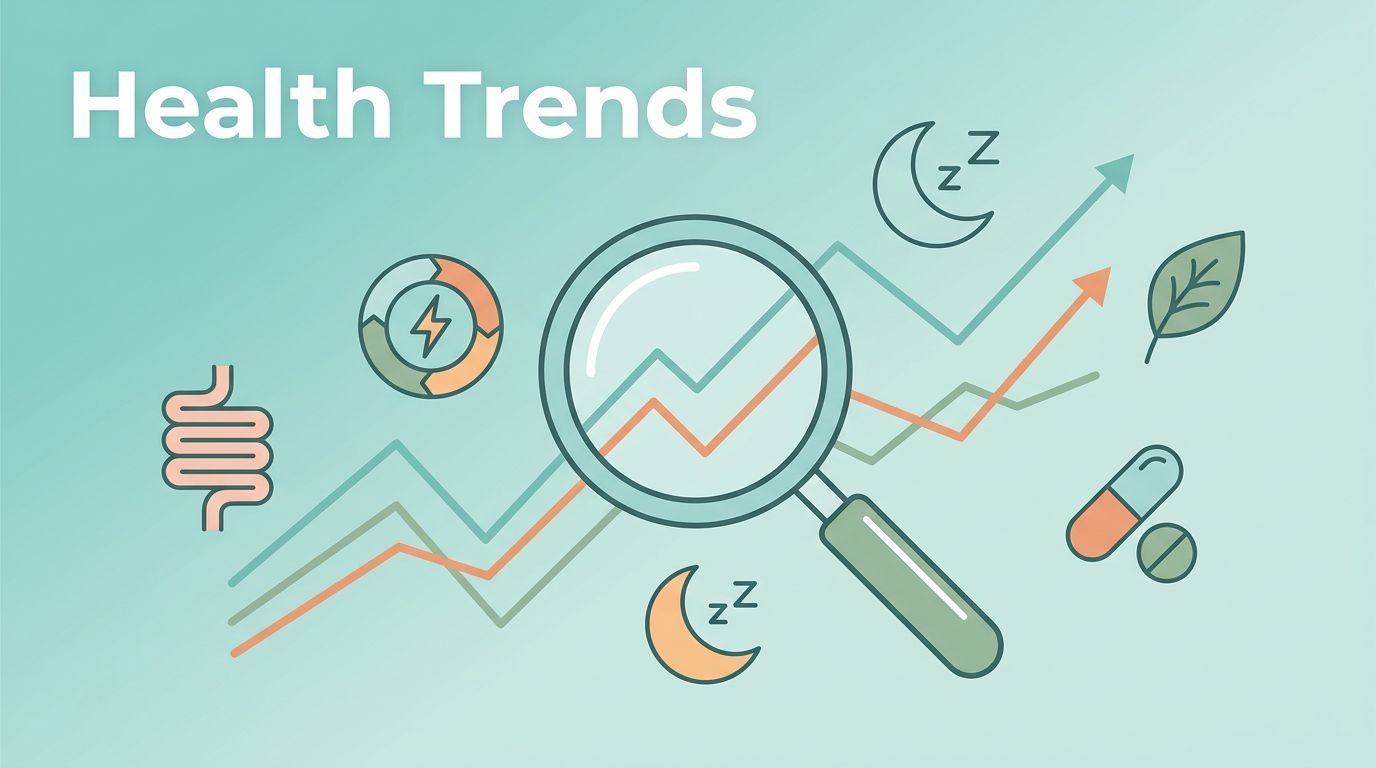
That’s why I treat trending health products as a research problem, not a shopping list. In April 2026, the clearest signals I’m seeing point to metabolic health, gut support, sleep tools, calm aids, and combo supplements.
I don’t read those signals as medical proof. I read them as demand clues, and that difference matters.
How I read Exploding Topics without chasing noise
When I open Exploding Topics, I don’t stare at one graph for too long. I look for clusters, because one rising term can be a fluke. Three connected terms often point to a real need.
For context, I keep one eye on Exploding Topics’ health topics page and another on the broader trending products database. The first shows where attention is moving. The second helps me see whether a product idea sits inside a larger buying pattern.
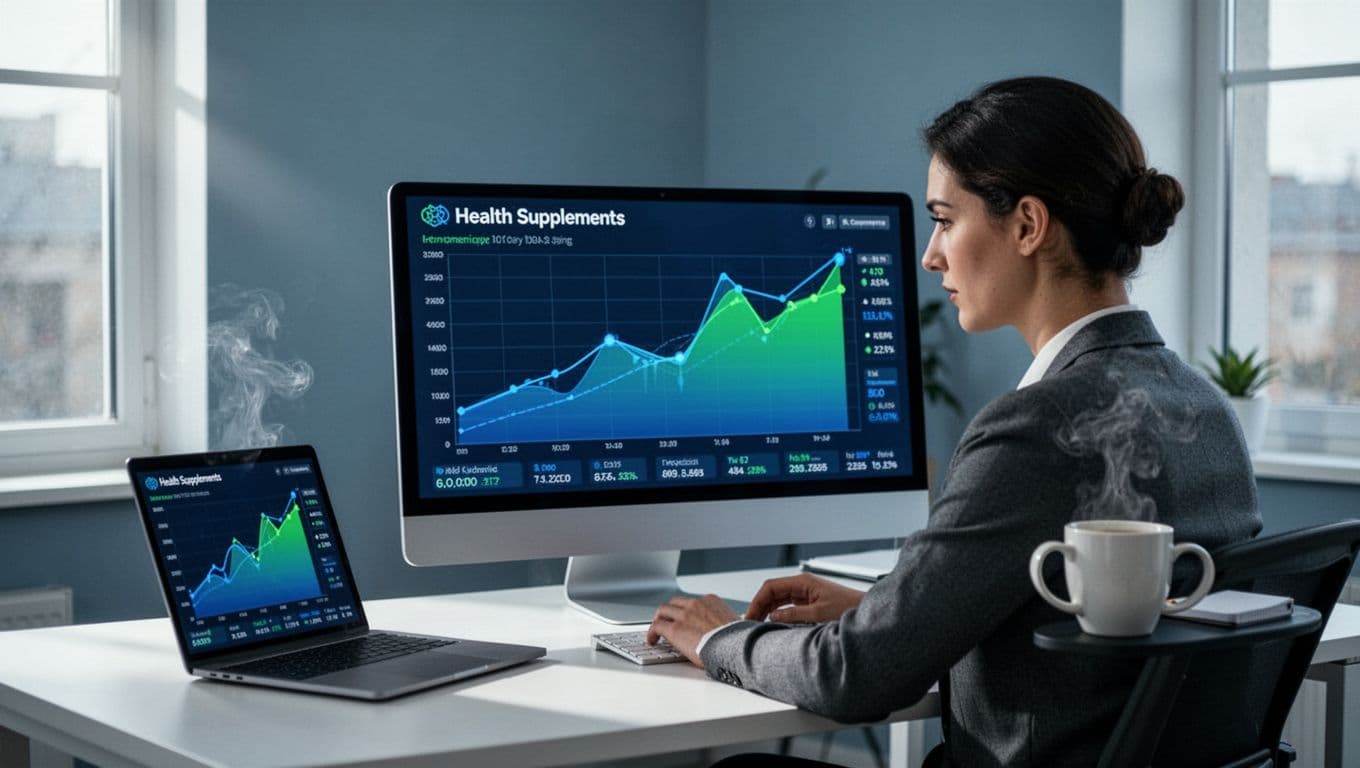
I also compare the trend with the process I use in my Exploding Topics trend process. I’m looking for motion that makes sense, not just motion that looks exciting.
A rising line tells me people are paying attention. It doesn’t tell me why they care, who pays, or whether they’ll buy twice. That’s where the real work starts.
Health categories I’m watching right now
As of April 2026, I’m paying close attention to a few health buckets that keep showing up in trend reports and product scans. Recent wellness coverage from Outside’s 2026 health trends roundup points in the same direction, which makes me more confident the movement is real. I also cross-check supplement chatter against this 2026 supplement trend list.
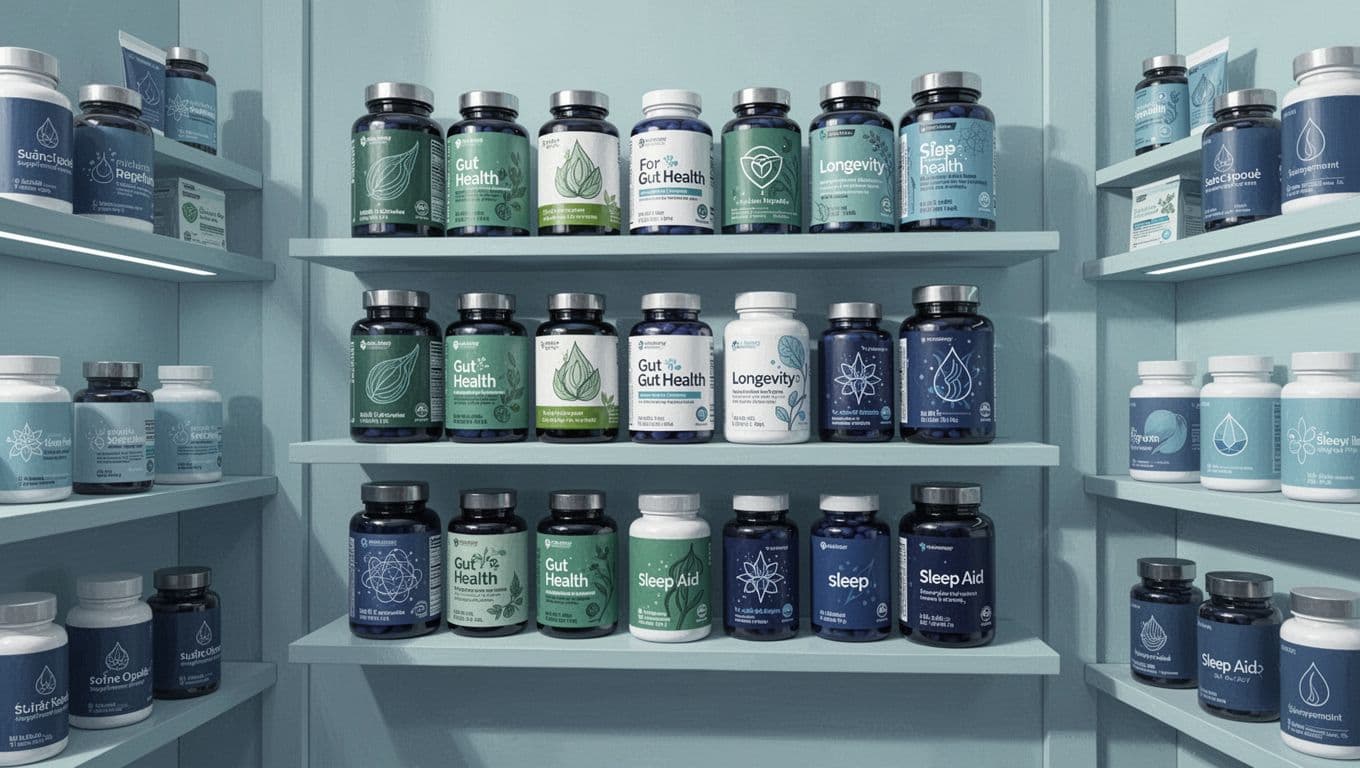
The categories I watch most closely are:
- Metabolic health products, especially items tied to protein, fiber, and routine support.
- Gut health, including probiotics, fermented foods, and fiber blends.
- Calm rituals, such as magnesium products and stress-support drinks.
- Sleep optimization, from wearables to bedtime tools and recovery aids.
- Longevity products, like creatine, NAD+ style supplements, and related routines.
I’m careful here. I don’t treat any of these as proven treatments. I treat them as signals that certain pain points, habits, and hopes are getting stronger.
If a category keeps expanding into new use cases, I pay more attention. That’s often where a small trend starts to look like a market. I use that same lens in how I track new ecommerce niches with data, because health trends and ecommerce trends usually meet at the same shelf.
The validation checklist I use before I call it an opportunity
A pretty chart can fool me. So I run every idea through a simple filter before I spend time, money, or content on it.
Here’s the checklist I use before I move forward:
| Signal | What I check | What I want to see |
|---|---|---|
| Search behavior | Rising terms, related searches, and wording shifts | Steady growth, not one spike |
| Consumer demand | Reviews, forum comments, repeat mentions | Clear pain or repeat use |
| Competition | Search results, ad density, product pages | Space for a sharper offer |
| Seasonality | Monthly patterns and holiday bumps | Predictable demand or a strong reason for peaks |
| Regulatory risk | Claims, labeling, and category rules | A path I can sell within safely |
Search behavior matters first. If people search for “best,” “review,” “bundle,” or “subscription,” I know buying intent is growing. If they only ask what something is, I slow down.
Consumer demand comes next. I want to hear the problem in the customer’s own words. That tells me whether the product solves a real job or just attracts curiosity.
Competition tells me how hard the space will be. I don’t avoid competition, but I do avoid crowded categories with weak differentiation. For keyword work, I often pair this with my low competition keyword process, because early demand and low friction can be a strong mix.
Seasonality matters too. Some health products rise for a clear reason, then cool off. That’s fine if I plan for it. It’s a mistake if I expect flat demand all year.
Regulatory risk is the final check. Health is not a casual category. Claims, labeling, and ad rules can shift quickly, so I avoid anything that sounds like a promise I can’t support.
How I turn a trend into a product test
Once a health trend passes my first checks, I don’t build a huge catalog. I keep the test narrow and fast.
- Pick one audience. I choose a clear buyer, like busy professionals, sleep-focused shoppers, or wellness-first parents.
- Choose one use case. I narrow the angle to a single problem, such as calm routines, gut support, or sleep prep.
- Build one simple offer. That might be a landing page, a content cluster, or a small product bundle.
- Watch the right signals. I track clicks, add-to-cart rate, email sign-ups, and repeat interest before I expand.
That’s the part many teams skip. They spot the trend, then rush into a big launch. I’d rather start with one sharp test and let the data argue with me.
If I want a wider market view, I also keep an eye on fast growing industries I’m watching. Health trends often move alongside broader shifts in automation, consumer behavior, and data-driven buying.
What I’m really looking for
The best part of Exploding Topics isn’t the headline. It’s the early signal behind the headline. When I combine that signal with search intent, buyer pressure, competition, seasonality, and compliance, I get a much cleaner view of what might last.
That’s why I don’t chase every shiny health trend. I look for the ones that show real movement and real need. In other words, I want a trend that looks small now but already has a pulse.
When I spot that early, I’m not guessing. I’m reading the market before it gets loud.