Fast-Growing VR Applications I’d Watch in 2026
The fastest-growing VR applications in April 2026 are not the flashiest ones. They’re the ones that save money, lower risk, or make a hard task easier to repeat. I use Exploding Topics as a first signal, then I compare it with market...


The fastest-growing VR applications in April 2026 are not the flashiest ones. They’re the ones that save money, lower risk, or make a hard task easier to repeat.
I use Exploding Topics as a first signal, then I compare it with market data and product behavior. Search spikes can point to hype, but they can also point to real buying intent. The difference shows up fast in healthcare, training, commerce, and venue-based entertainment.
I trust VR growth most when it cuts cost, risk, or friction. Hype fades. Payback doesn’t.
How I read the trend signals
I start with Exploding Topics’ VR startups roundup because it shows where attention is clustering. Then I check whether that attention matches wider market movement, like Reality Atlas’ State of XR 2026 and 2026 VR market trends.
That matters because search interest alone can mislead you. A product can trend for a month and still fail to sell. I look for categories where VR solves a clear problem, not a nice-to-have mood.
In 2026, the strongest signals point to use cases that replace live training, reduce patient pain, shorten buying decisions, or create paid group experiences. That is where I see real demand. The rest often looks busy, but moves slowly.
Healthcare and therapy keep pulling VR forward

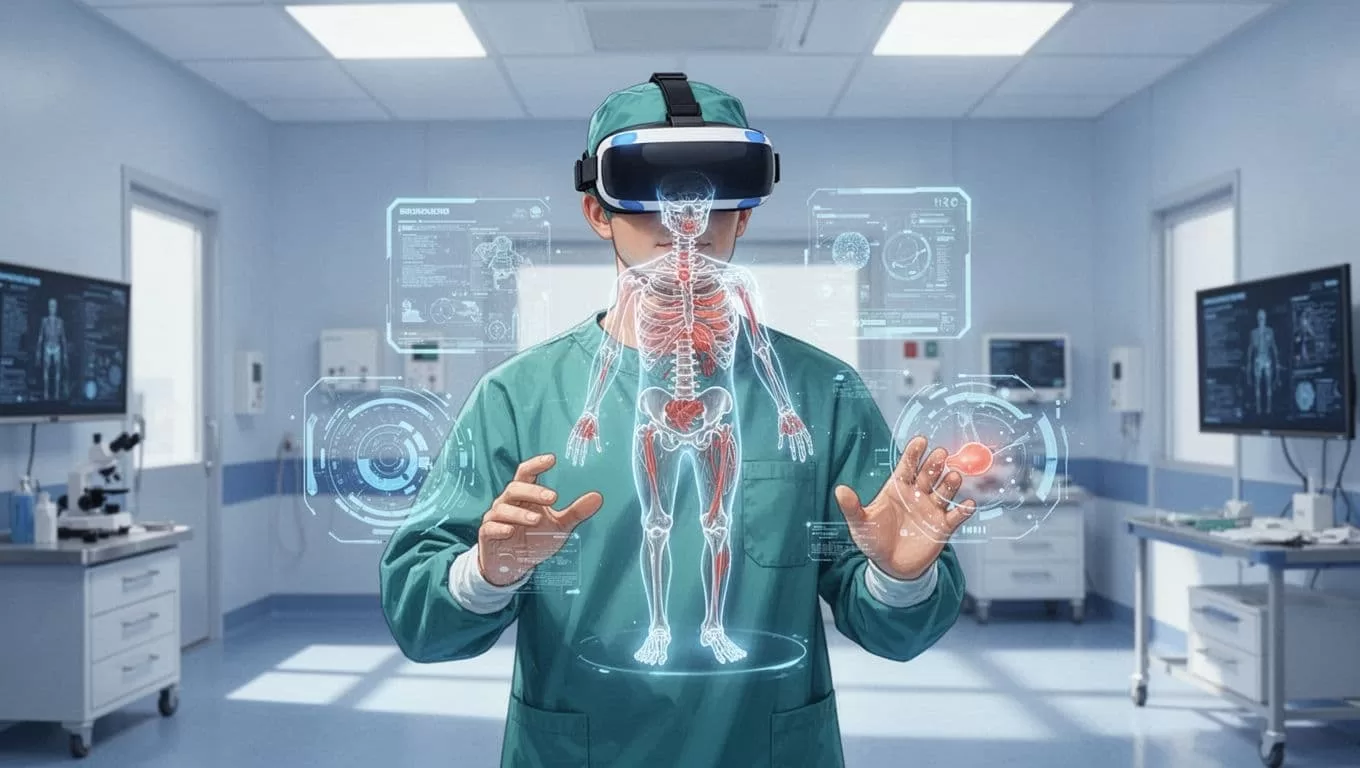
Healthcare is the clearest growth story I see. The search data and market reports line up with a simple truth, hospitals spend money when VR improves outcomes or saves time. That includes surgery rehearsal, pain distraction, rehab, exposure therapy, and clinician training.
The numbers back that up. Recent 2026 market analysis puts healthcare VR growth at 33.9% per year, and some hospitals report 50% lower pain during VR-supported care. I also saw claims of meaningful medication savings, which matters because healthcare buyers care about hard budgets, not demos.
For business leaders, the appeal is strong. VR training can lower errors before they reach patients. Therapy can create repeat use, which supports subscriptions and service contracts. Companies such as Osso VR and FundamentalVR fit this pattern because they sell repeatable practice, not one-off novelty.
I’d call this a sticky market. It needs evidence, approvals, and patience, but once it works, the customer rarely treats it like a toy.
Enterprise training beats casual VR meetings
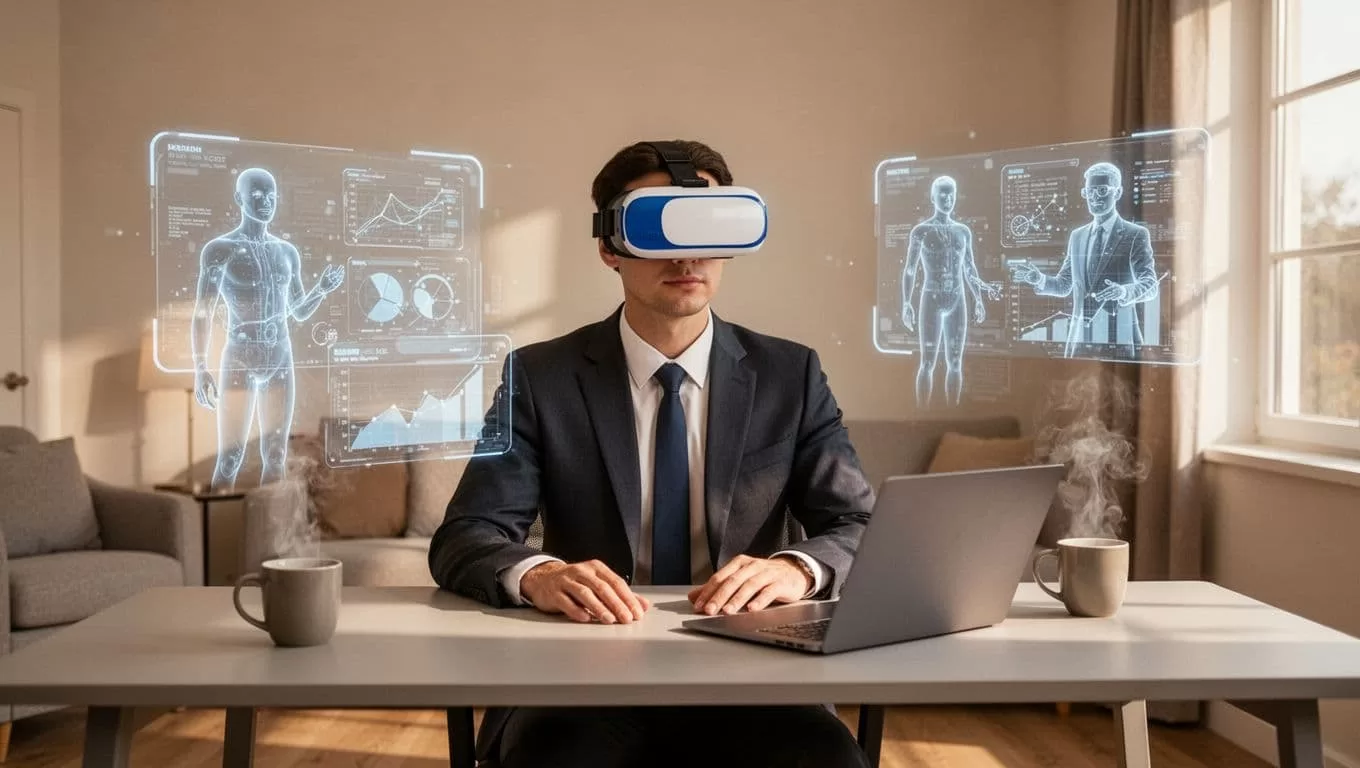
I see stronger momentum in enterprise training than in open-ended VR meetings. That matters because training has a clearer budget line. Safety drills, equipment practice, onboarding, and process simulations all make the value easy to explain.
The same 2026 data set says 75% of large companies using VR report a 10% efficiency gain. That kind of number gets attention from operations teams. It also helps explain why industrial simulation keeps gaining ground. If a headset helps a new worker avoid a costly mistake, the pitch gets simple.
Remote collaboration still has a place, but it has to earn its keep. Generic virtual conference rooms feel thin. Structured sessions, design reviews, and guided training hold up better. I think that’s why tools linked to industrial work and collaboration keep showing up in trend scans.
I also expect mixed reality headsets to keep pushing this category forward. The hardware is better, lighter, and easier to deploy than before. That makes the whole setup less awkward for teams that need results, not theater.
Retail and virtual commerce only work when friction drops

Retail in VR grows when it helps a buyer decide faster. That means product fit, room layout, visualization, or a better sense of scale. It does not grow just because a brand wants a virtual store.
I see the most promise in furniture, home goods, cars, and travel-like experiences where the purchase is high consideration. In those cases, VR can lower returns and raise confidence. If the experience doesn’t change the buying decision, it won’t last.
Browser access also matters. WebXR experiences in 2026 show how reducing install friction can make immersive shopping easier to test. That matters for marketers, because every extra step costs users.
For me, the business lesson is simple. VR commerce works best when it acts like a better showroom, not a digital mall.
Gaming, fitness, and social worlds are splitting
Consumer VR still lives on games, fitness, and group experiences. The difference in 2026 is that the winners are easier to define. Multiplayer games, location-based venues, and short fitness sessions keep people coming back. Lonely social spaces do not.
Immersive venues are one of the strongest consumer signals. Recent analysis puts that segment at 25% growth per year, with companies like Sandbox VR and Cosm leading the charge. Those businesses sell a night out, not a headset. That changes the economics.
Fitness also stays relevant because it gives people a clear payoff. A short workout in VR feels like a task with an end point. That is better than an endless hangout. Social and creator experiences can still work, but they need content, community, or a reason to return.
The weaker side is easy to spot. Generic metaverse offices, one-off branded worlds, and empty social hangouts feel mature or stalled. They may still exist, but they no longer define the growth story.
What I keep coming back to
| Segment | 2026 signal | My read |
|---|---|---|
| Healthcare and therapy | Fastest business growth | Strongest ROI and stickiest demand |
| Enterprise training | Efficiency gains in large firms | Clear budgets and repeat use |
| Retail and virtual commerce | Works when it reduces returns | Selective, not broad |
| Gaming and fitness | Venue-led and multiplayer activity | Best consumer pull |
| Generic social VR | Slower momentum | Needs a sharper reason to exist |
That table is the pattern I trust. VR grows fastest when it solves an expensive problem or creates a paid group experience people want to repeat.
Exploding Topics helps me spot the spark. The market data tells me whether the fire is real. In 2026, the strongest VR applications are the ones that earn their place through training, care, commerce, or shared play. Everything else has to work harder for attention.

