Trending 3D Printing Materials I’m Tracking on Exploding Topics
The hottest 3D printing materials in 2026 are not the easiest ones to print. They’re the ones solving heat, strength, static, weight, and waste. I keep an eye on those signals in trend data, then I cross-check them against real use. W...

The hottest 3D printing materials in 2026 are not the easiest ones to print. They’re the ones solving heat, strength, static, weight, and waste.
I keep an eye on those signals in trend data, then I cross-check them against real use. When a material keeps showing up in search growth, product launches, and factory talk, I pay attention. I also keep a broader view with my guide to future tech trends in 2026, because material shifts often start before the hardware gets all the attention.
In April 2026, the strongest signals point to parts that can survive real work. That means less novelty and more function.
Heat-resistant polymers are moving into real production
PEEK and PEKK keep rising because they handle heat that would melt ordinary filaments. They also resist chemicals well, which makes them useful for aircraft brackets, medical tools, and industrial parts that sit near hot motors.

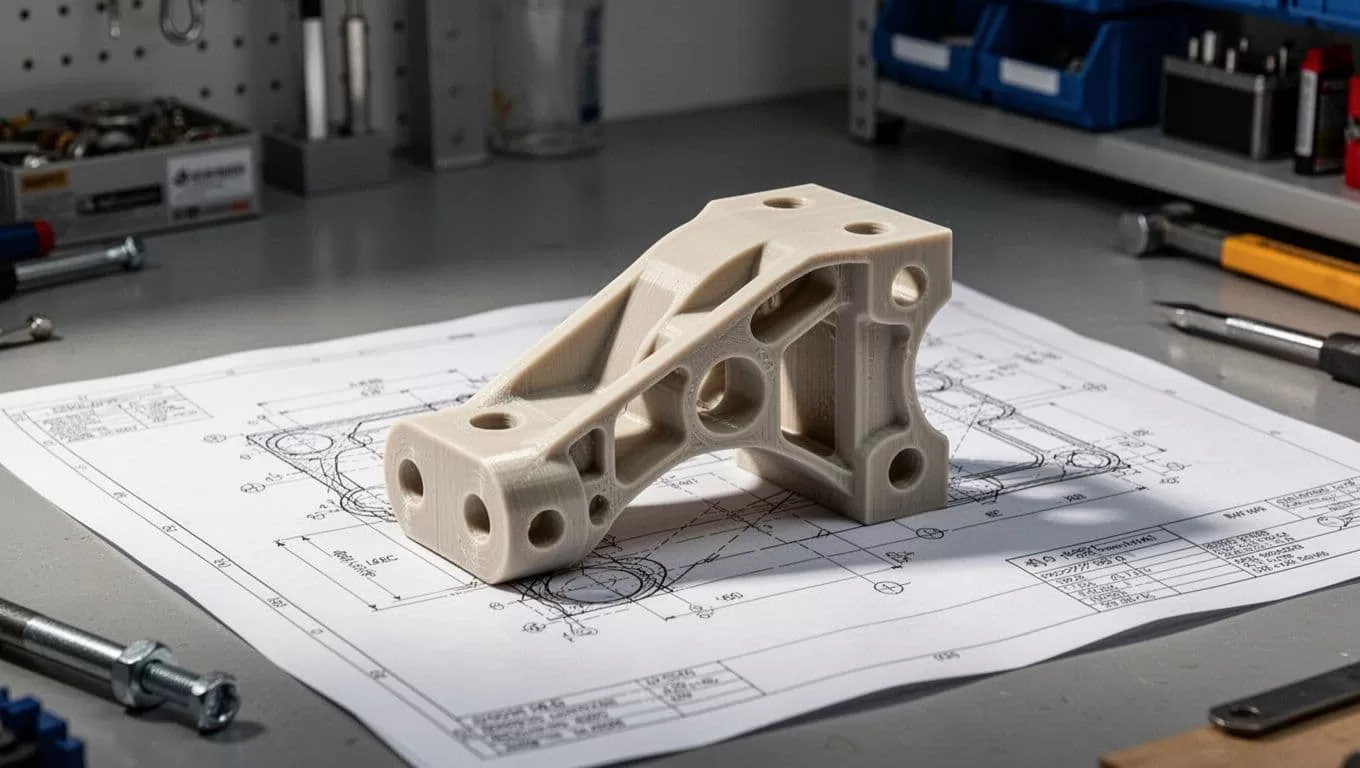
I see this category gaining speed because printers are finally better at managing high nozzle temps and enclosed chambers. That opens the door to aerospace, medical, and under-hood automotive parts that need strength without extra weight. I also watch nearby materials like PPS-GF20 and PPA-GF, because they sit closer to practical shop use.
If the printer can’t control heat, expensive filament turns into expensive scrap.
The downside is clear. These materials are costly, print slowly, and need dry storage. That keeps them in the early-stage to maturing zone, not the everyday hobby shelf. For a wider look at current material families, I cross-check what materials can be 3D printed in 2026.
Carbon fiber filaments still win on stiffness
Carbon fiber filled nylons, PPA-CF, and related composites are still climbing because they solve a simple problem well. They make parts stiffer and lighter without forcing a full jump to metal.
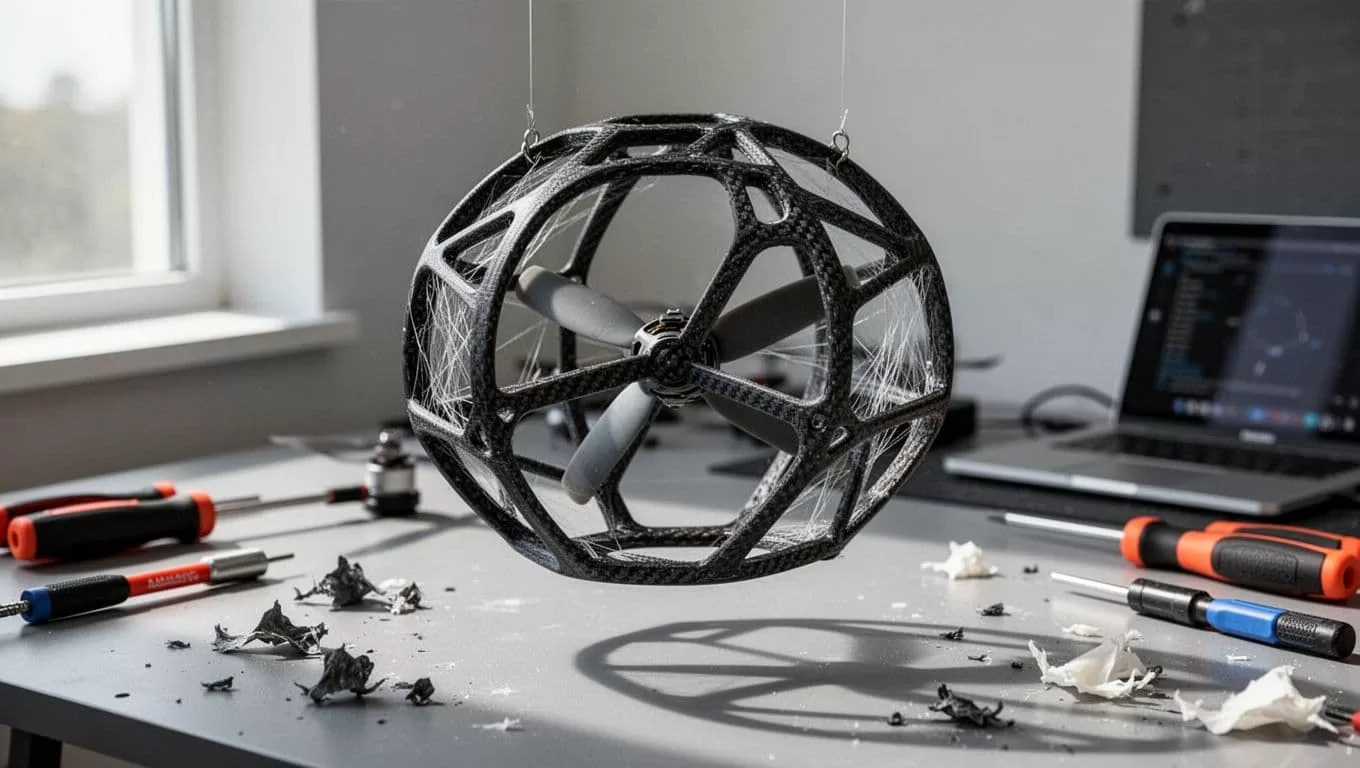
I keep seeing them in drone frames, robotics jigs, automotive fixtures, and aerospace test parts. They’re a good fit when a team wants something stronger than plain plastic but cheaper and faster than machined metal. That balance is why they keep showing up in both industrial and prosumer printers.
The tradeoff is abrasion. Carbon fiber chews through standard nozzles, and some blends warp if the base polymer is weak. So I treat this category as established, but still expanding. It’s no longer a novelty, yet there’s still room for better blends and better machines.
ESD-safe materials are solving a quiet problem
ESD materials don’t get much hype, but factories care about them a lot. They protect sensitive electronics from static discharge, which makes them useful for trays, fixtures, sensor housings, and assembly tools.
The rise makes sense. More devices now carry chips, sensors, and small boards that hate static damage. As electronics production spreads into more custom builds, the need for anti-static parts keeps growing. I see this most clearly in electronics manufacturing, lab equipment, and automation cells.
The material itself is only half the story. Print settings, filler content, and part design all affect performance. That means the category is mid-stage, with real adoption but still plenty of room for refinement. A recent multi-material 3D-printing breakthrough also matters here, because product teams want conductivity, insulation, and structure in one part.
Foaming filaments are changing lightweight parts
PEBA Air and TPU-Air caught my attention because they behave more like foam than rigid plastic. They create light, flexible parts with air pockets inside, which is useful when comfort matters.
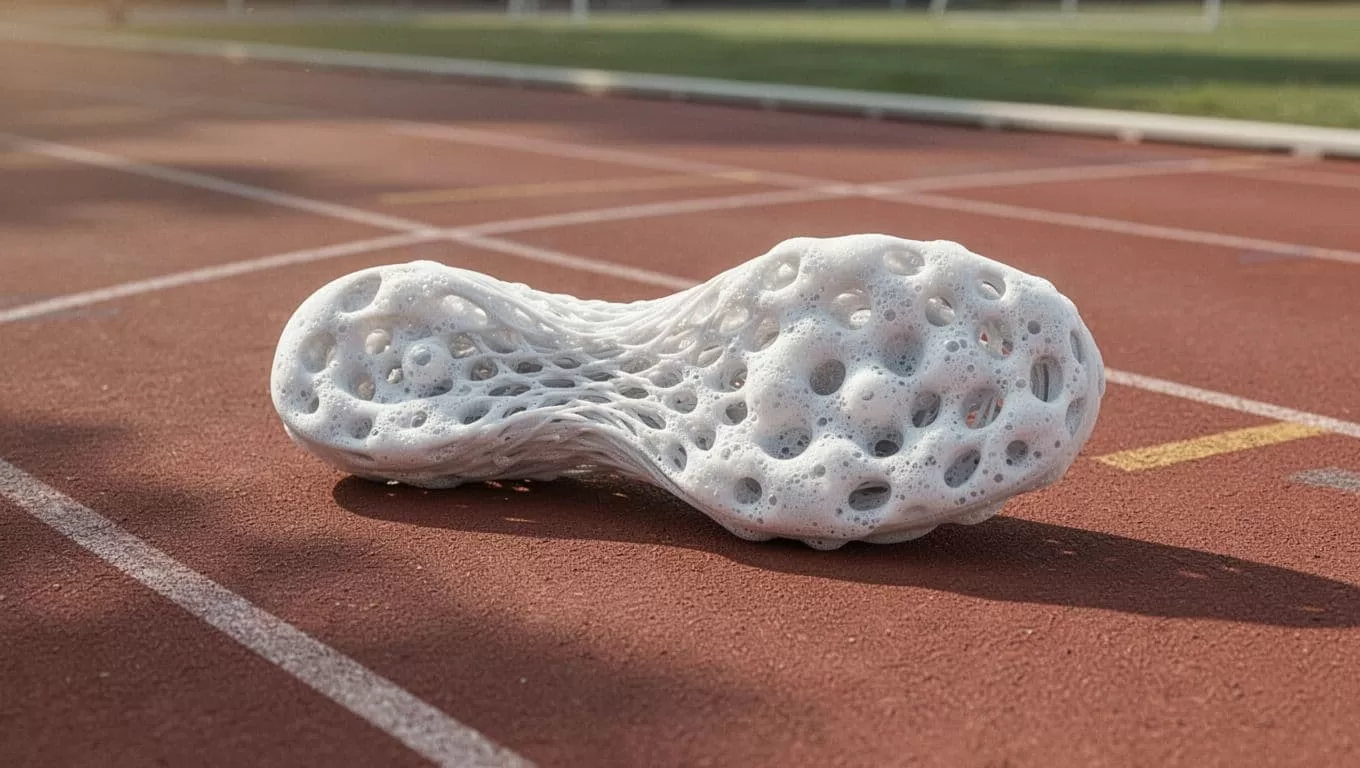
I’m seeing interest rise in consumer products, sports gear, grips, padding, and medical orthotics. Designers like them because they can tune hardness with temperature, so one filament can produce several feels. That flexibility gives product teams more room to test.
The catch is print sensitivity. Small temperature changes can shift the look and feel of the part, and not every printer handles them well. I’d call this early-stage, but the momentum is real because lightweight comfort sells.
Recycled and bio-based materials are gaining real budgets
Sustainable materials are no longer just a nice marketing line. Recycled plastics, recycled metal powders, fly ash mixes, and bio-based resins are getting serious attention because buyers want lower waste and clearer carbon numbers.
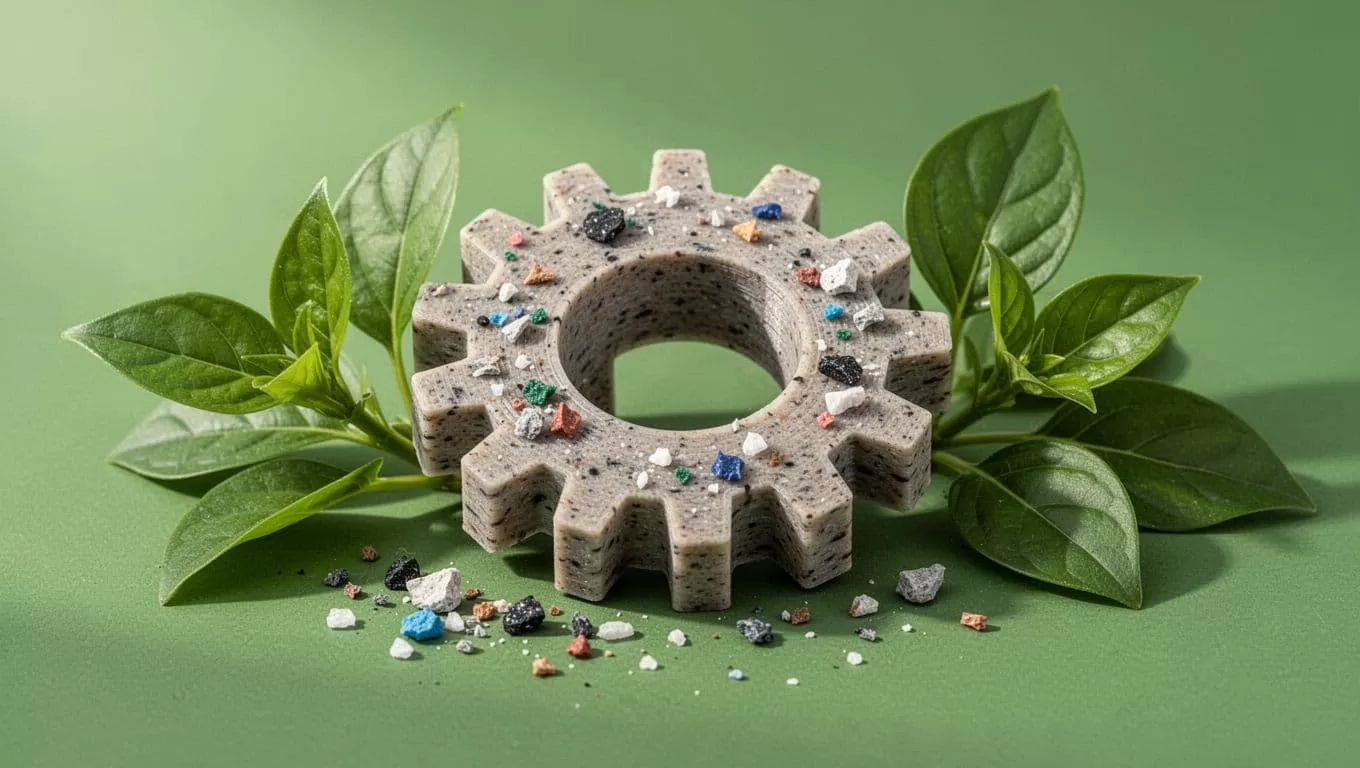
I see this trend showing up in sustainable manufacturing, construction-scale printing, and some consumer products. In those settings, the appeal is practical, not sentimental. Lower feedstock cost and lower emissions can matter as much as print quality.
The weak spot is consistency. Recycled streams can vary from batch to batch, so quality control stays important. Even so, this category feels more established in large-scale use and still early in high-performance parts. That split is exactly why it’s worth watching.
What I’d bet on next
The materials I trust most in 2026 solve a hard problem first. Heat, stiffness, static, weight, and waste are the five signals I keep seeing again and again.
That’s why I care more about functional materials than flashy demo prints. If a filament family keeps showing up in aerospace, medical, automotive, consumer products, or green manufacturing, I treat it as a real market signal. That’s where trend data becomes useful, and where 3D printing materials stop feeling experimental and start earning a place on the production line.

