Travelpayouts Pinterest Marketing: A Practical Pin System
Pinterest can keep sending travel readers to your content long after you publish a pin. That makes it a useful channel for creators who can match planning intent with relevant travel offers. Travelpayouts Pinterest marketing works when each...
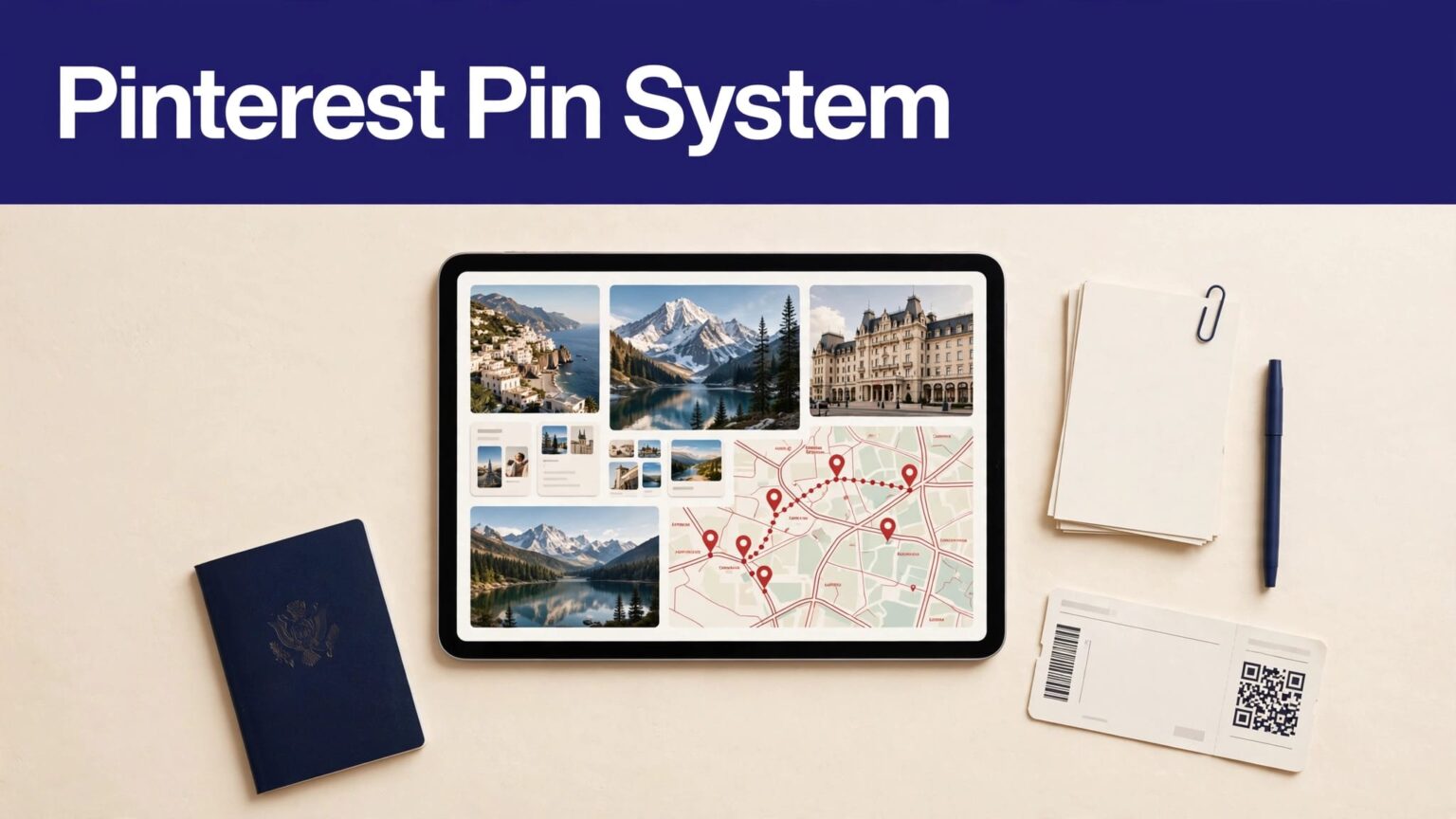
Pinterest can keep sending travel readers to your content long after you publish a pin. That makes it a useful channel for creators who can match planning intent with relevant travel offers.
Travelpayouts Pinterest marketing works when each pin answers a real trip question, sends readers to a relevant destination, and tracks whether clicks become approved earnings. Random deal pins and repeated affiliate links don’t build a durable account.
Set up the offer, content, tracking, and review process before you publish at volume.
Why Pinterest Works for Travel Affiliate Content
Travel planning is visual and research-heavy. People search Pinterest for itinerary ideas, hotel areas, packing lists, airport guides, and seasonal destination advice. They often save content weeks before a booking.
That long decision window changes how you should promote travel offers. A pin should help the reader plan one part of a trip. The affiliate link is the next step, not the whole message.
Match pins to booking intent
Start with a narrow reader need. “Where to stay in Lisbon for a first visit” has stronger commercial intent than “Beautiful places in Portugal.”
The first topic can lead to a useful guide with neighborhood advice, hotel options, maps, and booking links. The reader gets context before they make a decision.
Good Pinterest traffic is not always immediate traffic. A pin may be saved in January and clicked before a June holiday. Keep your destination pages current, mobile-friendly, and clear about who each offer fits.
Pick offers you can explain honestly
Travelpayouts connects affiliates with travel brands and affiliate programs. The available merchants, payment methods, commission rules, and supported markets can vary by account, advertiser, and country.
Don’t promote an offer because it has an attractive rate. Check the booking flow, destination coverage, cancellation terms, and whether the reader can use it.
A flight offer for European routes won’t help a reader searching for domestic rail travel in Japan. Relevance beats broad distribution.
Build a Travelpayouts Pinterest Marketing System
Travelpayouts Pinterest marketing needs a simple operating system. You need an approved offer, a destination URL, a pin format, a tracking label, and a place to record results.
Set this up once. Then repeat the process for each content cluster.
Create the right affiliate link
Apply to relevant programs inside Travelpayouts first. Review each advertiser’s rules before you publish. Some programs restrict promotional methods, destinations, or brand terms.
Use a link that sends readers to the most relevant page. A generic homepage creates extra work for the reader and weakens conversion intent.
Travelpayouts explains how to create and use affiliate links for travel brand pages. Test every link in a private browser session before adding it to a live pin or article.
Check four items:
- The link opens the expected brand or search page.
- The offer is available for the destination and reader market.
- The page works on a phone without broken filters or expired dates.
- Your disclosure appears with the promotional message.
Assign a SubID before publishing
A SubID is a label attached to a link. It tells you where a click came from. Use clear labels such as pinterest_lisbon_hotels_pin1 or pinterest_japan_rail_guide.
Travelpayouts assigns a Partner ID to your tools and supports an additional marker for tracking. Its Partner ID and SubID guidance shows why this extra field matters.
Use one naming pattern across every pin. Don’t use vague labels such as summer1 or newpin. You won’t know what worked three months later.
A click without a source label is activity you can’t improve.
Create Travel Pins That Earn Saves and Clicks
A strong travel pin gives one useful promise. It doesn’t try to sell flights, hotels, insurance, luggage, and tours in one image.
Build pins around pages that already answer a booking-related question. Your website gives you space for current details, clear disclosures, and several useful options.
Use pin ideas tied to a real page
Create several original pins for one strong destination guide. Change the angle, not only the photo.
- “Best Areas to Stay in Rome” can lead to a neighborhood hotel guide.
- “Portugal in October: What to Book Early” can lead to a seasonal planning page.
- “7-Day Iceland Road Trip Cost” can lead to an itinerary with car rental and stay options.
- “Carry-On Packing List for a Winter City Break” can lead to a packing guide with relevant travel products.
- “First Time in Tokyo: Airport to Hotel” can lead to a transfer and accommodation guide.
Use a vertical design, a clear destination image, and a readable headline. Pin titles and descriptions should say what the reader gets after the click. Avoid promises such as “lowest price guaranteed” unless the advertiser gives you written permission to make that claim.
Pinterest’s affiliate link basics for creators are a useful reference before you start linking directly from pins.
Send readers where the pin promise continues
Your landing page must match the pin. If the pin says “Best Hotels Near Kyoto Station,” don’t send readers to a broad Asia travel page.
Start the destination page with the answer. Then add booking options where they help. State dates for price-sensitive information, and don’t present a temporary fare as a permanent price.
Direct affiliate pins can work. A useful article often works better over time because it gives the reader more context and gives you a page you can update.
Follow Pinterest Rules and Disclosure Requirements
Affiliate content is allowed on Pinterest, but the platform does not reward spam. Pinterest previously removed affiliate links because of abuse, then allowed them again after improving spam detection.
That history matters. Build a normal creator account with useful boards and original content. Don’t treat Pinterest as a bulk-link distributor.
Put the disclosure near the pin
If you may earn a commission, say so clearly in the pin description and on the linked page. For example:
“Affiliate link. I may earn a commission if you book through this link, at no extra cost to you.”
For U.S. audiences, the FTC says a disclosure must be clear, easy to notice, and placed with the endorsement. It should not sit only in a bio or hidden behind a “more” link. Read the FTC’s social media disclosure guidance before you publish.
Use plain language. A vague label such as “#partner” may not explain that you earn a commission.
Avoid behavior that looks like spam
Don’t post near-duplicate pins at high volume. Don’t use misleading images. Don’t redirect readers through unrelated pages. Don’t cover a pin with claims that the destination page can’t support.
Pinterest may limit posting activity to prevent spam, and accounts dedicated to policy-violating content can face deactivation. Review Pinterest’s guidance on rate limit blocks and account deactivation.
Each pin needs a truthful title, a relevant description, and a working destination. That is basic compliance and better marketing.
Track Approved Earnings, Not Just Clicks
A high click count can look good in a dashboard and still produce weak revenue. Readers may bounce, find an unavailable deal, book later through another source, or cancel after booking.
Track the final business result. Travel bookings have delays, cancellations, and reversals.
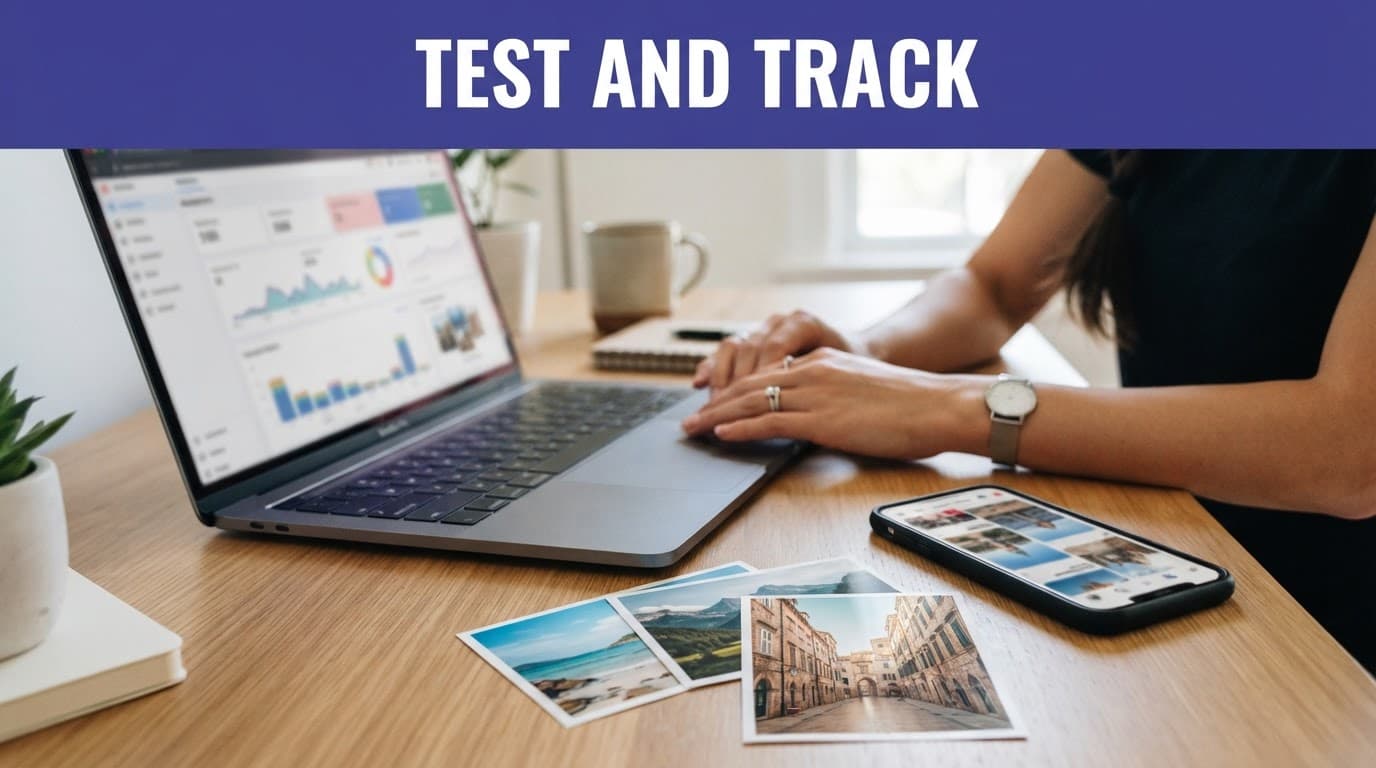
Keep a fixed earnings record
Use a spreadsheet or database with one row per page, pin group, program, and time period.
| Field | What to record |
|---|---|
| Content source | Pin URL, destination page, board, and SubID |
| Offer details | Program, advertiser, reward condition, and date checked |
| Traffic activity | Impressions, outbound clicks, and click-through rate |
| Commercial result | Pending rewards, approved rewards, and reversals |
| Payment status | Booking period, payout date, and payment method |
Use this calculation:
Net affiliate earnings = approved percentage rewards + approved fixed rewards – reversals
Keep the original entry when a commission changes. Add a separate adjustment row for a cancellation or reversal. Don’t overwrite the first number and lose the history.
Review the weak link in the path
Look for pages with many outbound clicks but few approved rewards. Check the destination link first. Then check the match between the pin, page, offer, and reader market.
A high save rate can indicate good inspiration content. It doesn’t prove booking intent. An approved booking is the better signal of commercial fit.
Travelpayouts Pinterest marketing becomes more reliable when you compare results by SubID, content topic, advertiser, and pin placement. You can then move effort toward pages that attract readers ready to act.
Run Small Pinterest Conversion Tests
Don’t change every pin format at once. You won’t know which change created the result.
Pick one established page with enough traffic. Create a test record with the original pin, the new version, the date, and the expected outcome.
Change one meaningful variable
Test a stronger destination image, a more specific headline, a different lead image, or a clearer call to action. Keep the landing page and offer stable when possible.
For example, compare “Where to Stay in Barcelona” with “Best Barcelona Areas for First-Time Visitors.” The second message targets a defined reader problem.
Give a pin time to collect impressions. Then compare the same metrics across a similar period. Don’t declare a winner after a few clicks.
Use a monthly review cycle
Review approved earnings by content group. Mark pins and pages as approved, needs review, or retired.
Update pages with outdated hotel details, broken links, or mismatched offers. Remove pins that send visitors to unavailable destinations. Keep the last trusted version of your reporting sheet.
A completed publishing task is not a successful campaign. Accepted earnings after reversals are the number that matters.
Concise Implementation Checklist
Use this checklist before you scale your Pinterest activity:
- Join Travelpayouts programs that fit your audience and destination coverage.
- Check advertiser terms, booking paths, payout conditions, and reader markets.
- Create a relevant affiliate link and assign a clear SubID.
- Publish a useful destination page before you create promotional pins.
- Add a clear affiliate disclosure to the pin and destination page.
- Design original pins that match one search intent and one landing page.
- Test links on desktop and mobile before publishing.
- Record clicks, pending rewards, approved rewards, reversals, and payouts.
- Test one pin variable at a time on pages with existing traffic.
- Update or remove content when the offer, price, or destination details change.
Build Trust Before You Scale
Pinterest can drive qualified travel traffic, but only when the content helps readers make a better trip decision. Useful pins, accurate destination pages, clean tracking, and visible disclosures create a system you can review.
The strongest Travelpayouts Pinterest marketing results come from approved bookings, not busy dashboards. Publish less at first, measure what survives review, then repeat the content patterns that send readers to offers they can use.
