Build a No-Code Referral Program on Rewardful
A referral program fails when the link works but the commission does not. Your customer shares an offer, a new buyer pays, then nobody can explain who should get credit. A Rewardful referral program gives Stripe-based SaaS companies a pract...
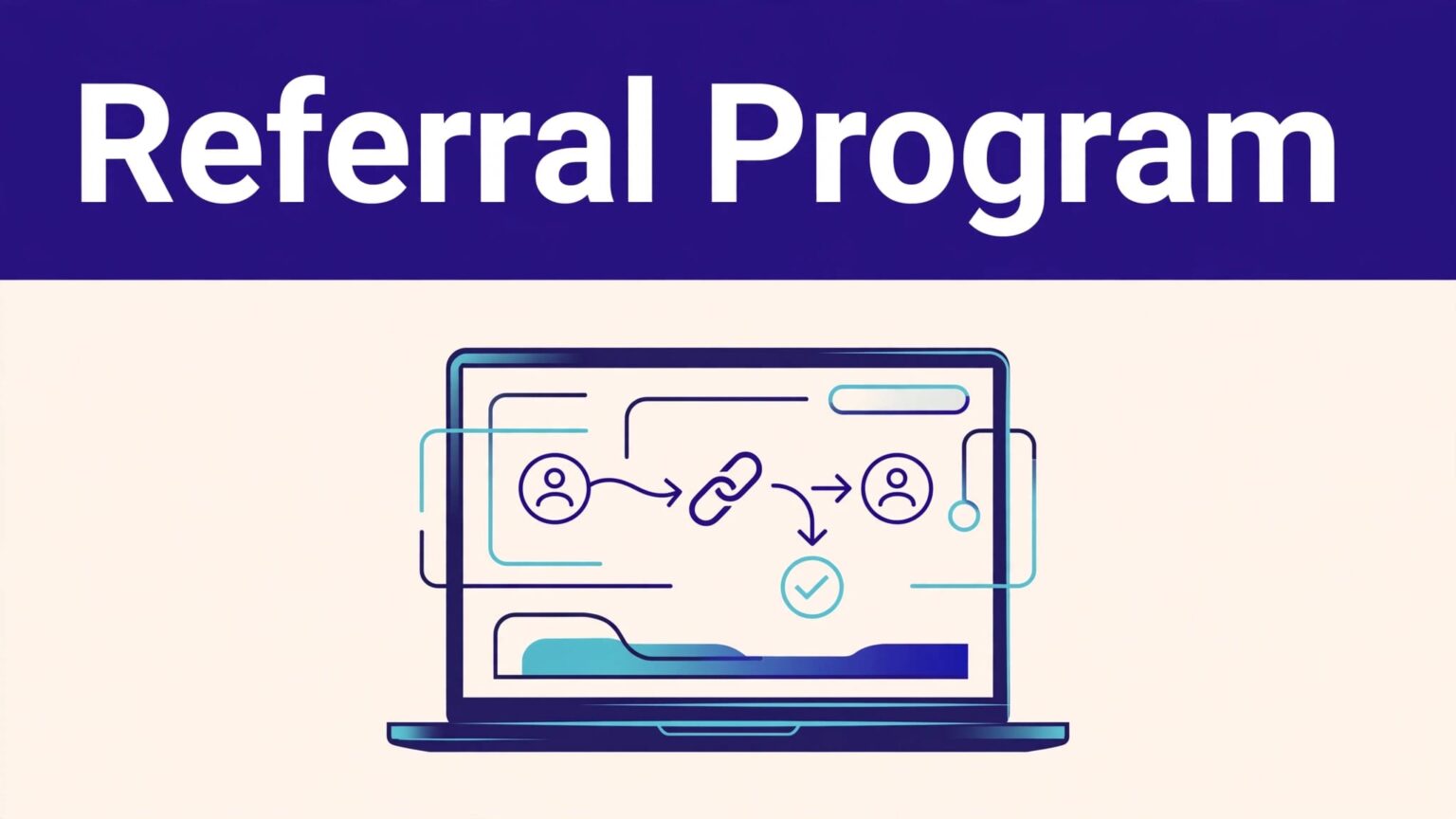
A referral program fails when the link works but the commission does not. Your customer shares an offer, a new buyer pays, then nobody can explain who should get credit.
A Rewardful referral program gives Stripe-based SaaS companies a practical way to track that journey without building affiliate logic from scratch. You still need clear rules, the right checkout path, and a full test before inviting partners.
Start with the payment flow you already use, then configure the program around it.
Key Takeaways
- Rewardful connects to Stripe, then uses your campaign rules to track referrals and calculate commissions from real payments.
- Keep the first program simple. One audience, one offer, one commission rule, and one clear payout policy.
- A recurring percentage commission works well for subscription SaaS. Put a time limit on it if lifetime payouts do not fit your margins.
- Test the entire journey. Click the referral link, create an account, complete checkout, confirm attribution, then verify the commission record.
- Track approved commissions, reversals, and payouts separately. A recorded commission is not the same as cash paid out.
How a Rewardful Referral Program Works
Rewardful sits between your referral link and Stripe billing activity. An affiliate or customer shares a unique link. A visitor clicks it, signs up, and later pays through your Stripe flow.
If tracking succeeds, Rewardful associates that Stripe customer with the referrer. It then creates commissions based on the campaign you assigned.

What Rewardful Tracks
Rewardful monitors Stripe activity to create referrals and calculate commissions. Stripe remains your billing system. You still create products, set prices, collect payments, handle refunds, and manage subscriptions in Stripe.
Rewardful’s Stripe connection guide explains that the platform uses Stripe activity to track referrals and generate commissions. Its requested permissions support attribution and commission calculations. They do not replace your billing controls.
The basic flow is simple:
- A referrer shares their referral URL.
- A visitor clicks the link and reaches your site.
- The visitor becomes a customer through your Stripe checkout flow.
- Rewardful attributes the customer and records commissions when qualifying payments succeed.
That sequence must work on desktop and mobile. Most tracking problems begin with an untested checkout path.
Prepare the Offer Before You Connect Anything
Do not start with campaign settings. Start with the economics.
Write down your subscription price, gross margin, refund rate, payment frequency, and maximum commission cost per customer. A referral program is a distribution cost. Treat it like one.
Rewardful’s current pricing page lists a 14-day trial and a Starter plan at $49 per month. Plans, thresholds, and limits can change, so check the live page before you budget.
Decide Who Can Refer
A referral program can target existing customers, creators, consultants, newsletter owners, agency partners, or all of them. Do not invite everyone on day one.
Start with people who already understand your product and can reach the right buyers. A B2B analytics tool may begin with active customers and specialist consultants. A creator product may begin with newsletter operators and community owners.
Set basic rules before launch:
- Define who can join and whether you approve applications.
- State whether self-referrals are prohibited.
- Explain when commissions become due.
- State what happens after a refund, failed invoice, or cancellation.
- Decide who answers affiliate support requests.
Keep these rules in one public program page. Confusion creates support tickets and payout disputes.
Configure Your Rewardful Referral Program
Create one campaign for the first offer. In Rewardful, a campaign holds the referral tracking and commission rules for a group of affiliates.
You can add separate campaigns later for strategic partners, agencies, or a different product line. Rewardful documents how multiple campaigns can use different commission and cookie rules.
Pick a Commission Rule That Fits Your Margin
Percentage commissions usually fit subscription SaaS because the reward scales with revenue. Fixed commissions can work when every qualified customer has similar value.
Use this simple comparison before you publish an offer:
| Commission model | Example | Best fit |
|---|---|---|
| Recurring percentage | 20% of a $50 monthly subscription equals $10 per paid month | SaaS with stable margins |
| Fixed amount | $75 after a new customer pays | Higher-priced products |
| Limited recurring percentage | 20% for 12 months equals up to $120 on a $50 plan | SaaS that needs a cost ceiling |
A 20% rate on a $50 monthly plan pays $10 after each qualifying payment. If that customer stays for 12 months, the referrer earns up to $120.
If you offer a $10 discount and the customer pays $40, a 20% commission is $8 when the rule applies to the charged amount. Build your model around actual collected revenue, not list price.
Set Attribution and Commission Timing
Your cookie window is the period after a referral click when Rewardful can attribute the visitor. A 30-day window is easier to explain. A longer window may fit products with a slower sales cycle.
Rewardful’s campaign settings documentation covers cookie windows, commission limits, due dates, payout thresholds, and coupon settings.
Set a delay before commissions become due. This protects you from paying commissions before your refund window closes. Also set a minimum payout threshold that does not create excessive small payments.
A referral click is not a commission. A successful Stripe payment is not always a final payout. Refunds, cancellations, thresholds, and due dates can change the amount due.
Connect Rewardful to Your Checkout Path
No-code does not mean zero setup. It means you do not need to build your own referral database, commission engine, or payout workflow.
Connect your Stripe account from Rewardful, approve the requested access, then follow the current integration path for your website and checkout method. If your site uses Stripe Payment Links, use Rewardful’s Payment Links integration instructions instead of guessing at the tracking setup.
Choose the Checkout Route You Already Use
Use the route closest to your current purchase flow.
- Stripe Payment Links can fit a simple landing page or no-code website.
- Stripe Checkout may need a small implementation step, depending on whether checkout starts from your site or app.
- A custom Stripe setup can need a developer to pass referral information correctly.
Do not change your entire billing stack to launch a referral program. Start with the integration Rewardful documents for your existing path.
If your purchase journey crosses domains, test every handoff. A visitor may land on your marketing site, create an account in an app, then pay on a hosted Stripe page. Attribution must survive that route.
Test Every Step Before You Invite Referrers
Test with a controlled affiliate account and a controlled customer account. Use email addresses you can access. Keep a short test log with the referral URL, device, date, checkout route, Stripe customer email, and result.

Run a Controlled Purchase
Open the referral link in a fresh browser profile or private window. Complete the exact path a real buyer will use.
Check these results in order:
- The referral link loads the correct page.
- The visitor can sign up without losing attribution.
- Checkout creates the expected Stripe customer and payment.
- The referral appears in Rewardful.
- The commission uses the correct campaign rule.
- A refund, cancellation, or failed payment produces the expected result.
Use Stripe test mode where your implementation supports it. Stripe’s testing documentation explains how test activity and simulated payouts work in test environments.
After that, run one small live test if your policies allow it. Live behavior can differ because browsers, cookies, payment methods, and checkout domains are real.
Use This Final Launch Checklist
A first launch should be controlled, not broad. Invite five to 20 trusted referrers before you announce the program publicly.
- Your Stripe account is connected and payment activity appears as expected.
- One campaign has a clear commission rate, duration, cookie window, due date, and payout threshold.
- Your terms explain refunds, cancellations, self-referrals, and prohibited promotion methods.
- Referral links work on mobile and desktop.
- Signup and checkout preserve attribution.
- A test payment produced the correct commission.
- A test refund or cancellation produced the correct adjustment.
- You have a support owner and a response process for missing-referral reports.
- Your payout method, fee policy, and payment schedule are documented.
Rewardful can also support manual correction in some cases. Keep the customer’s Stripe email, the referral link, campaign details, date, and screenshots if you need to manually attribute a customer.
Measure Approved Revenue, Not Clicks
Clicks tell you whether partners can send attention. They do not tell you whether your program is profitable.
Maintain a simple monthly record with the affiliate, campaign, referrals, paid customers, pending commissions, approved commissions, reversals, and payout date. Do not overwrite a commission when a refund happens. Add an adjustment entry with the reason.
Review the Weakest Stage
A partner may generate 200 clicks and zero customers. Check the referral landing page, offer match, mobile checkout, and audience quality before you ask for more traffic.
Another partner may send 10 buyers who cancel after one month. That partner is not necessarily bad. Your offer, onboarding, or buyer fit may be weak.
Review these figures monthly:
- Referral clicks
- New paid customers
- Approved commission value
- Refunds and reversals
- Customer retention by referral source
- Cost per retained customer
Rewardful explains its commission payout process and how Stripe data, refunds, and payouts affect the final affiliate balance. Check the current terms before you promise a payment date or fee.
Common Referral Program Mistakes
The most common mistake is offering a generous recurring commission without a cap. A 30% lifetime reward can work, but only if retention and gross margin support it.
The second mistake is treating pending commissions as completed payouts. Hold them separately in your records.
The third is launching before testing the full referral journey. A working link does not prove Stripe attribution works after signup and payment.
The fourth is creating too many campaigns. One clean campaign gives you a baseline. Add complexity only when partner groups need different terms.
Finally, do not rely on vague support tickets. Include the referral URL, affiliate ID, customer email, Stripe payment date, campaign name, screenshots, and the expected result.
Conclusion
A working Rewardful referral program is built on clear economics and verified tracking. Keep the first campaign narrow, pay commissions on real Stripe revenue, and document every exception.
The launch is not complete when a link is created. It is complete when a real referral can click, buy, be attributed, and receive the correct commission.
FAQs
Can I launch Rewardful without coding?
Often, yes. Stripe Payment Links and supported website builders can reduce technical work. Your exact setup depends on how your checkout starts and whether your site can install the required tracking method.
Should I offer recurring or one-time commissions?
Use recurring commissions when retention is strong and margins support the cost. Use a fixed reward when you need predictable acquisition costs. A time-limited recurring rate is often the safer starting point.
What happens if a referred customer gets a refund?
The commission can be reversed or adjusted because the qualifying revenue no longer holds. Set a commission due delay that accounts for your refund policy.
How long should my referral cookie last?
Start with 30 days unless your sales cycle is longer. Use a longer period only when buyers need more time to evaluate the product and your attribution rules remain clear.
Can customers and affiliates join the same program?
Yes, but define the rules. Customers may need a simple referral incentive, while professional affiliates may need separate rates, approval rules, and promotion terms.
