Exploding Topics can save me from guessing, but only if I use it like a scout, not a fortune teller. I watch for trending B2B services when the signals still look messy, because that’s when I can shape an offer before the market gets loud.
If I wait until everyone is talking about the same idea, the easy wins are gone. So I pair trend data with simple checks, then I decide what to test, what to ignore, and what to package for buyers.
Why I start with trend data, not opinions
I don’t trust my gut alone when I’m choosing a service idea. My opinion changes with the last podcast I heard. Trend data gives me something steadier.
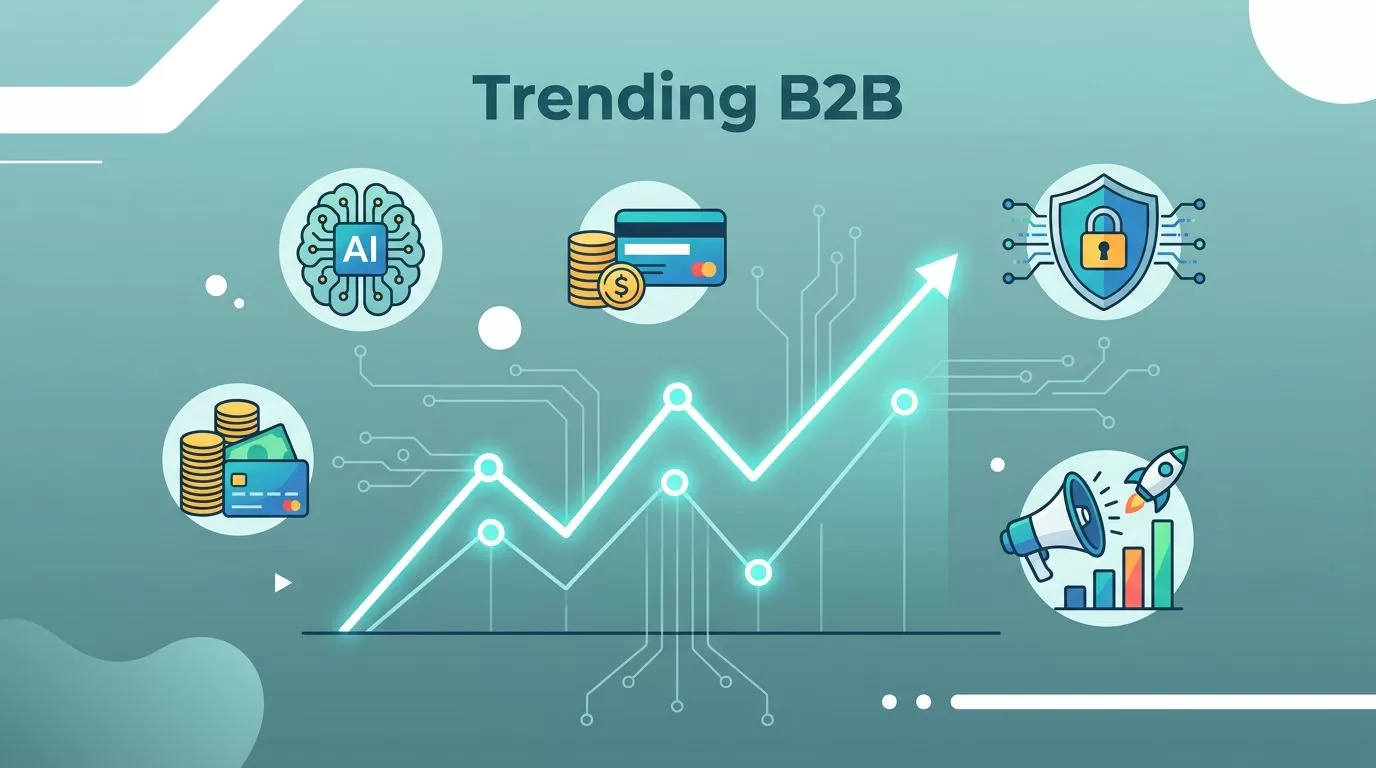
Exploding Topics is useful because it surfaces topics before they feel obvious. I often start with Top Trending Topics (April 2026) to see what’s gaining real attention, not just social noise. That helps me spot services tied to rising demand, like AI agents, payment APIs, cybersecurity support, and niche marketing help for SaaS teams.
I treat that list like a map, not a verdict. A map shows direction. It doesn’t promise a road is clear.
What I want first is movement. If a service category keeps climbing, that tells me people are searching, comparing, and spending time with the problem. That’s better than a loud one-day spike.
How I read Exploding Topics data without getting fooled
Search growth matters more than a spike
A single jump can come from a post, a launch, or even a mistake. I care more about a rise that holds for weeks or months. That shape tells me the market may be warming up.
Here’s the quick filter I use before I get excited:
| Signal | What I want | What I avoid |
|---|---|---|
| Search growth | Steady climb over time | One sharp spike |
| Related terms | Same buyer problem showing up again | Random buzz words |
| Service pages | Real offers from real companies | Only social chatter |
| Buyer intent | Demos, pricing, case studies | Pure entertainment |
The table gives me a cleaner read than headlines do. If three signals point in the same direction, I take the trend seriously.

I look for the buyer behind the curve
A trend is only useful when I can name the buyer. If I can’t say who pays, I’m not ready.
For example, “AI agents” sounds broad. But the real buyer might be a support leader who wants fewer tickets, or a founder who needs after-hours coverage. “Payment APIs” might point to ops teams that want faster transfers and fewer reconciliation headaches. That’s the kind of detail I need before I move.
A trend isn’t a business until I can name the buyer, the pain, and the first test.
Turning a trend into a service people will pay for
Once I see a real trend, I turn it into a plain service offer. I don’t sell the trend itself. I sell the result.
If AI customer support is rising, I might package a setup service for chat handoff, prompt tuning, and QA. If payment APIs are heating up, I might build an implementation or integration offer for finance teams. If specialized B2B marketing agencies are growing, I might focus on one narrow niche, like SEO for AI startups or demand gen for recruiting firms.
That’s the move. I translate a broad trend into a painful job I can solve.
If I’m building outreach for a new offer, I use Hunter.io review for B2B contact discovery to find the right decision-makers instead of blasting random lists. I want a short path from trend to target account, because that keeps my testing fast and my feedback honest.
I also keep the offer small at first. A full platform idea is hard to test. A tight service sprint is easier. For example, I might sell a two-week audit, a setup package, or a monthly optimization retainer.
How I validate demand before I spend a month building
I never trust one source. Exploding Topics gives me the signal, then I look for proof in a few other places.
I check Google Trends for shape, LinkedIn jobs for hiring pressure, and competitor sites for how they frame the offer. I also scan forums and search results to see whether buyers are talking about the same pain in their own words. That mix is better than guessing.
Exploding Topics’ B2B marketing trends report helps me compare a specific service idea against a wider market wave. If the trend fits a bigger buying shift, I pay closer attention.
I use a simple three-part test:
| Check | Good sign | Bad sign |
|---|---|---|
| Google Trends | Gradual rise | Short spike, then drop |
| Job posts | Repeated hiring for the problem | No sign of budget |
| Competitor pages | Clear offers and proof | Vague promises only |
When I want to test interest fast, I build a small list and send a few focused emails. Then I clean the list with Hunter.io email verification workflow so bad data doesn’t blur the results. If the replies are weak, I don’t blame the market right away. I first check my angle, my list quality, and my offer.
Real-world B2B services I’d watch in April 2026
Right now, the strongest service ideas I’m seeing sit around AI agents, fintech for small businesses, payment APIs, and focused B2B marketing help. I’d also watch cybersecurity services that automate detection and response for small teams.
The pattern matters. Buyers don’t want “more AI.” They want fewer support tickets, faster payments, safer systems, or better pipeline. That’s why services that sit close to money or risk tend to move first.
I also pay attention to how the trend spreads. If I see content around B2B content marketing rising alongside the service itself, I treat that as a sign that education and demand are moving together. That’s often when a niche is ready for a sharper offer.
If I were choosing where to place a bet today, I’d keep my eye on services that save time, move money, or reduce risk. Those tend to survive hype better than trendy wording does.
Conclusion
Exploding Topics works best for me when I use it as a signal, not a shortcut. It helps me spot rising demand early, then I test the buyer, the pain, and the offer before I commit serious time.
That’s the real edge. I’m not trying to predict the future with perfect accuracy. I’m trying to act while the curve is still forming, before the market gets crowded and the story gets old.