Getting Started with Marketing Automation
Running a business often feels like a balancing act between growth and exhaustion. You want to reach more people, but your hours remain fixed. That is where a marketing automation platform changes the equation. Instead of performing every t...
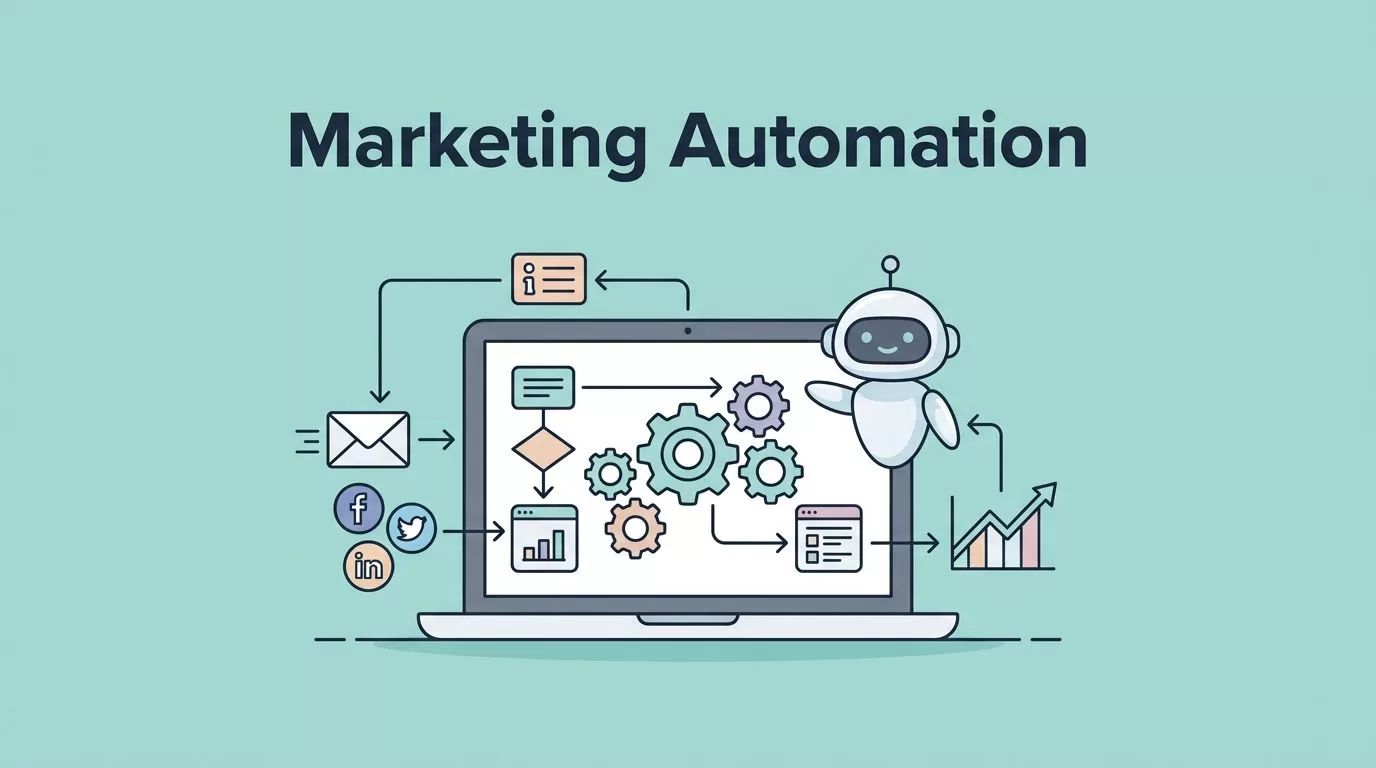
Running a business often feels like a balancing act between growth and exhaustion. You want to reach more people, but your hours remain fixed. That is where a marketing automation platform changes the equation. Instead of performing every task manually, you delegate repetitive processes to digital agents. By adopting this approach, you regain time for strategy while your systems handle the heavy lifting of outreach and data management.
Transitioning to automated workflows isn’t about replacing human effort. It is about removing the friction that holds your team back. Whether you are a solo founder or part of a growing marketing unit, you can implement tools like Twin.so to manage everything from lead qualification to social media presence. When you shift your focus from execution to oversight, you scale your impact without scaling your stress.

Setting Up Your Digital Workforce
To get started, identify the tasks that drain your day. Think about recurring actions like replying to new inquiries, updating CRM records, or posting updates to your company page. A modern platform acts as a digital worker, completing these tasks on your schedule. You describe the outcome you want, and the system executes the sequence.
You don’t need a background in software development to configure these tools. Modern automation platforms rely on natural language inputs. You tell the system what to find, which buttons to click, or where to send data. Because these agents operate 24/7, your marketing efforts continue while you step away from the keyboard. This consistency is what separates growing companies from those that stagnate.
Think about how you currently handle incoming data. If you spend time copying information between systems, you are losing valuable momentum. For those who want to see how this looks in practice, using zapier for lead capture automation is a classic entry point. Once you grasp the logic of triggers and actions, you will find it easy to apply those concepts to more advanced, autonomous AI agents.
Nurturing Leads Automatically
Growth relies on persistence. A lead might show interest, but they often need multiple touchpoints before they convert into a customer. Manually tracking every potential buyer is an impossible task for small teams. When you implement a marketing automation platform, you replace scattered follow-ups with structured, behavior-driven sequences.
You create a funnel that guides prospects forward. When someone signs up, the system triggers a personalized email. If they open it, the agent sends a follow-up with a link to a case study. If they remain silent, the agent attempts a different approach. This methodical cadence ensures that no lead falls through the cracks. It also keeps your brand top of mind without requiring a manual ping for every interaction.

Automation helps startups compete by creating the perception of a large, dedicated sales department. As noted in this guide for startup founders, consistency in your outreach is vital for maintaining momentum. Your automated systems handle growth smoothly. They engage one lead or one thousand with the same quality and timing. This approach also shortens sales cycles because prospects move through your funnel as fast as they are ready to act.
Scaling Content and Outreach
Content creation often falls to the bottom of a busy marketer’s list. You have the strategy in your head, but writing and scheduling take hours you don’t have. Many teams find success by automating content creation with someli to maintain a daily posting schedule across platforms. When you automate the repetitive parts of content distribution, you free yourself to refine your messaging.
Beyond content, you should look at your direct outreach. If you are reaching out to potential partners or new clients, an AI agent can research prospects, draft customized messages, and manage the follow-up. This is not about sending generic spam. It is about using data to ensure your communication reaches the right person with a relevant message at the right time.
Better pipeline quality starts with nurturing prospects based on their engagement. For a deeper look at the mechanics of pipeline growth, read about the benefits of marketing automation for B2B teams. The ability to intelligently score leads and route high-intent accounts to the right person makes your entire team faster. You stop wasting time on cold leads and focus your energy where it yields the best return.
Refining Results through Data
Automation provides a wealth of data that manual processes hide. Every click, open, and response creates a signal you can use to improve your strategy. Your platform acts as a central hub where this data accumulates. You can see which parts of your funnel work and which parts need adjustment.
Don’t treat your workflows as static configurations. Review the performance of your automated sequences weekly. If an email sequence isn’t converting, change the subject line or the call to action. Use the reporting features to identify where people drop off in your funnel. When you base your changes on real engagement data, you remove the guesswork from your marketing strategy.
As you scale, you will find that a systematic approach makes every lead more valuable. Small B2B teams often find that a focused marketing automation platform is the difference between surviving and thriving. By letting the software run the repetitive parts of the customer lifecycle, you treat every signup as a priority. You ensure your team spends their time on high-value interactions that actually move the needle.
Sometimes you need to look outside pure marketing to see how automation solves internal problems. For instance, implementing recruitment workflow automation can teach you a lot about how to trigger actions based on specific user milestones. Once you understand how to automate your hiring pipeline, you will see similar patterns in how you attract and retain customers. The underlying logic of “if this happens, then do that” applies across every department.
Final Thoughts
Marketing automation is a powerful shift in how you manage your business. By delegating routine outreach, lead nurturing, and data management to an AI-driven platform, you stop chasing tasks and start driving growth. You create a consistent, reliable presence that works while you focus on the creative side of your work.
Start small by choosing one manual process to automate this week. Once that workflow runs smoothly, look for the next repetitive task in your queue. Over time, these small changes compound into a highly efficient operation. Keep your workflows simple, monitor your data, and always look for ways to make your customer experience more personal through better automation.
