Affiliate programs break in small ways before they break in big ones. A missed follow-up here, a stale link there, and a partner update that sits in someone’s inbox can turn into lost revenue.
I use affiliate marketing automation to keep those small cracks from spreading. Twin.so helps me move repetitive work out of my day so I can spend more time on partner fit, offer quality, and campaign decisions.
The real win is not speed for its own sake. It’s control, consistency, and fewer manual steps when the program starts to grow.
Where affiliate operations start to slow down
Affiliate work gets messy when more partners enter the system. Each new partner adds messages, assets, tracking links, approvals, reporting checks, and updates. If I handle all of that by hand, my week turns into a stack of tiny chores.
That pressure grows in 2026. Affiliate teams are dealing with tighter attribution, more localization, and more creator-led partnerships. Recent roundups from IMD on affiliate marketing trends in 2026 and Geniuslink’s 2026 affiliate marketing trends point in the same direction, more automation, more mobile use, and more need to prove what works.
I feel that most in three places. First, partner onboarding drags when every approval needs a manual handoff. Second, outreach loses its edge when I reuse the same copy for everyone. Third, reporting starts to lag behind the actual program, so decisions arrive late.
When I need to prioritize programs worth automating, I start with finding profitable affiliate niches so I don’t spend time building workflows around weak offers.

What Twin.so does in an affiliate workflow
Twin.so is an AI agent builder, so I can describe a task in plain English and let it run the steps for me. It can connect to apps through APIs, use a browser when no API exists, and run on a schedule. That mix matters in affiliate work, because my stack is rarely neat.
I use it like a digital assistant for the busy parts of the job. If I need data pulled from a dashboard, a page checked in a browser, or a report sent every morning, Twin can handle the repeat work while I keep the strategy side human.
A simple way to think about it is this:
| Workflow | What I automate | Result |
|---|---|---|
| Partner onboarding | form intake, welcome email, asset delivery, CRM tagging | less back and forth |
| Outreach personalization | site review, niche summary, first-line draft | better-fit messages |
| Follow-up sequences | reminder timing, reply checks, task creation | fewer dropped threads |
| Reporting | clicks, sales, link checks, weekly summaries | faster decisions |
That table is the point in plain view. I don’t need one giant automation. I need several smaller ones that each remove a block of repetitive work.
I don’t need more dashboards. I need reports that trigger the next task.
Automating partner onboarding and outreach
Onboarding is where many programs lose momentum. A partner says yes, then the process slows while someone gathers links, sends assets, and updates a spreadsheet. I prefer to make that first day feel handled.
I usually start with a simple chain. A new partner submits a form, Twin.so records the details, then it sends a welcome note with the right assets and next steps. If the partner needs a coupon code, a tracking link, or a media kit, I can pull that into the same flow.
Outreach works the same way. I want the first message to feel specific, not sprayed across a list. Twin can help me collect site details, summarize the partner’s angle, and draft an opener that fits their audience. That lets me send 20 thoughtful messages instead of 20 generic ones.
A workflow I use often looks like this:
- I pull new partner leads into a sheet or form.
- Twin checks the site, category, or audience fit.
- It drafts a short outreach note with a personal opening.
- It queues a follow-up if nobody replies after a set time.
- It stops the sequence once the partner responds.
That last step matters. Automation should know when to step back. Nothing ruins a good first impression faster than a follow-up that keeps going after the answer is already in.
I also like using automation for partner handoffs. If a partner gets approved, Twin can create the task for legal review, asset delivery, or account setup. That keeps the team moving without turning one approval into four separate reminders.
Reporting that keeps pace with 2026
Affiliate reporting has changed shape. I don’t just want to know what sold. I want to know which partner drove the sale, whether the link still works, and where the next fix should go. In 2026, that matters even more because attribution, localization, and mobile behavior keep shifting how programs perform.
Twin.so helps me pull those signals on a schedule. I can set it to gather weekly clicks, sales, and top partners, then send a clean summary before my standup. I can also ask it to check links on priority pages, flag broken offers, or compare a partner’s current traffic against the previous week.
Here are the checks I use most:
- daily sales and click pulls for active partners
- broken-link scans on money pages
- weekly rankings for top referral sources
- sudden drop alerts for high-value offers
- commission or tracking changes that need review
That kind of reporting keeps me from waiting until the end of the month to spot a problem. If one landing page stops converting, I see it early. If a merchant changes terms, I can react before partners notice on their own.
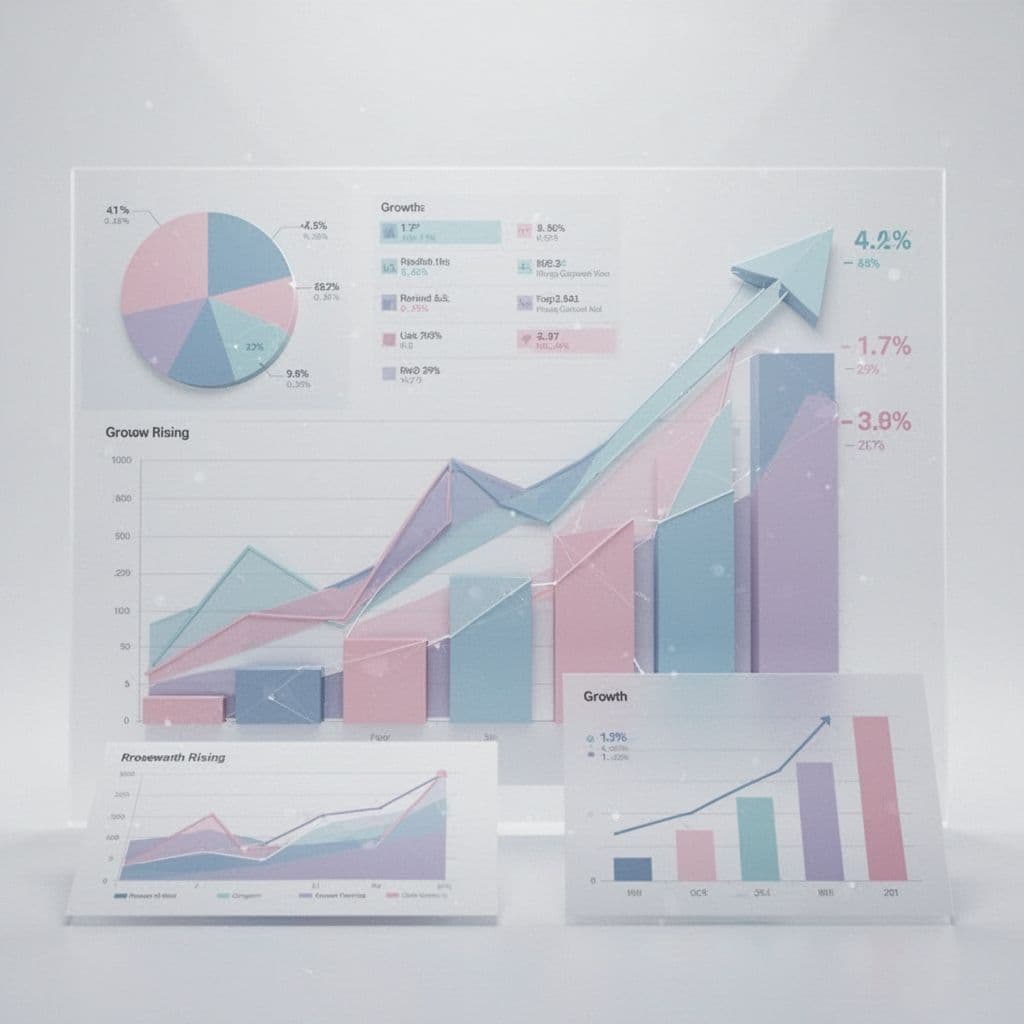
I also use Twin for report formatting. Raw numbers are fine, but my team needs a clean summary with clear next steps. A short note that says “Partner A grew, Partner B dropped, page C has a broken link” is far more useful than a spreadsheet full of noise.
Keeping content and campaign work on schedule
Affiliate growth depends on timing. A merchant changes an offer, a new seasonal campaign opens, or a comparison page needs updated links. If I miss that window, I leave money on the table.
Twin.so helps me keep the campaign side moving without constant check-ins. I can schedule content refreshes, set reminders for link audits, and move update tasks to the right person when an offer changes. That matters even more when I manage several writers, editors, or affiliates at once.
I use it for jobs like these:
- refreshing comparison pages when commissions change
- notifying writers when a merchant updates terms
- pulling asset links into a content brief
- checking that UTM tags match the campaign plan
- reminding the team to update seasonal offers before launch
This is where automation protects both speed and quality. My team still makes the judgment calls. Twin handles the repetition that would otherwise bury those calls under busywork.

I also like using the same flow for campaign launches. When a new offer goes live, Twin can alert the content team, ping the affiliate manager, and create a follow-up check two days later. That way, launch day doesn’t depend on memory alone.
Conclusion
The best affiliate systems don’t feel busy. They feel steady. That comes from removing the manual work that slows down partner onboarding, outreach, reporting, and campaign updates.
Twin.so fits that job well because it handles repeat tasks without pulling me out of the work that needs judgment. When I use affiliate marketing automation this way, the program gets cleaner, the team gets time back, and the data gets easier to trust.
The strongest starting point is one workflow, one report, and one follow-up sequence. Once those run on their own, scaling the rest gets a lot easier.