How I Build an Acting Class Community on Skool
I do not want my acting class to end when the camera turns off. I want the warmups, notes, and audition reps to keep moving in one place, because that is where progress sticks. That is why I build an acting class community on Skool when I w...

I do not want my acting class to end when the camera turns off. I want the warmups, notes, and audition reps to keep moving in one place, because that is where progress sticks.
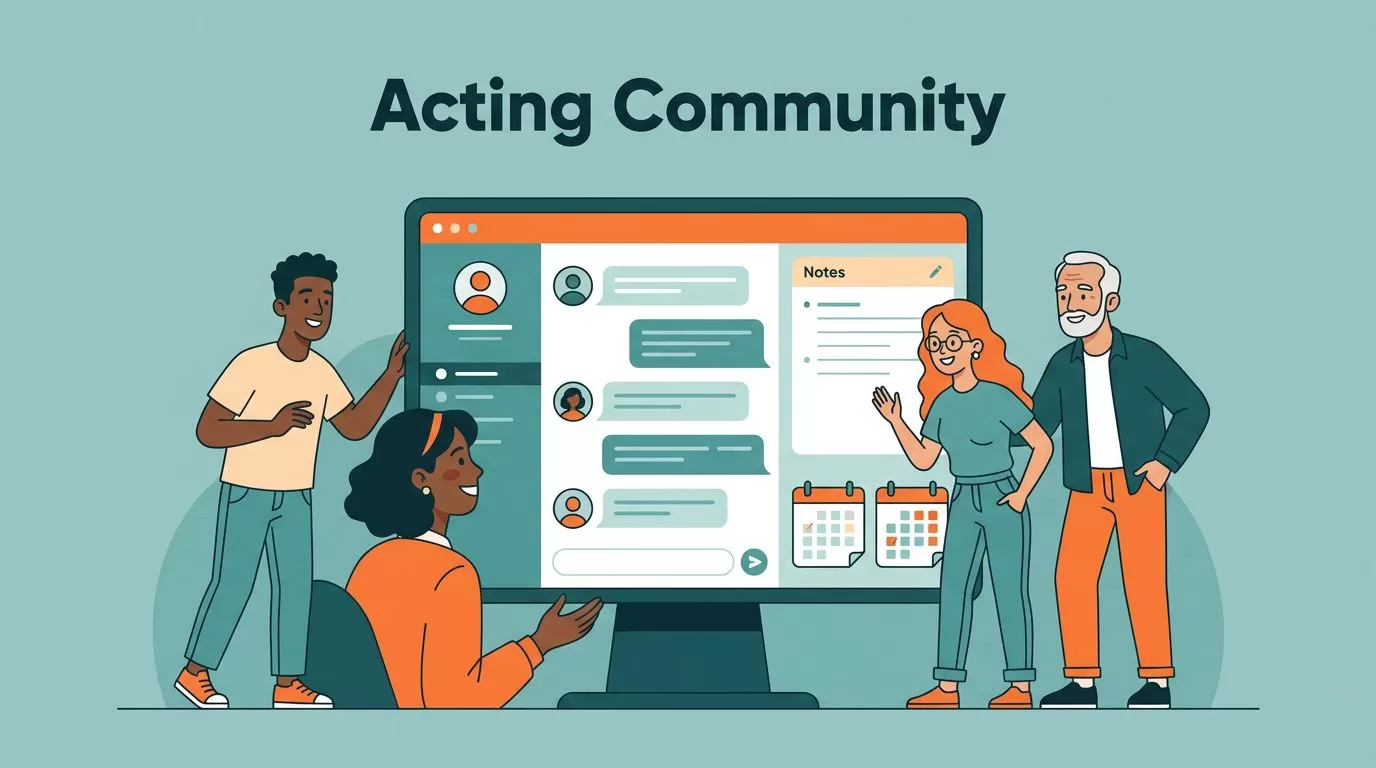
That is why I build an acting class community on Skool when I want actors to keep showing up between sessions. The feed gives me a place for wins and questions, the classroom holds the material, and the calendar keeps the room in rhythm. Next, I set the offer up so the whole thing feels like a studio, not a random group chat.
I start with one clear promise
When I build the community, I do not lead with “join my group.” I lead with a result. Maybe it is weekly scene study, cold-read reps, audition feedback, or accountability for self-tape work. The promise has to fit one person clearly, because actors join faster when they know exactly what they get.
I write the offer in plain language before I touch the platform. If I cannot say it in one sentence, I am not ready. “Weekly scene study with live notes and a feedback thread” is strong. “A place for actors” is vague.
I also decide who this is for. A room for beginners needs different prompts than a room for working actors chasing callbacks. If I mix both without a plan, the sharper members get bored and the newer ones get lost. I keep one lane for the core offer and one lane for bonus support.
Then I decide whether the community is free, paid, or mixed. Free works when I want volume and reach. Paid works when I want commitment and a smaller room. Skool supports both, plus monthly, yearly, and one-time access. As of July 2026, the Hobby plan is $9 a month with a 10% transaction fee, and Pro is $99 a month with a 2.9% fee. I only pick the plan after I know the business model.
If I already have a website and need more control over access, I compare Skool with MemberSpace vs Outseta membership tool comparison before I move the gate. That keeps me from paying for features I do not need.
If I can’t describe the weekly habit in one sentence, I haven’t built the offer yet.
The Skool layout I use for actors
Skool works well for actors because it keeps the whole class in one room. The feed handles conversation, the classroom stores lessons, and the calendar gives me a place for live sessions. For a closer look at the current product layout, I check Skool’s features page before I set anything up.
I map each part to a real acting task. The community feed becomes my front table. Members post wins, questions, self-tape links, and short reflections after class. The classroom becomes the archive. I put in warmups, script breakdowns, downloadable sides, recorded sessions, and notes from the coach. The calendar holds live Q&A, scene study, and table reads. That gives the space a pulse.


I also separate the classroom into a few simple sections, usually “start here,” “scene study,” “audition work,” and “replays.” That small bit of structure saves me from messy scrolling later. Members know where to find the thing they need, and I do not waste class time repeating the same directions.
Skool’s native video hosting also helps when I want to keep members inside one system. I do not need to jump between tools for every lesson. I can post a clip, keep the comments under it, and let members return to the same thread after class. That matters when I want a clean archive of feedback and progress.
I also use points, badges, and ranks with care. In an acting class, those rewards should celebrate consistency, not turn the room into a leaderboard contest. A member who posts a brave first monologue deserves recognition. So does the actor who gives thoughtful notes on three other performances.
My weekly rhythm keeps the room alive
A good acting class community needs a steady pulse. If I post only when I remember, members drift. If I create a predictable rhythm, they know when to show up.
My weekly flow often looks like this:
- Monday, I open an accountability thread for reps, self-tapes, or scene review.
- Wednesday, I run live feedback or office hours.
- Friday, I ask for member wins, new headshots, booked roles, or class breakthroughs.
- Once a month, I host a table read or a longer scene study session.
That rhythm keeps the feed from feeling random. It also gives me a simple way to collect material for future lessons. When three people ask the same question about audition nerves, I know what to teach next.
I like seeing how other creators structure intimate groups too. One public example is this private Skool acting community, where the class is capped at five actors and the work stays focused on weekly sides and redirects. That kind of small-room energy is exactly what I want when I build for actors.
I use member wins as fuel, not decoration. A booked commercial, a strong callback, or a better self-tape read all belong in the feed. Those small public wins remind everyone that the class is working.
I also run a monthly challenge when I want momentum without overload. One month, I might focus on monologue choices. Another month, I might focus on slate practice or cold reads. Members post before and after clips, then I comment on the one fix that moves the needle most. That kind of repetition makes the community feel alive without demanding a brand-new format every week.
I launch without an empty room
I never open a community with blank walls. Before I invite the first member, I seed the space with enough content to make the first visit useful. That usually means a welcome post, a pinned class guide, one or two warmup videos, a sample script, and a first live event on the calendar.
| Launch phase | What I post first | Why it matters |
|---|---|---|
| Before invites | Welcome video, house rules, intro thread | New members know where to start |
| First week | Accountability prompt, class replay, live Q&A | The room feels active fast |
| Second week | Scene study, feedback thread, member wins | People see a real habit forming |
I use that opening stretch to learn what members want most. If they post self-tapes, I build around critique. If they ask about cold reads, I build a repeatable exercise around that. If they want more live interaction, I add another Q&A slot before I add more content.
I also keep the first promise small enough to deliver every week. A community dies fast when the founder sells a grand vision and then misses the schedule. A smaller promise with clean follow-through builds trust faster.
If I want a paid test run, I use Skool’s 14-day trial and invite a tiny founding group. That lets me see whether the room works before I scale it. It is easier to fix the rhythm with 10 actors than with 100.
I keep members engaged after month one
The second month tells me whether the community is real. By then, novelty fades, and habit takes over. I watch the feed, the comments, and the attendance pattern. Then I adjust the cadence, not the whole model.
My strongest retention moves are simple. I spotlight member progress in the feed. I post short prompts that ask for action, not essays. I turn recurring questions into fresh lessons. I also keep the tone warm and specific, because actors respond to honesty faster than hype.
A few things help a lot:
- I ask for short video check-ins after scene work.
- I pin one weekly thread for wins, setbacks, and next steps.
- I keep the monthly table read on the calendar early.
- I ask members what they want next, then I build from their answers.
I also pay attention to the difference between free energy and paid energy. Free communities can grow fast, but paid communities often post with more focus. Both can work. What matters is whether members know why they are there. If I sell access, I need a clear benefit. If I keep it free, I need a clear path to participation.
Skool’s structure helps me here because the same room can hold classes, discussion, and gated material without turning into a mess. That matters when I want the community to feel like a working studio. It should look lived in, not abandoned.
I also track which prompts get replies and which lessons get saved. If a self-tape thread goes quiet, I change the question. If a script breakdown gets a long comment chain, I build the next session around that format. The community gives me the data if I pay attention.
Conclusion
A strong acting class community does not depend on endless content. It depends on rhythm, clarity, and a place where actors know exactly what to do next.
When I build it on Skool, I focus on one promise, one structure, and one weekly habit. The feed keeps the conversation moving, the classroom holds the work, and the calendar gives the group a reason to return. If I get those pieces right, the room starts to feel like a studio with a pulse.

