

If your current setup relies on legacy conversion tools, you are likely hitting a performance ceiling. Many ecommerce teams find their conversion optimization efforts stifled by heavy scripts, complex workflows, or rigid UI editors that require constant developer intervention. When you need to iterate quickly on landing pages or product descriptions, you need a lightweight

Waiting on engineering for simple tracking changes kills your conversion rate. When you need to validate a hypothesis or test a new marketing hook, you don’t have time for two-week sprint cycles. Temporary pixel injection allows you to bypass the backlog, test your ideas immediately, and keep your site clean of permanent, heavy code. Growth

You want more revenue from your existing traffic. Many businesses burn budget on customer acquisition while ignoring the friction points on their own sites. Implementing robust CRO strategy tools allows you to identify these bottlenecks, test potential fixes, and quantify the revenue impact of every change. Conversion rate optimization isn’t about guesswork or gut feelings.

You cannot treat desktop and mobile traffic as the same user segment. Many teams make the mistake of pooling all visitors into a single experiment, which dilutes data and obscures the unique friction points that kill conversion rates on smaller screens. When you separate these streams, you gain a clear view of how specific layouts

You are evaluating your tracking stack. Maybe you want better visual experimentation tools, or your monthly bill is climbing too fast. PostHog is a popular all-in-one suite, but it isn’t the right fit for every team. You need a platform that aligns with your specific technical depth and budget. Finding the right PostHog alternative requires

Most ecommerce stores lose potential revenue at the final hurdle. A customer adds items to their cart, reaches the checkout screen, and then abandons the purchase. You might blame the shipping costs or product pricing, but the root cause is often the checkout experience itself. If your flow is clunky, slow, or confusing, users leave.

Security headers like X-Frame-Options protect your application from clickjacking. They tell the browser whether your site is allowed to be rendered within an iframe. When you are testing your own platform like Mida.so, you need to verify these protections work without compromising your production security. You should never bypass X-Frame-Options on production systems. Modifying these

Most visitors who add items to your online store will leave without completing a purchase. This behavior is the primary friction point for revenue growth in modern ecommerce. When you address cart abandonment, you stop leaking money from your existing traffic. You don’t need more visitors to increase your store revenue. You need to convert
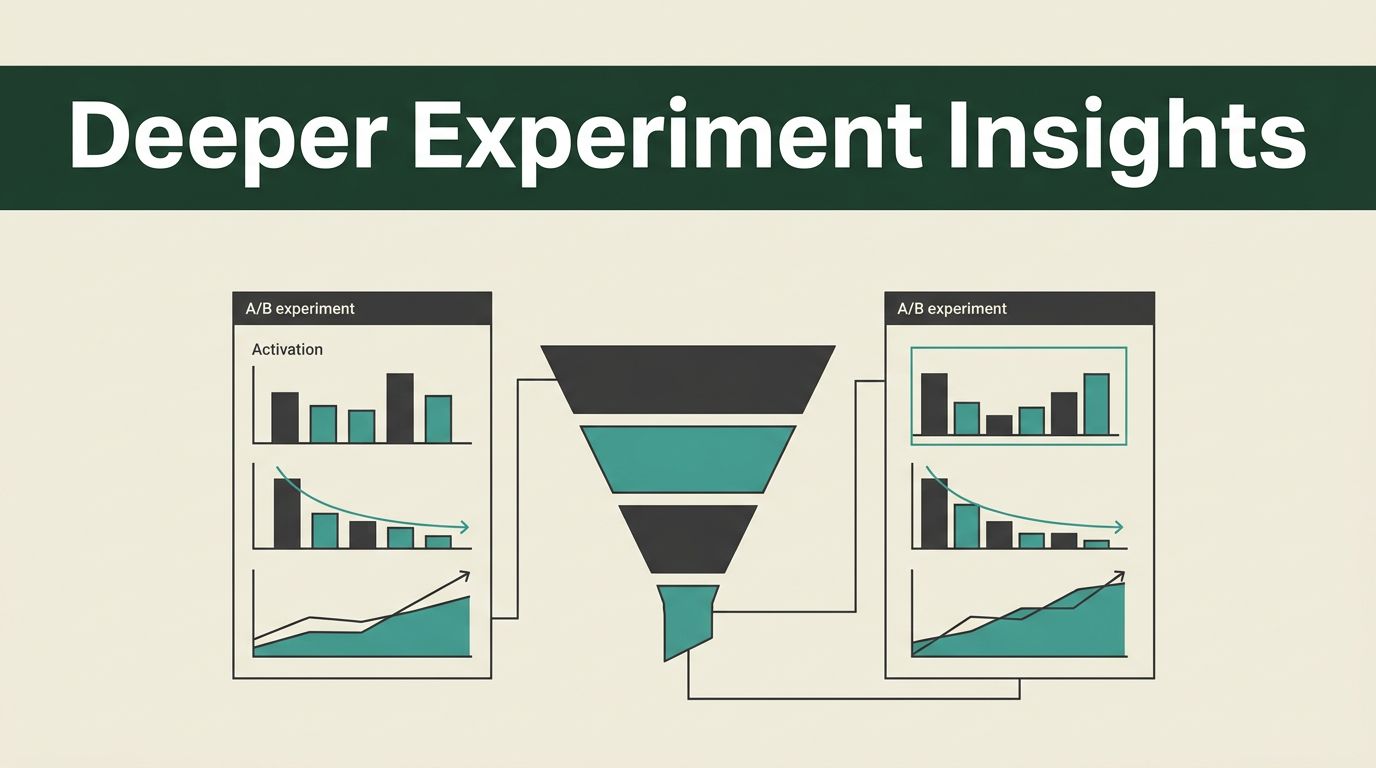
You need more than surface-level metrics to validate product changes. Relying on simple button clicks provides a narrow view of user behavior. When you combine Mida.so with your existing analytics stack, you gain the ability to measure how specific experiments affect high-value actions like activation, retention, and revenue. Mida.so functions as your client-side experimentation layer,
