
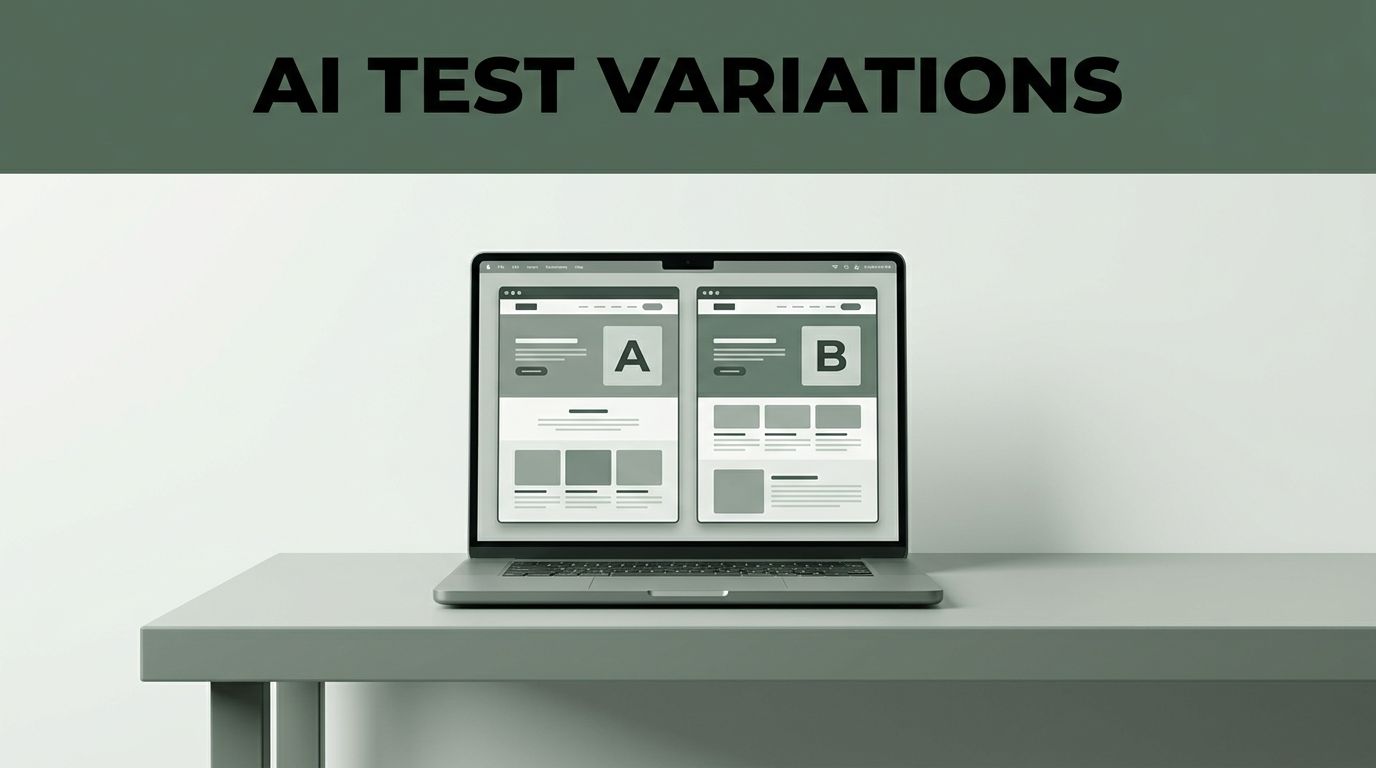


Creating a new A/B test variation usually starts with a blank page, a vague idea, and too much time spent editing small details. AI test variations give you a faster starting point, but speed alone won’t improve conversion rates. You still need a clear hypothesis, strict brand rules, and a validation process before sending traffic
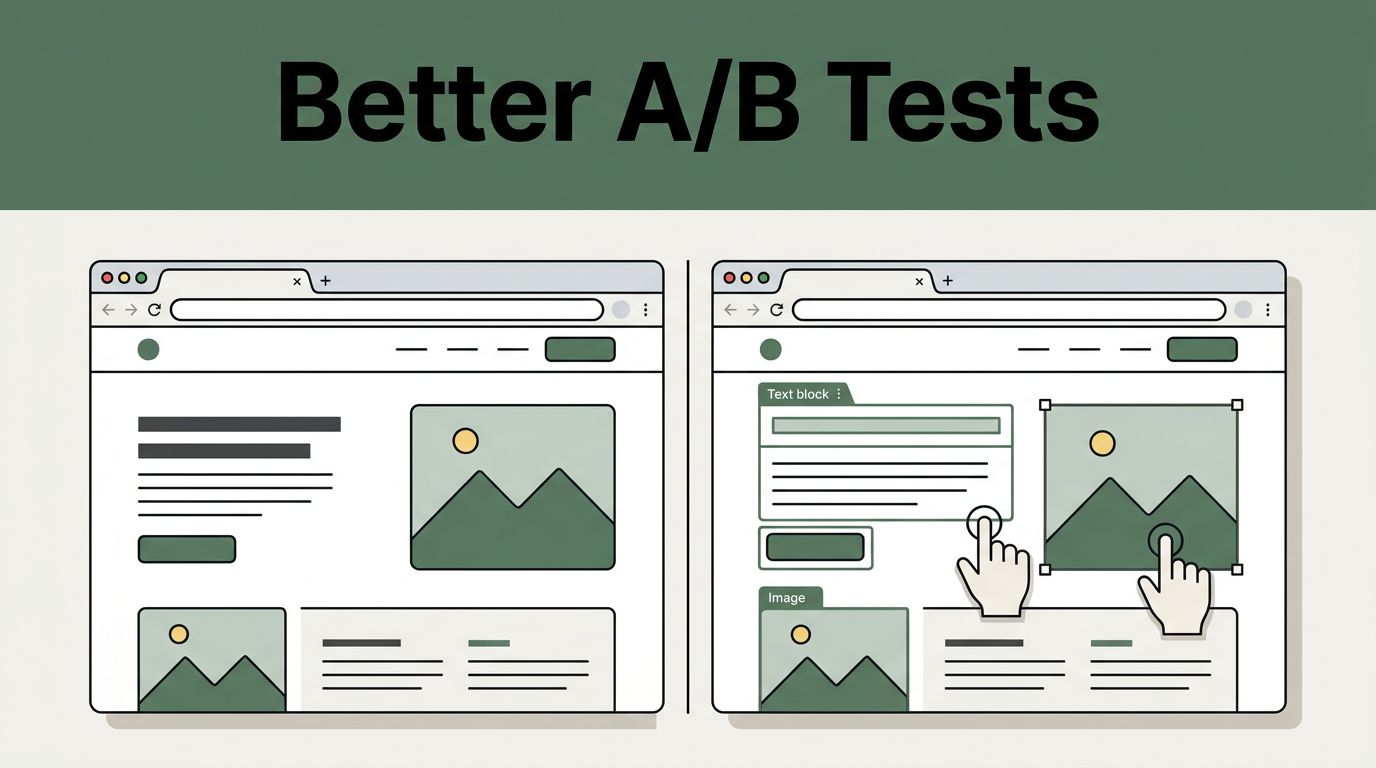
A/B testing fails when the test takes longer to build than the decision takes to make. The Mida visual editor reduces that setup time by letting you change visible page elements without rebuilding the page in a code editor. You still need a clear hypothesis, a focused change, and a reliable success metric. The editor
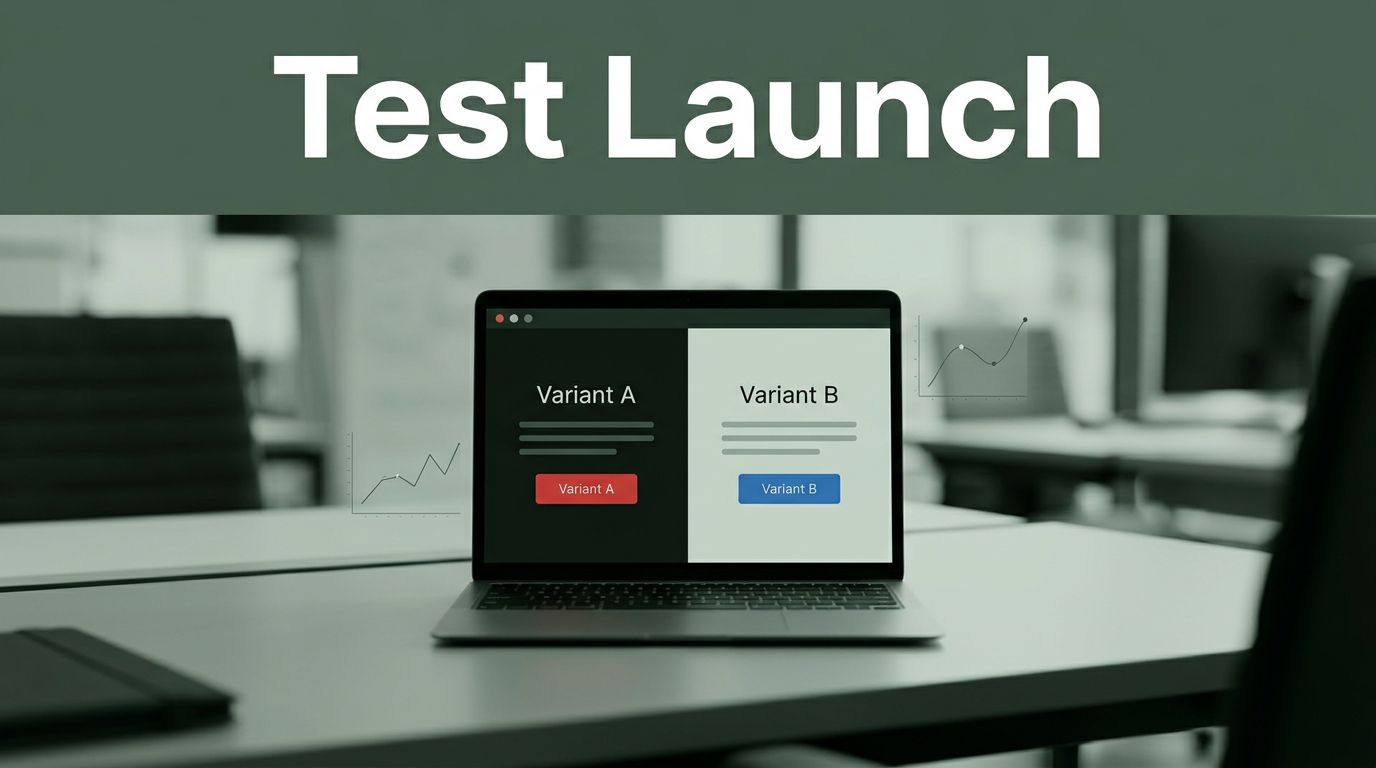
Most teams don’t lack ideas for improving a website. They lack a reliable way to decide which ideas work. A website experimentation tool gives product, marketing, and CRO teams a controlled way to compare changes. Instead of arguing over button colors or page layouts, you can test a clear hypothesis against a defined business metric.
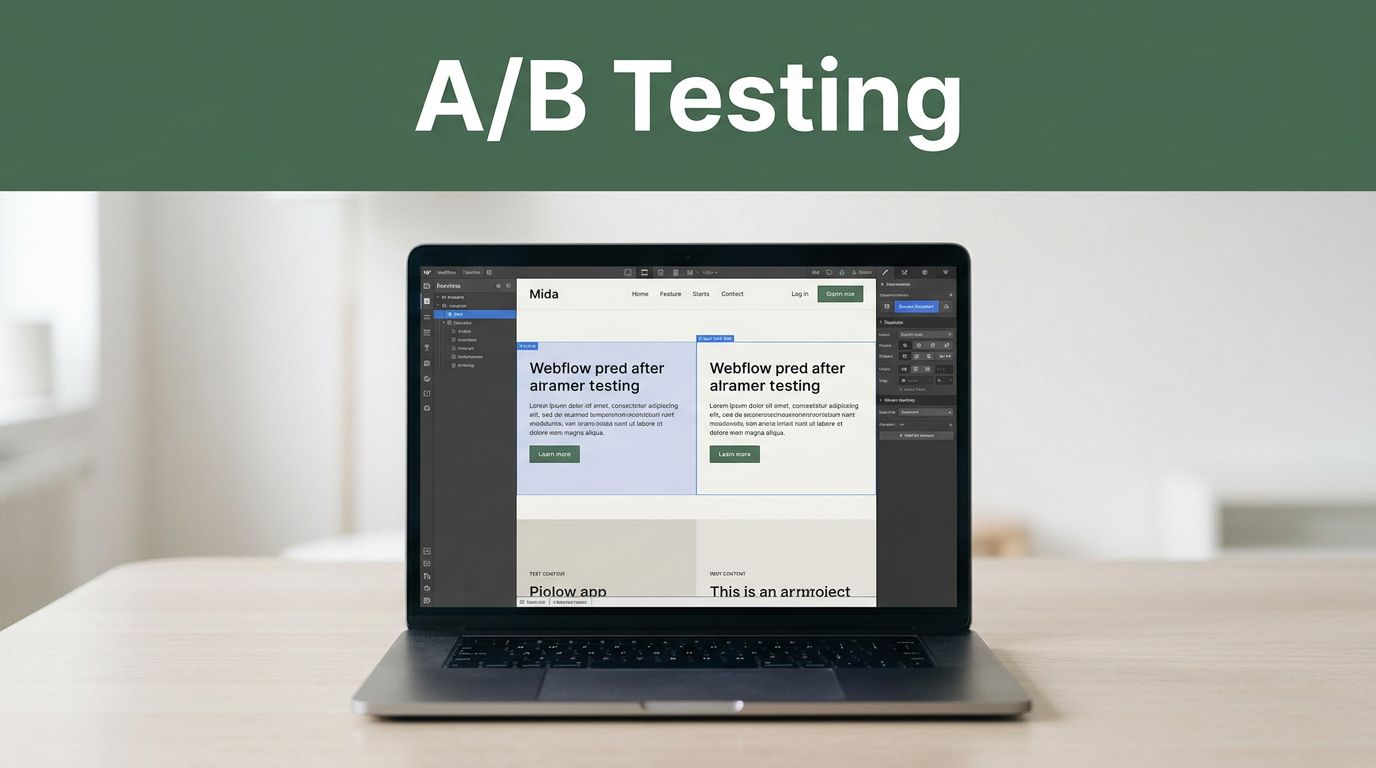
A polished Webflow page can still lose conversions because of one weak headline, one unclear button, or one extra form field. Guessing which change matters wastes traffic and creates opinions instead of evidence. Webflow A/B testing with Mida gives you a controlled way to compare page variations. Webflow hosts the site and page structure. Mida
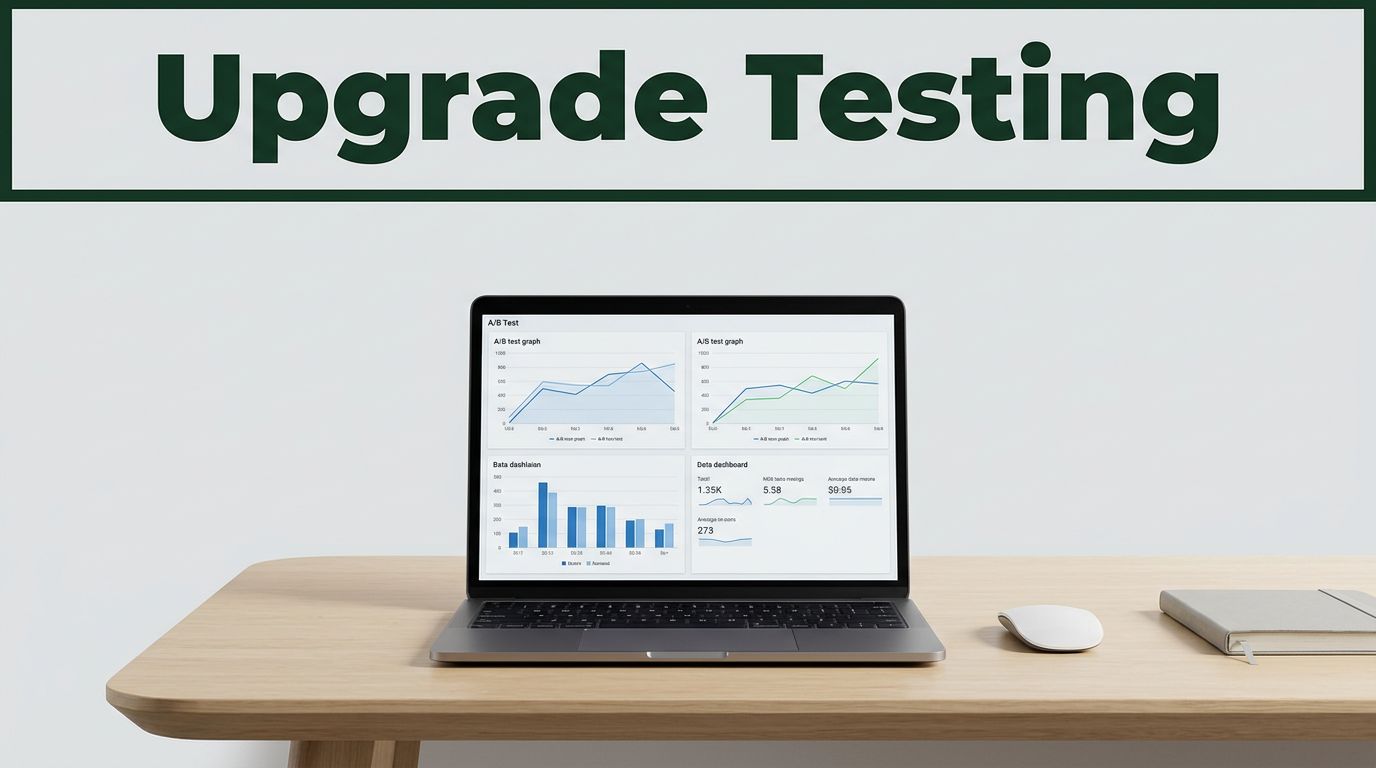
Free A/B testing tools are useful when you’re validating your first landing page or testing a single headline. They become harder to manage when your team needs reliable data, multiple experiments, audience targeting, and a clear record of every decision. The upgrade to Mida.so should not be based on feature count alone. It should solve
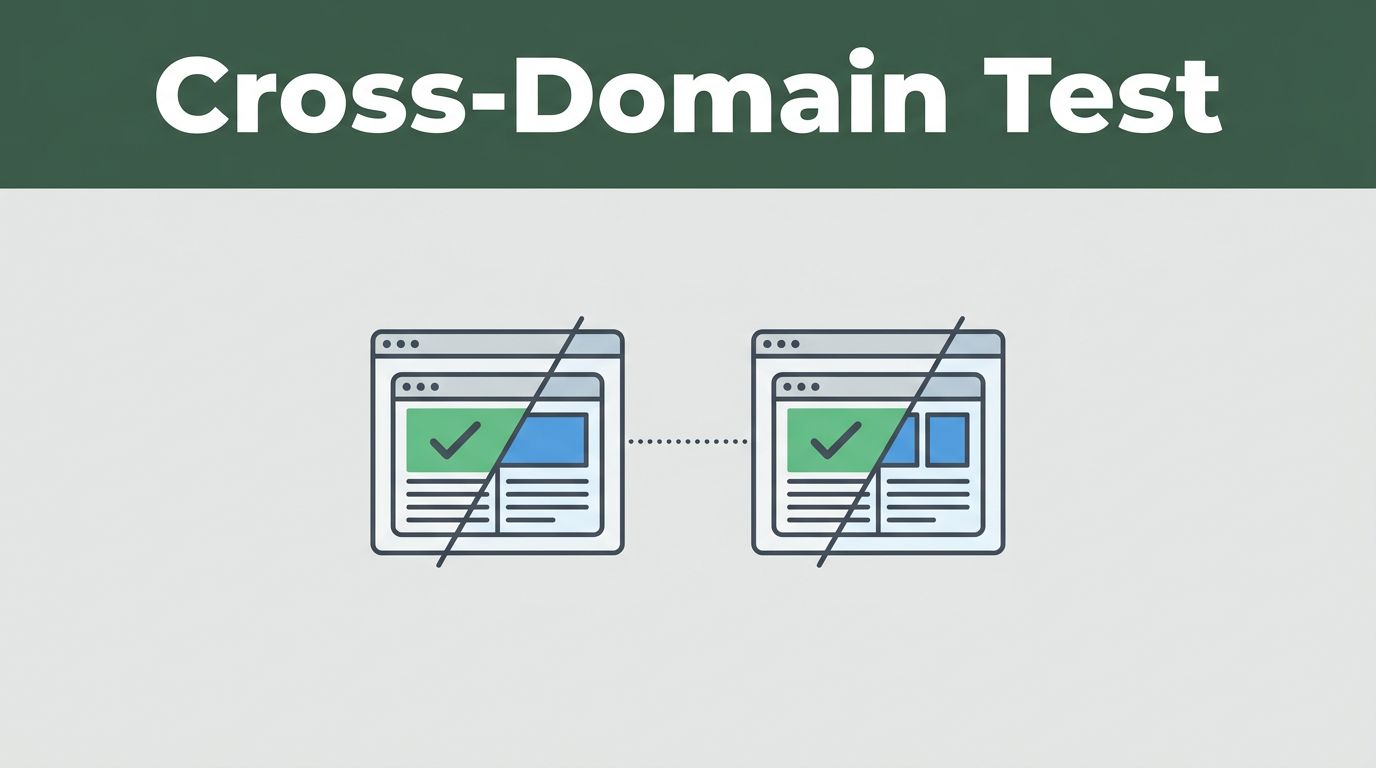
A/B test results become unreliable when a visitor moves between domains and your analytics tool treats them as separate people. The problem gets worse when the conversion happens on a checkout, booking, or app domain. Cross-domain A/B testing with Mida.so requires more than adding a tracking script to each website. You need consistent experiment IDs,

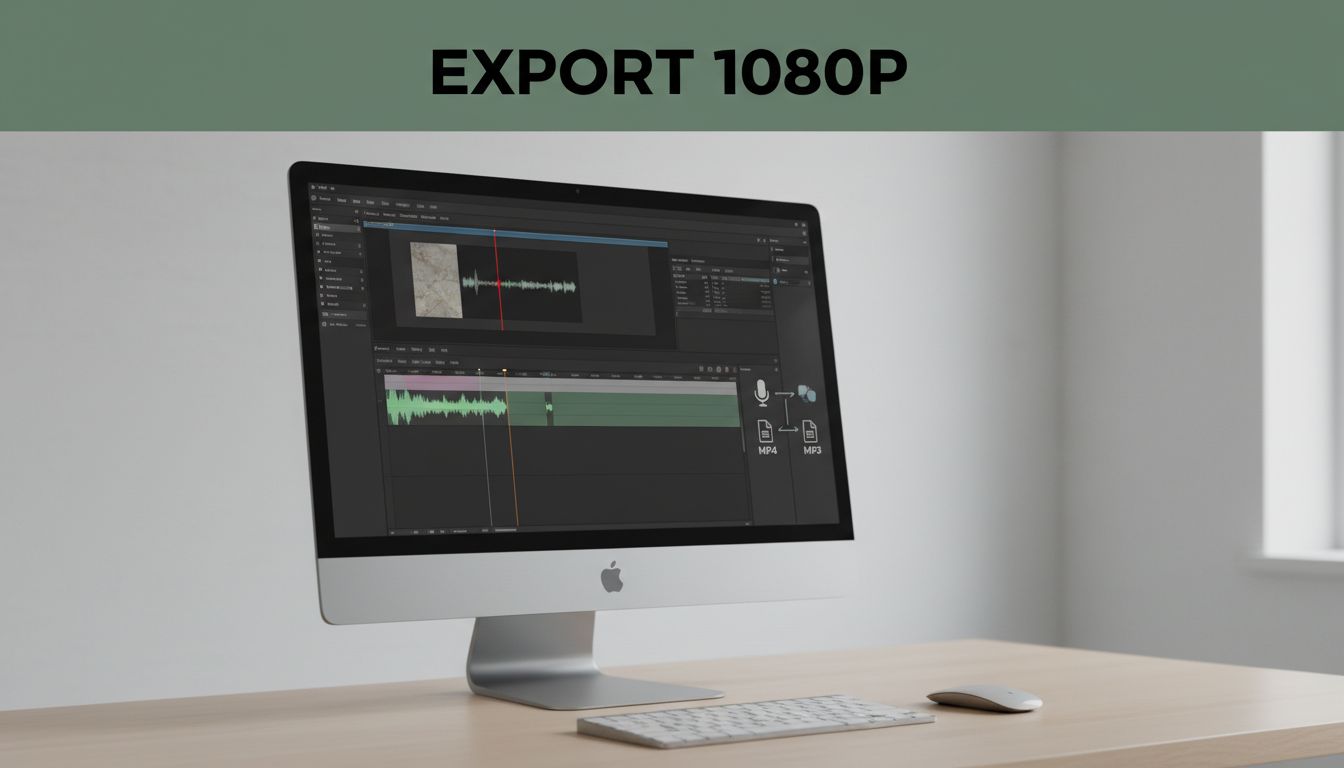
A 1080p video export doesn’t belong in your Transistor.fm RSS feed. The MP4 goes to YouTube or a social platform. The audio-only file goes to Transistor.fm. This split keeps each platform on the format it supports. You get a clean video version for viewers and a reliable audio episode for podcast apps. The process starts
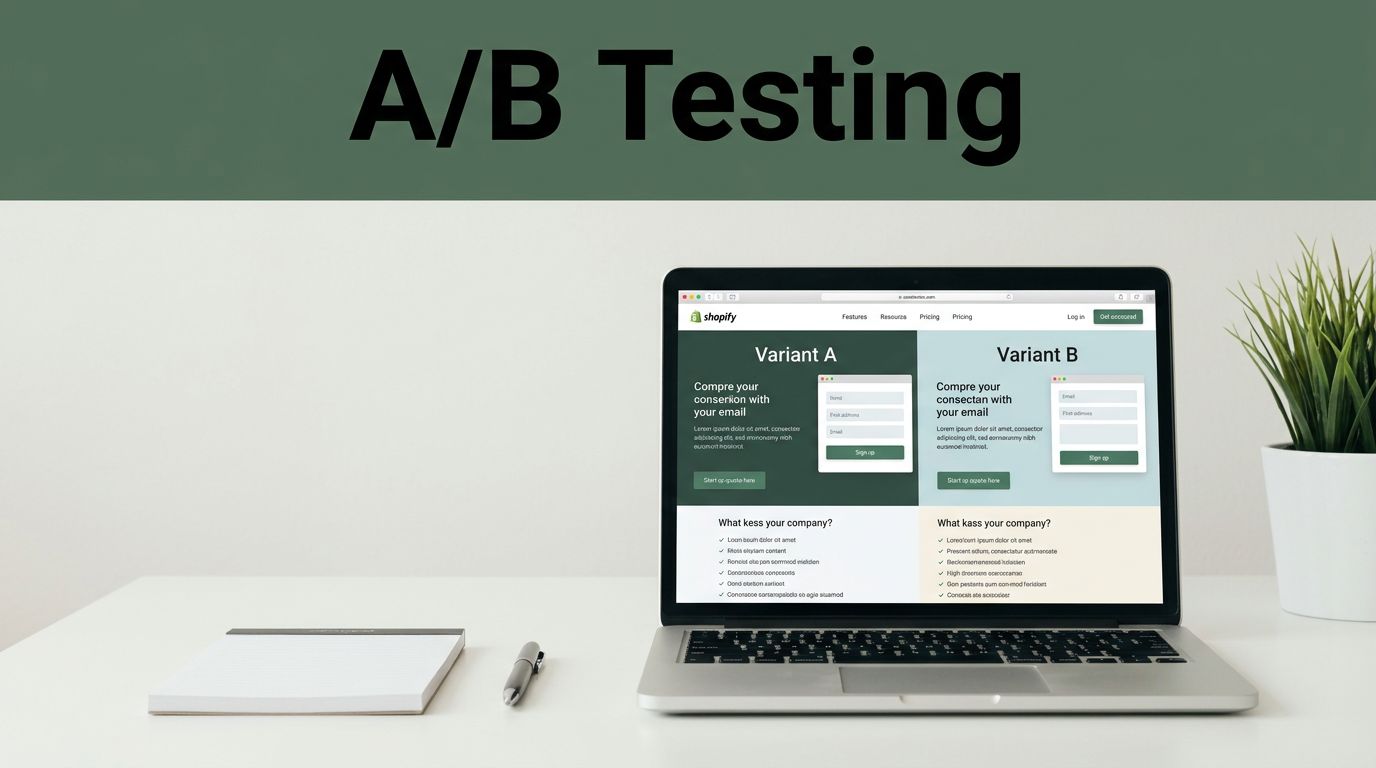
Many small businesses know their website could convert more visitors, but expensive testing platforms make experimentation difficult. You may have enough traffic to test a checkout button or product page, yet not enough budget for an enterprise contract. That is where affordable A/B testing becomes useful. Mida.so gives ecommerce owners and marketing teams a no-code
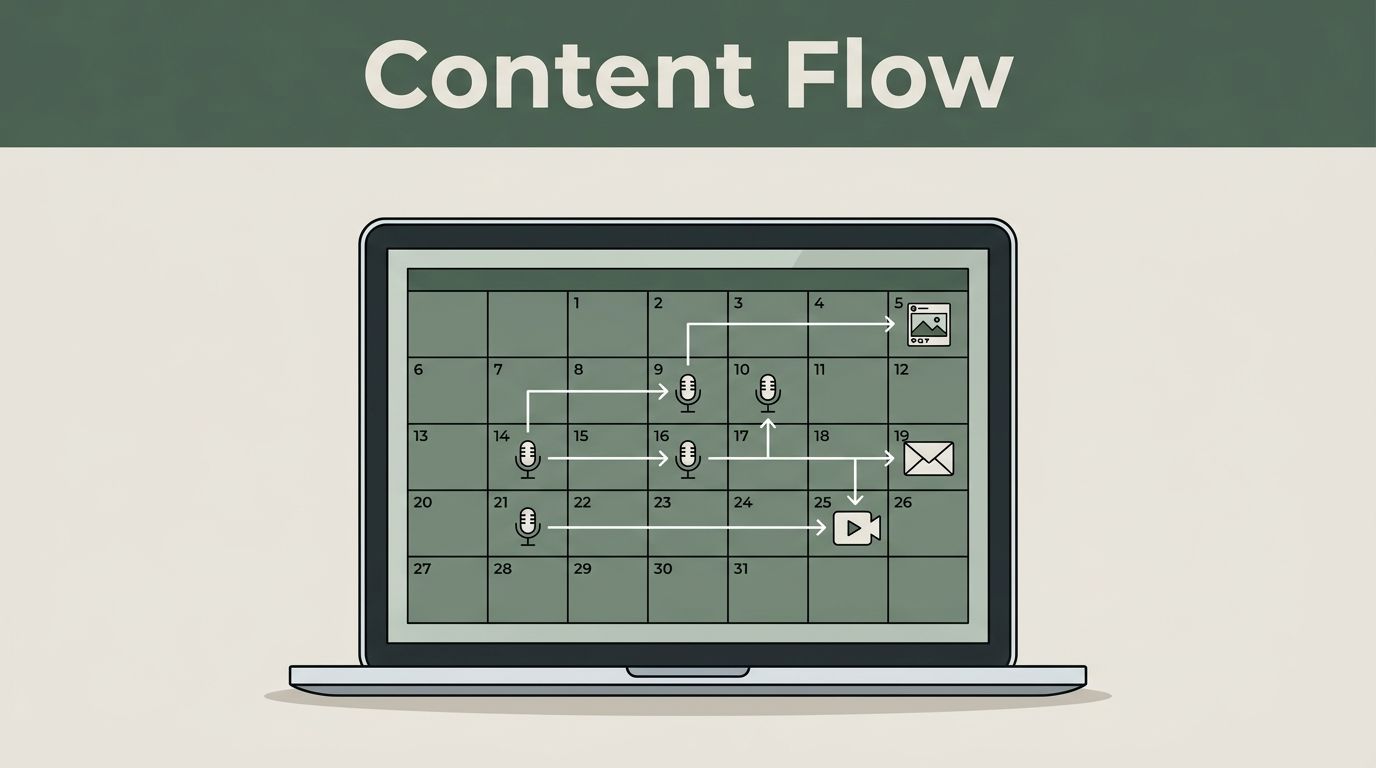
Podcast teams rarely miss deadlines because they lack ideas. They miss them because one episode creates ten follow-up tasks, and those tasks live in different tools. Content calendar automation fixes that handoff. Transistor.fm becomes the publishing source, while an automation platform sends episode data to your calendar, social queue, newsletter system, repurposing workflow, and team

