


I do not treat coupon codes like an afterthought anymore. In 2026, a bad discount setup can confuse checkout, confuse billing, and confuse my own reporting. MemberSpace makes the process manageable once I stay inside the right workflow. I create the coupon in the dashboard, match it to the right plan, and test the full

Paid content tools often fail for one simple reason, they make the wrong thing easy. MemberSpace and Ghost solve the same business problem, but they do it from opposite directions. I choose MemberSpace when I already have a website and need a paywall. I choose Ghost when I want the membership, newsletter, and site to

WordPress membership decisions get messy fast because the wrong tool can lock you into the wrong setup. I look at MemberPress vs MemberSpace through one simple lens, where does my site live, and how much control do I want over it? If I already run WordPress, I care about ownership, design control, and long-term costs.
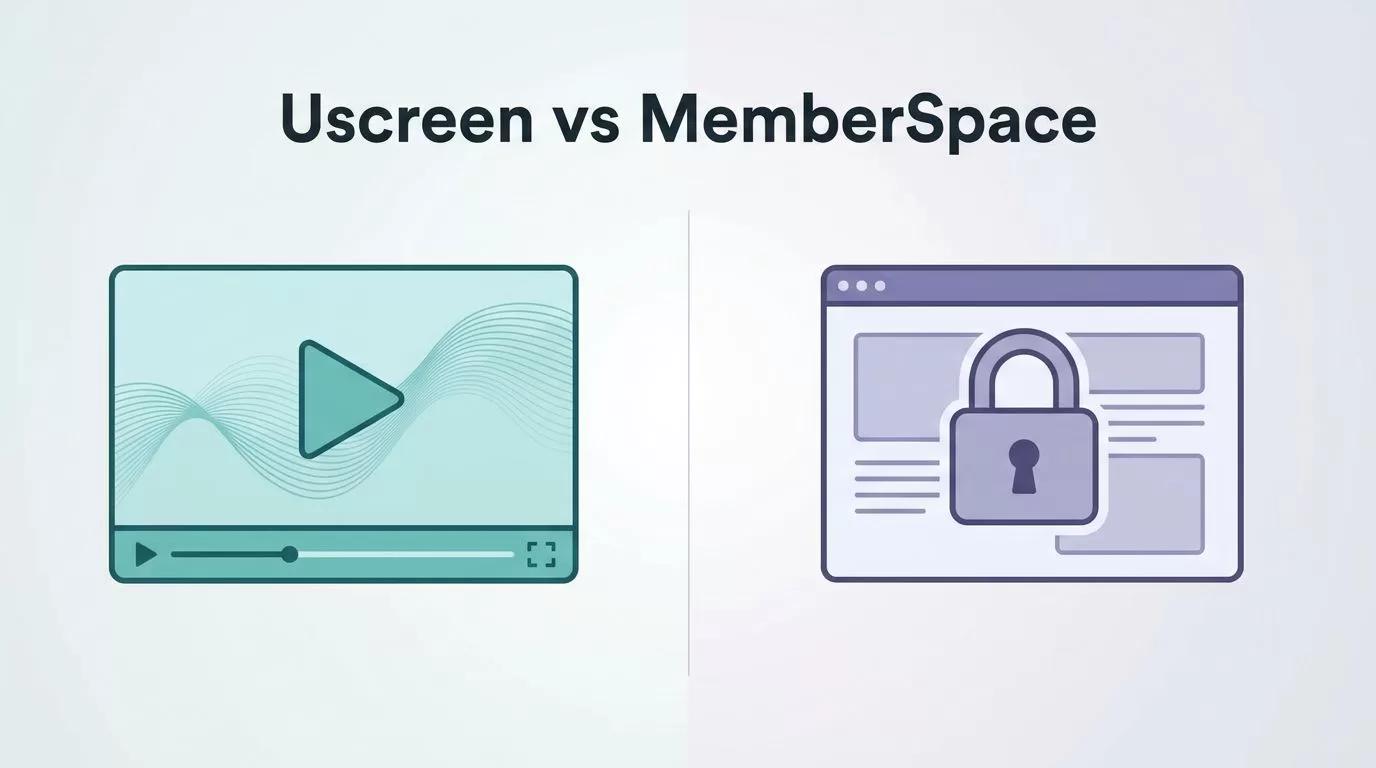
If I sell video memberships in 2026, I need the platform to fit the business, not trap it. MemberSpace vs Uscreen comes down to one clear choice, do I want to protect an existing website, or do I want a video business built around the platform itself? My short verdict is direct. I pick Uscreen
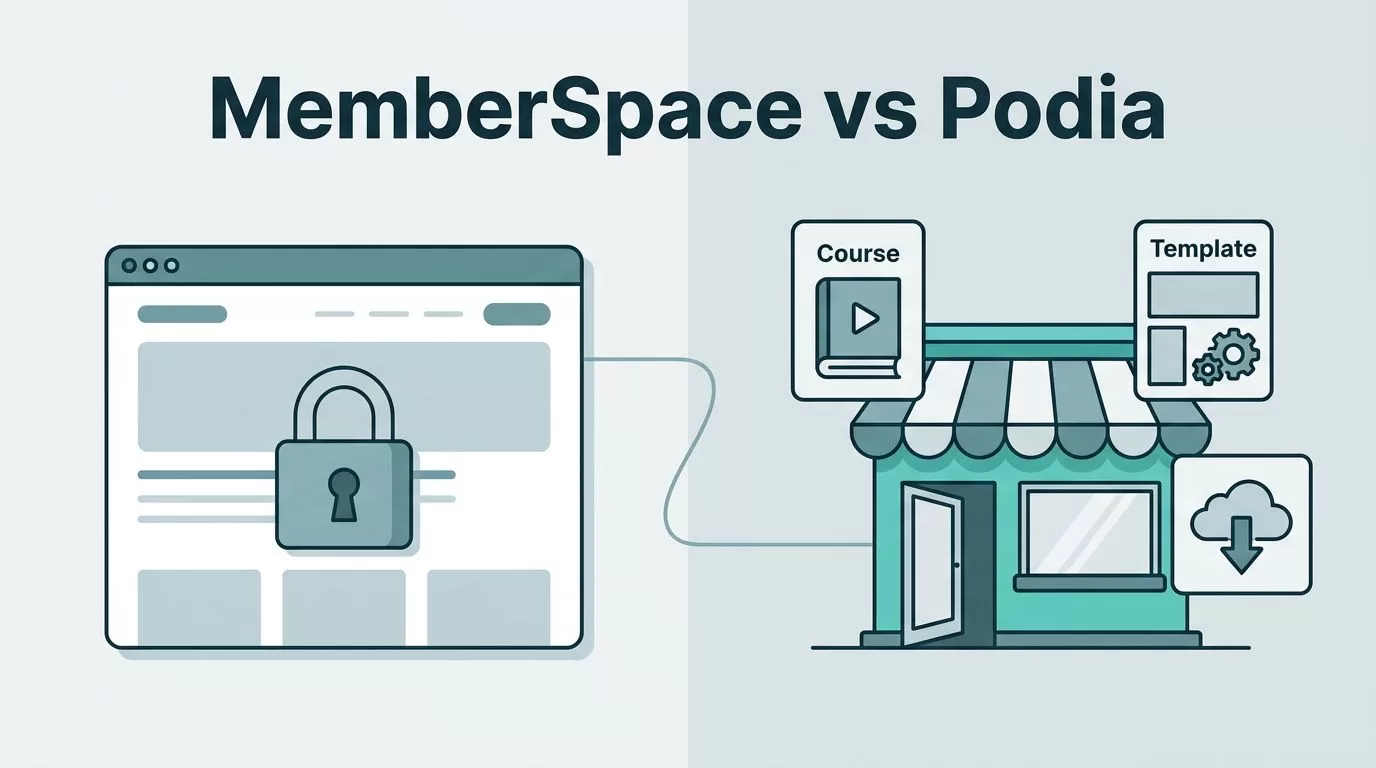
When I compare MemberSpace and Podia, I am comparing a paywall with a storefront. One protects content on a site I already own. The other gives me the site, checkout, email, and product tools in one place. That difference matters when I sell memberships, courses, templates, or downloads. A light stack can save time, but

If I want a simple paywall on my own site, I choose MemberSpace. If I want members talking, meeting, and coming back for the feed, I choose Circle. That split matters more in 2026 than it did a year ago. I see too many teams buy community software before they decide what the community is
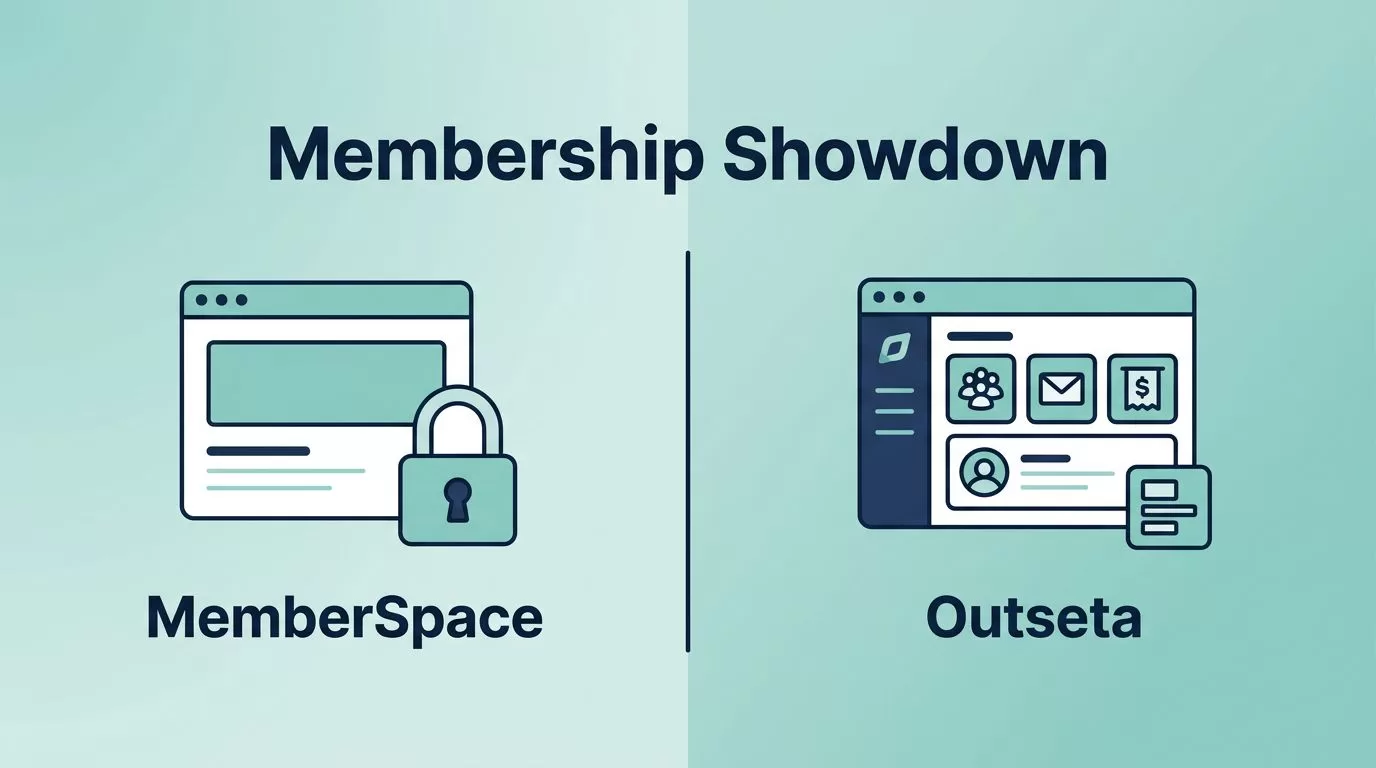
I answer the MemberSpace vs Outseta question the same way every time. If I need a clean membership layer on an existing site, I reach for MemberSpace. If I want the membership business itself in one place, I look at Outseta. That split matters in 2026 because the wrong choice adds tools, work, and confusion.

Launching a paid Slack group gets messy when the membership page and the workspace are built as separate projects. I want a cleaner path than that. When I build a MemberSpace Slack group, I keep the route short, pay, confirm, join, and start talking. I also keep the setup boring on purpose. Boring means fewer

When I launch a private community, I don’t start with posts. I start with locks, keys, and plain rules. A MemberSpace online community grows faster when members trust the space. That trust comes from tight access, a clear checkout path, and moderation that doesn’t feel random. I keep the setup boring on purpose, because boring

