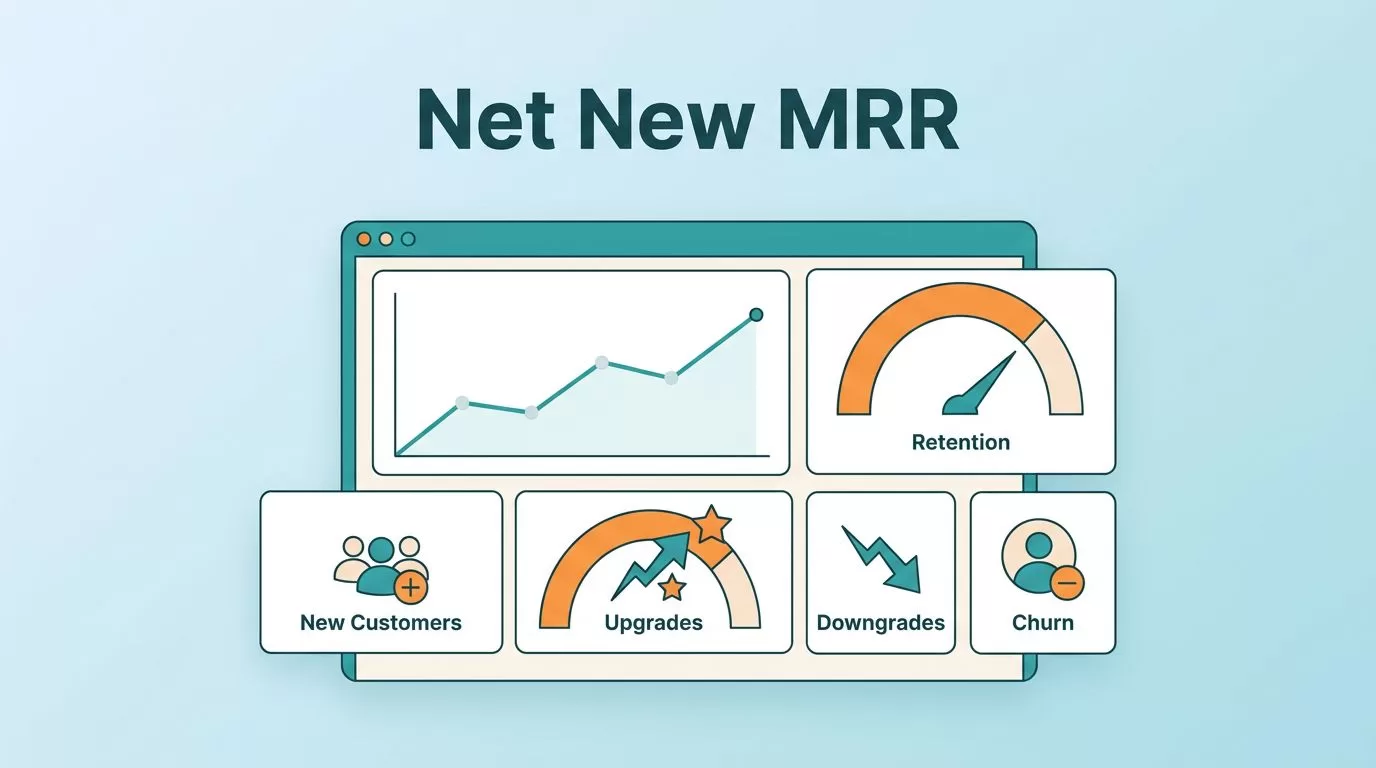

Net new MRR tells me whether my SaaS business actually grew this month, or just looked busy. A healthy top line can still hide churn, downgrades, and weak retention. I use Baremetrics to separate the real drivers, so I can see where the money came from and where it leaked out. That gives me a
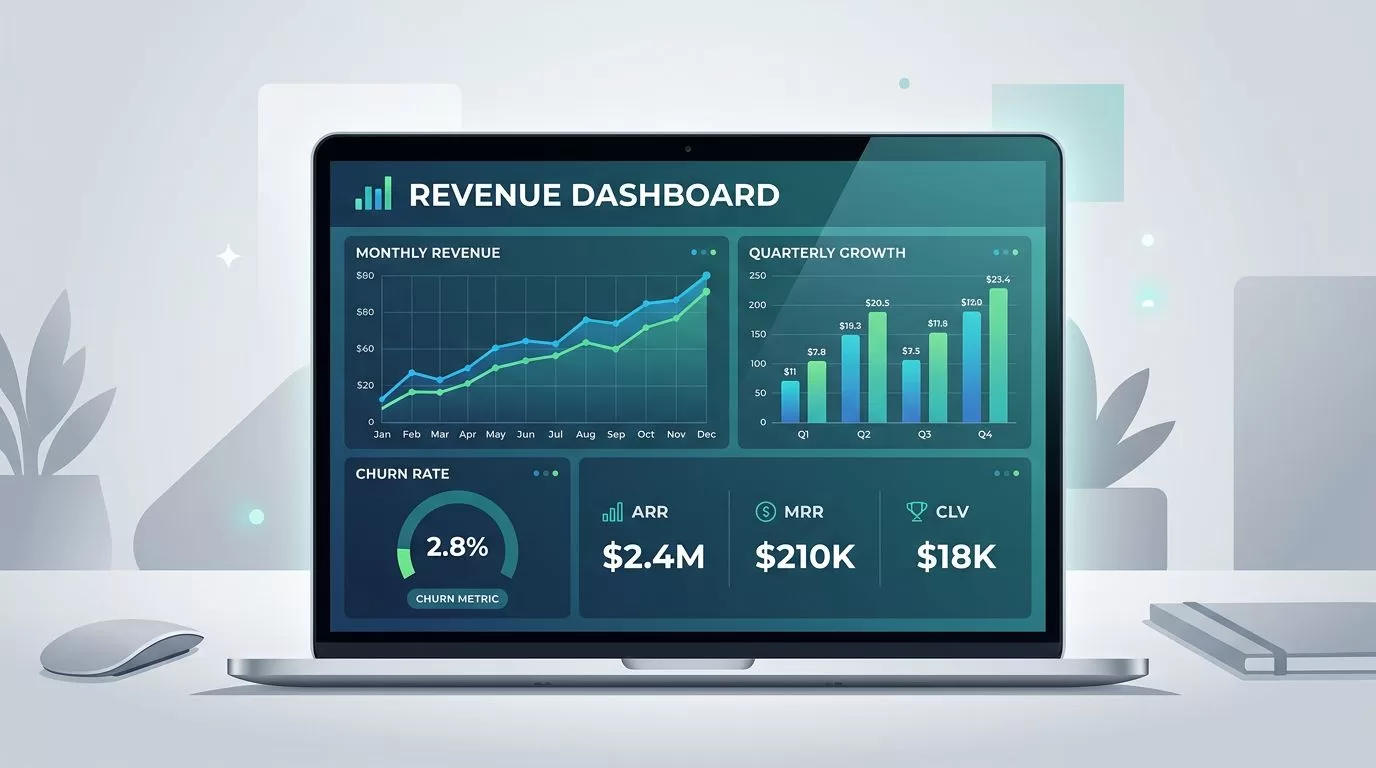
When I open a SaaS finance view, I don’t want five tabs and three exports. I want one screen that tells me if the business is growing cleanly or leaking revenue. A Baremetrics financial dashboard gives me that read faster than spreadsheets ever can. Baremetrics pulls live subscription data into charts, filters, and reports, so
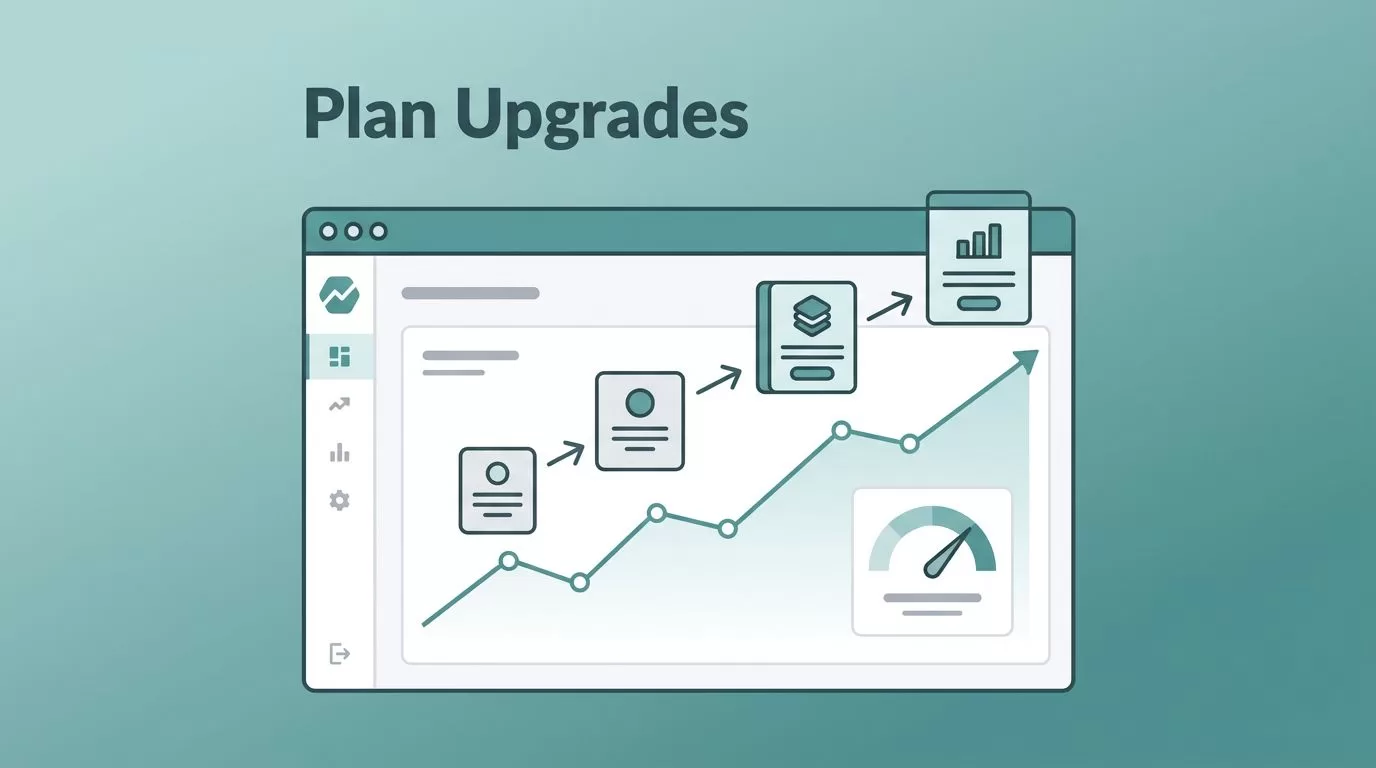
Plan upgrades can look like a clean rise in revenue, then vanish into a crowded chart. I don’t read them that casually. When I watch Baremetrics plan upgrades, I want to know whether the move came from real expansion, a billing change, or a coupon that ran out. That difference matters for MRR, expansion revenue,
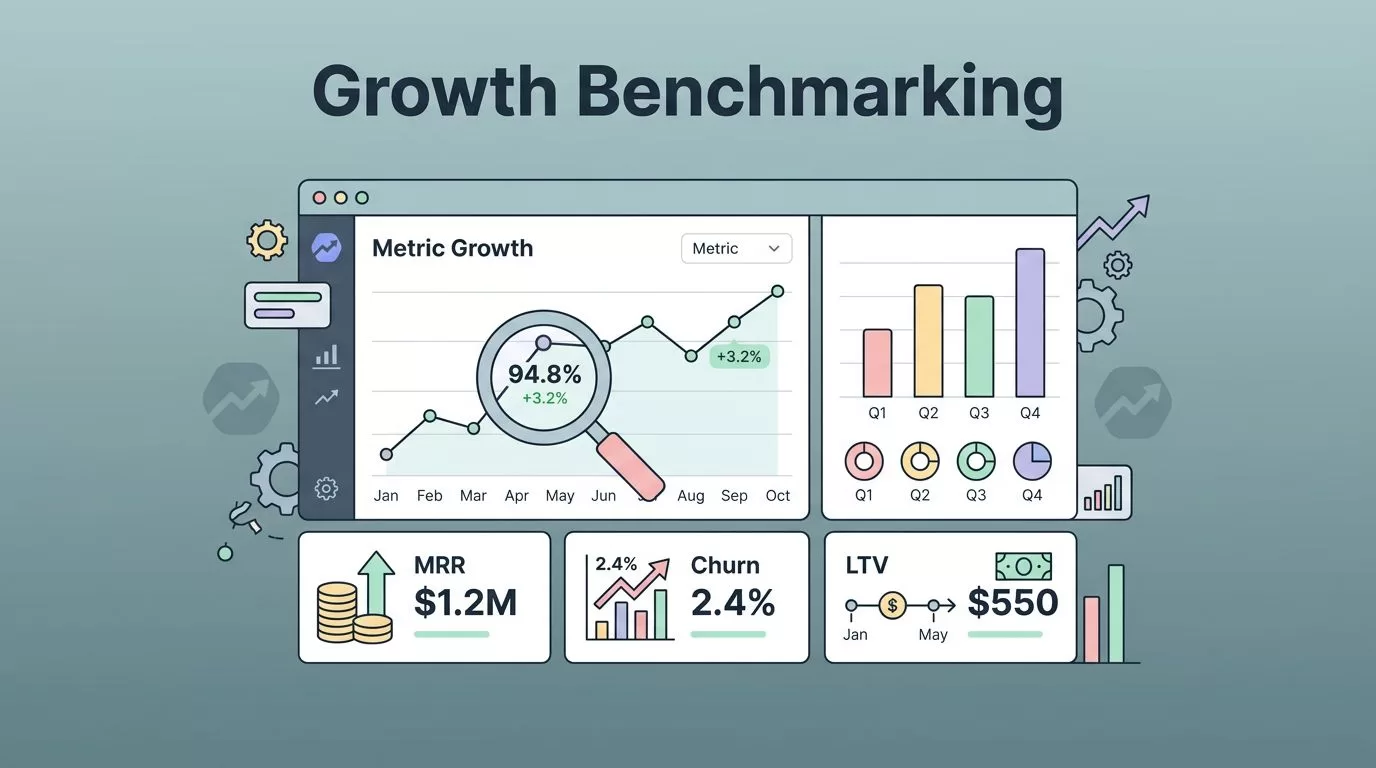
A SaaS business can look healthy and still leak revenue in plain sight. I use Baremetrics to compare MRR, churn, LTV, and failed payments against similar companies, so I can see where my numbers are normal and where they are drifting. Once I have that reference line, I can stop guessing about pricing, retention, and

If I sell in more than one currency, my SaaS metrics can lie to me before lunch. A clean MRR chart can rise because customers upgraded, or because the euro moved. The difference matters when I need to explain performance to finance, investors, or my own team. Baremetrics gives me a way to keep those
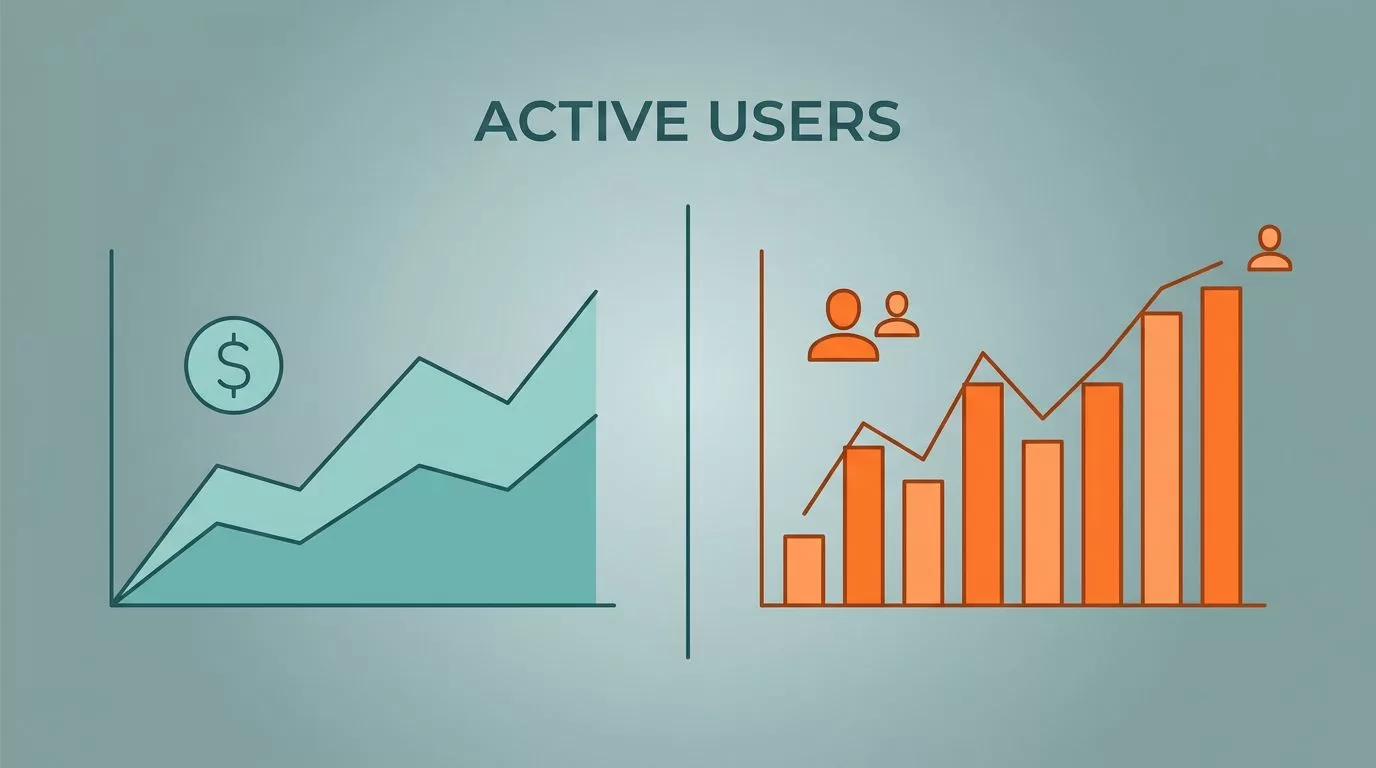
Revenue alone can hide a lot. I have watched MRR climb while the product’s daily pull got weaker, and I have seen user activity spike while cash barely moved. When I watch the Baremetrics active users view beside revenue, I get a cleaner read on whether growth is real. That matters when I am setting
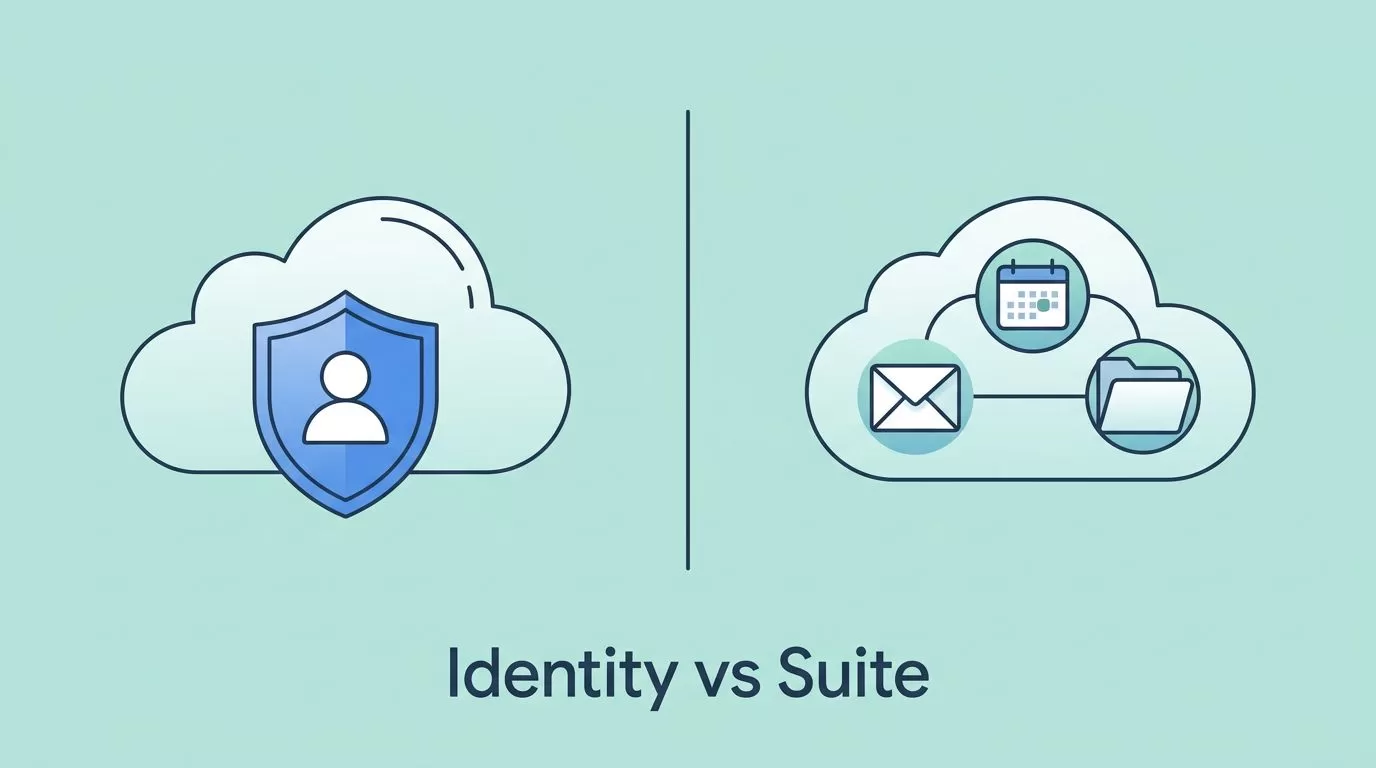
Choosing between Cloud Identity Free and Business Starter comes down to one simple question, do I need account management, or do I need a full work suite? If I only want identity control, security basics, and device management, Cloud Identity Free is the better fit. If I need Gmail, Calendar, Drive, Docs, and Meet for
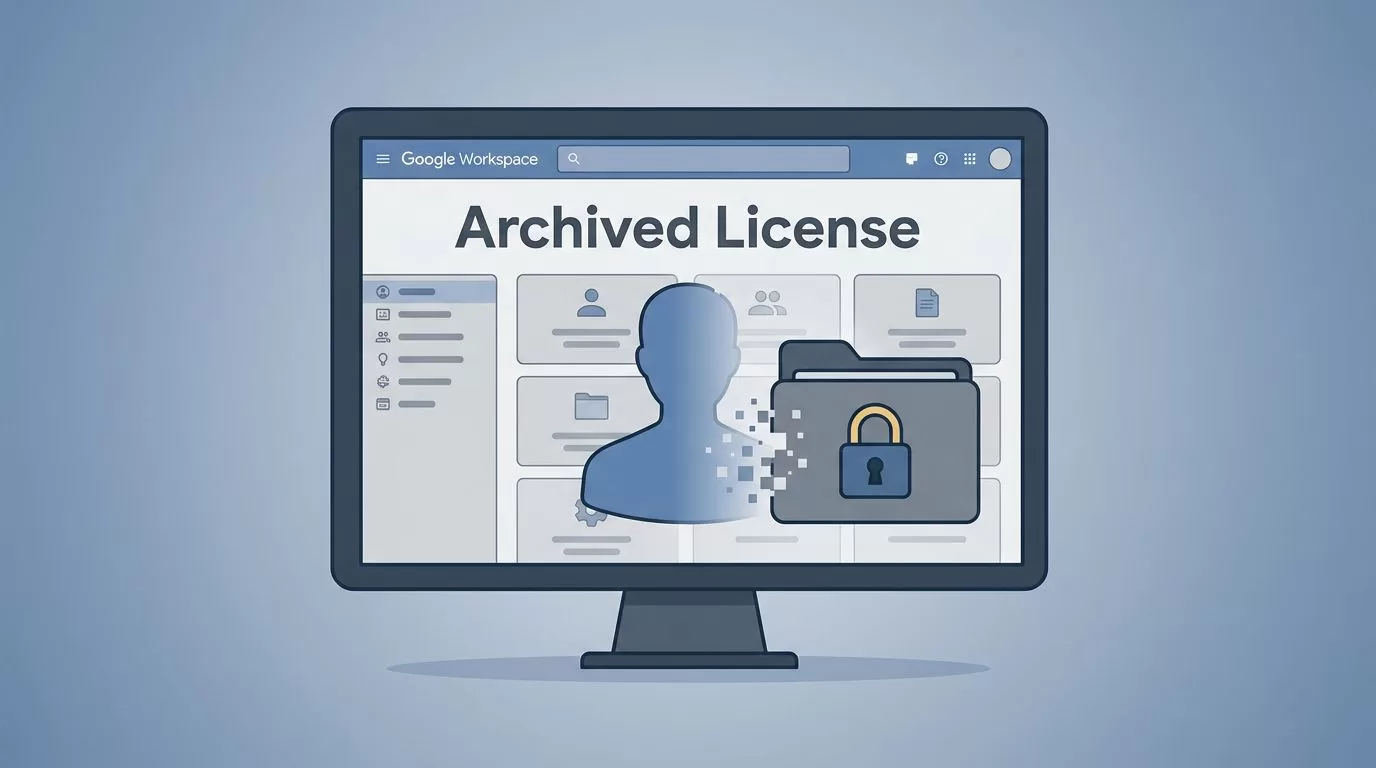
A former employee’s files can vanish fast if I handle offboarding carelessly. In Google Workspace, the Archived User License is the tool I use when the data needs to stay, but the person doesn’t need an active seat. I treat it as a retention and compliance feature, not a normal user license. That matters because
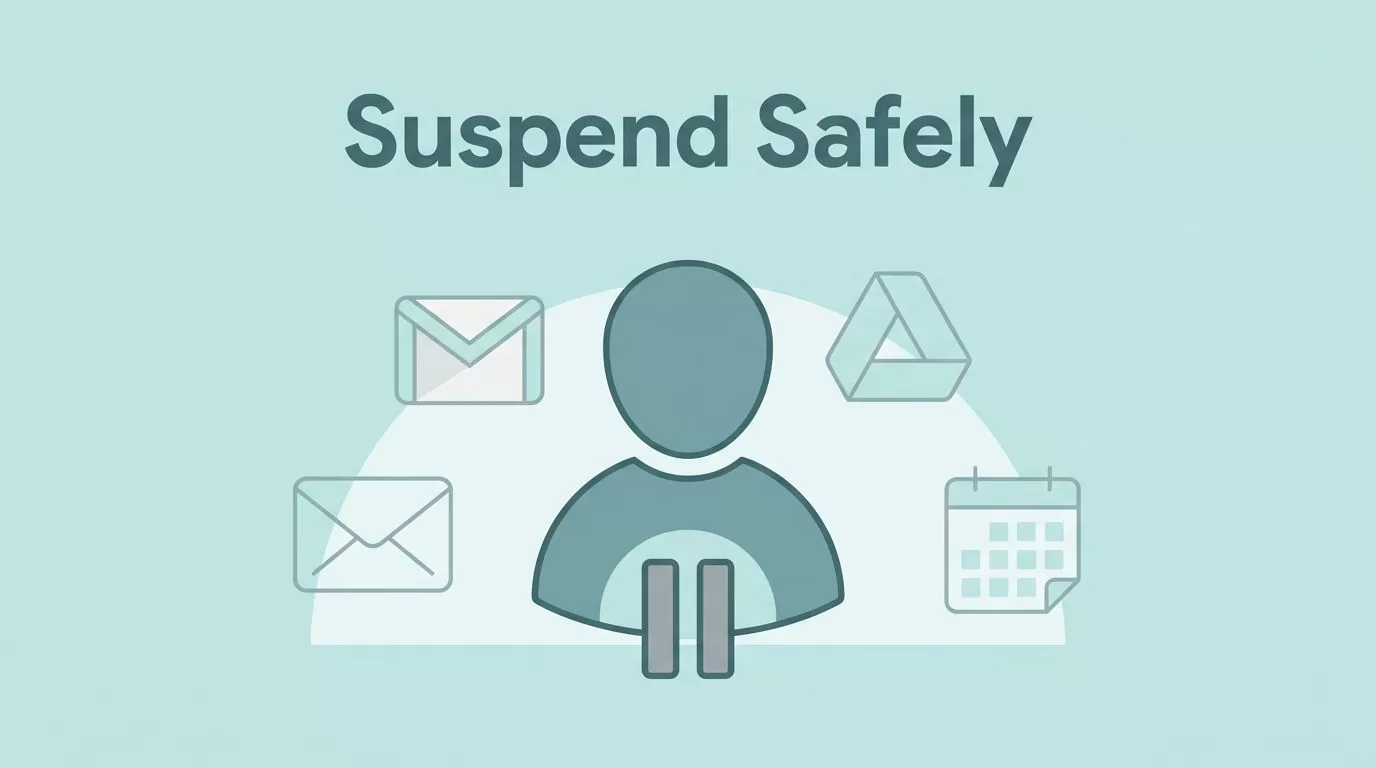
When I need to remove someone from Google Workspace, I suspend the account first. That shuts off access, but it leaves Gmail, Drive, Calendar, and the rest of the account data in place. I delete a user only after I move ownership and check retention. That order keeps me from losing files or chasing old
