

If I run a Shopify store with four automation apps, I already know I have too many moving parts. Each one may solve a small job, but together they create a pile of subscriptions, rules, and failure points. Twin.so gives me a cleaner way to handle that mess. I can keep order tagging, fulfillment handoffs,
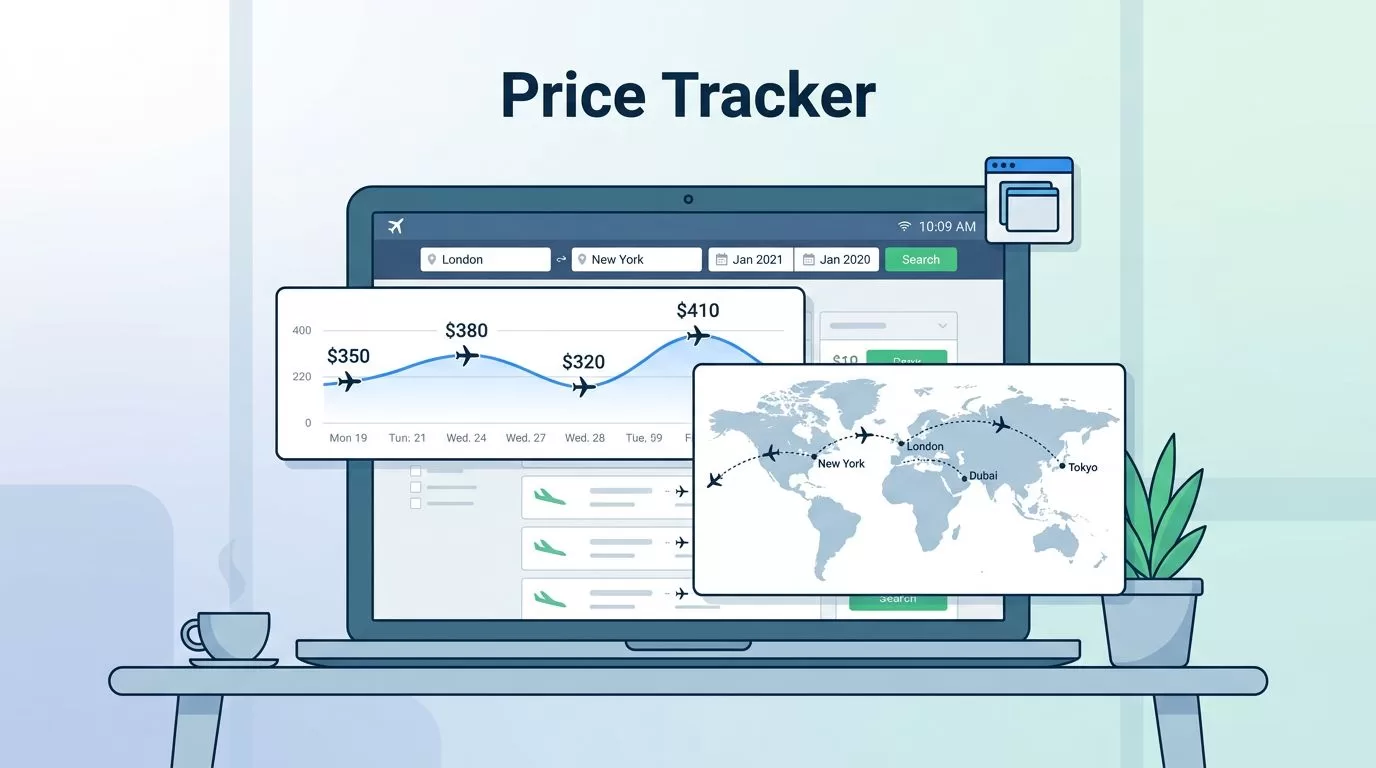
Flight fares don’t sit still. A route can look cheap at breakfast, then jump before lunch, and disappear by dinner. That’s why I don’t rely on a single scrape. I use Twin.so to take repeated snapshots, compare them over time, and catch price changes while they still matter. The goal is simple, I want a
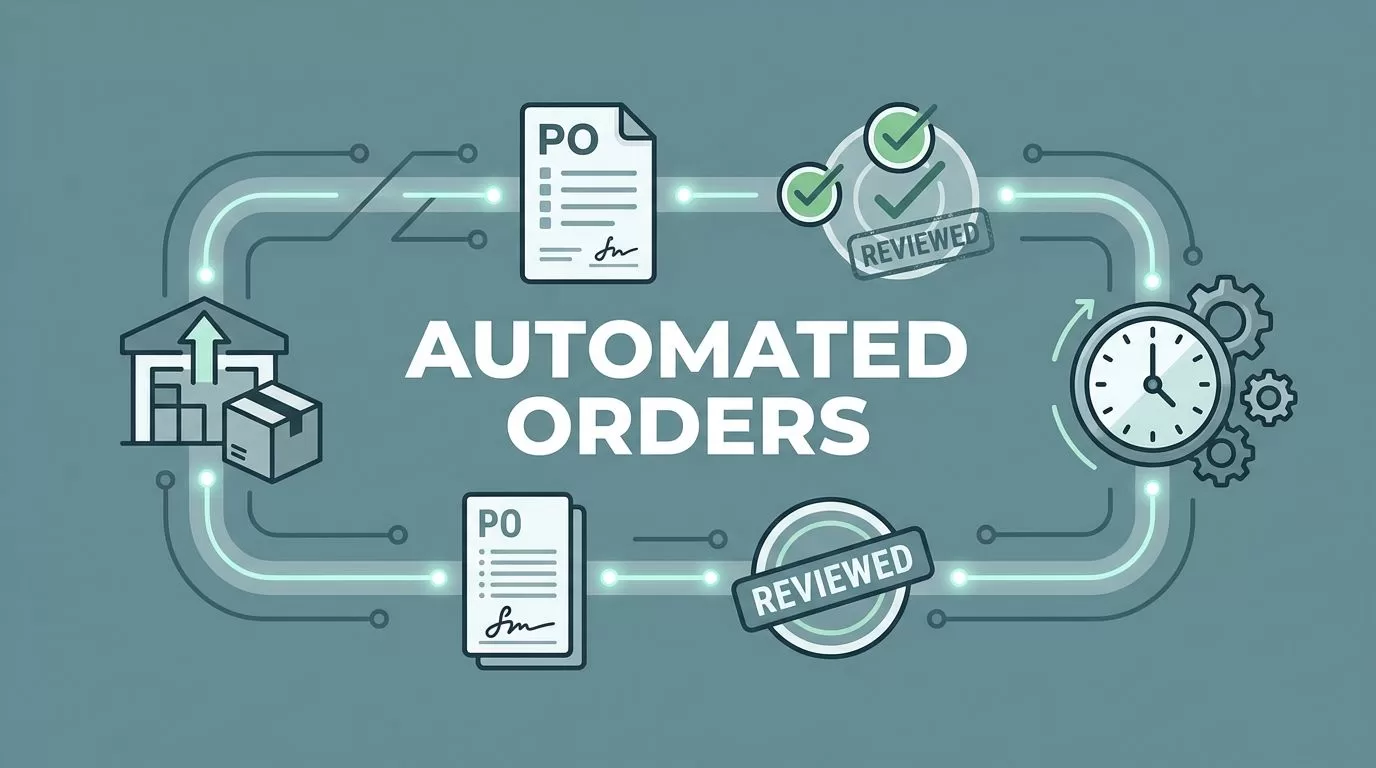
Supplier orders tend to break in the same places, a late reorder, a missed approval, or a vendor email buried in a crowded inbox. Once volume rises, each manual handoff adds another chance for the wrong quantity, the wrong timing, or a shipment that misses the window. That is why I treat supplier order automation
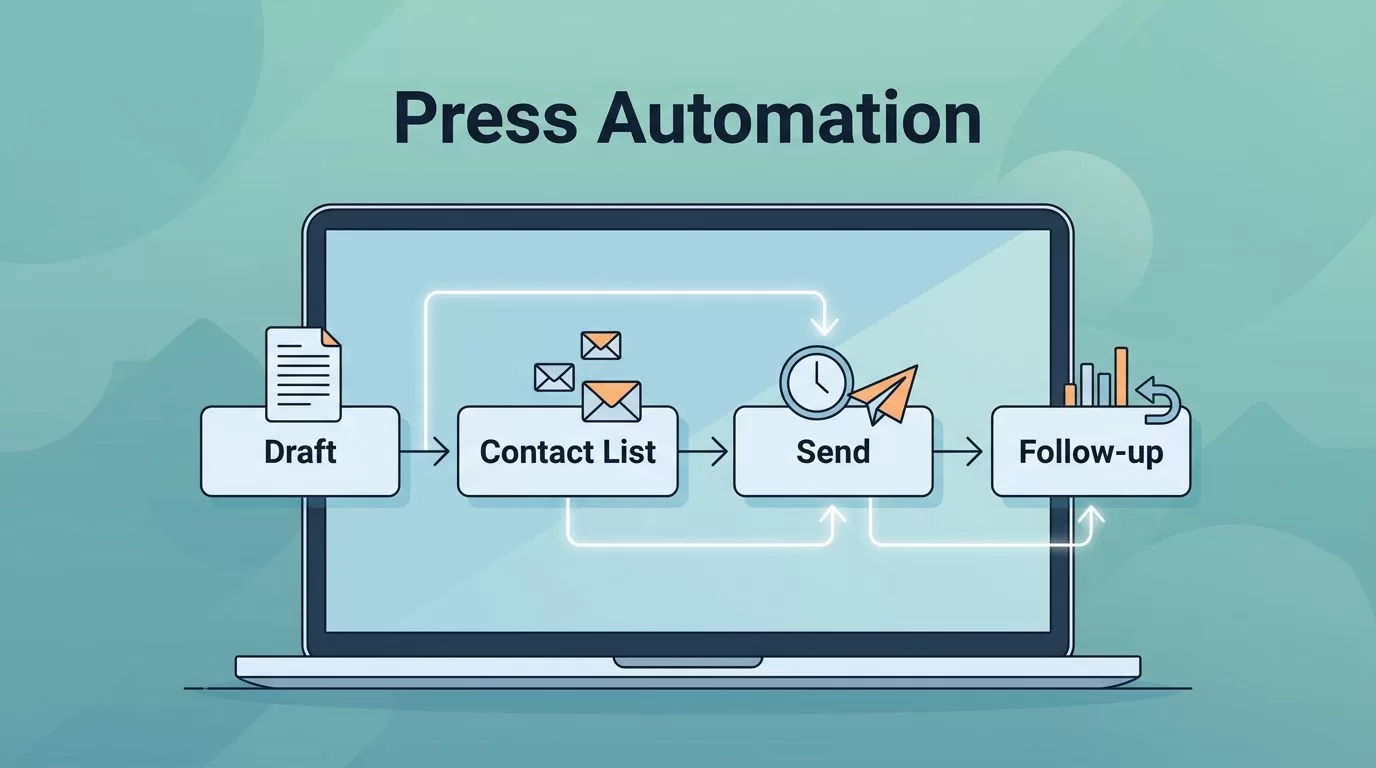
Press release distribution breaks down in the same place for many teams, too much copying, too many follow-ups, and not enough visibility. I automate press release distribution so the work stops depending on memory, spare time, or one person’s inbox. That doesn’t mean I hand the message over to software. I let automation handle the

App Store reviews pile up faster than most teams can read them. When I need product signals, I don’t want a folder full of screenshots or a messy spreadsheet. I want a clean stream of reviews I can sort, search, and reuse. With Twin.so, I keep the process simple enough to repeat every week. That
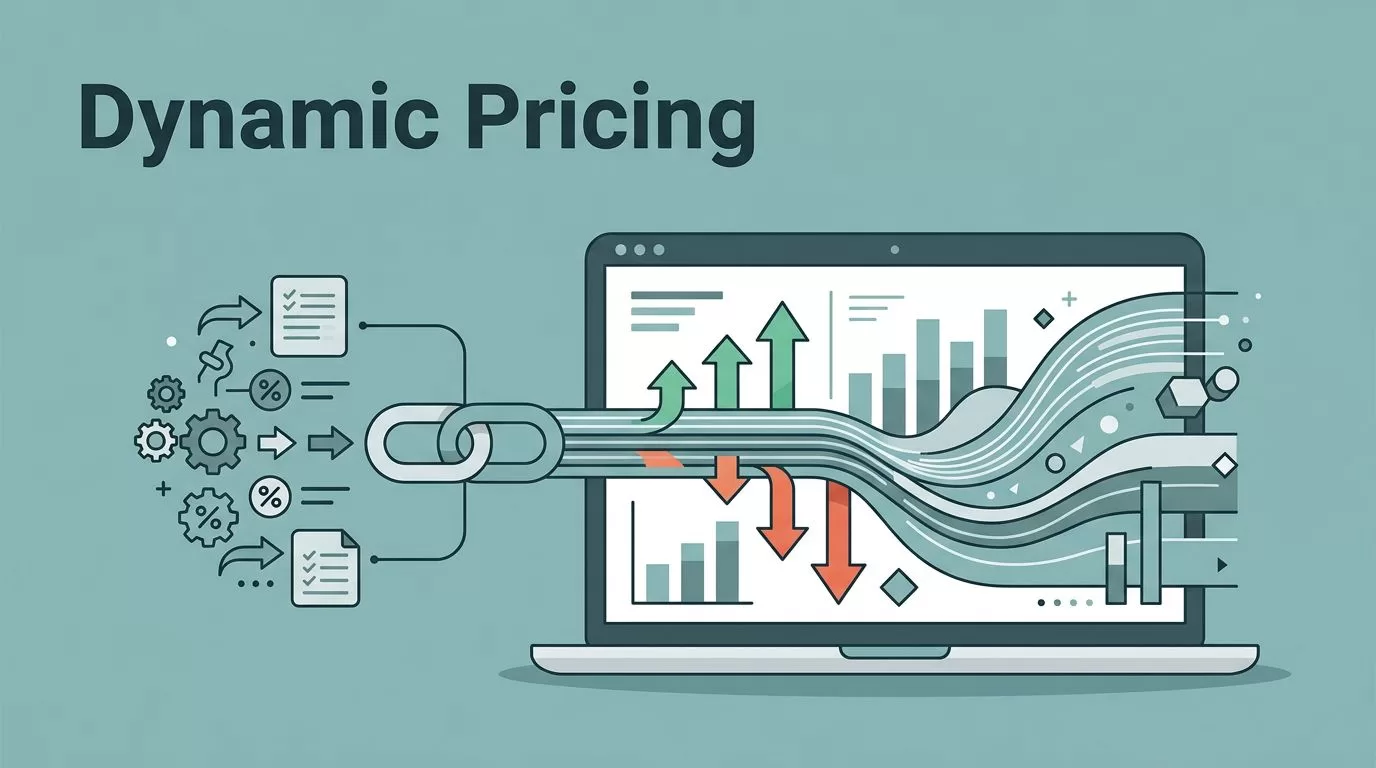
Price changes lose value when they sit in a spreadsheet too long. I want them to move while the market is still moving. When I run dynamic pricing software through Twin.so, I care about three things: speed, control, and a clear trail. That matters for revenue teams, but it also matters for operations and product
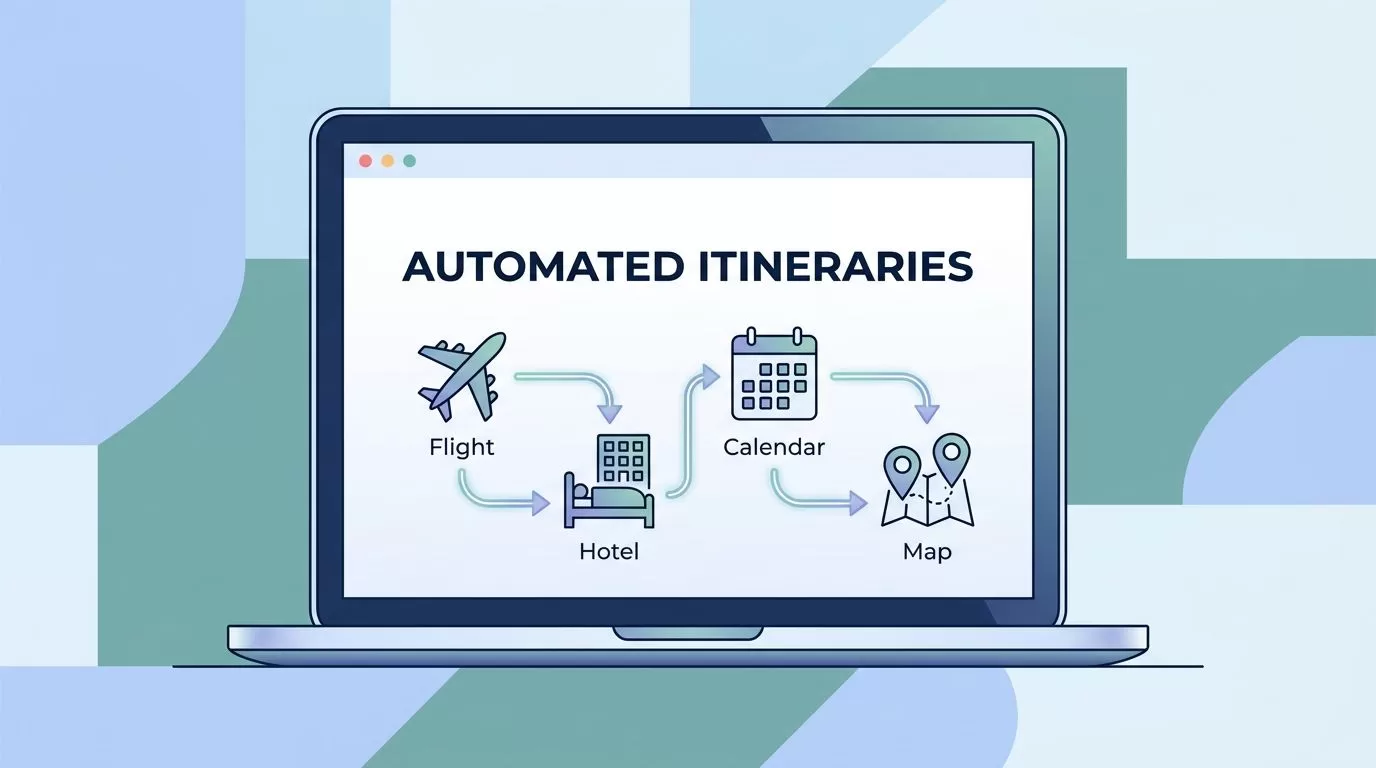
Trip planning gets messy the moment one detail changes. A delayed flight can break hotel check-ins, meeting times, airport transfers, and the version of the itinerary you already sent. I use itinerary planning automation in Twin.so to keep those moving parts under control. That saves time, cuts copy-and-paste mistakes, and keeps every stakeholder on the
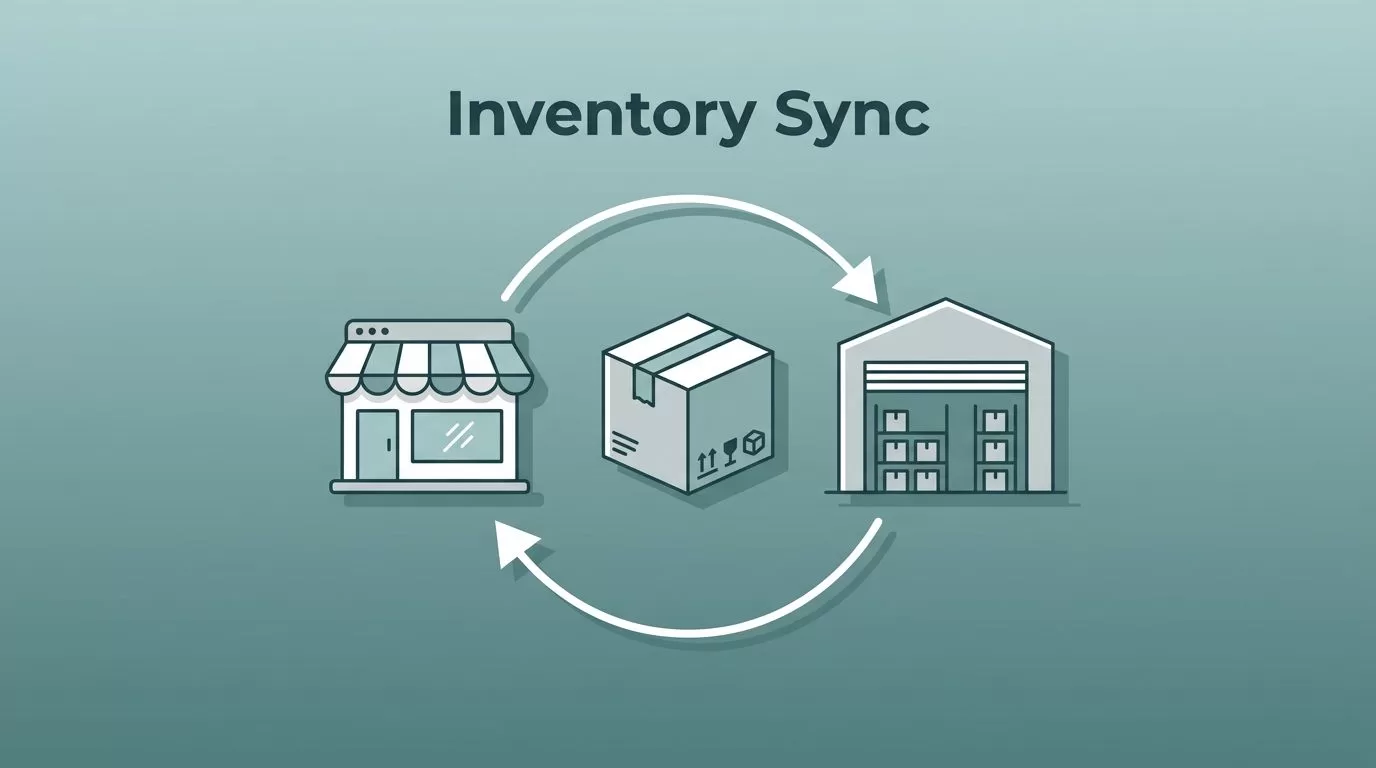
Inventory sync breaks the moment stock starts living in more than one place. If I sell on a storefront, list on marketplaces, and keep counts in an ERP or POS, one late update can turn into an oversell, a canceled order, or a support ticket I didn’t want. That’s why I treat inventory sync as
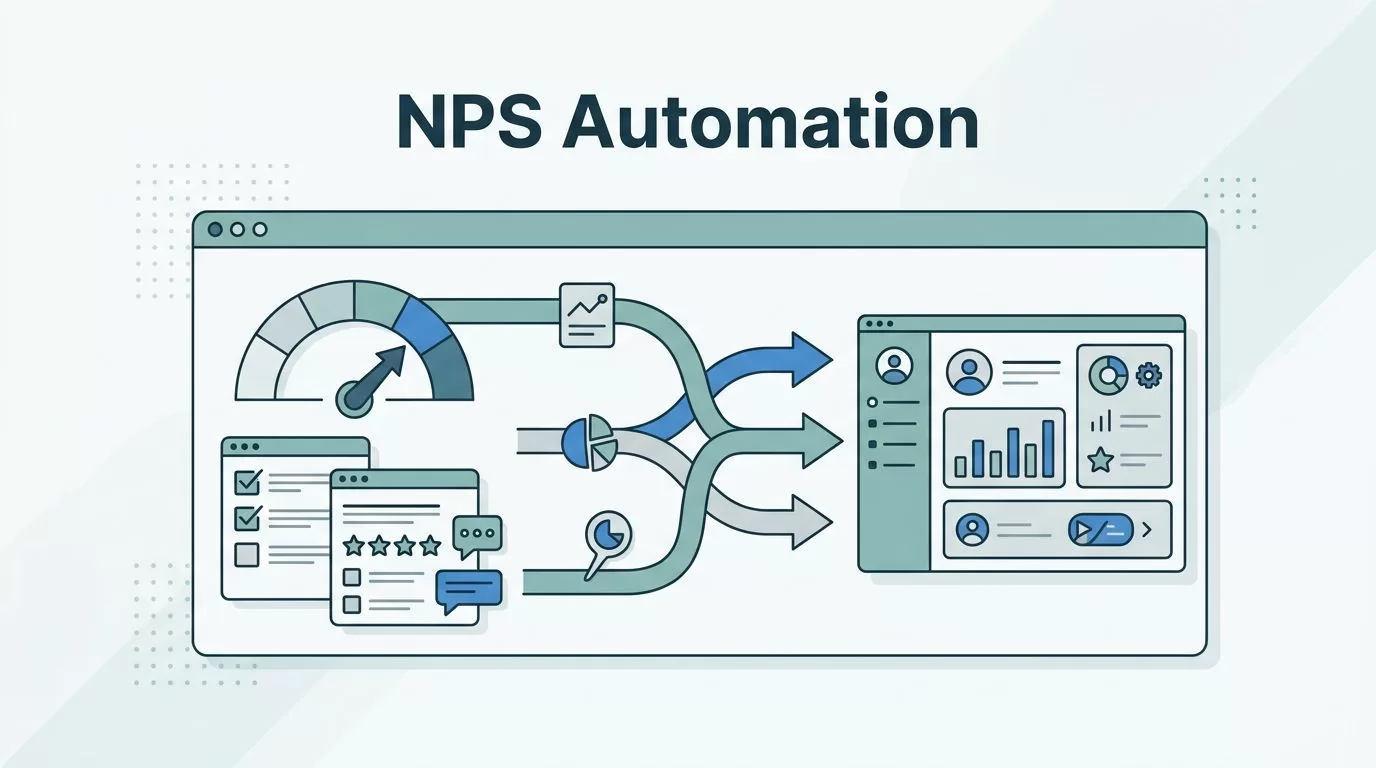
NPS tracking falls apart when too many small tasks live in too many places. Someone has to send the survey, another person has to log the score, and a third person has to chase the follow-up. I use NPS automation with Twin.so to pull that work into one repeatable flow. That gives me cleaner feedback,
