


When a recruiting team gets busy, the hardest part is not finding candidates. It is keeping the work clear. I want one place where pipeline changes, notes, tasks, and reports all live together. For Recruit CRM recruiting teams, that shared visibility matters more than any shiny extra. It keeps the team moving and cuts down

When a client goes quiet, I don’t want a black hole. With Recruit CRM submission tracking, I can see which candidates were sent, where they sit in the workflow, and when a follow-up is due. That matters because silence can hide different problems. Sometimes the submission never left the system. Sometimes the client opened it
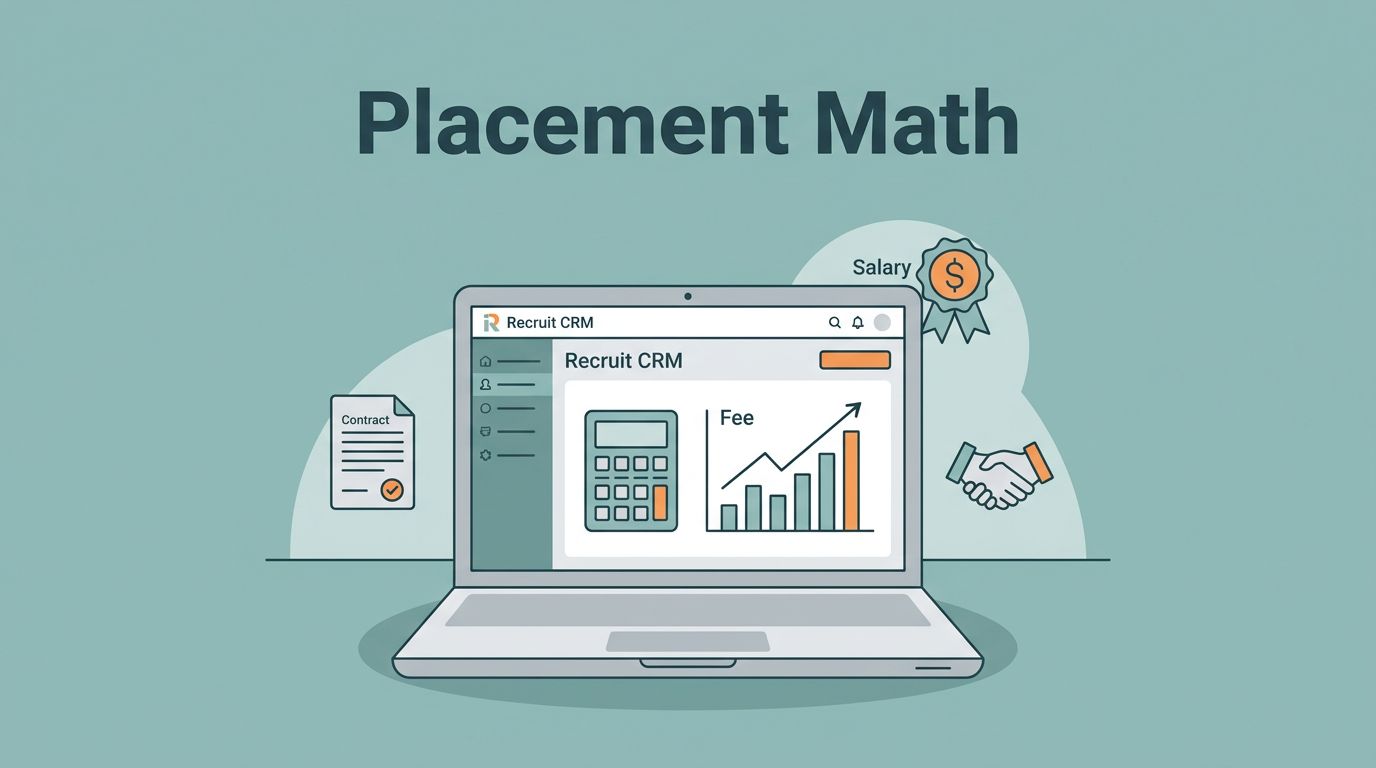
A placement fee can change by thousands of dollars with one small percentage shift. That is why I keep the math close to my Recruit CRM records, instead of trusting memory or a separate spreadsheet. Recruit CRM does not include a built-in placement fee calculator today, so I use it as my source of truth

Suggested URL slug: resource-calendars-google-workspace I set up Google Workspace resource calendars by creating the resource in Admin console, filling in the room or equipment details, and sharing it with the right people. When I do those steps in that order, bookings stay clear and I spend less time answering “is the room free?” messages. The

Passive hiring rarely starts with a job post. It starts when I spot someone already doing the work somewhere else, then pull them into a conversation at the right moment. Recruit CRM helps me keep that process organized. I use it to capture names, tag fit, build talent pools, and move prospects through stages without

Candidates notice the small things first. A slow reply, a missed follow-up, or a clumsy interview schedule can undo weeks of sourcing effort. That’s why I use Recruit CRM as the base for a candidate experience platform. It gives me one place to capture applications, segment talent, automate updates, manage interviews, and keep the relationship

Remote teams struggle with scattered updates and endless meetings. Emails pile up, and Slack threads get buried fast. I fixed this for my distributed sales team by launching a private employee podcast on Transistor.fm. It delivers company news, training bites, and leadership talks right to their phones. Employees listen during commutes or workouts. No more

Spotify draws millions of listeners each day. You record sharp episodes, but they sit unheard without the right push. I faced that snag until Spotify podcast distribution became seamless through Transistor.fm. This host handles everything from upload to approval. I switched to Transistor two years back. Now, my shows hit Spotify in hours, not weeks.

I juggle three podcasts now. One covers B2B automation tools. Another dives into CRM workflows. The third shares sales data tips. Separate hosts once meant scattered logins and bloated bills. Transistor.fm changed that. I host multiple podcasts under one account. Costs stay low. Management feels smooth. You face the same hassle if you run shows

