
If you run a paid community, subscriptions are the front gate. When the gate sticks, the whole experience feels off. I keep Skool student subscriptions simple by checking three things in order, plan, payment, and access. In 2026, Skool gives owners more options, so I verify the current setup before I change anything. Know who
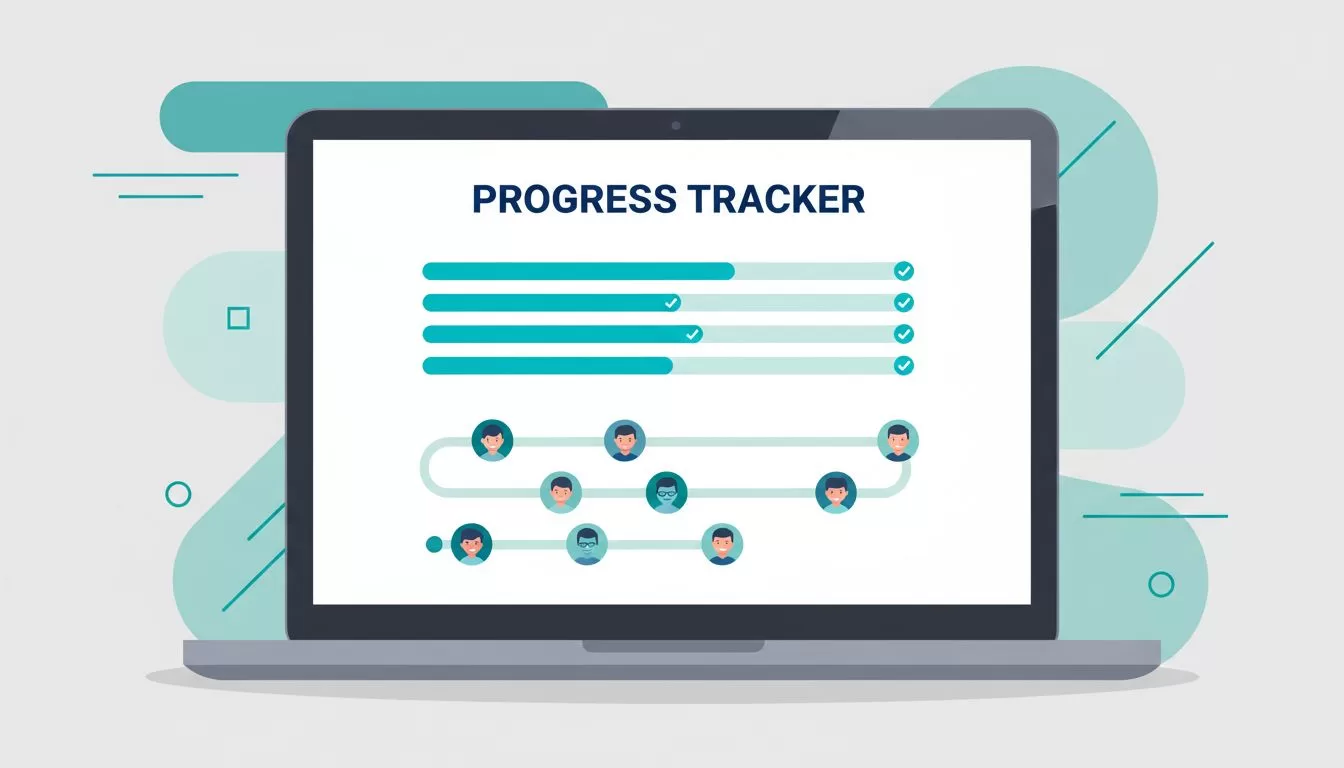
A course can look busy while half the class quietly slips behind. I don’t want to guess who finished, who stalled, or who needs a nudge. When I manage learning inside Skool, I start with the built-in progress tools first. Then I add small automations only where the platform leaves gaps. What Skool tracks on
An empty forum feels like a rented room with the lights off. If I want people to talk, stay, and come back, I have to shape the room before I unlock the door. That’s why I treat a Skool private forum less like a message board and more like a members-only clubhouse. For creators, coaches,
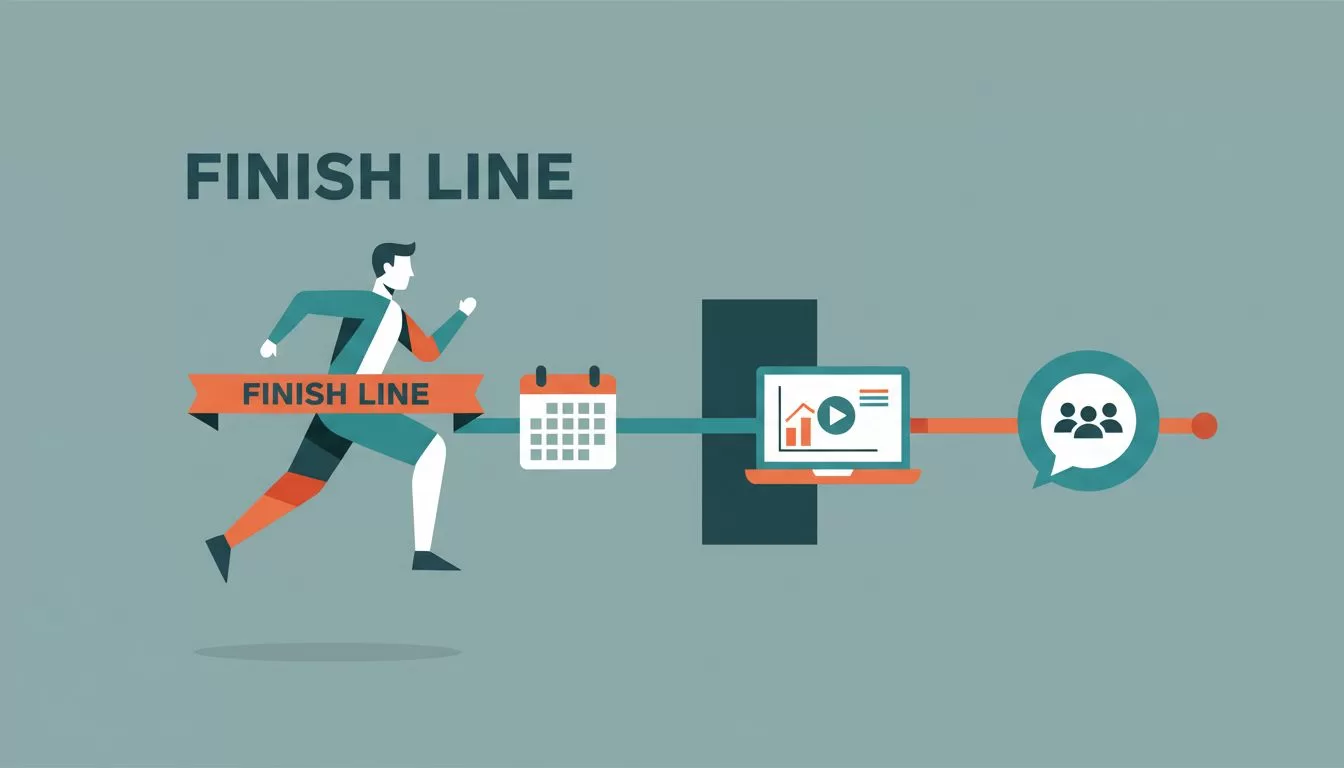
Most online courses don’t stall because the lessons are weak. They stall because students walk into a maze. When I build a Skool cohort course, I make it feel like a guided sprint. Skool works best when the course, calendar, and community move as one, so students always know the next step. I start by
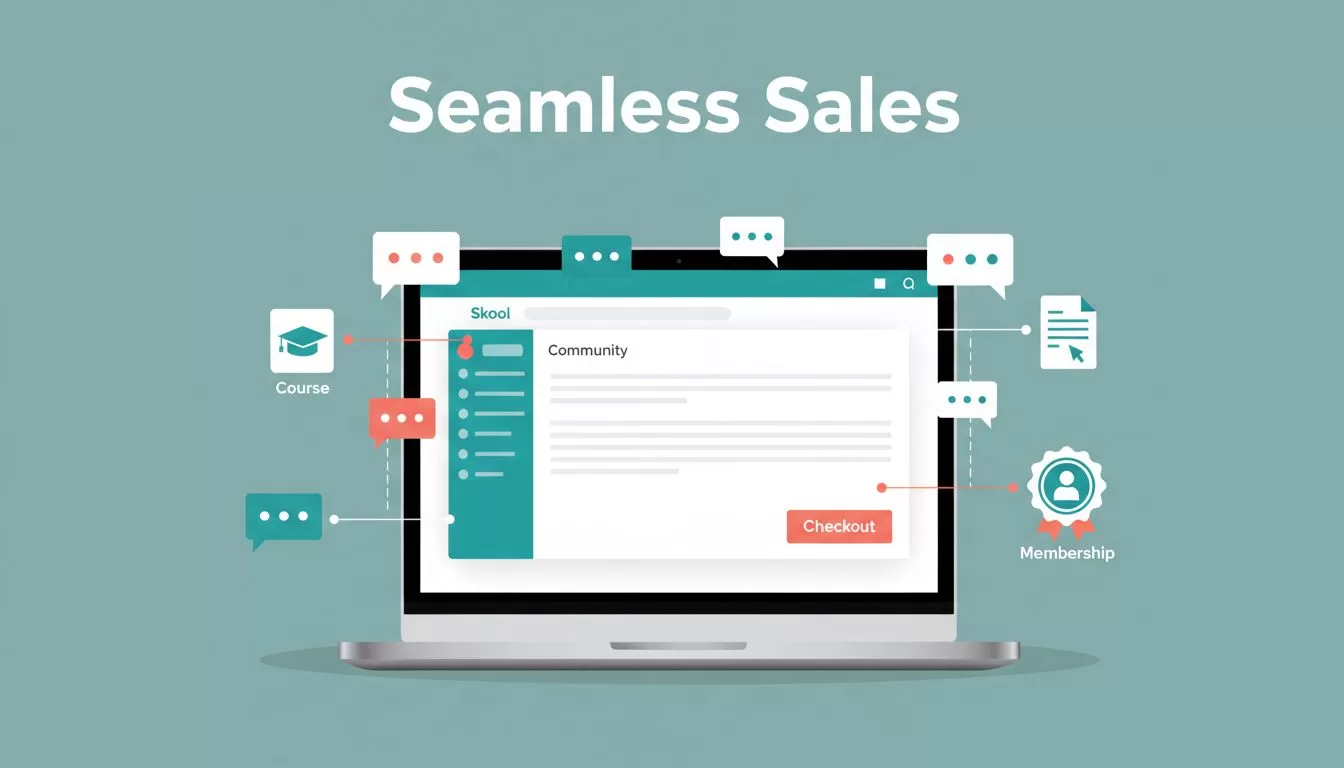
Sending buyers out of your community to buy feels like asking dinner guests to eat next door. When I sell digital products on Skool, I want the sale to happen where the trust already lives. That’s why Skool works best for creators, coaches, and community builders who want one place for content, conversation, and checkout.
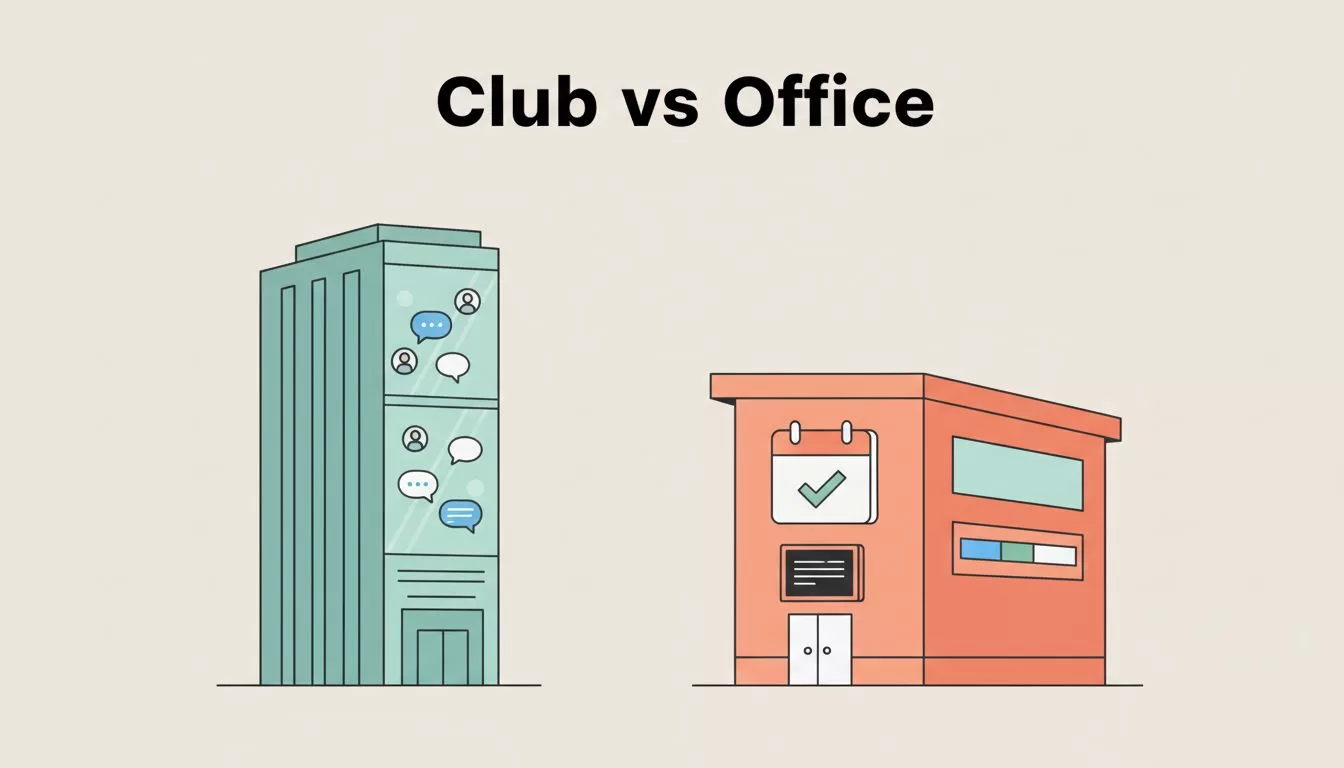
A crowded Slack workspace can feel like a hallway where every conversation spills into the next room. For teams, that speed helps. For members, students, or clients, it often turns into noise. When I look for a Slack alternative for a paid community, I don’t want chat alone. I want discussion, lessons, events, and a

One copied lesson link can turn a paid course into a free handout. I like Skool because it keeps community, lessons, and billing close together, but I don’t treat native access as full video protection. When I sell training inside Skool, I split the job in two. Skool decides who gets in; my video host
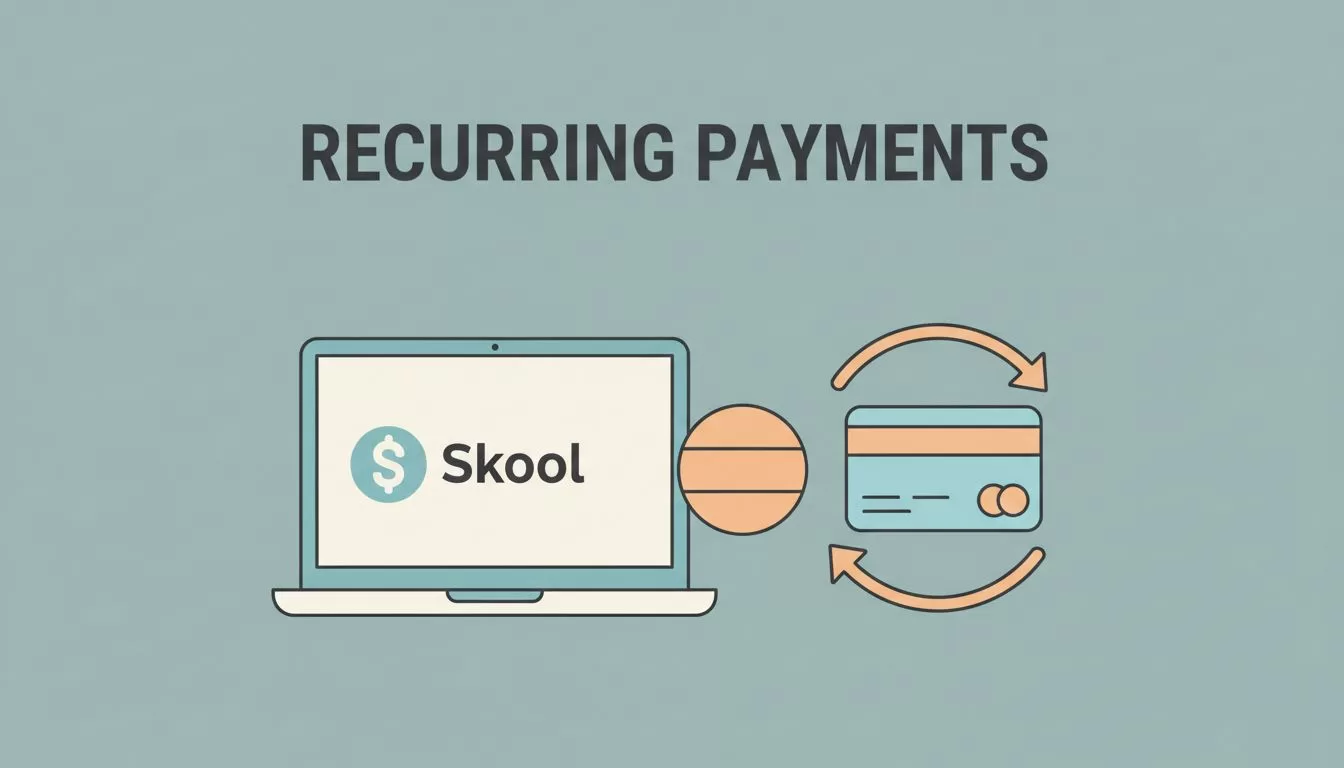
A paid community can feel like a toll booth with no cashier if billing is shaky. When I set up skool recurring payments, I want one thing first, recurring revenue that runs without daily babysitting. The good news is simple. As of March 2026, Skool supports recurring payments natively for paid groups and courses, and

Most communities don’t fail because people stop caring. They fail because the room is built wrong. When I use Discord for courses, coaching, or memberships, it can feel like teaching in a busy arcade. That’s why I see Skool as a serious discord alternative for people who sell learning, access, or guided support. The gap
