

Choosing between these platforms feels like picking between a classroom and a club. If you want a Thinkific alternative built around people, momentum, and recurring membership, Skool is the stronger fit. If you need a deeper course engine, Thinkific still has more range. I see creators get stuck when they force the wrong business model
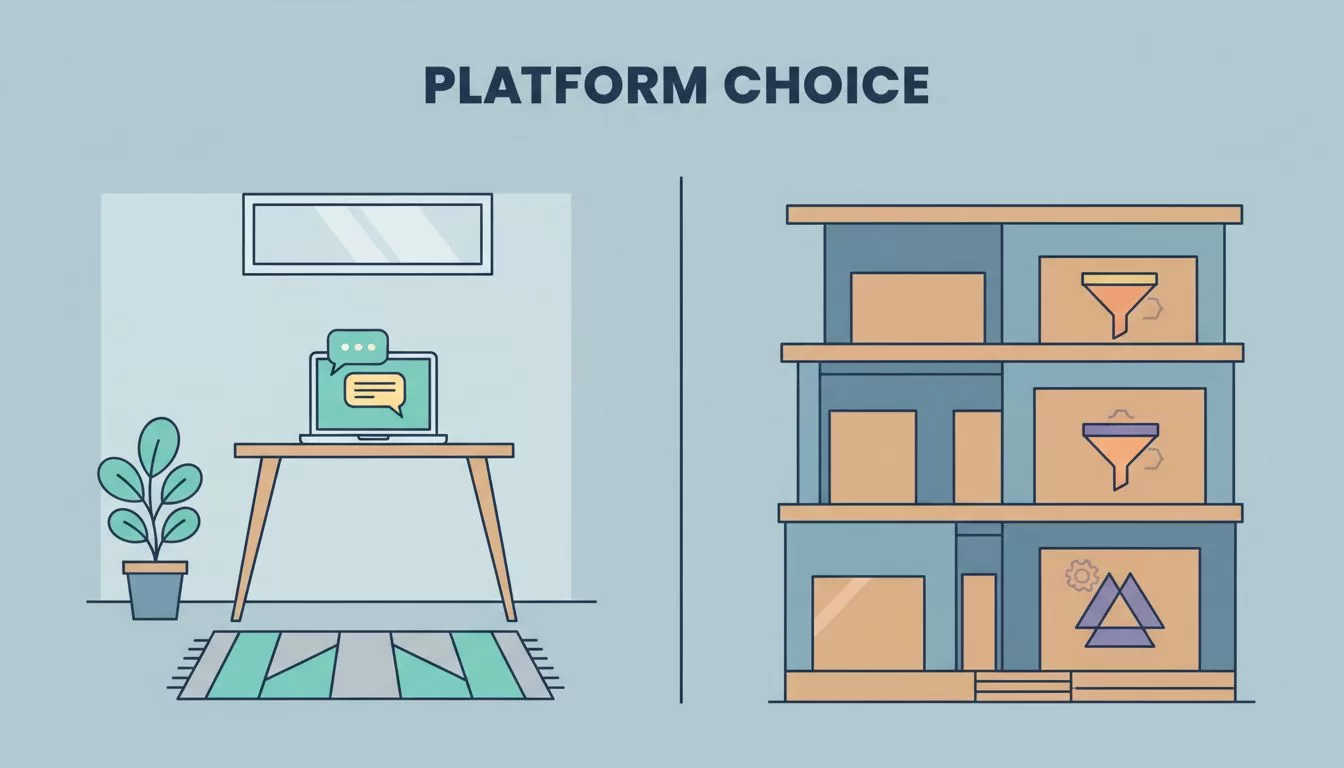
When I look for a Kajabi alternative, I don’t start with price alone. I start with the job the platform needs to do. If I want a paid community that feels alive every day, Skool deserves a hard look. If I need websites, funnels, email automations, and deeper business control in one place, Kajabi still
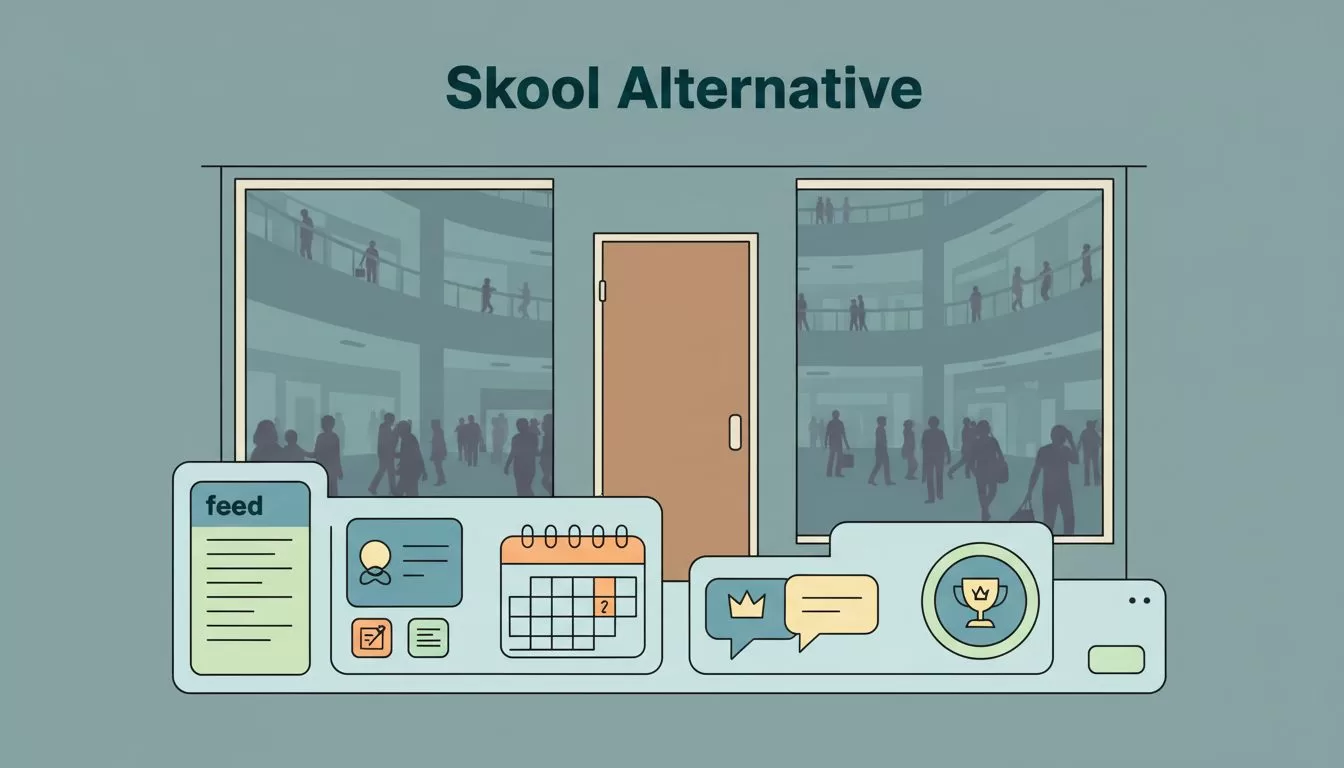
A community can feel cheapened fast when the next post beside it is an ad, a meme, or an argument. If you’re hunting for a Facebook Groups alternative, that noise is usually the reason. I see this most with creators, coaches, course sellers, and membership owners. They don’t need more reach at any cost. They

If Mighty Networks feels like a Swiss Army knife when I only need a sharp blade, Skool is the first tool I’d test. I see the appeal when I want a faster launch, a cleaner member experience, and a lower starting cost. Still, a Mighty Networks alternative only works if it fits the way I

Most online courses don’t lose people because the lessons are weak. They lose people because momentum fades after day three. When I run a course or member community, I feel that drop fast. So when I gamify online learning in Skool, I don’t start with badges or hype. I start with one goal: make progress

Most paid communities die from a fuzzy promise, not weak software. When I start a paid mastermind on Skool, I build it like a small private boardroom, not a noisy group chat. That shift matters for creators, coaches, consultants, and community builders. If people are paying for access, they want momentum, clear outcomes, and peers
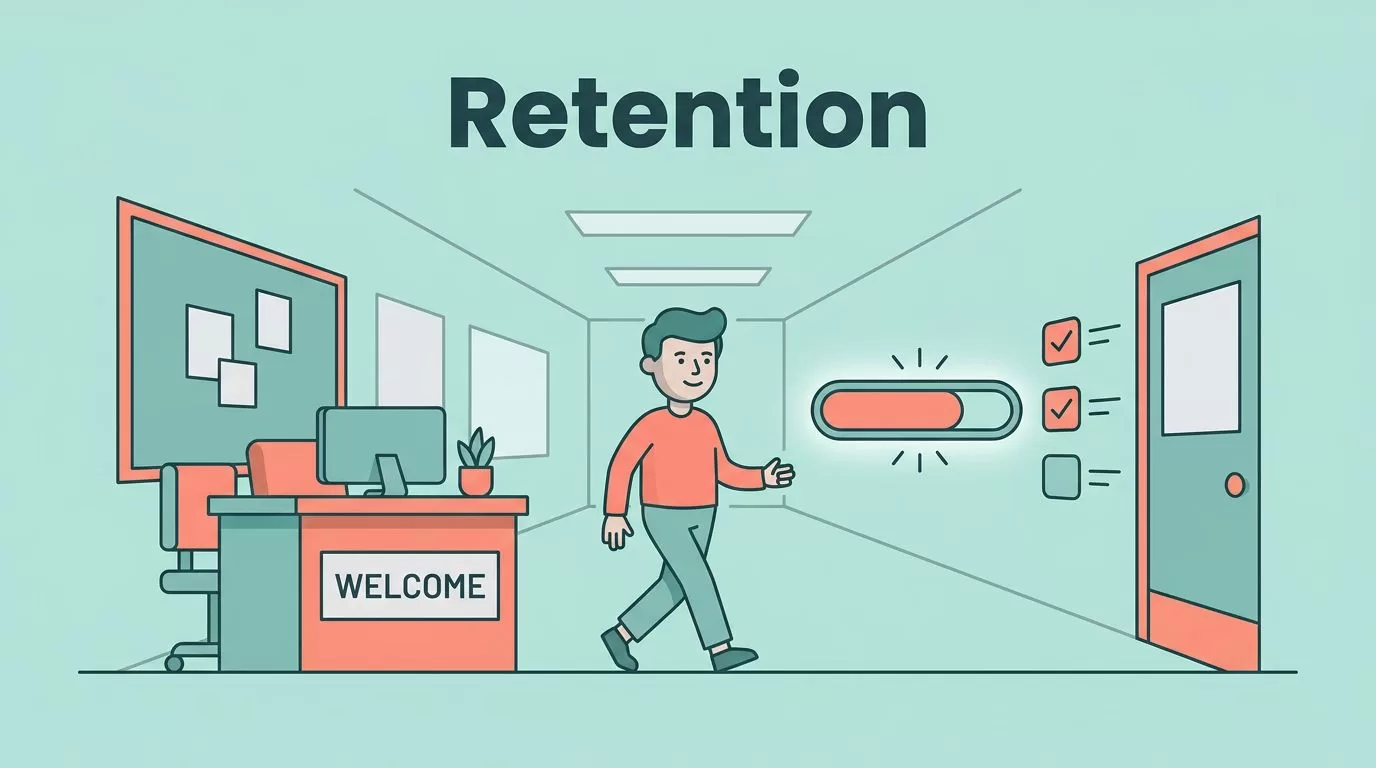
Most members don’t quit with a dramatic exit. They miss one lesson, ignore one notification, and slowly drift out the side door. I’ve found that student retention in Skool rises when I treat the member journey like a guided path, not a content dump. If you’re looking for student retention Skool tactics that work now,
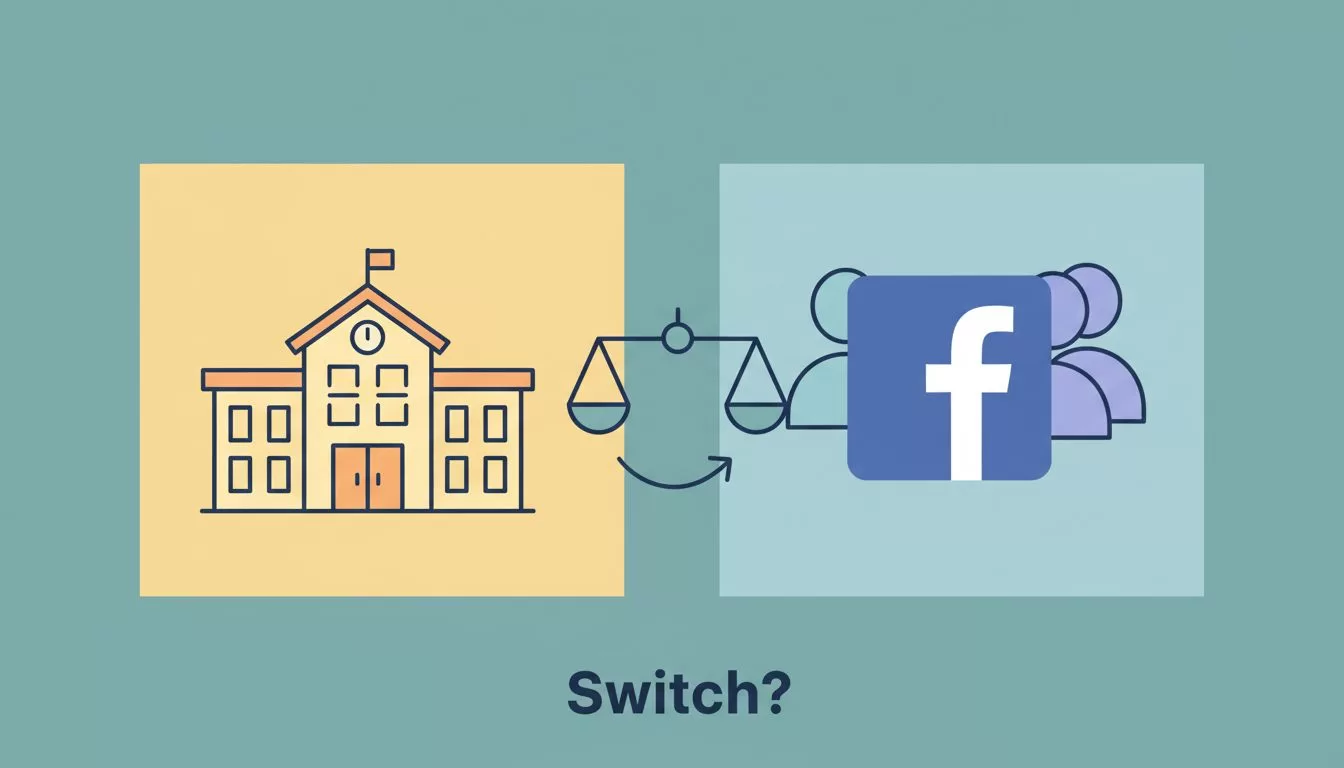
Building a community on Facebook can feel like renting a room inside a crowded mall. People can find you fast, but they can also drift away fast. For coaches, creators, and course sellers, that trade-off gets harder to ignore. I keep coming back to one question in the Skool vs Facebook Groups debate: do I

Most people shopping for community software don’t need more buttons. They need a place members will return to after the first week. That’s why Skool keeps coming up as a circle alternative. When I compare it with Circle in 2026, the biggest gap isn’t hype. It’s how each platform handles focus, structure, and daily use.
