Launch a B2B Partner Portal With Rewardful
A partner program fails before the first missed payout. It fails when a qualified consultant cannot tell who the program is for, which deal earns credit, or when a commission becomes payable. Your B2B partner portal needs to answer those qu...

A partner program fails before the first missed payout. It fails when a qualified consultant cannot tell who the program is for, which deal earns credit, or when a commission becomes payable.
Your B2B partner portal needs to answer those questions before anyone shares a referral link. Rewardful can handle referral tracking and commission logic, but you still own the commercial rules, approvals, billing policy, and partner communication.
Build the operating rules first. Then configure the system around them.
Build a B2B partner portal around one promise
Don’t launch a broad program for “anyone who can refer.” B2B SaaS partners have different sales motions, buyer access, and expectations.
Decide what one partner group should get from your program. A consultant may need a clear referral path. An agency may need co-selling support. A technology partner may need a different agreement entirely.
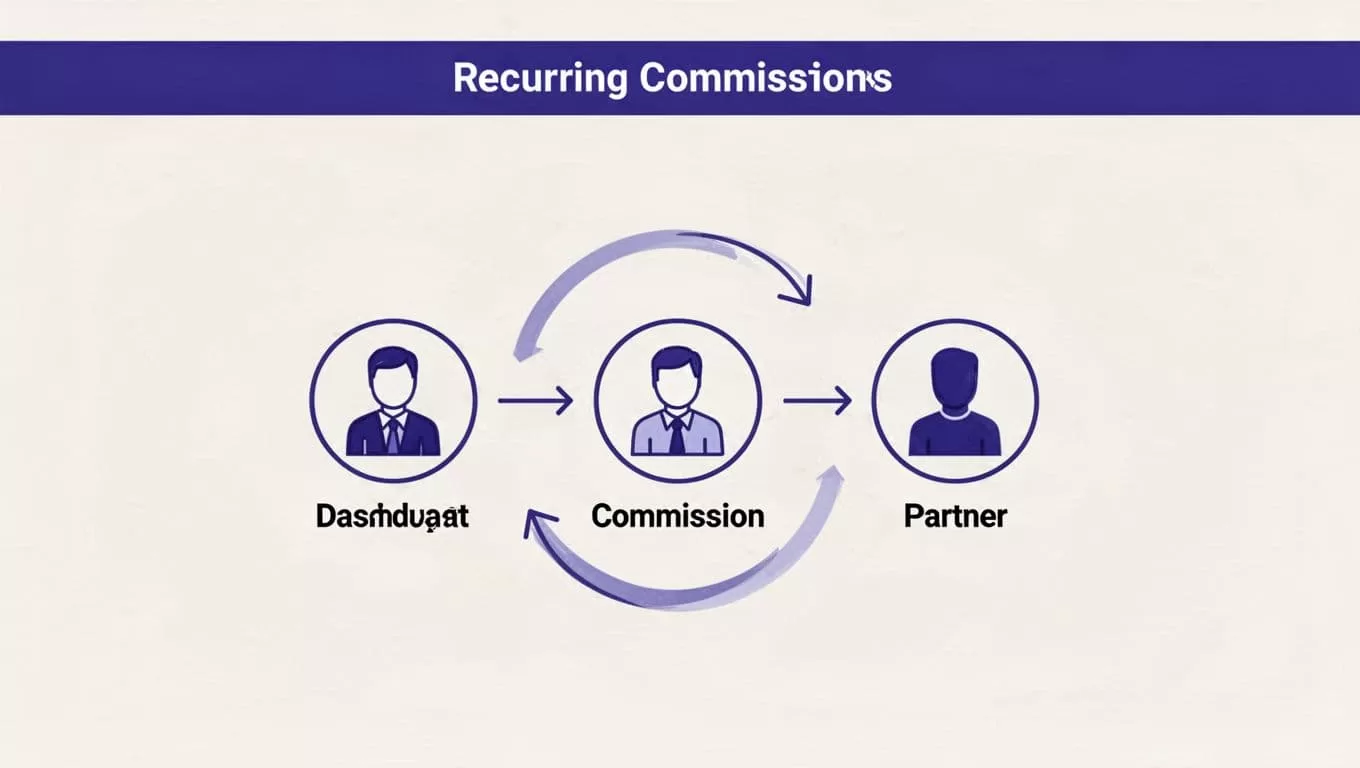
Define the partner you want to approve
Write a short partner profile before you open applications. Include the audience they serve, the problem your product solves, and the minimum qualification standard.
A good first group is small and narrow. For example, HR consultants who already advise companies with 100 to 500 employees. Avoid mixing agencies, influencers, customers, and integration partners into one rule set.
Each group may need different economics. They may also need separate support and review processes.
Pick the conversion event that earns credit
A click is not a B2B outcome. A free trial may not be one either.
Most SaaS teams should pay only after a referred company becomes a paying customer. Define the event in plain language. It might be a first paid invoice, a paid annual plan, or a customer who completes a set onboarding milestone.
Also define exclusions. Existing opportunities, refunded invoices, self-referrals, employee accounts, and deals already owned by sales need a written rule.
Write commercial rules before creating a campaign
A campaign is where Rewardful holds reward rules and tracking settings. Your program terms must be clear before you enter values into the platform.
Rewardful’s SaaS affiliate platform supports percentage-based and fixed-amount commissions. It can also track recurring commissions tied to subscription payments.
Choose a commission model that matches gross margin
Recurring percentage commissions work when partners influence ongoing retention. A fixed reward works better when the referral is a clear handoff and your sales team closes the deal.
Set the commission base with finance. Decide whether it applies to collected subscription revenue, one-time invoices, taxes, discounts, refunds, credits, or expansion revenue.
Rewardful’s default commission behavior is recurring until the referred customer cancels. You can limit rewards to a number of payments or months. A 12-month limit is easier to forecast than an open-ended promise.
Rewardful’s own public affiliate program pays 25% on payments during the first 12 months. Review its published program terms as an example of a defined commission boundary, not a rate you should copy.
Set attribution rules partners can understand
Referral links and promotion codes both create attribution paths. Pick the method that fits how partners sell.
Use links when partners send traffic to a dedicated page. Use promotion codes when partners work through events, calls, communities, or email introductions. Record what happens if both appear in the same purchase path.
Set the cookie window and document whether your account uses first-touch or last-touch attribution. Confirm the current option in your Rewardful account before publishing terms.
A partner should be able to point to one referral link, one customer record, and one written rule that explains why they received credit.
Coupon-based customer discounts need extra care. Rewardful documents double-sided incentives as Stripe-only. Do not promise the same customer coupon experience to Paddle partners without checking your setup.
Connect billing and configure Rewardful
Connect the payment processor before you create the live campaign. Rewardful supports Stripe and Paddle, but billing behavior and discount options are not identical.
Use the billing system as the source of truth
For Stripe, authorize the Rewardful connection and confirm it can observe the correct production account. Rewardful uses paid invoice data to calculate commissions, including recurring subscription invoices.
Its Stripe integration also tracks subscription changes such as upgrades, downgrades, and cancellations. Test those events before you invite partners.
For Paddle, Rewardful’s setup guidance uses the Paddle public key from the Paddle admin account. Check the current connection screen and documentation because account flows can change.
Never run a live test through an unlabelled production customer. Use a controlled test account and record the expected commission result.
Configure campaign values in one pass
Set your display currency, create the campaign, and install Rewardful on your website and checkout path. Then review the campaign settings as a group.
Confirm the commission type, commission duration, cookie window, minimum payout threshold, and days before commissions become due. If you use promotion codes, test the discount duration and value too.
Keep a dated copy of each campaign rule. Save the terms version, launch date, owner, and billing account used. This makes later disputes easier to review.
Give partners a usable operating experience
A portal login does not fix unclear onboarding. Your partners need working assets, direct answers, and a route for exceptions.
A good B2B partner portal gives approved partners enough information to make the right introduction without asking your team the same questions every week.
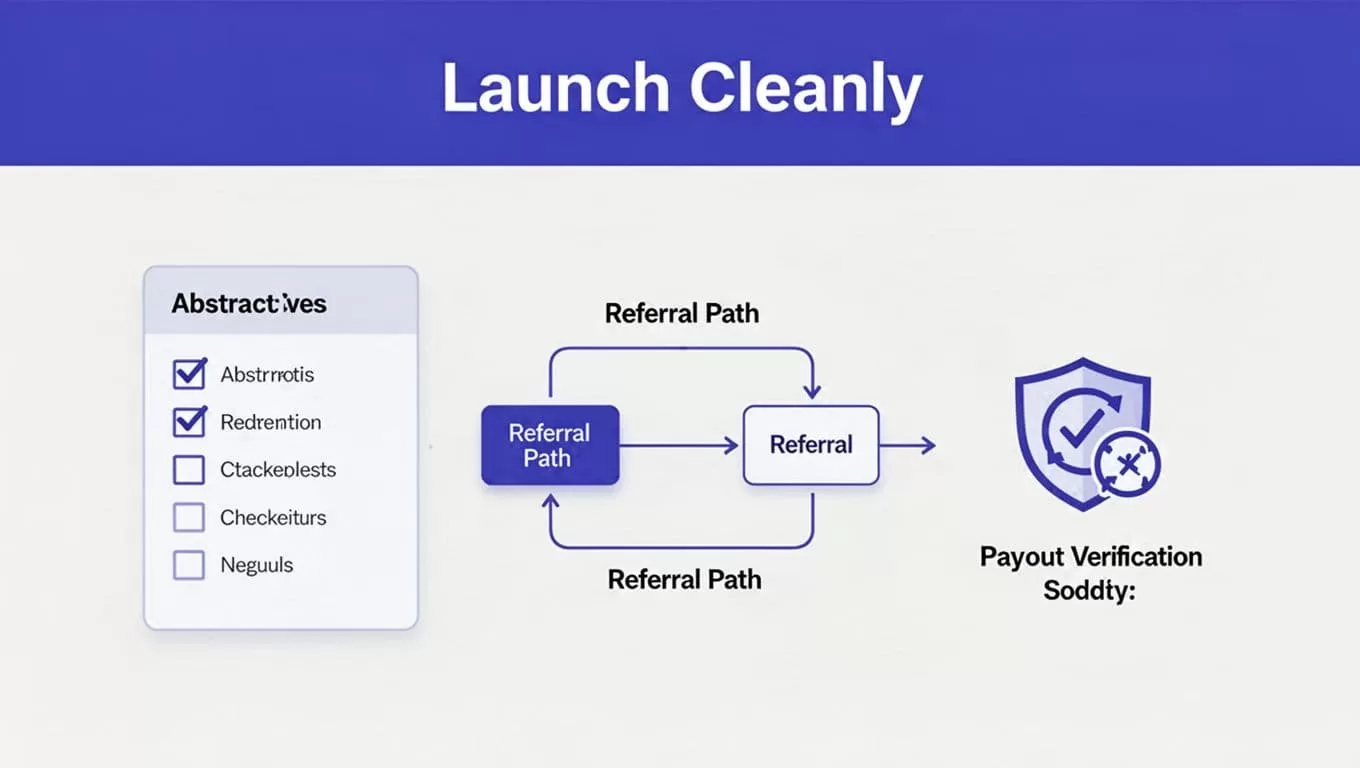
Provide one referral path and useful assets
Give each approved partner their referral link or promotion code. Pair it with a suitable landing page, short product summary, qualification criteria, and current terms.
Don’t make partners write your positioning from scratch. Provide a short email introduction, a few approved talking points, and a contact route for sales-assisted deals.
Keep sales claims under control. Partners should not promise unsupported integrations, custom pricing, security approvals, or contract terms.
Route applications and questions through clear statuses
Track every application and exception with visible statuses such as Draft, Needs Review, Approved, and Rejected. A small team can manage this in a CRM or shared operations database.
Keep the original referral evidence unchanged. Store later corrections separately, with the reviewer, date, reason, and supporting record.
This matters when a partner disputes a lead assignment three months later. You need the original click, coupon, customer, or sales record. Memory is not an audit trail.
Test attribution before inviting partners
Do not wait for the first real commission to find a broken path. Run a controlled test plan across the website, billing system, and Rewardful.
Test the referral cases that cause disputes
Use different test emails and document every result. Your test set should include:
- A new visitor who uses a referral link and pays for a subscription.
- A visitor whose cookie window has expired before purchase.
- A customer who checks out with an approved promotion code.
- An existing customer who tries to use a new partner code.
- A subscription that upgrades, downgrades, cancels, or receives a refund.
Record the partner ID, link or code, customer email, invoice ID, timestamp, and expected commission. Compare the result with the campaign terms.
For controlled Stripe corrections, Rewardful documents a manual attribution route using the referral key in Stripe customer metadata. Restrict this process to approved operators. Require evidence before anyone changes attribution.
Define the sales-assisted exception
B2B deals often begin with a partner introduction and end through sales outreach. That creates overlap.
Write the rule before launch. State whether sales-created opportunities can qualify, how long a partner has to submit an introduction, and who makes the final decision.
Route uncertain cases to review. Don’t force the system to select a winner when the evidence conflicts.
Make payouts and fraud review part of approval
A commission is not cash owed the moment a customer enters a card number. Payment timing, refunds, tax requirements, and fraud checks all affect payout readiness.
Hold commissions until the revenue is reliable
Use the campaign’s due period and minimum payout threshold to reduce low-value payment work and refund exposure. Your finance team should also approve the payout schedule and method.
Keep partner payment details, tax forms, legal entity names, and country checks in an approved finance process. Do not collect more personal data than the payout process needs.
For custom finance workflows, Rewardful documents a payout.due webhook event. Confirm current API and webhook access in your plan before building payout automation. Review Rewardful’s payout flow before you treat commission status as a payment record.
Treat fraud flags as a review queue
Watch for self-referrals, repeated registrations from one company domain, disposable emails, unusual coupon sharing, rapid refunds, and new accounts with no credible buying activity.
Rewardful promotes fraud prevention, but public documentation does not list every current control or threshold. Review the fraud settings in your account. Add your own approval rules for high-risk referrals.
Do not auto-pay a referral because it tracked correctly. Tracking proves an attribution event occurred. It does not prove the deal was valid.
Optimize around approved revenue, not portal activity
Clicks, partner signups, and dashboard sessions can look healthy while revenue stays flat. Measure the work your team accepts.
Start with a small approved pilot. Review partner applications, referrals, commissions, and payout exceptions before you expand the program.
| Metric | What it tells you |
|---|---|
| Approved partners | Whether applications meet your qualification standard |
| Referred trials that become paid | Whether partners reach the right buyers |
| Credited paid customers | Whether attribution works in practice |
| Reversed commissions | Whether refunds or invalid referrals are rising |
| Review and correction time | Whether the process reduces manual work |
| Cost per approved partner | Whether the program is affordable to operate |
A workflow that produces more accounts but creates more correction work has failed. Count accepted partners and approved revenue, not browser actions or referral clicks.
Run a 30-day review with sales, finance, and the program owner. Keep the original records. Store changed terms and attribution corrections as separate decisions.
If your program includes multiple billing entities, sales-assisted attribution, or custom payout routing, Book A Call before the campaigns go live.
Final thoughts
A B2B partner portal works when partners know the rules and your team can verify every payout decision.
Start with one defined partner type, one commission model, and a controlled attribution test. Then expand only after the approved revenue and review workload support the next step.
