How I Track Biohacking Trends with Exploding Topics
Biohacking trends can turn noisy fast. One week it’s wearable recovery, the next it’s peptides, vagus nerve tools, or brain-health routines. I use Exploding Topics to see which ideas are climbing and which ones are just loud. Fo...

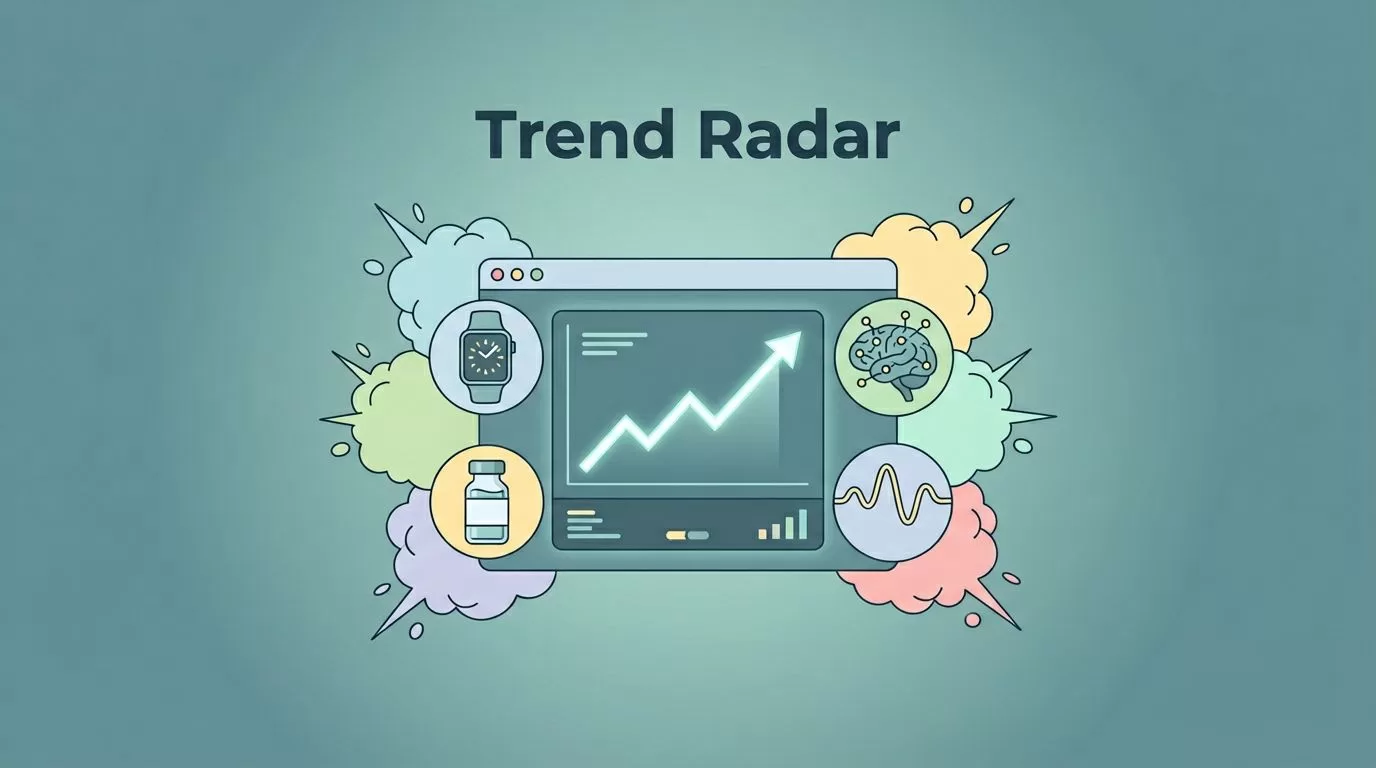
Biohacking trends can turn noisy fast. One week it’s wearable recovery, the next it’s peptides, vagus nerve tools, or brain-health routines. I use Exploding Topics to see which ideas are climbing and which ones are just loud.
For marketers, content strategists, and trend researchers, that matters. A steady curve can point to a real audience, a content angle, or a product category worth watching. I still verify every claim, because wellness topics can blur into health claims quickly.
Here’s how I read the signals and decide what deserves attention.
What I look for first in April 2026
I start with the biohacking topic page on Exploding Topics and then compare it with my own notes on search behavior. I also use Exploding Topics data to spot demand early when I want a cleaner read on whether a topic has real pull.
In April 2026, the most active biohacking trends cluster around wearables, recovery routines, peptides, vagus nerve stimulation, brain health, and early detection. That mix tells me people want more control, not more hype. They want clear feedback, faster recovery, and fewer guesses.
Wearables are the easiest place to see that shift. Sleep bands, glucose monitors, and recovery trackers give people numbers they can react to. Recovery and circadian topics tell a different story. They show me that many readers want better energy without adding more strain.
Peptides and exosomes sit in a different category. They draw attention, but they also demand careful sourcing and cautious language. I treat them as topic areas, not proof of benefits. That matters when I publish anything tied to health.


The best trend signals usually feel modest at first. They do not shout. They build.
How I read the curve instead of the headline
A headline can make anything look hot. A curve tells me whether that heat lasts.
A rising chart is a lead, not proof.
When I use my trend spotting process with Exploding Topics, I focus on shape, pace, and repeat interest. A sharp spike makes me curious. A steady climb makes me pay attention. A rise, pause, and second rise often tells me the topic has more than one use case.
This simple table helps me sort the signal faster.
| Curve shape | What I think | My next move |
|---|---|---|
| Sharp spike | It may be hype or a one-day event | I wait for follow-through |
| Slow climb | Interest is building | I look for related terms |
| Rise, then flat line | The topic may have peaked early | I cut it from the main list |
| Second rise after a pause | The category may be getting depth | I study audience intent |
The takeaway is simple. I care less about the peak and more about the slope behind it. A topic that keeps gaining after the first burst usually deserves a closer look.
How I decide what deserves content or business time
Once a trend looks real, I score it against practical questions. I want to know whether it can support content, a service, or a product angle.
- I look for buyer intent. If I see searches around pricing, reviews, comparisons, or best options, I know the topic may support monetized content or vendor research.
- I check for adjacent offers. A topic that connects to wearables, apps, coaching, testing, or recovery tools gives me more than one angle. That makes it easier to build a useful content cluster.
- I think about timing. I borrow the same calendar logic I use for timing seasonal launches using Exploding Topics, because some biohacking topics spike around New Year, summer fitness, or back-to-school routines.
- I review the risk level. If a topic depends on medical claims, I narrow the angle or hold back until I have stronger sources. That keeps me honest and keeps the article usable.

For marketers, this step saves time. For publishers, it helps separate a fast post from an evergreen guide. For researchers, it cuts down on false signals.
Turning one trend into an editorial plan
When a trend passes my filter, I build a small content cluster instead of one lonely article. That gives me a better shot at both search traffic and reader trust.
I usually start with one piece that explains the trend in plain language. Then I add a comparison post, a risk or safety post, and a practical use case. If the topic is broad enough, I also add a buyer-focused piece that shows who it helps and who should skip it.
Before I publish, I check whether the claims hold up against credible coverage. For a caution pass, I sometimes compare my notes with biohacking trends and safety coverage. Biohacking content can touch health and wellness claims, so I treat it as information, not medical advice.

That approach keeps the work focused. I’m not chasing every shiny idea. I’m building around the ideas that keep showing up.
Why the quiet climb matters
The strongest biohacking trends usually arrive with a quiet climb, not a firework burst. That’s why I trust the curve, then the intent, then the source check.
When those three pieces line up, I can move early without guessing wildly. I get a cleaner list of topics to cover, better timing for content, and fewer dead ends.
That’s the edge I want, early signal, careful judgment, and enough skepticism to keep the next shiny health hack in its place.

