How I Identify New Consumer Needs With Exploding Topics Data
A rising chart can fool me fast. One topic grows because people need it. Another grows because people are curious for a week. That’s why I use exploding topics data as a starting point, not a verdict. In April 2026, I want signals tha...

A rising chart can fool me fast. One topic grows because people need it. Another grows because people are curious for a week.
That’s why I use exploding topics data as a starting point, not a verdict. In April 2026, I want signals that help me spot unmet needs before they show up in crowded search results or rushed product launches.
The key is to separate motion from demand, then check whether real buyers are behind it. Here’s how I do that.
Spot the signal, not the headline
I start by looking at what’s rising, then I ask why it’s rising. Exploding Topics is useful because it shows momentum early, and its methodology explains how it watches a large set of signals instead of waiting for a trend to feel obvious. I also compare it with the April 2026 trending topics to see what’s moving right now.
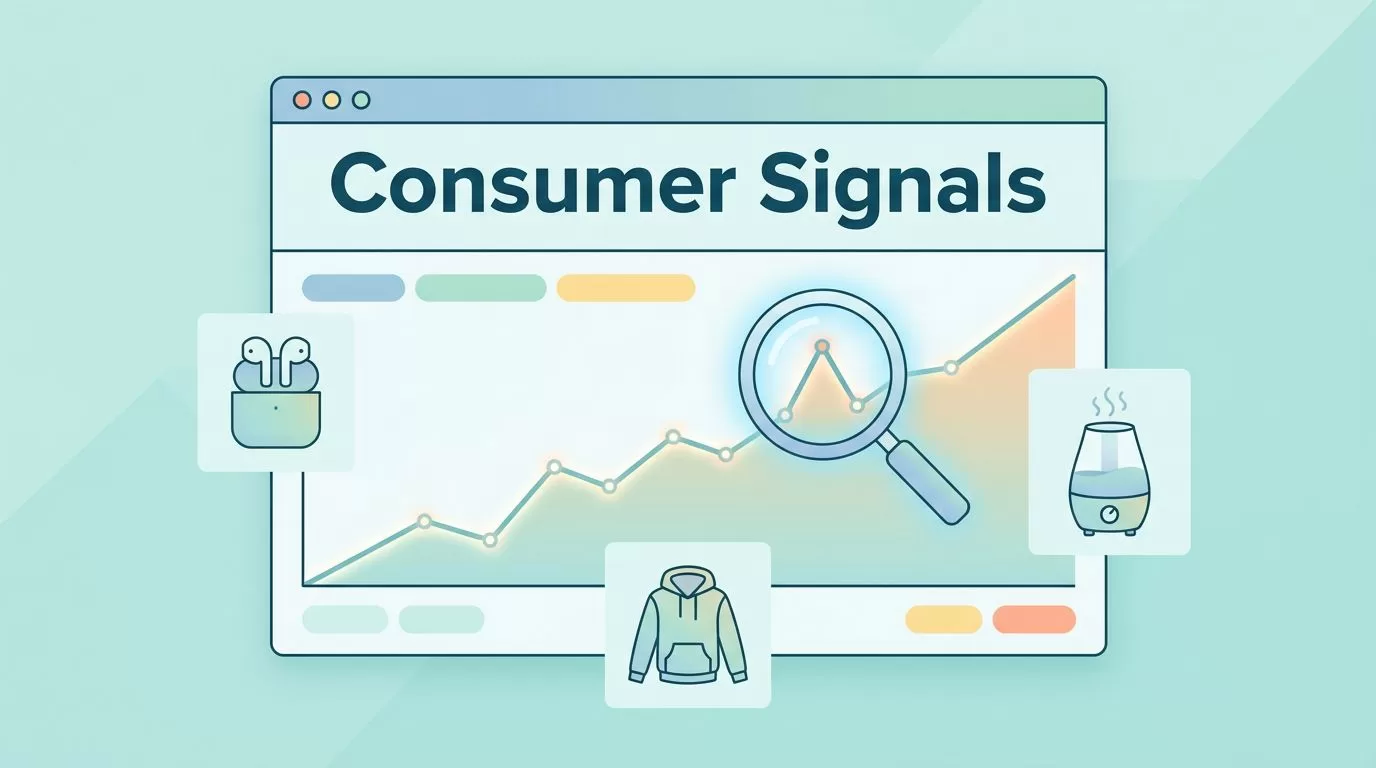
In April 2026, terms like translation earbuds, heated blanket hoodies, and smart humidifiers are getting attention. That does not mean I build for all three. It means I look for the pain underneath the spike.
| What I see | What it may mean | What I do next |
|---|---|---|
| Fast topic growth | More people are noticing the category | I check whether the need repeats |
| Many related searches | Buyers are trying to describe the same problem | I map the language they use |
| Product buzz with weak proof | Curiosity may be outrunning demand | I look for purchase intent |
That table keeps me honest. I’m not chasing a headline, I’m testing whether the signal points to a real need.
When I want a tighter process, I follow my Exploding Topics trend discovery process. It helps me stay focused on patterns, not hype.
Validate with four checks before I trust the trend
A hot topic is not the same as a paid problem. I only trust demand when several signals point the same way.
Once I spot a rise, I validate it across channels. I want proof that people care enough to search, talk, complain, compare, and buy.
- Search behavior: I check whether people keep searching the same idea in different forms. If the topic has rising related queries, “best” searches, or comparison terms, I take it more seriously. If the searches stay vague, I slow down.
- Social signals: I read the comments, replies, and short posts around the topic. I want to see frustration, wish lists, hacks, and use cases. Hype sounds loud. Pain sounds specific.
- Reviews: I scan reviews for competing products and similar services. I look for repeat complaints like battery life, size, setup time, or poor support. Those complaints often reveal the real job the customer wants done.
- Forums: I check Reddit threads, niche communities, and Q&A spaces. These places are useful because people explain problems in plain language. That’s where I hear what they’re trying to fix.
- Market research: I finish with direct research. I run short interviews, send a simple survey, or test a landing page. If I need a fast check, I use Exploding Topics’ business idea validation guide as a reference point.
If the signals disagree, I wait. That saves me from building around noise.
For content-led work, I also use finding early keywords with Exploding Topics process. It helps me turn a rising topic into search angles that match real intent.


Turn trend data into product, content, and positioning
After validation, I ask one simple question: what decision should this trend change?
If I’m on a product team, I look for the smallest useful fix. If translation earbuds are rising, I don’t build a giant platform first. I test language support, travel use cases, or a clear pain point like quick conversations.
If I’m in marketing, I turn the trend into content with a real angle. I might write a buyer guide, a comparison page, or a use-case post that answers the question people are already asking. When I want to see how this works in a niche, I use tracking new ecommerce niches with Exploding Topics data.
If I’m working on positioning, I change the story. A smart humidifier is not just a gadget. It can be framed as a sleep aid, a comfort tool, or a home-health helper. The same product can sell for different reasons.

I use this simple filter:
- Product: What small offer can I test first?
- Content: What question is rising with the topic?
- Positioning: What problem does the buyer think they have?
That filter keeps me from selling the object when I should be selling the job. A heated hoodie is a product. Warmth on a cold commute is the need.

The best opportunities show up as patterns
I trust exploding topics data when it helps me see a pattern before the crowd does. The data alone doesn’t tell me what to build. It tells me where to look next.
When I pair rising search behavior with social chatter, reviews, forums, and direct market research, I can tell the difference between a flash and a real consumer need. That’s where better products, sharper content, and cleaner positioning start.
A rising chart is useful only when I can name the buyer behind it.

