
I remember uploading my first podcast episode. Downloads trickled in. Social shares stayed flat. Growth felt impossible until I dug into Transistor.fm’s built-in tools. These features turned my solo show into a steady listener magnet. You face the same grind. Listeners discover podcasts through apps, embeds, and emails, not just luck. Transistor.fm packs native tools
I started podcasting on my Mac last year. Downloads grew fast, but editing ate my evenings. Native apps felt heavy. Then I switched to browser tools. They pair perfectly with Transistor.fm for hosting. You record, edit, and publish without downloads. Let’s walk through my daily flow. Transistor handles distribution to Spotify and Apple Podcasts. Browser
I remember staring at my podcast dashboard, wondering how many people actually followed my show. Downloads told part of the story, but true audience size felt like a guess. Transistor.fm changed that for me. It gives clear views into Transistor podcast analytics without the fluff. You host episodes and push them live. Then you check
I remember the hassle of manually uploading episodes to every platform. One podcast episode meant logins to Apple Podcasts, Spotify, YouTube, and more. It ate hours each week. Transistor.fm changed that for me. I now publish once, and Transistor podcast distribution handles the rest. New episodes push out automatically to dozens of directories. You get
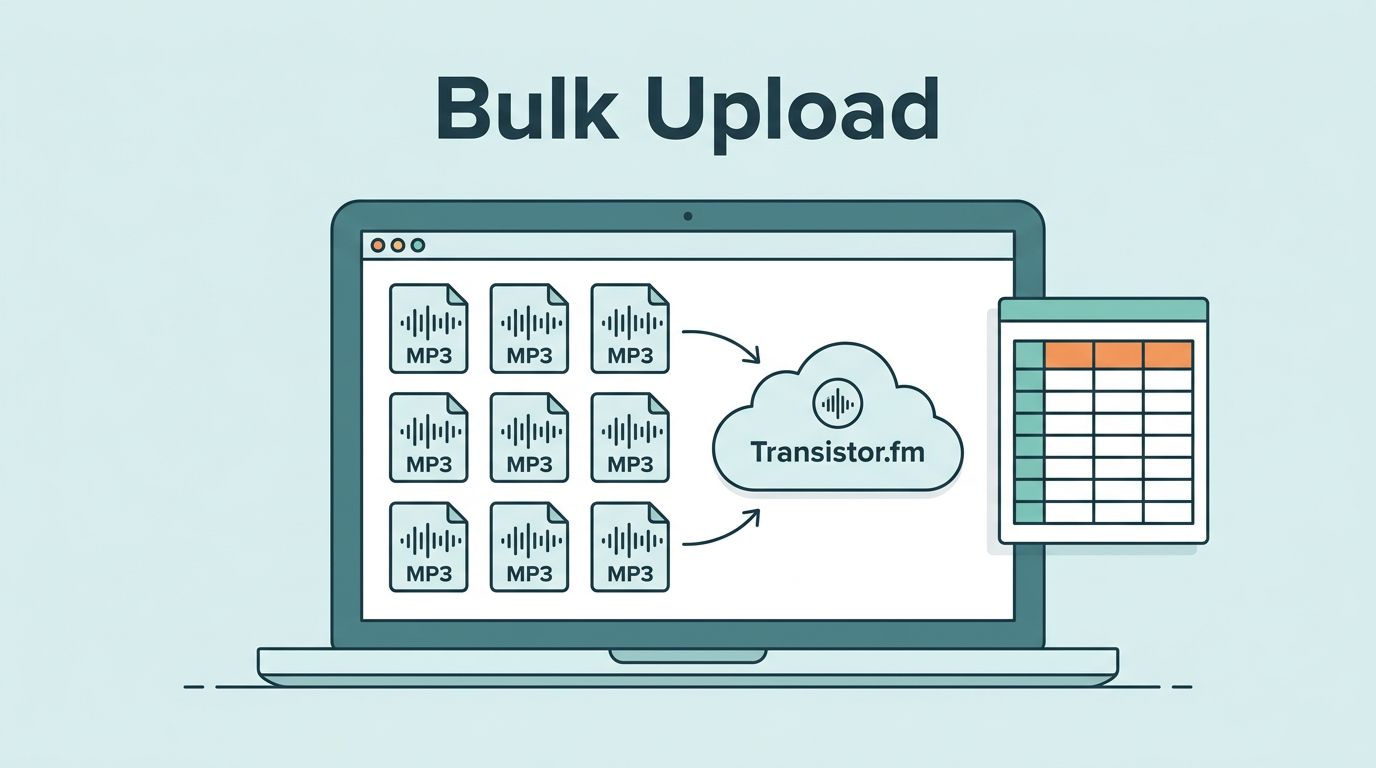
You’ve got a stack of polished episodes ready. Your audience waits. But uploading one by one drags on forever. I faced that too. Transistor.fm shines for hosting, yet it lacks a simple button for dumping multiple new files at once. So I use imports and API tricks instead. Here’s how I get batches live fast.
A podcast player on my site should look like it belongs there. If it feels bolted on, visitors notice that in seconds. That’s why I use a white label podcast player when I want my brand to stay front and center. Transistor.fm gives me a clean embed, clear setup options, and enough control to match
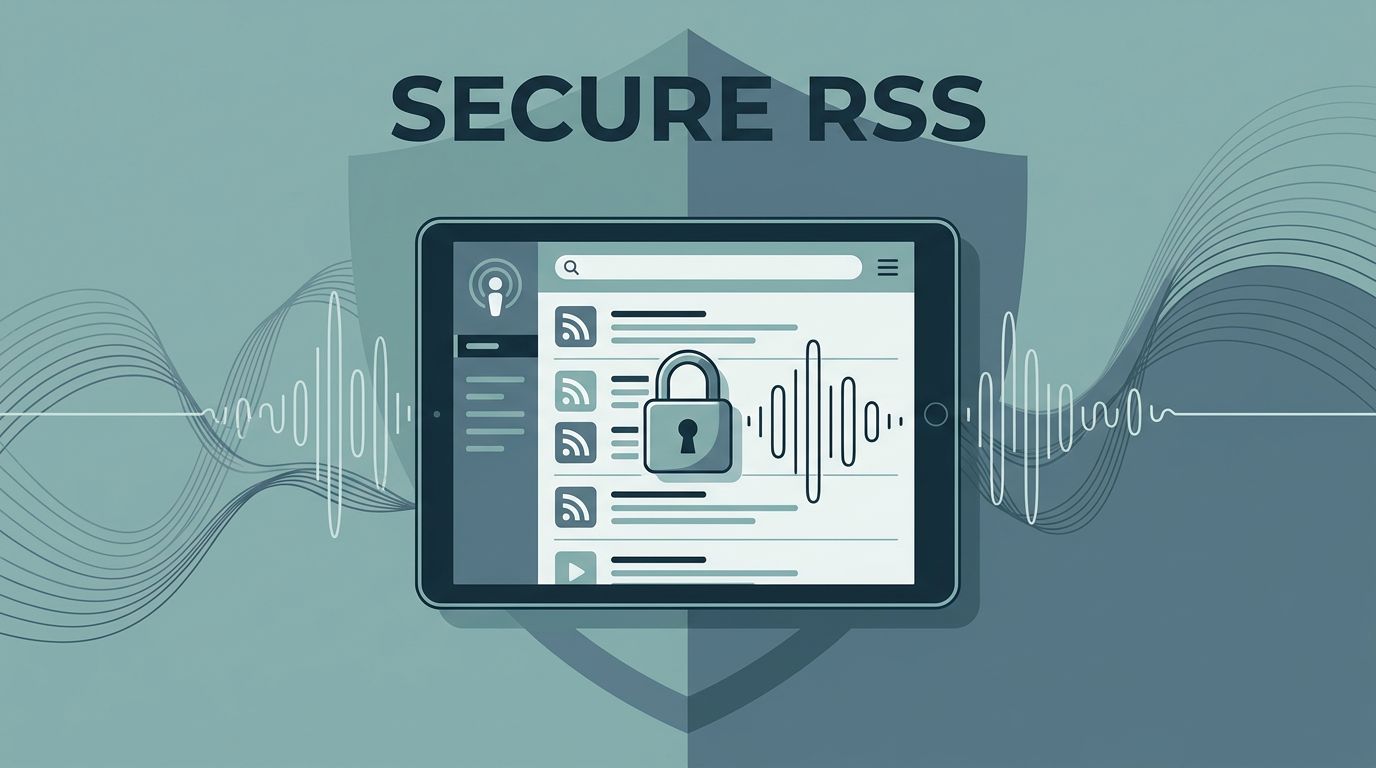
Ever shared sensitive audio with a team, only to worry about leaks? I faced that with my client workshops. Public podcasts expose everything. Private ones keep control. Transistor.fm solves this. It creates unique secure RSS feeds per listener. No public directories. Subscribers get exclusive access. I use it for paid series and internal training. Follow
You run a team that needs exclusive audio updates. Or you create content for paying members only. Public podcasts expose everything to the world. I fix that with Transistor private podcasts, which lock feeds behind invites. These setups keep audio hidden from searches and directories. Businesses use them for internal training. Creators share premium episodes.
You pull up your Libsyn dashboard one morning and think, “Time for a change.” Listeners demand better analytics. You want unlimited shows on one plan. But the idea of lost episodes or angry subscribers stops you cold. I faced that exact fear last month. My switch kept downloads steady from day one. Transistor pulls in
