Send Money to Chile Cheaply With Remitly
Sending money to Chile should not require a spreadsheet or a calculator. You need a clear quote, a suitable delivery option, and accurate recipient details. The phrase “cheap money transfer Chile” usually means one thing: gettin...


Sending money to Chile should not require a spreadsheet or a calculator. You need a clear quote, a suitable delivery option, and accurate recipient details. The phrase “cheap money transfer Chile” usually means one thing: getting the most Chilean pesos for your total payment.
Remitly can help you compare the fee, exchange rate, delivery speed, and payout method before sending. The final cost changes by sending country, payment method, transfer size, and delivery option. Start with the live quote, then review every field before authorizing the transfer.
Cheap Money Transfer Chile: Compare the Full Quote
A low transfer fee doesn’t automatically mean a low-cost transaction. Remitly can charge a visible transfer fee and also apply an exchange-rate margin. The fee is the separate amount shown for processing the transfer. The exchange-rate margin is the difference between Remitly’s rate and the mid-market rate used as a reference by banks and currency providers.
Your recipient cares about the final CLP amount. You care about the total amount charged to your payment method. Compare both numbers.
The cheapest transfer is the one that delivers the most CLP for your total outlay, not the one with the lowest fee line.
As of August 2026, a Remitly U.S. calculator quote for USD to CLP showed roughly 914 to 915 Chilean pesos per U.S. dollar. The same quote displayed a $4.99 transfer fee. Remitly also showed a promotion offering no fee on a first transfer. These figures are live examples, not permanent prices. Your quote can differ by account, amount, payment method, and promotion eligibility.
Use the Remitly transfer website to enter your amount and destination. The quote should show the exchange rate, transfer fee, payment total, delivery method, estimated arrival, and amount the recipient receives.
A third-party fee guide, such as Wise’s Remitly fee breakdown, can help you understand the difference between a stated fee and the wider cost of currency conversion. Use outside comparisons for context only. Remitly’s final quote is the figure that applies to your transaction.
Set Up Remitly and Start the Transfer
You can start on the Remitly website or mobile app. The account setup is short, but identity checks can affect how quickly your first transfer is approved.
Follow this sequence:
- Create an account with your email address and a secure password.
- Select the country you are sending from and choose Chile as the destination.
- Enter the amount you want to send or the amount your recipient should receive.
- Select a delivery method, such as bank deposit or cash pickup.
- Choose a payment method supported for your account.
- Enter the recipient’s details and review the final quote.
Remitly may request government-issued identification or other information before processing a transfer. This requirement supports financial crime prevention and identity verification rules. It can also apply when a transfer amount changes or an account triggers a security review.
Your transfer limit can depend on your sending country, verification status, payment source, destination, and account history. Don’t assume that a limit shown for another sender applies to you. The app will display the amount available for your account.
Payment methods can change the final price. A bank account payment may produce a different fee or arrival estimate than a debit card. A credit card issuer may also treat the transaction as a cash advance, which can add interest or a separate card fee outside Remitly. Check your card terms before using it.

Choose Between Economy and Express Delivery
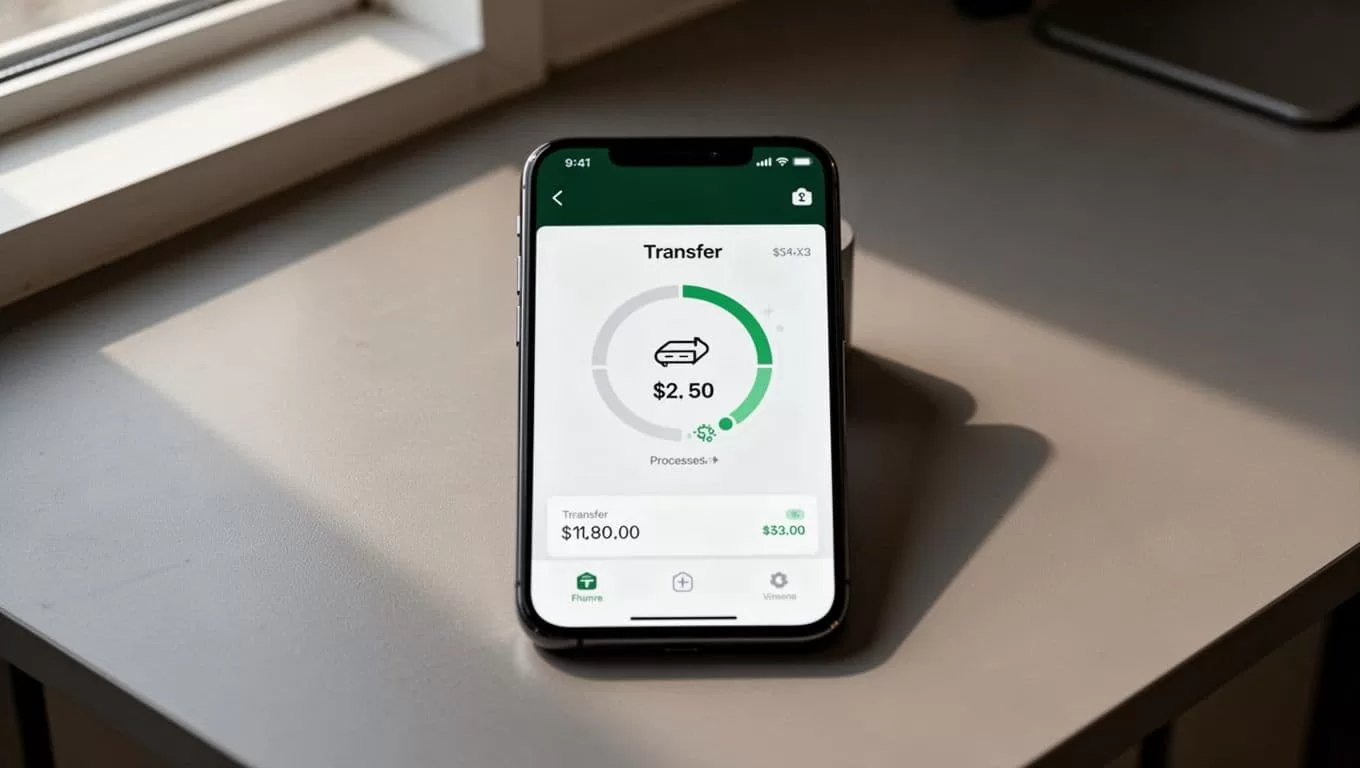
Delivery speed is one of the main cost decisions. If your recipient needs money for an emergency, speed may matter more than a small fee difference. If the transfer covers routine expenses, Economy delivery may provide better value.
Remitly generally presents two delivery speeds for eligible transfers:
| Delivery option | Typical timing | When it fits |
|---|---|---|
| Economy | About 3 to 5 days | Routine family support and planned expenses |
| Express | Often within minutes | Urgent transfers and time-sensitive payments |
The exact arrival time depends on the payment method, destination provider, verification checks, weekends, holidays, and processing conditions. Express delivery is commonly linked to debit or credit card funding, while Economy availability may depend on the corridor and account.
Treat the displayed delivery estimate as an expected window, not a guarantee. A transfer can take longer if Remitly needs additional information or if the receiving provider is unavailable.
Cash pickup may be useful when the recipient doesn’t use a bank account. Bank deposit is usually more convenient when the recipient already manages bills and daily expenses through a Chilean bank. Available banks, pickup locations, and other payout choices vary by recipient location.
The correct choice depends on the use case. Don’t pay for Express delivery when the recipient can wait several days. Don’t choose Economy when a delayed transfer could interrupt rent, medical costs, or another time-sensitive payment.

Enter Chilean Recipient Details Without Errors
Incorrect recipient data is one of the simplest ways to delay a transfer. Ask the recipient for the information directly. Don’t copy details from an old message unless the recipient confirms they are still correct.
For a bank deposit, Remitly may request the recipient’s legal name, bank name, account type, and account number. The available fields depend on the selected Chilean bank and delivery route. A small typo can cause a failed deposit or trigger a manual review.
For cash pickup, use the recipient’s legal name exactly as it appears on their identification. Avoid nicknames, shortened names, or spelling differences. The recipient may need valid identification and the transfer reference number when collecting the funds.
Remitly may display eligible providers and delivery locations after you enter Chile as the destination. A recipient using a bank such as Banco de Chile should select the correct institution when it appears in the current transfer flow. Don’t select a similar-sounding provider without checking the recipient’s account information.
Check these details before payment:
- The recipient’s full legal name matches their identification or bank record.
- The bank name and account number are correct.
- The selected payout method matches what the recipient can access.
- The recipient’s phone number and address are current when requested.
- The CLP amount and delivery estimate match your expectations.
Never send money to a recipient who pressures you to bypass verification or change the name after payment. Contact Remitly support if the recipient details are wrong or the transfer status stops changing.
Reduce the Cost of Your Remitly Transfer
A practical cheap money transfer Chile decision comes down to the complete quote. Use these controls before you pay.
Compare the recipient payout. Enter the same sending amount and compare the CLP payout across available Remitly delivery options. A fee-free promotion can still produce a lower payout if the exchange rate changes.
Use Economy when timing allows. Express delivery can be useful, but it may cost more or require a card payment. Planned support payments usually don’t need the fastest option.
Review promotions carefully. A first-transfer offer may waive the fee or provide a promotional rate. Check whether the offer applies to your sending country, payment method, transfer amount, and selected delivery speed. Later transfers may use standard pricing.
Check the quote at the time of sending. Currency rates can change during the day. Older screenshots and comparison pages can’t confirm the rate for your transaction. Enter the amount again shortly before authorizing the payment.
Compare one transfer against multiple smaller transfers. Several transfers can create multiple fees. However, account limits, recipient needs, or payment restrictions may require a split. Compare the total charged and total CLP delivered in both cases.
Avoid outside card costs. Remitly may show one price while your credit card issuer adds cash advance fees or interest. A debit card or bank account may be less expensive, depending on the quote and your bank.
Customer reviews can help you assess recurring support experiences, but they can’t predict your exact fee or exchange rate. Public feedback, including Remitly customer reviews, should support your research rather than replace the live transaction quote.
Review the Final Quote Before You Authorize
The final review is the control point for the entire transfer. Confirm the sending currency, receiving currency, amount paid, transfer fee, exchange rate, CLP payout, delivery speed, and payment method.
Fees, exchange rates, limits, delivery times, and payout options can all vary by sending country and transaction details. A quote that appears in the United States may not match one shown in Canada, the United Kingdom, or another market. Even two U.S. transfers can produce different results when the payment method or amount changes.
Check the recipient’s details one more time before tapping the payment button. After authorization, some transfer details may be difficult to change. Save the confirmation and transfer reference so the recipient can track the payment or collect cash when required.
If the recipient doesn’t receive the funds within the displayed window, check the transfer status first. Then confirm whether Remitly requested additional information or whether the receiving bank or pickup provider is processing the payment.
Conclusion
Remitly can make sending money to Chile easy to manage when you compare the full cost instead of focusing only on the transfer fee. Review the exchange rate margin, choose Economy or Express based on urgency, and select a payout method the recipient can use.
A reliable transfer starts with accurate recipient information and ends with a final quote check. Confirm the name, bank or pickup details, CLP payout, delivery estimate, and total charge before authorizing the payment.

