If I only have one hour to start outbound, I don’t ask which channel is “better.” I ask which channel fits the list I already have.
That’s where cold calling vs cold emailing stops being a debate and starts being a workflow decision. I use Hunter.io on the email side because it helps me find, verify, and clean contact data before I send anything. It does not replace a dialer, and that matters.
In 2026, the best teams don’t pick one channel out of habit. They match the channel to the buyer, the data, and the stage of the deal. That’s the lens I use here.
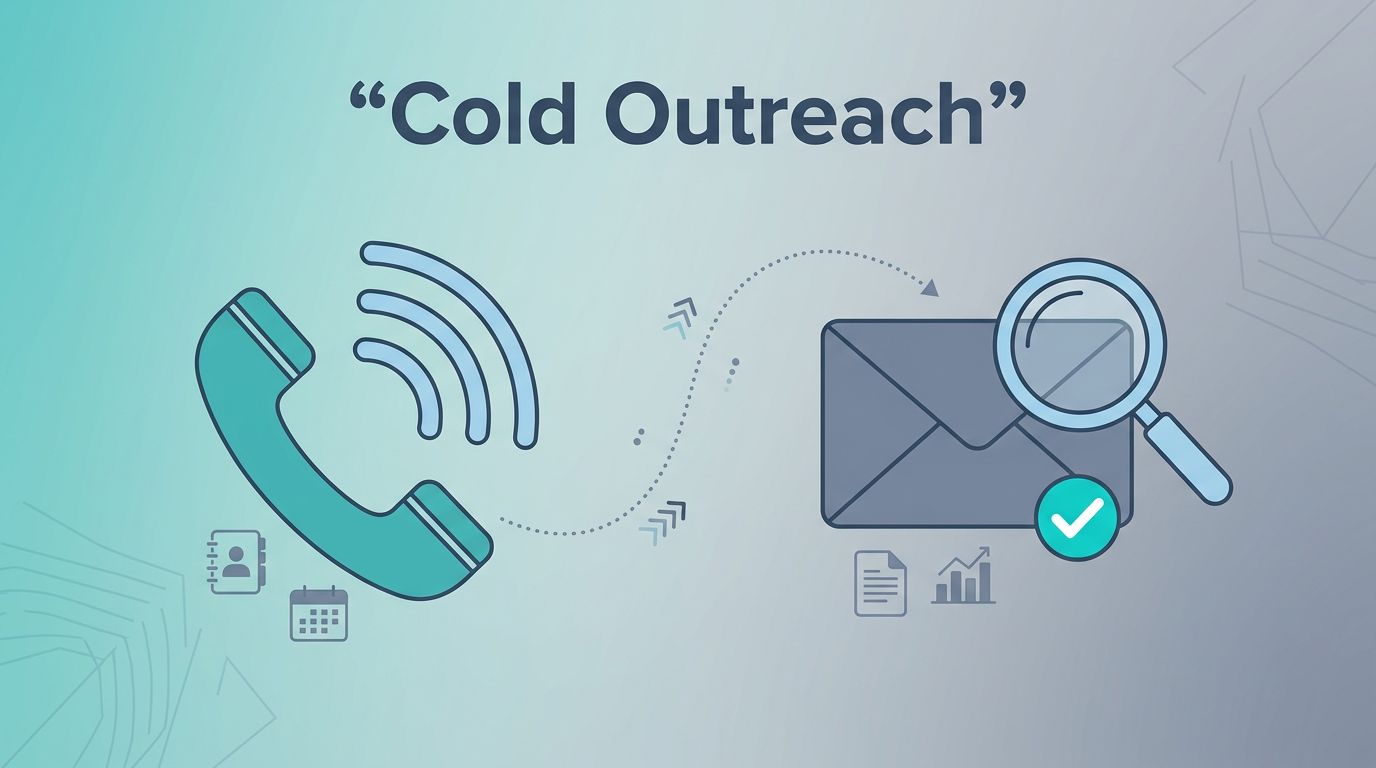
Cold calling and cold emailing solve different problems
I think of cold calling as a live test. It works best when I need urgency, fast feedback, or a real conversation around a complex offer. Recent 2026 benchmark roundups, including ZoomInfo’s cold calling statistics, show that calling can win when a rep reaches the right person at the right time. The catch is simple, connect rates are still limited, and timing matters a lot.
Cold emailing, on the other hand, is a reach problem. It lets me contact more people with less time, and I can build a sequence that follows up without burning out my team. Hunter’s own State of Email Outreach 2026 makes the same point, email still works, but list quality and message fit decide a lot of the outcome.
I don’t treat those channels as rivals. I treat them like a wrench and a screwdriver. Both help, but they fix different problems.
My side-by-side view of the two channels
I use this table when I’m deciding where to put my effort first.
| Factor | Cold calling | Cold emailing | Where Hunter.io fits |
|---|---|---|---|
| Best use case | Live objection handling, urgent follow-up | Scalable outreach, async buyers, multi-step sequences | Finding and verifying email addresses |
| Speed to launch | Fast once numbers are ready, but labor-heavy | Fast at scale once the list is clean | Helps me build the list faster |
| Data needs | Direct dials, timezone accuracy, good CRM notes | Valid emails, names, company data, and deliverability checks | Strong on email prospecting and verification |
| Personalization | Real-time, conversational | Written, repeatable, and easy to test | Improves the data behind the message |
| Main risk | Low answer rates and bad timing | Spam filters, bounces, weak inbox placement | Reduces email risk, not call risk |

My takeaway is simple. Calling can win on immediacy, but email wins on scale. Hunter.io sits firmly in the email lane, so I use it to make that lane cleaner and safer.
Where Hunter.io fits in my outbound stack
I don’t use Hunter.io as a cold calling platform because it isn’t one. I use it as an email prospecting and verification tool. That means it helps me find addresses, confirm them, and reduce the bad data that slows down every campaign.
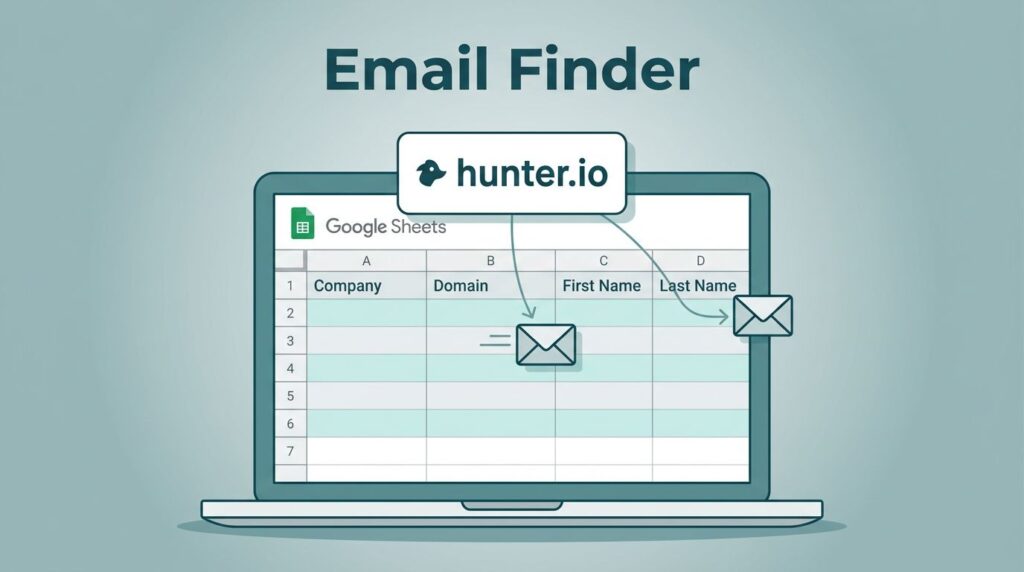
When I build a list, I often start with my Hunter.io contact finder workflow. From there, I verify the addresses before I ever load them into a sequence. If I want a deeper cleanup pass, I also keep my Hunter email verification workflow close by.
That workflow matters because bad data hurts both deliverability and reporting. A shaky list makes reply rates look worse than they are. It also poisons domain reputation over time. For more on that, I keep my cold email bounce reduction guide handy.
My Hunter.io workflow for cold emailing
When I use Hunter.io, I keep the process simple.
- I find the company domain and likely contact pattern.
- I verify the email before I send anything.
- I segment the result by risk, then I personalize the message.

I don’t send every verified contact the same way. If a domain looks risky, I use my catch-all email verification guide before I decide how hard to push. Catch-all domains can still work, but they deserve caution.
Good outreach starts before the first send. If the list is weak, the copy has to fight uphill.
The checks I never skip before I scale
I’ve seen too many campaigns fail for boring reasons. So I keep four checks in place.
- Deliverability: I watch bounce risk, sender reputation, and inbox placement before I scale volume.
- Personalization: I use clean names, company data, and context so the first line sounds human.
- Compliance: I respect unsubscribe rules, data handling, and local outreach laws.
- Data quality: I remove duplicates, catch-all traps, and stale records before a sequence goes live.
That’s also why I don’t argue for email or calling in the abstract. I look at the deal. If I need speed and I have a good number, I’ll call. If I need scale and I have solid email data, I’ll send. If the deal is larger, I often do both.
When I combine the two channels
The strongest outbound plans rarely live inside one channel. I like email for the first touch because it gives me room to explain value. Then I use calling to follow up when the message has landed and the timing makes sense.
That mix works well for B2B lead gen because it respects how people work now. Many buyers want to read first and talk later. Others need the nudge of a live call. I keep both ready, but I put Hunter.io on the email side of the system, where clean data gives me a better shot before I ever dial.
Cold calling vs cold emailing isn’t a fight I want to win. It’s a routing decision. When I use Hunter.io for the email part, I spend less time guessing and more time reaching real prospects with less waste. That’s the kind of outbound stack I trust.