How I Find Upcoming Consumer Product Trends With Exploding Topics
I look for consumer products before they look obvious, because by the time a category feels crowded, the easy wins are usually gone. In April 2026, that matters even more. Buyers are price-sensitive, search habits are changing, and AI-assis...

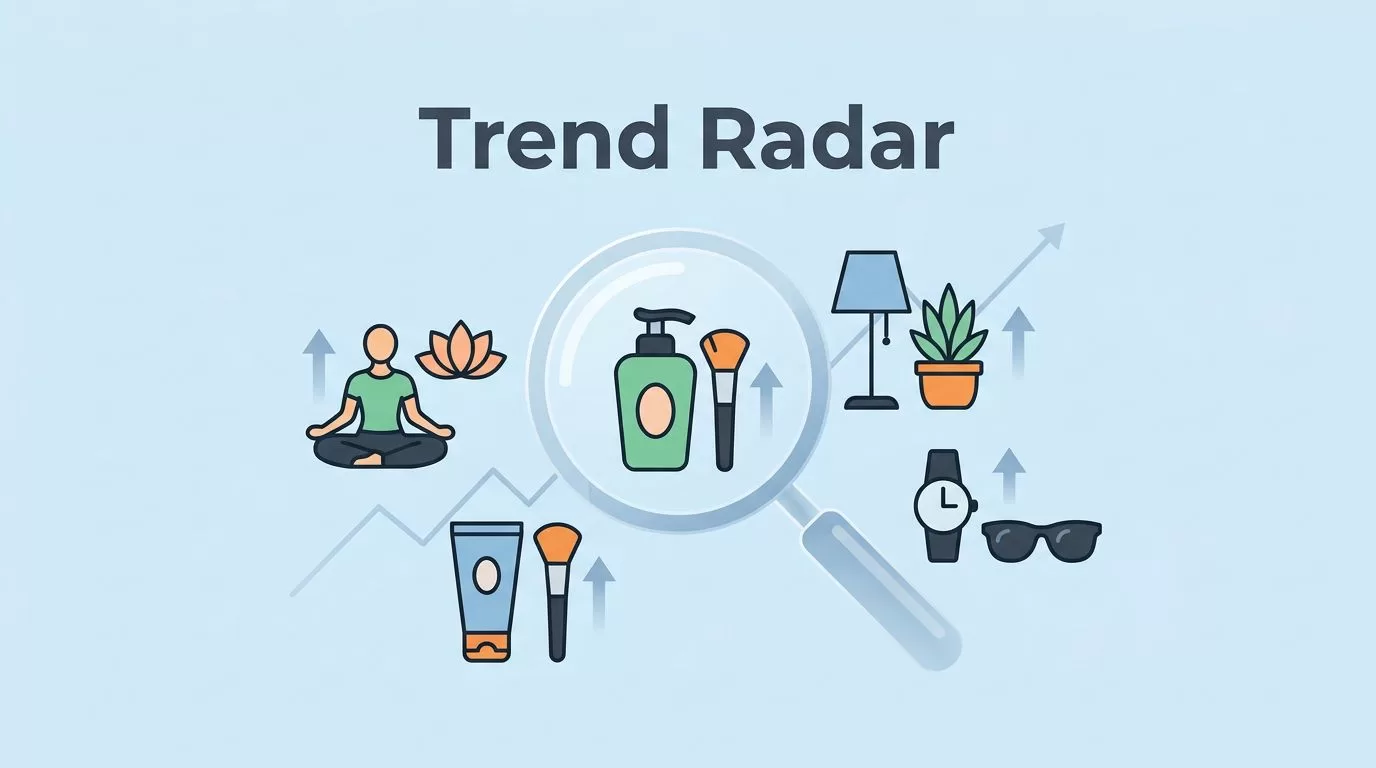
I look for consumer products before they look obvious, because by the time a category feels crowded, the easy wins are usually gone. In April 2026, that matters even more. Buyers are price-sensitive, search habits are changing, and AI-assisted shopping is speeding up how people compare products.
That’s why I treat consumer product trends as leads, not proof. I use Exploding Topics to spot the spark, then I test it against search growth, social chatter, marketplace demand, competition, and seasonality. If the idea survives those checks, I know it deserves time.
I start with the trend feed, then narrow fast
My first pass is simple. I scan Exploding Topics for product signals that feel early, not crowded. I want to see movement in categories like wellness, comfort, beauty, home goods, and practical accessories.
For a live snapshot, I keep Trending Product Topics for April 2026 open while I work. It helps me see what is rising now, not what people talked about last year. On the internal side, I also use catching quiet market changes early when I want a broader view of how small shifts turn into real buying behavior.
I do not chase one hot item on its own. Instead, I look for a pattern around it. A product like heated blanket hoodies may point to comfort wear, cold-weather gear, or giftable home items. A rise in pistachio body mist may hint at fragrance trends, scent layering, or impulse beauty buys. The item matters, but the shape around it matters more.


That first scan tells me where to spend my attention. Everything else is validation.
I validate the signal before I trust it
Exploding Topics gives me a starting point. I still need proof from the outside world. I want at least two or three signals pointing the same way before I call something real.
Here’s the filter I use.
| Signal | What I check | Pass looks like |
|---|---|---|
| Search growth | Google Trends and keyword volume | A steady rise over months |
| Social momentum | Reddit, TikTok, YouTube, LinkedIn comments | Repeated pain or product requests |
| Marketplace demand | Amazon, Etsy, Walmart, niche stores | Real listings, reviews, and bundles |
| Competition | SERPs, ads, product pages, positioning | Gaps in price, message, or quality |
| Seasonality | Month-by-month pattern | Repeat peaks I can plan around |
I also cross-check broader behavior shifts on consumer behavior trends for 2025 and 2026. That page helps me separate a one-off burst from a real change in how people buy.
If I can’t find the trend in search, social chatter, and marketplaces, I treat it as a guess.
Then I look at the comments, reviews, and complaints. Those are messy, but they’re honest. People reveal what they hate, what they want faster, and what they wish already existed. That is where product ideas get sharper.
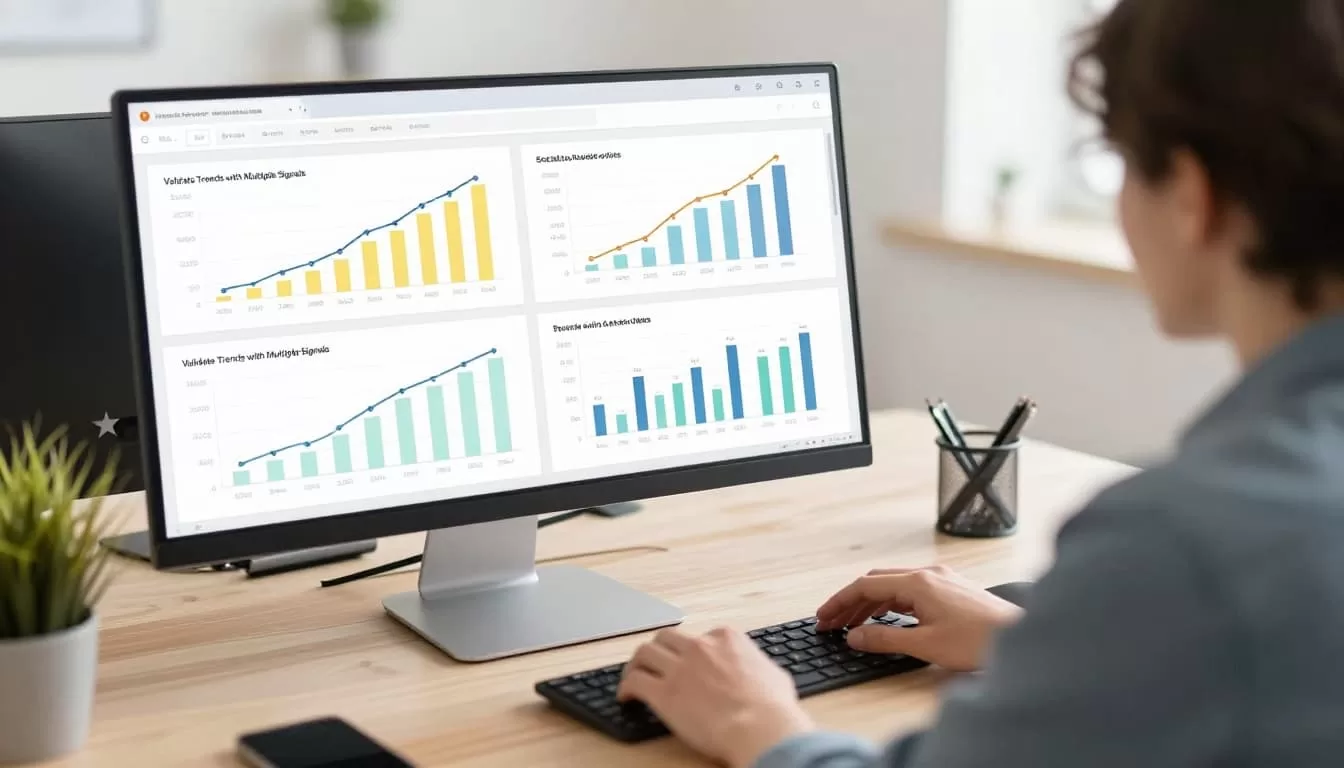
I care less about hype and more about repetition. When the same need shows up in several places, I pay attention.
I read the category, not just the product
A product can look exciting and still fail if the category has no room. So I ask a second question, what else can this trend become?
That’s where the category view helps me. I use tracking new ecommerce opportunities to think beyond a single SKU. If one product can turn into bundles, refills, accessories, or subscriptions, I pay closer attention.
For example, organic cotton t-shirts can point to sustainable basics, premium blanks, and comfort-first apparel. Mushroom chocolate can lead to snack formats, wellness gifts, or functional food lines. Heated blanket hoodies can branch into indoor comfort, gifting, and winter add-ons. I like trends that branch, because branching usually means a wider shelf life.
I also compare the product with what buyers already say they want. In April 2026, I keep seeing more value hunting, more convenience buying, and more interest in products that feel useful on day one. That does not mean every rising item is a winner. It means the bar is higher for anything vague or flashy.
I use seasonality as a timing filter
Timing changes everything. A good product launched late can feel dead. A solid product launched early can look lucky.
That’s why I map trends to seasonality before I spend money. I use timing seasonal product launches to decide whether a product is a year-round play or a windowed one. Some items make sense only before a holiday, during winter, or ahead of back-to-school. Others need a slower ramp.
I usually ask three things. First, does the product solve a seasonal pain? Second, when do buyers start searching? Third, how far ahead do I need to launch to beat the rush?
If I wait for peak season, I’m already late. If I launch too early, I may need patience and a good follow-up campaign. Either way, I want the calendar to match the demand curve.
I turn a clean signal into a small test
Once a trend clears my checks, I keep the first test small. I do not build a huge store or a giant content plan first.
- I pick one buyer and one use case.
- I build one landing page or one product page.
- I use keyword research and marketplace language to shape the offer.
- I watch sign-ups, add-to-cart behavior, comments, and repeat visits.
That simple test tells me more than a long brainstorm ever will. If people click, stay, and ask for more, I know I have a real signal. If they bounce, I move on fast.
For me, that is the real value of Exploding Topics. It helps me spot motion early, but it does not make the decision for me. I still need proof from search, social, shopping behavior, and timing.
The best opportunities feel quiet at first. They leave small marks in search, then show up in reviews, then start appearing in stores. By the time they feel obvious, I want to already know whether they are worth my time.

