How I Spot Emerging Green Building Materials With Exploding Topics
The greenest building material can still be the wrong buy. In April 2026, I keep seeing fresh names, from CLT and hempcrete to biochar concrete and mycelium panels. Some will move into regular specs. Others will fade after a few flashy demo...

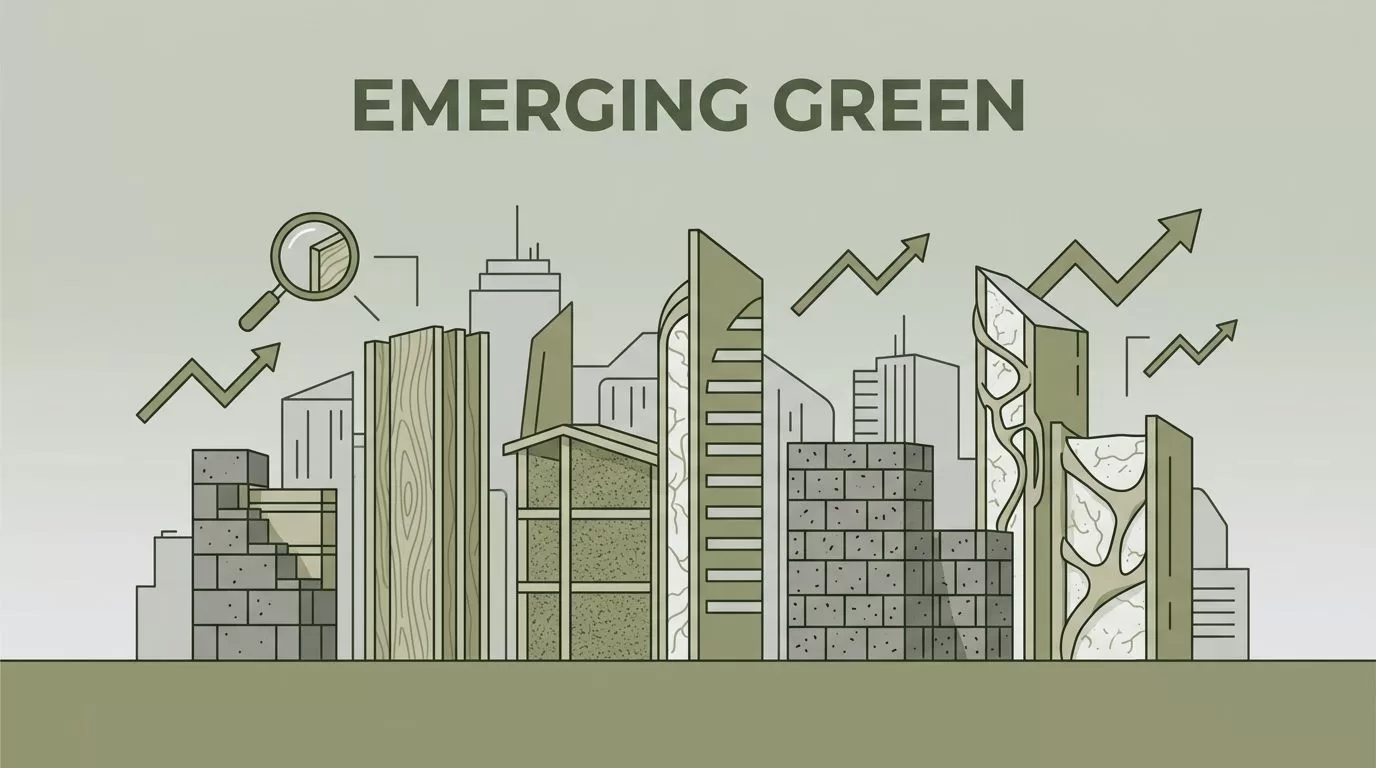
The greenest building material can still be the wrong buy. In April 2026, I keep seeing fresh names, from CLT and hempcrete to biochar concrete and mycelium panels. Some will move into regular specs. Others will fade after a few flashy demos.
I use Exploding Topics to catch the early signal, then I test each material like a buyer, not a fan. That means I care about carbon, durability, fire behavior, code paths, and supply before I care about buzz.
Why I start with search signals before I read spec sheets
I don’t begin with a manufacturer pitch. I begin with trend data, because search growth tells me where curiosity is turning into demand. That is why I keep one eye on spotting early demand in green materials and another on market chatter around products that are still forming.
A 2026 roundup on alternative construction materials market growth is useful for context, but I still want to see a clean pattern. One spike can be noise. A steady climb, plus supplier mentions and buyer language, feels more real.
I also check whether the topic shows up in adjacent places, like product launches, trade coverage, and job posts. That’s where a green material starts to look like a market instead of a headline.
If a material only looks exciting in a slide deck, I keep looking.
The material families I keep watching in 2026
One recent roundup of top trends in sustainable building materials for 2026 matches what I keep seeing in trend scans. The same names come up again and again, which usually means the category has moved past pure novelty.

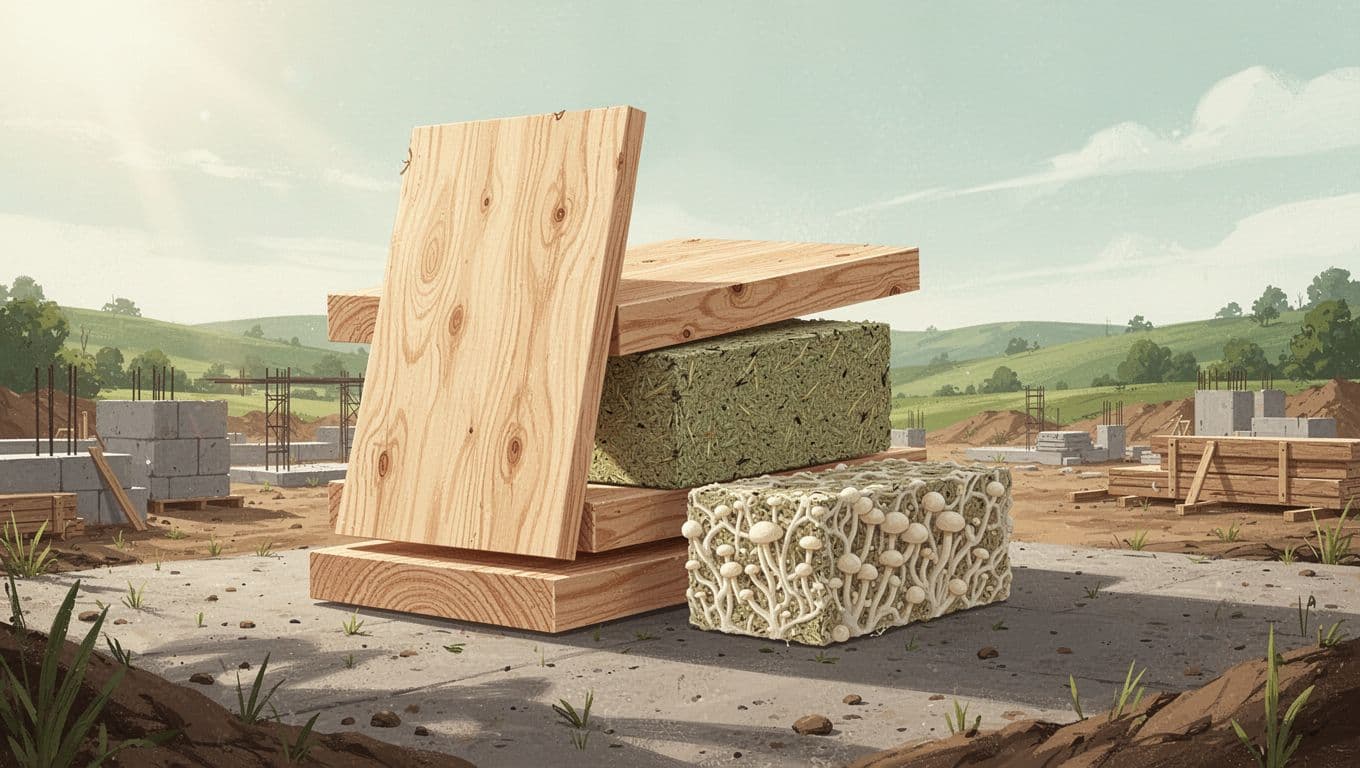
CLT still stands out because it has a clearer path into real projects. Hempcrete gets attention for its insulation value and low weight. Mycelium composites draw interest because they grow from waste streams and can reduce material use.
Still, I don’t rank them by novelty. I rank them by fit. Low-clinker cement, calcined clay, and biochar blends may look less exciting, yet they often fit into existing workflows better. That can matter more than a dramatic sustainability story.
Recycled plastic bricks and lumber also keep surfacing. They solve a waste problem, but I want proof of consistent performance, not just a good photo. Smart glass and other energy-saving facade materials also keep climbing, although they often depend on cost and regional code acceptance.
The checklist I use before I call a trend real
I want a green building material to survive the whole path, from plant floor to jobsite to end-of-life. So I check the same set of questions every time.
| Criterion | What I check | Why it matters |
|---|---|---|
| Embodied carbon | EPDs, LCA data, lower-clinker mixes, recycled feedstock | This shows the footprint before the building opens |
| Durability | Moisture behavior, wear, repair path, warranty | A low-carbon product still has to last |
| Fire resistance | Test reports, rating details, local acceptance | Fire risk can stop a project fast |
| Code compliance | ASTM or UL testing, permit path, local code fit | If it can’t clear code, it won’t scale |
| Supply chain maturity | Lead times, regional supply, multiple vendors | Long delays kill adoption |
| Cost and scalability | Installed cost, labor needs, available volume | Good ideas fail when supply is thin |
| End-of-life | Reuse, recycle, takeback, composting, separation | Circularity only matters if it works in practice |
I also look for certifications, like Environmental Product Declarations, FSC for wood, and third-party test data. If those are missing, I slow down.
The biggest mistake I see is treating carbon savings as the whole story. A material that wins on emissions but fails on fire or moisture still creates risk. A trend becomes useful only when it clears both sustainability and performance.
Where hype still outruns adoption
A lot of emerging green building materials sound ready before they are. Mycelium panels are a good example. They are promising, but large-scale supply, consistency, and code paths still matter. Recycled plastic systems face similar questions. Who can ship them at volume? Who will service defects? Who will approve them on a real project?
I cross-check those questions with green infrastructure trend signals so I can see whether the surrounding market is maturing too. When sensors, efficient glass, low-carbon power systems, and material innovation rise together, I pay more attention.
A list like 10 top trending eco-friendly building materials in 2026 can be a useful starting point. I still treat it as a short list, not a verdict.

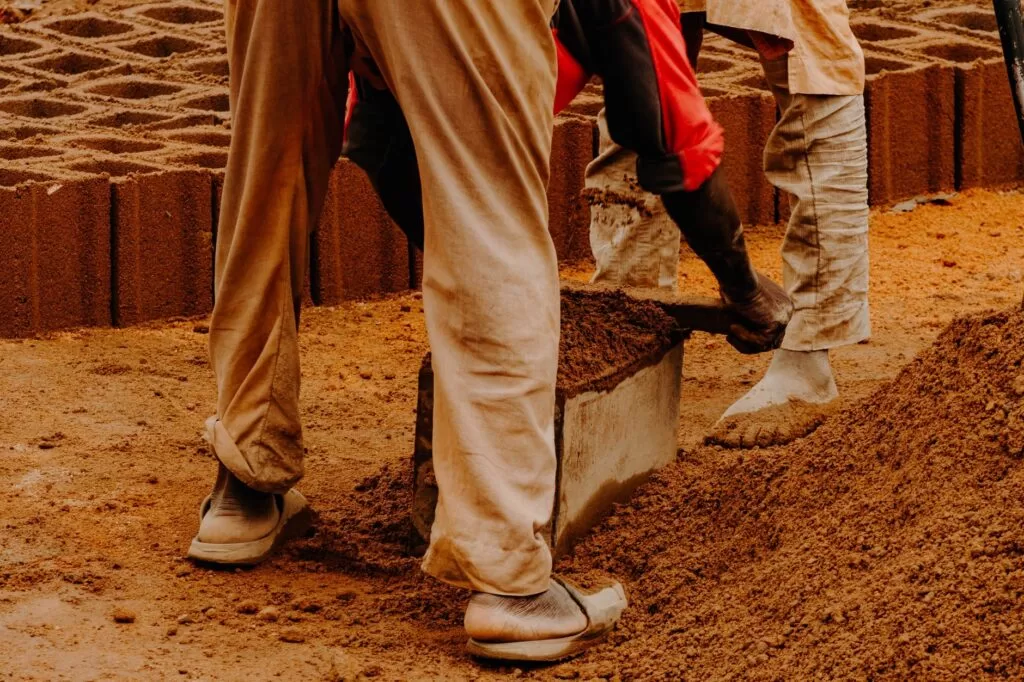
Photo by sirmudi_photography
That image tells a hopeful story. My next question is always practical. Can this material pass inspections, stay in budget, and show up on time? If the answer is shaky, the trend is still in its early stage.
A low-carbon material that can’t clear fire tests, moisture checks, or local code is still a pilot, not a purchase.
The signal I trust most
Exploding Topics helps me spot emerging green building materials before they feel obvious. That gives me a head start on research, sourcing, and content planning. It also keeps me from chasing every shiny claim that shows up in a product deck.
The real test is simple. I want trend momentum, solid embodied-carbon data, real supply, and code-ready proof. When those pieces line up, I know I’m looking at a material that can move beyond hype.

