Best Text To Speech Settings For Faster Reading
I can read faster with text to speech, but only when the settings fit the job. Too slow feels like a crawl, and too fast turns into rewinds. The sweet spot depends on the text, my goal, and how much I need to remember. When I want a browser...


I can read faster with text to speech, but only when the settings fit the job. Too slow feels like a crawl, and too fast turns into rewinds.
The sweet spot depends on the text, my goal, and how much I need to remember. When I want a browser-based setup, I often start with a browser extension for text-to-speech or a web page reader app, then I tune the speed from there.
Find your best playback speed first
I think in two ways when I set text to speech settings. First, I look at words per minute. Then I check how the same pace feels in 0.25x or 0.1x steps inside the app.
For dense material, I usually stay around 150 to 200 WPM. That range gives my brain time to track meaning without dragging. For simple or familiar content, I can move toward 200 to 250 WPM if I’m still catching every point.
Playback speed helps me think in practical terms:
| Goal | Good starting range | My usual choice | Why it works |
|---|---|---|---|
| Speed reading | 200 to 250 WPM, or 1.25x to 1.5x | Brisk, clear voice | Keeps momentum on familiar text |
| Studying | 150 to 200 WPM, or 1.0x to 1.25x | Slightly slower pace | Helps memory and focus |
| Proofreading | 130 to 170 WPM, or 0.9x to 1.0x | Steady voice | Makes errors easier to hear |
| Accessibility | 140 to 190 WPM, or a comfortable rate | Clear, natural voice | Reduces strain |
| Language learning | 120 to 180 WPM, or 0.8x to 1.1x | Crisp pronunciation | Supports word recognition |
I keep one rule in mind. If I miss meaning, the speed is too high, even if it sounds efficient.
I also like to compare what I hear with TTS speed settings guidance and voice and speed tips from Read-Aloud. Different tools frame the numbers differently, but the pattern stays the same. Clear speech at a slightly slower pace usually beats a rushed voice.
If I have to rewind more than twice in one paragraph, I’ve gone too fast.


Pick a voice that stays clear when the speed rises
A fast voice that sounds muddy slows me down more than a slightly slower voice with clean diction. So I choose clarity before personality. A pleasant voice matters too, because I’m more likely to keep listening if it doesn’t irritate me.
For work reading, I usually prefer a neutral tone. For long study sessions, I like a voice that sounds calm and even. If the app offers several voices, I test at least three before I decide.
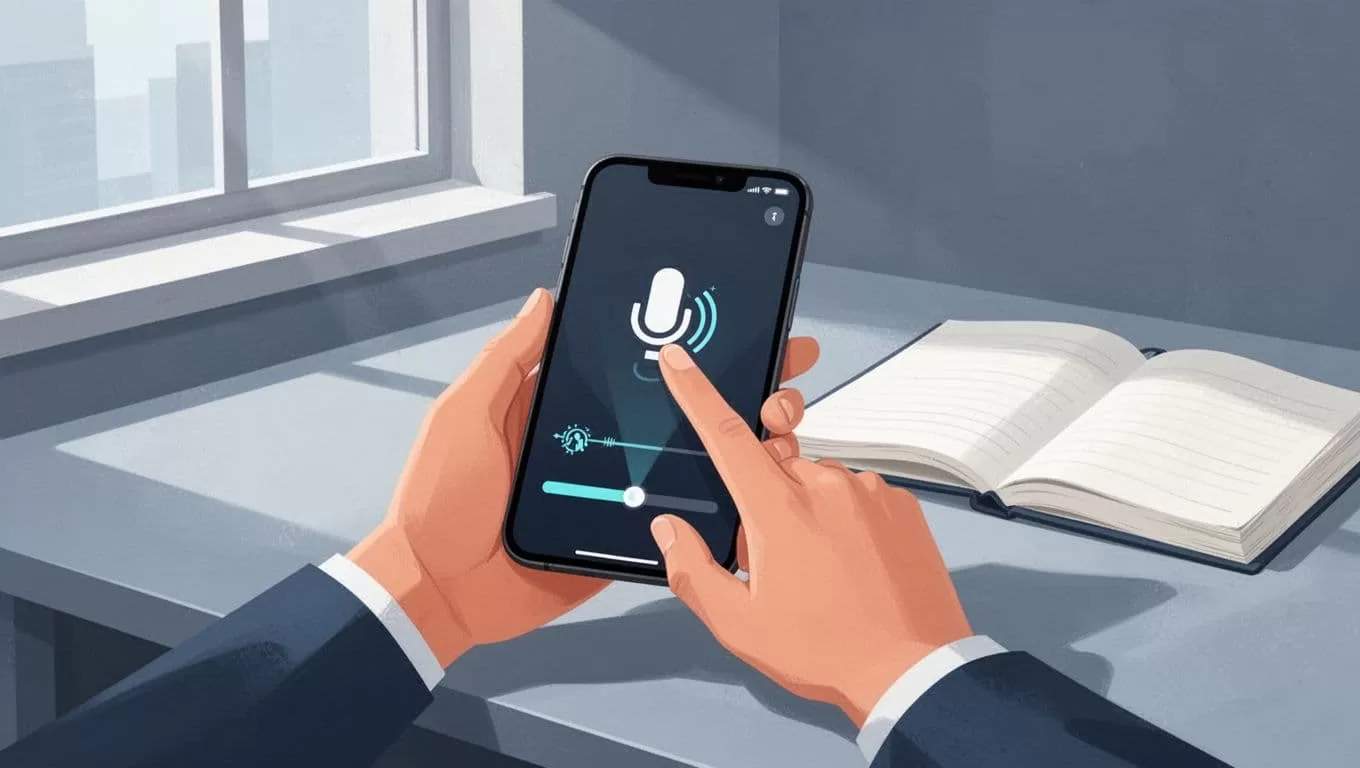
I also keep platform differences in mind. Chrome, Android, iPhone, Windows, and dedicated apps may label the same control differently. Menus change over time, so I look for the same ideas, not the same button names. If I’m setting up on mobile, I often pair it with a quick Speechify app setup so I can listen across devices without starting over.
Use pauses, highlighting, and pronunciation to keep pace
Speed alone doesn’t make a better listening setup. Pauses, highlighting, and pronunciation do a lot of quiet work in the background.
I like small pauses between sections, because they give my brain a second to catch up. Even a one-second pause after headings or long bullets can make the audio feel less crowded. Highlighting helps too, since I can follow the spoken word with my eyes.
Pronunciation settings matter more than most people think. If a tool lets me edit how a name, acronym, or product term is spoken, I use it. That saves time later. I don’t want a clean workflow interrupted by a single weird word.
When I want faster reading without losing the thread, I turn on highlighting and use punctuation as a guide. Short sentences can move faster. Long, packed sentences need a little more room.
My step-by-step tuning routine for faster reading
I use the same tuning flow every time, because it keeps me from guessing.
- I start with a short sample, usually two minutes of mixed text.
- I play it at 1.0x, or about 150 to 170 WPM, and listen for comfort.
- I raise the speed in small steps, usually 0.1x to 0.25x.
- I stop when I notice missed ideas, not just missed words.
- I save one setup for study, one for speed reading, and one for proofreading.
That last step saves me the most time. I don’t want one setting for everything. A study article, a contract draft, and a language lesson need different pacing.
For example, when I’m reading a report I already know, I’ll push speed higher and keep pauses short. When I’m checking a document for mistakes, I slow it down and let the highlighting do more of the work. That small shift changes the whole experience.
If I’m using a browser tool or a built-in reader, I test the same passage after every change. That way I can hear the difference right away. I don’t wait until the end of a long article to find out I picked the wrong rate.
The settings I reach for most often
The best text to speech settings aren’t the fastest ones. They’re the ones that let me move quickly without losing the point.
I usually start around 150 to 200 WPM, choose a clear voice, and then adjust pauses and highlighting before I chase more speed. That balance works better than blasting through text and hoping my brain keeps up.
If I want faster reading, I still protect comprehension first. That’s the real trick, because speed without understanding just creates more playback, not more progress.

