Google Workspace User Offboarding Checklist for Small Teams
When a team member moves on, the transition creates a window of risk for your company data. Managing access is not just about human resources; it is a technical priority. A clear Google Workspace offboarding checklist helps you prevent unau...

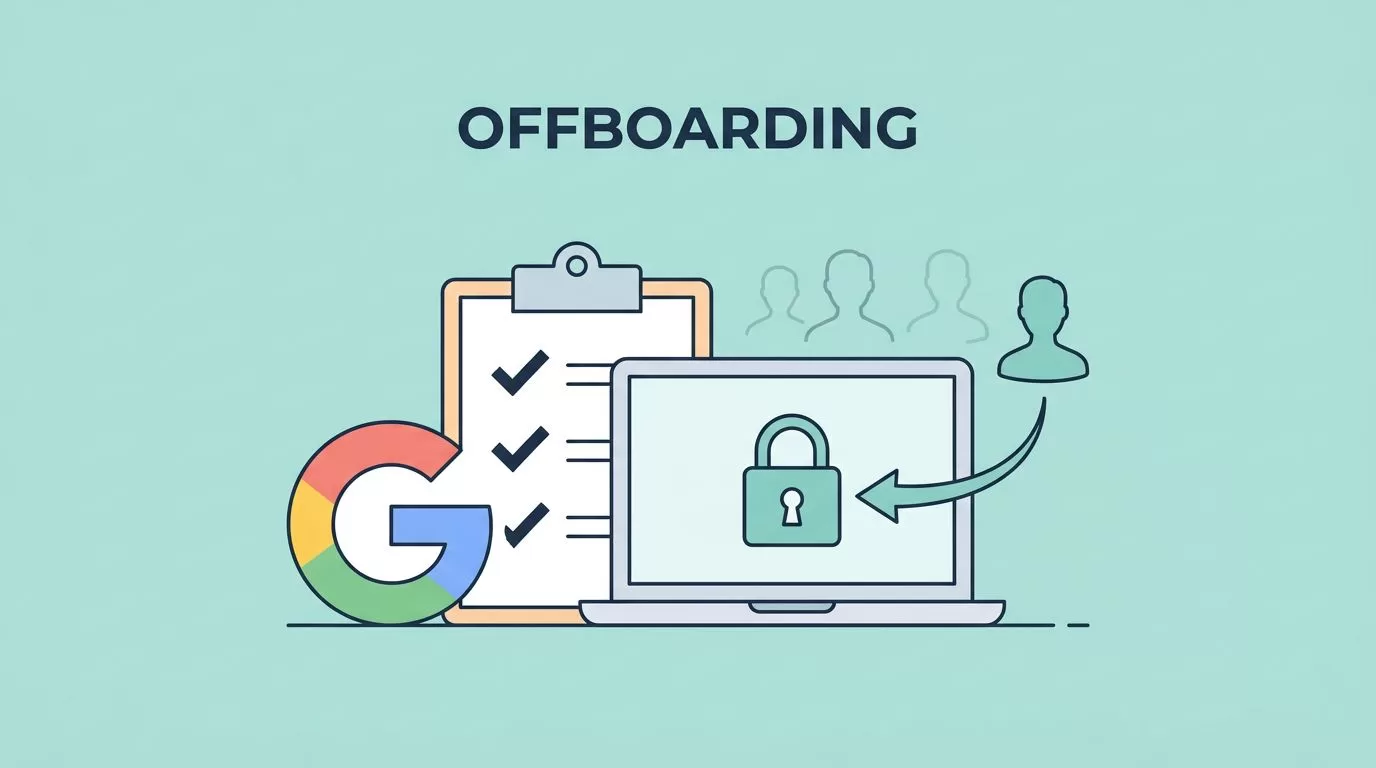
When a team member moves on, the transition creates a window of risk for your company data. Managing access is not just about human resources; it is a technical priority. A clear Google Workspace offboarding checklist helps you prevent unauthorized access while ensuring business continuity. Small teams often operate with limited time, so having a repeatable process protects your digital workspace without constant stress.
Table of Contents
- Immediate Security Steps
- Managing Data and Transfers
- Device and App Cleanup
- Final Account Disposition
- Frequently Asked Questions
Immediate Security Steps
The clock starts ticking the moment an employee notifies you of their departure. You must stop access before the person leaves the building or logs off their final shift. A quick response minimizes the chance of data being copied, deleted, or altered.
First, suspend the user account in your admin console. This action prevents them from logging in, but it keeps their data intact for your review. Next, sign the user out of all sessions. This forces a logout across every browser, mobile device, or third-party app currently using their credentials.
You should also remove their recovery email and phone number from the account. If you skip this, an outgoing employee might trigger a password reset through their personal contact methods. Always follow Google’s guidance on data security to ensure you do not miss critical administrative settings.


Managing Data and Transfers
After securing the account, your focus shifts to company assets. Files, emails, and calendar events often live inside individual accounts, making them easy to lose. I prefer using Google Workspace Shared Drives for all team projects because it keeps data under company ownership rather than individual control.
If the employee kept files in their personal My Drive, move those documents to a shared location immediately. You can transfer ownership of these files to an active user or a manager. Review their sent items and inbox as well. Setting up an email forward or an auto-reply is a helpful move to ensure clients still receive communication. If you have concerns about accidental loss, implementing Google Workspace data backup strategies offers a safety net for restoring documents that might be moved or deleted during the shuffle.
Device and App Cleanup
Many team members sign into work accounts on personal tablets or mobile phones. You must wipe these devices to clear sensitive company information. If you use mobile device management (MDM) settings, you can perform a remote wipe of the work profile.
Third-party applications also pose a hidden threat. Many users sign into external platforms, such as project management tools or creative suites, using their corporate email. You need to revoke these OAuth tokens in the admin console. This action cuts the link between your company account and any outside service, closing the back door to your environment. Following a structured approach for offboarding helps you catch these common connections that often go overlooked until an incident occurs.
Final Account Disposition
Deciding when to delete an account is a policy choice. Most small businesses choose to keep a suspended account for 30 to 90 days. This buffer allows you to recover files or emails if a team member realizes they need information later.
When you finally choose to remove the user, verify that you have transferred everything of value. Once an account is permanently deleted, retrieving that specific data becomes much more difficult. Document the entire process in your internal wiki, especially if you handle email account setup and offboarding processes frequently. This audit trail proves you were diligent in protecting sensitive information.
Frequently Asked Questions
Can I just delete the account immediately? Deleting an account immediately is possible, but it removes all data associated with that user. It is safer to suspend the account first, move their files, and then delete the user only after you have confirmed the transition is complete.
What happens to shared calendars if I delete a user? Shared calendars that the departing user owns will become unavailable unless you transfer ownership to someone else before deletion. Always check who owns critical team calendars.
How do I handle third-party tools linked to their email? Revoking OAuth tokens in the Google Workspace admin console is the most effective way to disconnect third-party services. This stops them from using their corporate login to access external platforms.
Should I change the password before suspending the account? Yes, changing the password is an extra layer of protection. However, suspension is the primary action that blocks access, while changing the password ensures no one can bypass that suspension if a session remains open.
How can I make this easier for future departures? Moving all collaborative files into Shared Drives reduces the need to transfer files when someone leaves. It keeps company data centralized, which means you spend less time cleaning up individual accounts when a team member exits.
Reliable offboarding is a foundational part of running a professional workspace. By following these steps, you keep your data secure while maintaining a clean, efficient setup. Consistency is your best defense against data leakage and administrative headaches. Take the time to audit your current environment today to ensure your team is ready for the next transition.

