How to Join the Hostelworld Affiliate Program on Travelpayouts
A budget-travel article can produce clicks without producing bookings. The difference is usually the offer, the destination link, and the reader’s intent. The Hostelworld affiliate program on Travelpayouts gives travel publishers a wa...
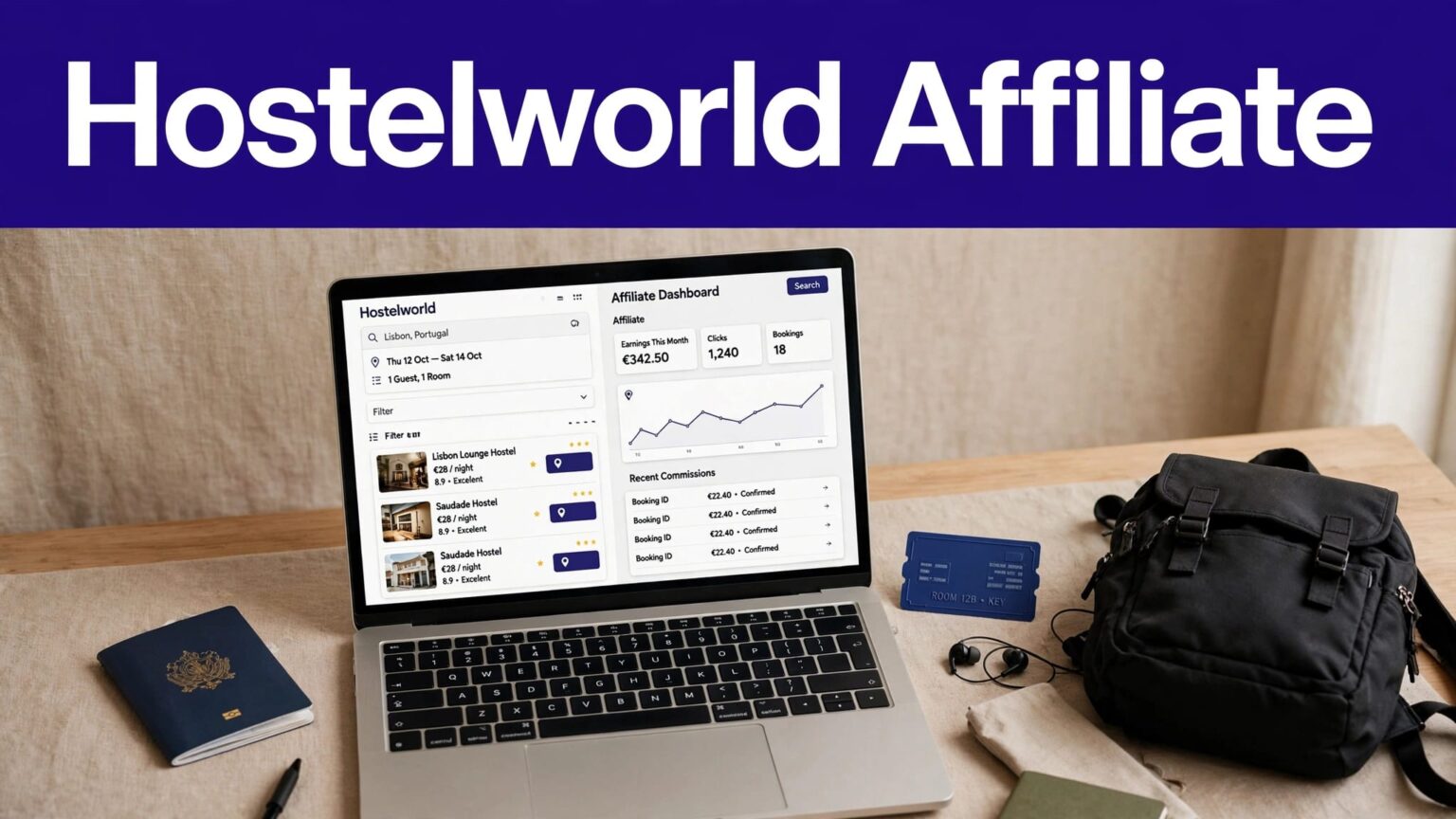
A budget-travel article can produce clicks without producing bookings. The difference is usually the offer, the destination link, and the reader’s intent.
The Hostelworld affiliate program on Travelpayouts gives travel publishers a way to earn from eligible confirmed hostel bookings. It works for travel blogs, destination guides, newsletters, and video content that helps readers choose where to stay.
Start with the account setup, then build links that take readers to the exact hostel search they need.
CHECK WHETHER HOSTELWORLD FITS YOUR AUDIENCE
Hostelworld is not a general accommodation solution for every traveler. It is strongest when your audience looks for hostels, low-cost private rooms, social stays, backpacker routes, and group travel options.
Hostelworld says its inventory includes more than 36,000 properties across 179 countries. Review the official Hostelworld affiliate programme before you publish claims about property availability, booking rules, or cancellation options.
Content that can produce booking intent
Your best pages answer a stay-related question. A reader searching “best hostels in Lisbon for solo travelers” is close to booking. A reader watching a general travel montage may only be researching.
Build content around decisions readers need to make:
- Destination hostel guides for cities such as Prague, Bangkok, Barcelona, or Mexico City.
- Neighborhood comparisons that explain where backpackers should stay.
- One-week itineraries with an accommodation section for each stop.
- Festival, ski-season, study-abroad, and working-holiday planning content.
- Packing and safety guides that link to a useful place to book.
Don’t add a Hostelworld link to a page about luxury resorts or business hotels. The offer and page need to match.
Know what the reader expects
A hostel reader often cares about more than price. They may need a private room, female-only dorm, kitchen, luggage storage, late check-in, or a social common area.
Give the reader those filters before you send them to a booking page. Better context produces better clicks. It also reduces disappointment after the booking.
A destination guide should answer “where should I stay?” before it asks the reader to book.
JOIN THE HOSTELWORLD AFFILIATE PROGRAM ON TRAVELPAYOUTS
Travelpayouts is the network layer for this offer. You register as a publisher, join the Hostelworld offer, then generate tracked links from your account.
Open the Hostelworld offer page on Travelpayouts and check the displayed terms before you apply. The network states that publishers can join without a sign-up fee.
Create your publisher account
Set up your Travelpayouts account with real contact and payment details. Add the website, newsletter, social channel, or app you plan to use.
Describe your audience clearly. “Travel blog” is weak. “English-language Europe backpacking guides for solo travelers aged 18 to 35” gives the reviewer a usable picture of your traffic and content.
Keep your site ready for review:
- Publish core pages, including About, Contact, Privacy Policy, and useful travel content.
- Remove empty categories, broken pages, and copied destination summaries.
- Use a professional domain email when possible.
- Add a clear affiliate disclosure before you begin placing partner links.
Approval and program availability can change. An account application does not guarantee access to every advertiser or future commissions.
Join the offer and save the terms
After you are inside Travelpayouts, find Hostelworld in the offers or brand directory and select the join option. Save a dated record of the commission wording, cookie period, and traffic rules shown in your dashboard.
This record matters later. Affiliate rates can change. A page may show clicks and pending activity before a booking becomes approved or paid.
BUILD HOSTELWORLD LINKS THAT MATCH THE PAGE
A generic homepage link forces readers to start over. A deep link sends them closer to the property type, destination, or search result they already want.
Travelpayouts supports partner links for individual brand pages. Its guide on creating and using affiliate links explains the basic link-generation process.
Use deep links for destination pages
Start with the exact Hostelworld destination page you want to promote. Then use the Travelpayouts link tool to convert that destination URL into your affiliate link.
For example, a guide called “Where to Stay in Paris on a Backpacker Budget” should point to Hostelworld’s Paris results. Do not send the reader to the global homepage.
Use destination-specific links in these placements:
- A “Check hostel availability in Paris” button below your neighborhood section.
- A text link after you explain why Le Marais, Montmartre, or the Latin Quarter fits different travel styles.
- A booking prompt inside a city itinerary, close to the arrival-day plan.
The Hostelworld affiliate program works best when the link continues the reader’s decision path. Your content does the filtering. Hostelworld handles the live inventory and checkout.
Add markers before you publish
Use markers or SubIDs to identify the page, campaign, or placement that sent the click. Create a simple format and keep it consistent.
For example:
| Placement | Sample marker |
|---|---|
| Paris hostel guide | paris-hostels-article |
| Weekly newsletter | weekly-newsletter |
| Instagram profile link | instagram-bio |
| YouTube description | lisbon-vlog-video |
Markers let you compare results without guessing. You can see whether a Lisbon guide produces confirmed bookings while an Instagram link only produces taps.
Don’t use a vague marker such as “hostel” across every channel. That removes the data you need to improve.
PLACE LINKS WHERE READERS ARE READY TO BOOK
A good placement is useful before it is commercial. Readers should understand where the link goes and why it belongs there.
Avoid hiding booking links in unrelated text. Use direct copy such as “Compare hostels in Chiang Mai” or “Check current dorm and private-room availability.”

Photo by Gustavo Fring
Build pages around real travel decisions
A practical hostel guide needs current decision points. Add transit access, neighborhood feel, typical traveler type, dorm versus private-room guidance, and a booking link.
A strong page structure may look like this:
- State who the destination is good for.
- Compare two or three neighborhoods.
- Explain which hostel features matter in that city.
- Link to a relevant Hostelworld search page.
- Remind readers to check current prices, reviews, and cancellation terms.
Do not publish a list of hostels with copied descriptions. Add your own selection logic. Explain why a solo traveler may prefer a social hostel near public transit while a couple may want a private room outside the nightlife area.
Adapt the content for social and newsletters
Social content has less space. Send viewers to a supporting guide rather than dropping an unexplained affiliate link into every caption.
A YouTube video about “48 Hours in Budapest for Under $150” can link to a detailed Budapest hostel section in the description. A newsletter about Europe rail routes can include one relevant booking block after the route plan.
Keep the destination specific. “Book your next trip” is weak. “See hostels near Budapest Keleti station” tells the subscriber what happens next.
UNDERSTAND HOSTELWORLD COMMISSIONS AND ATTRIBUTION
The current Travelpayouts material lists a 30-day cookie lifetime for Hostelworld. It also describes the partner reward as 40% of Hostelworld booking revenue, usually 5% to 7% of the deposit.
Read that wording carefully. The percentage is not a promise that you receive 5% to 7% of every traveler’s total trip cost.
Confirm what counts as an earning
Hostelworld says affiliates earn on confirmed bookings. A click is not an earning. A booking can also remain pending before the network approves the commission.
Travelpayouts may display an eCPC figure on the offer page. eCPC is a performance average, not your guaranteed payment per click. Your own result depends on the destinations you cover, booking values, completed stays, cancellations, traffic source, and attribution.
Cookie periods, rates, eligible products, and approval rules can change. Recheck the live offer before publishing a revenue forecast or updating an old guide.
Check payment rules before you rely on them
Travelpayouts pays after the reporting period when your account meets the threshold for your selected payment method. The minimum payout guidance states that the amount depends on the payment method.
Its affiliate agreement also sets the broader payment and attribution rules. Read both documents in your account before you treat a pending balance as available cash.
Use confirmed and paid amounts for financial planning. Pending commissions can be reversed after cancellation, refund, or a failed booking condition.
TRACK APPROVED EARNINGS, NOT JUST CLICKS
A high click total can hide poor booking intent. Review your Travelpayouts reports at least once each month.
Separate traffic data from payout data. Then compare pages based on confirmed results.
Keep a fixed earnings record
Use a spreadsheet or database with one row per content source and reporting period. Record these fields:
- Content URL and traffic source.
- Travelpayouts program and offer name.
- Rate or reward condition, plus the date you checked it.
- Clicks, pending rewards, approved rewards, and reversals.
- Booking period, payment date, and payout method.
Calculate net affiliate earnings as approved percentage rewards plus approved fixed rewards, minus reversals.
Keep the original record when an adjustment happens. Add a separate correction row with the cancellation or reversal reason. Don’t overwrite last month’s numbers and lose the audit trail.
Fix weak pages before you chase traffic
Review pages with high outbound clicks and few approved bookings. First, check the destination URL. Next, check whether the guide has current details and works well on mobile.
The problem may be intent. A broad “Europe travel tips” article may send curious readers. A focused hostel guide can send readers who are ready to search dates.
Use your marker data to move attention toward pages that create approved earnings. Don’t increase traffic to a page that produces cancellations or irrelevant clicks.
ADD A CLEAR AFFILIATE DISCLOSURE
Affiliate disclosures are not optional fine print. Put one near the first affiliate link or booking recommendation where readers can see it before they click.
A concise version works:
Disclosure: This article may contain affiliate links. If you book through them, we may earn a commission at no extra cost to you.
Don’t claim that a reader gets the lowest price, guaranteed availability, or a specific cancellation outcome unless the live booking page supports it. Hostel prices, room types, fees, and policies can change by date and property.
Keep the recommendation useful even if the reader does not book. That is how you protect trust and build a travel site that lasts.
FINAL THOUGHTS
The Hostelworld affiliate program can fit a travel publisher with a clear budget-accommodation audience. The setup is simple, but results depend on relevant content, destination-level links, and clean tracking.
Treat clicks as interest, not income. Track approved bookings, record reversals, and check live Travelpayouts terms before you make decisions based on a dashboard balance.
Useful hostel content earns its place by helping readers book the stay that fits their trip.
