Sending money across borders used to mean waiting in long lines at physical agency windows, filling out paper slips, and wondering when the funds would finally land. Today, digital platforms make international transfers fast and predictable. If you need to send money to Kenya, platforms like Remitly provide dedicated channels that connect your domestic bank account, debit card, or credit card directly to local Kenyan banks and mobile wallets.
Managing international transfers requires a clear operational process. You need to verify exchange rates, check delivery speeds, and gather accurate recipient information before you hit submit. Taking these steps prevents delayed transactions and keeps your transfer fees predictable from start to finish.
Key Takeaways
- Verify recipient details carefully: Collect the correct bank account number, bank branch name, and legal name before starting your transfer to avoid processing delays.
- Understand delivery speeds: Choose between express delivery methods funded by debit cards and economy options funded by standard bank transfers based on your timeline.
- Factor in exchange rates: Check promotional rates for first-time senders and standard daily exchange rates for subsequent transactions.
- Monitor transfer limits: Review your account verification tier to ensure your desired transfer amount falls within allowable limits.
- Confirm terms in-app: Always inspect the current fee structure and currency conversion rates directly inside the Remitly app or website before finalizing payment.
Required Recipient Details for Kenyan Bank Deposits

Before you open your transfer application, you need to collect specific details from your recipient in Kenya. Incomplete or mismatched information is the primary reason international transfers get flagged for manual review or returned to the sender.
Make sure you have the recipient’s full legal name exactly as it appears on their official government identification and bank records. You also need the correct bank name, such as Kenya Commercial Bank or Equity Bank, along with the specific branch code or address if requested by the platform. Finally, enter the accurate bank account number without any extra spaces or typographical errors.
Matching your input data to local banking standards ensures funds route through the proper clearing systems without friction. Double-check every digit of the account number with your recipient over a secure messaging channel before you begin.
Step-by-Step Guide to Setting Up Your Transfer
Setting up your first transaction takes just a few minutes when you follow a structured operational sequence. You can manage the entire workflow through the mobile application or desktop browser interface.
- Create a free account on the platform website or mobile app using your active email address and a secure password.
- Select Kenya as your destination country and enter the exact amount you want to send in your home currency.
- Choose bank deposit as your delivery method and select a partner bank from the available list.
- Enter your recipient’s full legal name, bank name, and valid account number.
- Select your funding source, such as a linked checking account, debit card, or credit card.
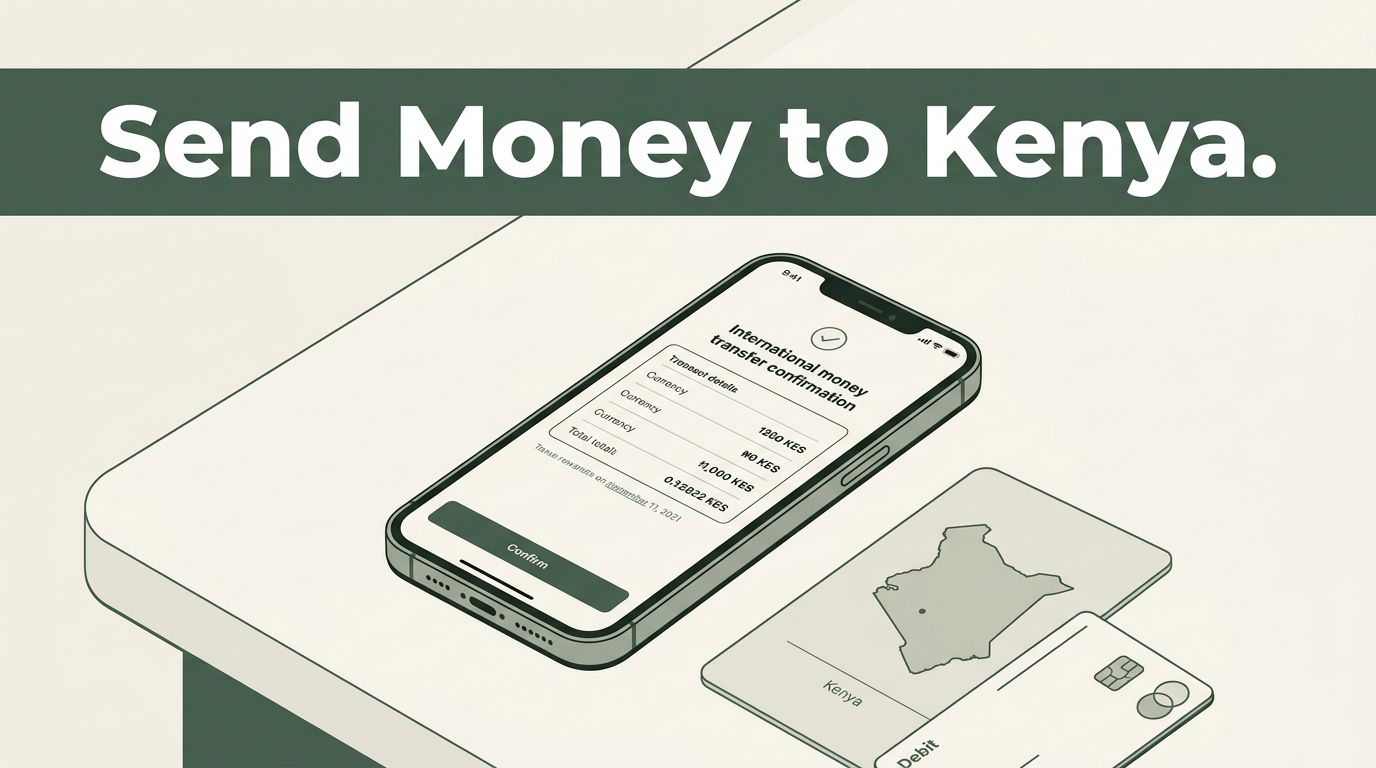
- Review the summary screen detailing the exchange rate, transfer fee, total delivery amount in Kenyan shillings, and estimated arrival time before authorizing the payment.
For additional background on how international corridors operate, you can review the official Remitly send money to Kenya portal to check current welcome rates and promotional offers.
Comparing Delivery Speeds and Funding Methods
Your choice of funding source and delivery speed dictates how quickly funds reach the destination account. Debit card funding typically processes faster than standard bank transfers, moving funds into local rails within minutes or a few hours. Bank transfers often require one to three business days to clear domestic banking channels before the international leg initiates.
Platforms generally offer distinct speed tiers to match your operational urgency. Express options prioritize speed for urgent liquidity needs, while economy tiers utilize standard bank clearing networks to minimize transfer costs. When sending funds to mobile wallets linked to local banks, transactions often complete even faster than traditional wire networks.
You should also review independent data and analyses on Remitly fees and transfer costs to understand how different funding methods impact your total transaction cost.
Managing Transfer Limits and Account Verification
International remittance providers enforce tiered transaction limits to comply with global financial regulations and anti-money laundering standards. Your initial sending limit depends on your country of residence and the personal information you provide during account creation.
If you need to send larger sums for business or family support, you must complete standard verification checks by uploading government-issued identification and proof of address. Providing these documents early prevents unexpected transaction freezes when you need to execute a time-sensitive transfer.
Review your current tier status inside your account settings dashboard before scheduling large payments. Operating within your verified limits ensures your transactions clear automated compliance checks instantly.
Conclusion
Executing a reliable international transfer requires disciplined preparation and clear attention to operational detail. Gather accurate banking details, verify your limits, and inspect real-time exchange rates before authorizing any funds.
Take a moment to verify current terms, fees, and delivery schedules directly in the Remitly app or website before sending your next payment to Kenya.